Quy Nhon
Vietnam's hidden coastal gem with pristine beaches
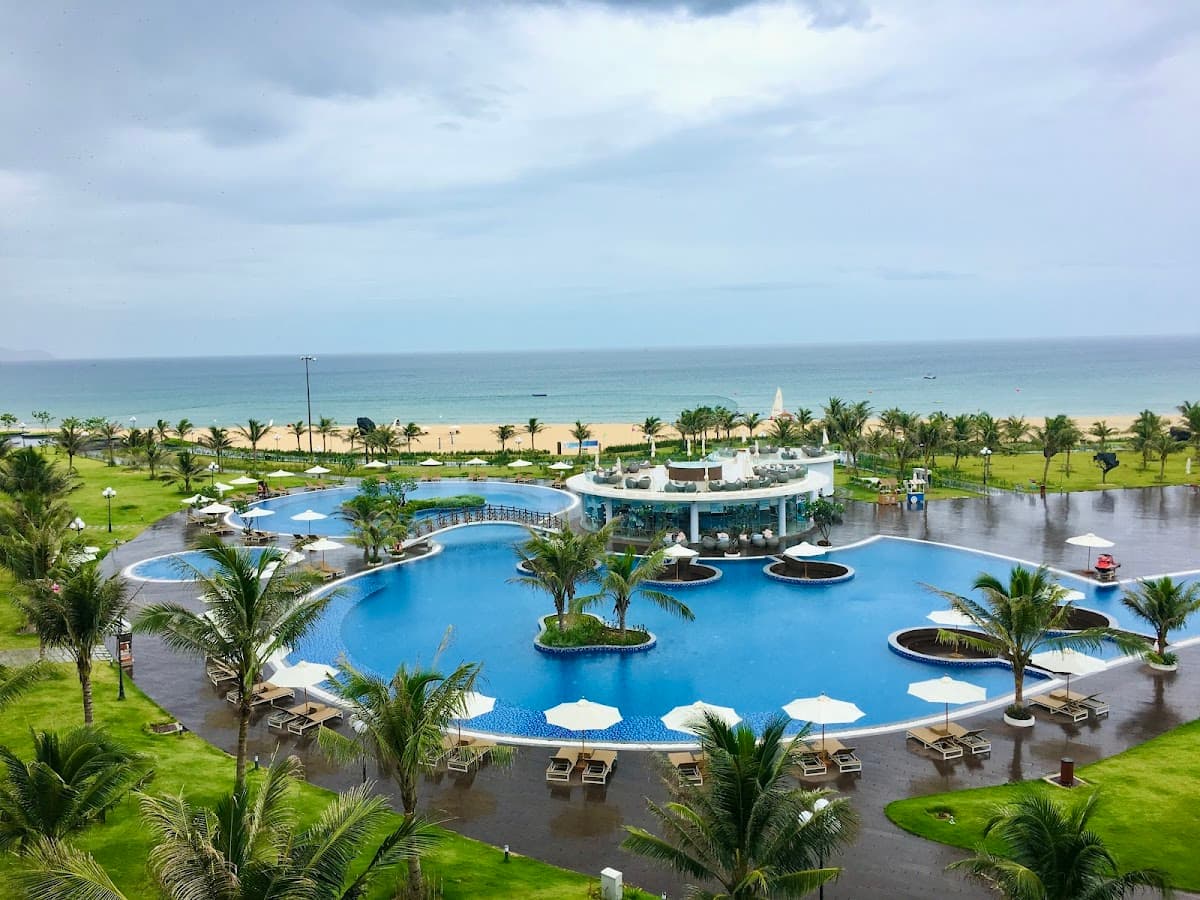
Quy Nhon sits quietly on Vietnam's central coast, doing its own thing while everyone else flocks to Da Nang and Nha Trang. This port city has 20 kilometers of golden sand beaches, some of the country's best seafood, and ancient Cham ruins that most travelers never see. The backpacker trail hasn't discovered it yet, which means you can still find $15 beachfront hotels and eat incredible bun cha ca for under $2. But here's the thing — that's changing fast. Local developers are eyeing the coastline, and word is getting out about places like Ky Co Beach and the twin towers of Thap Doi. Go now, before everyone else catches on.
Best Months
JAN – JUN
~30°C · moderate crowds
Culture & Context
CHAM TOWERS & RISING LEGEND
Quy Nhon has a layered past that most visitors walk right past. The Cham civilisation ruled this coast from around the 11th century, and you can still see the Thap Doi twin towers right in the city. Later, it was the birthplace of the Tay Son uprising in the 18th century, which brought peasant-general Nguyen Hue to power.
He's still a local hero. As of July 2025, Quy Nhon is no longer part of Binh Dinh province. Vietnam merged provinces nationwide, and the city is now technically part of a larger Gia Lai province.
Maps and locals still often say Binh Dinh, so don't be confused. The city's identity remains coastal and deeply fishing-community oriented. Binh Dinh is also famous throughout Vietnam for its martial arts tradition — a serious one, not a tourist show.
Locals are proud of it. Quy Nhon is a city where domestic Vietnamese tourists heavily outnumber foreigners, which is genuinely part of its appeal. English is limited outside the main tourist strip, so a few words of Vietnamese go a long way.
In 2026, Quy Nhon received the ASEAN Clean Tourism City 2026 award and was selected by Lonely Planet as one of the world's Top 25 destinations for 2026. TripAdvisor ranked it 4th globally in its Travellers' Choice trending destinations. The city is on the radar now.
Come before that fully shows.
Local Customs
SHOES OFF, TWO HANDS GIVE
Remove your shoes before entering someone's home and most temples. If you're unsure, look at the doorway — if there's a pile of shoes, add yours to it.. Two-handed giving and receiving is a sign of respect, especially when handing money to older locals or receiving something from a vendor.
One hand extended is fine in casual settings, but using both is always appreciated.. Bargaining is normal at markets and with street vendors, but not in restaurants with fixed menus or at large shops with price tags. Read the room..
Dress modestly when visiting pagodas and Cham towers. Shorts and tank tops are fine at the beach, but bring a light cover-up for temple visits. Some sites will turn you away at the door without one..
The food street (Ngo Van So, off Nguyen Hue) operates on a cash-first basis, though mobile payment apps are increasingly accepted. Carry small bills — 10,000 and 20,000 VND notes are useful for snack stalls.. Watch out for items you didn't order being placed on your table and then charged for.
This has been flagged by travelers at some tourist-facing banh xeo restaurants. Just send back anything you didn't ask for immediately.. Motorbike traffic has its own rhythm.
Cross streets slowly and deliberately — vehicles flow around pedestrians. Don't freeze or sprint. Look left, start walking, keep a steady pace..
Tipping is not mandatory or expected at most local eateries, but it's appreciated at mid-range and upscale restaurants. Rounding up is a common gesture.
Safety
LOW CRIME, RESPECT THE SEA
Quy Nhon is genuinely safe for travelers. It has a low crime rate and a relaxed local atmosphere. But a few things are worth knowing.
Petty theft exists, especially around the food street at night — keep your phone in a front pocket and don't leave bags unattended on plastic chairs. On motorbikes, bag snatching from passing bikes has been reported in busier areas, so wear a crossbody bag kept to the front. The sea deserves real respect.
Rip currents can form at the main city beach, and waves get rough during the rainy season (September–December). Ky Co and Hon Kho are calmer for swimming but always check conditions with locals before going in. Road safety is the bigger concern.
Traffic in Vietnam moves in ways that feel chaotic but do follow a logic — go slow, merge gradually, and don't ride a motorbike after dark if you're not confident. Always wear a helmet. Healthcare in Quy Nhon is limited for serious conditions — the city has hospitals, but anything major will mean a transfer to Da Nang or Ho Chi Minh City.
Travel insurance with medical evacuation coverage is worth having. English is not widely spoken at hospitals. Food safety is generally fine at busy, high-turnover stalls.
Avoid pre-cut fruit sitting in the heat and stick to bottled water.
Getting Around
MOTORBIKES & GRAB RIDES
Getting around Quy Nhon is easy once you accept that public buses are limited and motorbikes run the show. Renting a scooter costs 100,000–150,000 VND per day from shops near the beach — it's the most practical way to reach Ky Co, Eo Gio, Bai Xep, and the Cham towers. Grab (the local ride-hailing app) works well within the city center and is metered, so no negotiating.
A Grab bike to most spots within the city costs 20,000–50,000 VND. Taxis from Phu Cat Airport to the city run about 300,000 VND ($11) — book through the official counter or use Grab to avoid inflated fares from drivers who approach you outside arrivals. The Dieu Tri railway station is 10km west — grab a taxi or Grab from there, not from the touts who wait outside.
Train tickets from Ho Chi Minh City to Dieu Tri start at 280,000 VND for hard seats and go up to around 1,000,000 VND for soft sleeper berths. From Hanoi, expect 430,000–1,300,000 VND depending on class. Sleeper buses connect Quy Nhon with Da Nang, Nha Trang, and Ho Chi Minh City for 600,000–900,000 VND.
The coastal train ride itself offers great views and is a popular choice for that stretch through central Vietnam. For island day trips to Ky Co or Hon Kho, tours depart from Nhon Hai fishing village — expect to pay 200,000–500,000 VND per person for a boat tour including lunch.
Useful Phrases
Itineraries coming soon
We're working on adding amazing itineraries for Quy Nhon. In the meantime, try the app to create your own!
Money-Saving Tips
- 1.Skip the resort restaurants and eat at local markets — a full meal costs under $3 versus $15+ at hotels
- 2.Rent motorbikes by the week for better rates — $25 for 7 days versus $5 daily
- 3.Buy fresh seafood at the morning market and ask restaurants to cook it for you — saves 50% on menu prices
- 4.Book accommodation directly with family guesthouses to avoid booking platform commissions
- 5.Take local buses to nearby towns for $1-2 instead of hiring private transport for $20-40
- 6.Visit during shoulder season (April-May or September-November) for 40% lower hotel rates
Travel Tips
- •Learn basic Vietnamese numbers to bargain at markets — vendors appreciate the effort
- •Bring reef-safe sunscreen — many beaches here have coral that's still healthy
- •Download offline maps before heading to remote beaches — cell service can be spotty
- •Pack a rain jacket even in dry season — afternoon showers come from nowhere
- •Respect local customs at Cham towers — remove shoes and dress modestly
- •Book boat trips to islands early in the day — afternoon winds can cancel departures
- •Keep cash handy — many local restaurants and guesthouses don't accept cards
- •Try to time visits to fishing villages for early morning when boats return with fresh catch