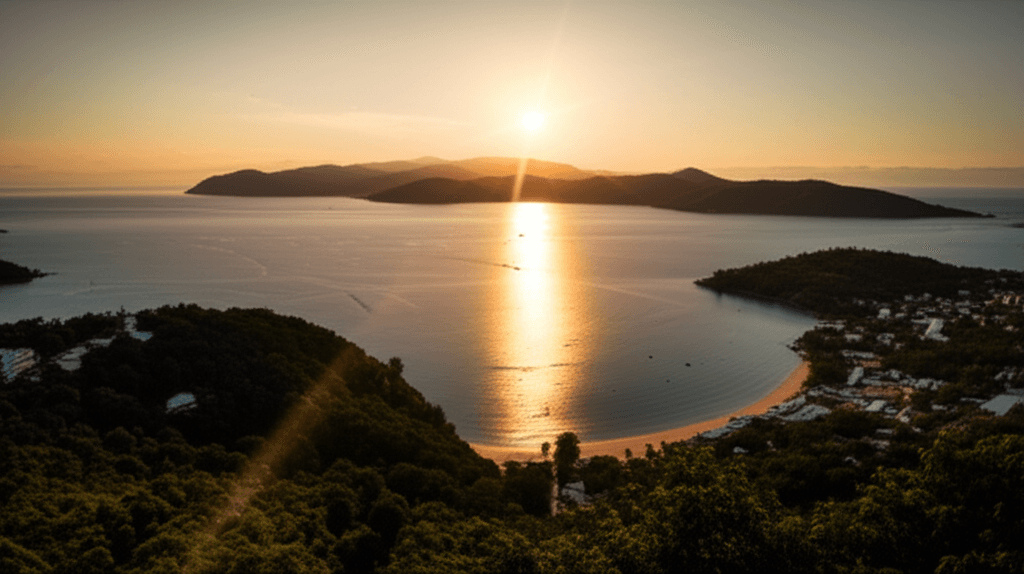
Phuket
Thailand's party island with beaches, culture, and vibrant nightlife
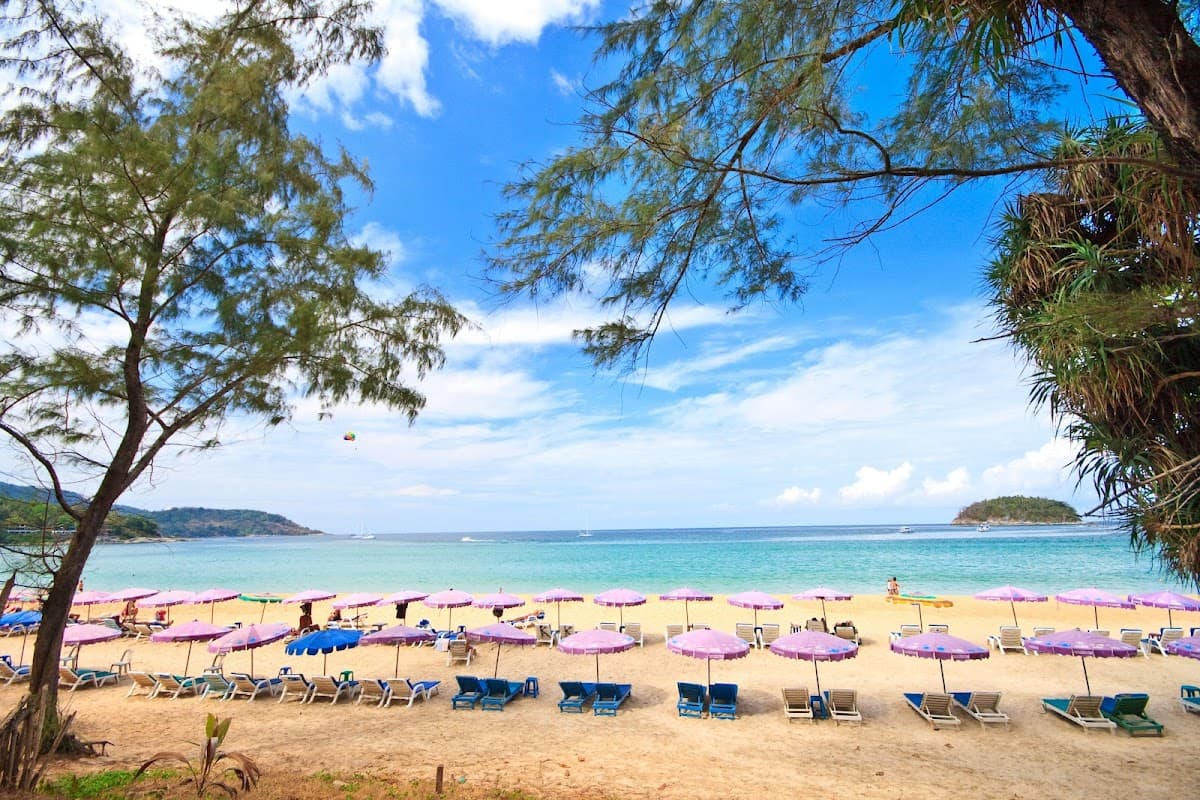
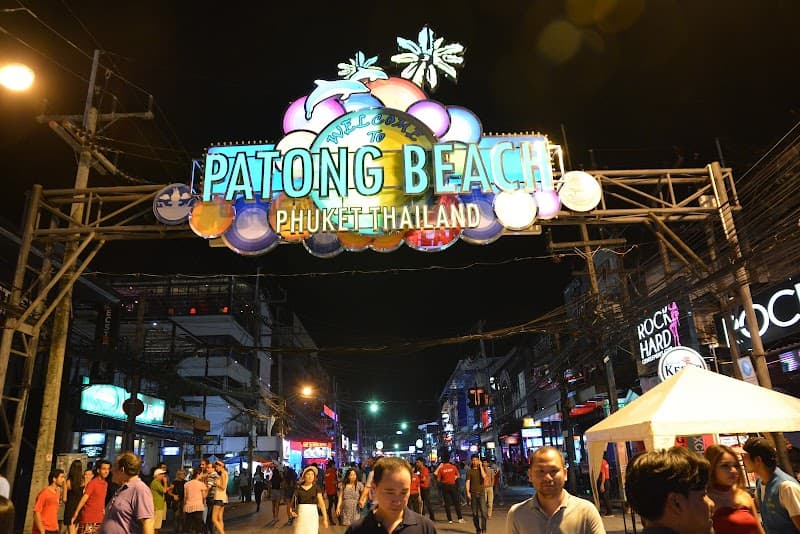
Phuket isn't just Thailand's largest island—it's where beach paradise meets late-night chaos, and somehow it all works perfectly. You'll find backpackers sharing Chang beers with honeymooners at beachfront bars in Patong, while families build sandcastles just a few beaches over in Kata Noi. But here's what makes Phuket special: it's big enough to be whatever you need it to be. Want to party until sunrise at Bangla Road? Done. Prefer a quiet sunset dinner overlooking the Andaman Sea? Also done. The island serves up Thai street food next to Michelin-starred restaurants, budget hostels alongside luxury resorts that cost more per night than most people's monthly rent. And yes, it can feel touristy—because it is. But scratch beneath the surface and you'll find fishing villages, rubber plantations, and temples that remind you this is still very much Thailand.
Local Knowledge
Culture & Context
Phuket is a genuinely layered place. The island's large Chinese Hokkien diaspora (descendants of 19th-century tin miners) means Chinese shrines sit next to Buddhist temples and halal restaurants. Old Phuket Town's Sino-Portuguese shophouses on Thalang Road tell that history directly. Phuket is also a UNESCO-designated City of Gastronomy, which is worth knowing because it means the food scene has real depth well beyond pad thai. The concept of sanuk (life should be fun, even in mundane tasks) runs through most interactions. Locals genuinely smile at strangers. Thais practice the wai greeting (palms pressed together at chest, slight bow) and appreciate when visitors attempt it, though it's not expected. Buddhism and the monarchy are both treated with serious reverence. Lese majesty is not a joke — criticism of the royal family is a criminal offense with real consequences. The national anthem plays at 8am and 6pm in public spaces, and people stop and stand. So should you. The head is considered sacred; never touch someone's head. Feet are considered the lowest part of the body — don't point them at people, Buddha images, or use them to stop a rolling coin (those coins have the King's image). Topless sunbathing is illegal. Leave beach clothes at the beach.
Safety
Phuket is generally safe. The U.S. State Department maintains a Level 1 advisory for Thailand ("Exercise Normal Precautions"), and millions of visitors pass through with no serious incidents. That said, a few things consistently catch people off guard. The biggest one: motorbike accidents are the leading cause of tourist deaths and injuries on the island. The roads are steep, hilly, and shared with traffic that doesn't follow predictable rules. If you've never ridden before, don't start here. If you do rent one, photograph all existing scratches before leaving the rental shop — accusations of pre-existing "damage" upon return are one of the most common scams. Never leave your passport as deposit; offer a cash deposit instead. Jet ski rental runs a near-identical scam: operators claim you caused damage and demand 10,000–30,000 THB. Film a video walkthrough of the jet ski before you ride. Some operators get aggressive. The Tourist Police (call 1155, English-speaking, 24/7) are generally more useful than regular police for tourist disputes. Tuk-tuks quote inflated tourist prices and don't negotiate much downward. A Patong-to-Kata ride by tuk-tuk runs 500–600 THB. The same route on Grab costs 250–350 THB. Use Grab. Taxi drivers who refuse to use a meter or push tour packages are running a commission scheme — walk away. At the beach: red flags mean no swimming. During May–October monsoon season, riptides at Patong, Kata, and Karon kill people each year. Never swim against a riptide — swim parallel to shore until you're out of it. Box jellyfish are present at some beaches (Kamala, Surin) during monsoon season. Vinegar stations exist at most beaches. Don't drink tap water. Don't leave your bag unattended on the beach while swimming. Don't say anything negative about the Thai royal family — lese majesty is a criminal offense. Dengue fever risk exists during rainy season; use mosquito repellent, especially at dusk. Drug laws are severe. Emergency numbers: Police 191, Ambulance 1669, Tourist Police 1155.
Getting Around
Phuket has no rail system and no comprehensive bus network. Getting around requires a mix of apps and local knowledge. Grab is the single best option for most trips — transparent pricing shown before you book, GPS tracked, air-conditioned, available 24/7. Download it and link a payment method before you land. Bolt also works island-wide and is slightly cheaper, but slower to get a driver. Note: only Grab is permitted at the airport pickup zone. Bolt can drop you off at the airport, but can't pick up there. The Phuket Smart Bus runs the west coast from HKT airport down to Rawai via Bang Tao, Surin, Kamala, Patong, Karon, and Kata. Flat fare: 100 THB regardless of where you board or exit. Departures every 30–60 minutes from the airport between 8:15am and 11:30pm. This is the most cost-effective way to get from the airport to a beach without the taxi negotiation. Songthaews (locally called "Blue Bus") are shared open-backed pickup trucks running fixed routes between Phuket Town and the main beaches. Fare: 30–40 THB. Routes run roughly 7am–5:30pm, disappear after dark. Great for Phuket Town-to-beach runs. To travel between beaches without going through Phuket Town, use Grab. Tuk-tuks in Phuket are NOT the three-wheeled Bangkok variety. They're red or yellow four-wheeled covered minivans. They run without meters. Agree on price before getting in. Typical routes: Patong to Karon = 400–500 THB, Patong to Kata = 500–600 THB. These are per vehicle. Use them for the experience or when Grab has no drivers at 2am. Otherwise, Grab wins on cost every time. Motorbike rental runs 150–300 THB/day. Requires an international driver's license (rental shops often don't ask, but police checkpoints around Patong do). Riding without one risks fines up to 10,000 THB and voids most travel insurance. Accidents are common on the hilly, narrow roads. Helmets are legally required and a 2,000 THB fine applies to riders and passengers without them.
Useful Phrases
Hello (and goodbye). Men say 'krap,' women say 'ka.' Add the gendered particle to almost every phrase for instant politeness.
Thank you. The single most useful phrase on the island. Pair it with a slight nod and you'll get noticeably warmer service everywhere.
No worries / It's fine / Don't worry about it. Thais use this constantly. When your bus is late, your order gets mixed up, or anything goes sideways — this is the local response. It's useful to know because you'll hear it a lot.
'Delicious' / 'Very delicious.' Tell your street food vendor this after eating and watch their face light up. It goes a long way.
How much? Your most practical market phrase. Ask it at any stall before committing to a purchase.
Expensive. Say this after hearing a price you think is too high. Sellers understand what it implies — a negotiation is starting.
'I can eat spicy' / 'I cannot eat spicy.' Thais assume foreigners can't handle heat. Say the first one and you'll get the real version of the dish.
Relaxed, feeling good, easy. You'll hear locals say this to describe a chilled-out situation. It basically sums up the vibe they're going for.
Local Customs
- •The wai greeting — palms pressed together at chest level, slight bow — is how Thais say hello, thank you, and goodbye. You don't need to initiate it, but returning one when offered is appreciated. Don't wai children, street vendors, or laborers even if they wai you first. It's a hierarchy thing.
- •Remove shoes before entering temples, many shops, and all private homes. If you see a pile of shoes at a door, add yours to it.
- •Cover shoulders and knees at temples. Pack a light scarf or sarong in your bag — the heat makes carrying full coverage impractical otherwise. Wat Chalong and the Big Buddha both enforce this.
- •Never touch or point your feet toward a Buddha image. Don't sit with your feet pointing at a person either. The feet are considered the lowest part of the body, both literally and culturally.
- •Don't step on coins or banknotes, even if one rolls away in the market. They carry the King's image and stepping on the King's face is a serious sign of disrespect.
- •The monarchy is off-limits as a topic for criticism, jokes, or casual complaints. Lese majesty is a real law with real sentences. Keep opinions about the royal family to yourself completely.
- •The national anthem plays at 8am and 6pm in public places — train stations, parks, some markets. Stand still. It takes about a minute.
- •Standing for the Royal Anthem is expected before movies at cinemas. The lights dim, a screen appears, you stand.
- •Public displays of affection are fine at the beach but frowned upon near temples and in more traditional neighborhoods. Kissing in public makes locals visibly uncomfortable in most non-Patong contexts.
- •Don't touch coral or take shells from the beach. In protected marine areas it's illegal and carries fines up to 100,000 THB. It's also ecologically destructive regardless of legality.
Explore Neighborhoods
Explore the Region
Phuket Itineraries
View all
Phuket: Culture, Cuisine & Coastal Charm
Week · $$$
Phuket's Hidden Flavors: A Foodie's Jungle Escape
Weekend · $$$
Luxury Phuket Adventure: Islands, Temples & Tastes
Weekend · $$$$$
Phuket Bliss: Beaches, Bites & Serene Escapes
Week · $$$
Phuket Bliss: Slow-Paced Beaches, Culture & Nature
Week · $$$
Phuket Paradise: Relaxed Romance for Couples
Week · $$$
Money-Saving Tips
- 1.Eat at local markets in Phuket Town instead of beachfront restaurants—same food for 1/4 the price
- 2.Rent a scooter for 250 baht/day instead of taking tuk-tuks everywhere (which cost 200-400 baht per ride)
- 3.Buy drinks at 7-Eleven and pre-drink before hitting expensive beach clubs—cocktails cost 150 baht vs 500 baht
- 4.Book accommodation in Kata or Karon instead of Patong for better value and less noise
- 5.Shop at Big C or Tesco Lotus for snacks and water—tourist shops charge 3x normal prices
- 6.Take the airport bus (100 baht) instead of taxis (600-800 baht) if you're not in a hurry
Travel Tips
- •Always carry cash—many local restaurants and markets don't accept cards
- •Negotiate tuk-tuk prices before getting in, and be prepared to walk away
- •Wear reef-safe sunscreen when snorkeling—many tour operators now require it
- •Book popular restaurants in advance during high season (Dec-Feb)
- •Keep copies of your passport—some activities require ID and you don't want to lose the original
- •Download offline maps—cell service can be spotty in remote beaches and islands
- •Pack a light rain jacket even in dry season—tropical storms can appear quickly
- •Respect local customs when visiting temples—cover shoulders and knees, remove shoes
Frequently Asked Questions
Explore Phuket
Ready to explore Phuket?
Get a personalized itinerary in seconds with Takeoff.
Free on iOS. No credit card required.