Phang Nga
Culture & Context
LIMESTONE KARSTS & THREE FAITHS
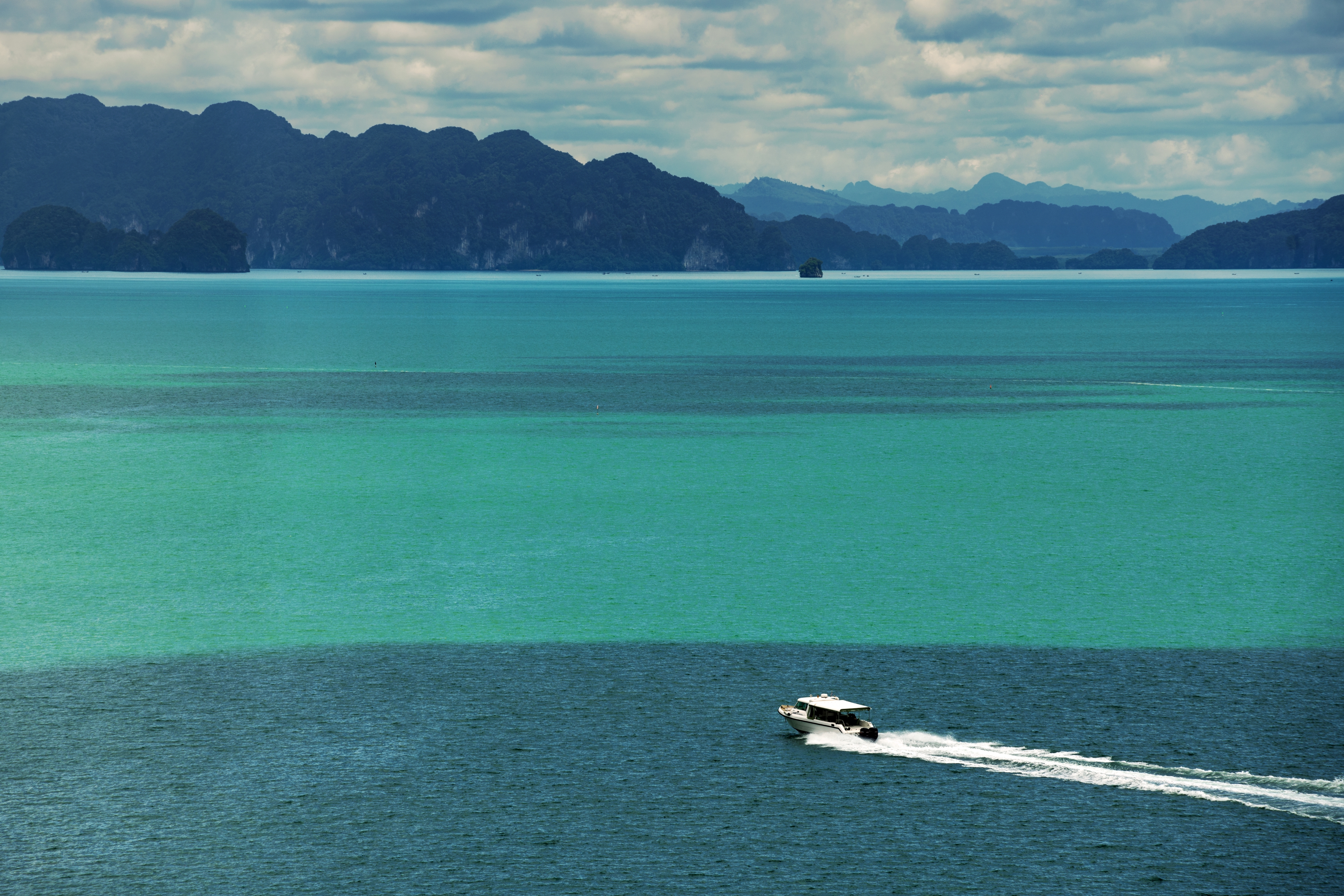
Phang Nga derives its name from the ancient Malay word "Pangan," meaning jungle. That etymology tells you a lot. This is a province shaped by geography first, everything else second. The limestone karsts that shoot out of the bay created a landscape so cinematic that a 1974 Bond villain chose it for his lair — and the nickname "James Bond Island" has stuck ever since.
But the culture here runs deeper than Hollywood. Phang Nga is a genuine three-way cultural mix: Thai-Buddhist, Malay-Muslim, and Sino-Portuguese Chinese heritage all coexist across the province's different communities. The Koh Yao islands are majority Muslim, fishing communities where conservative dress is expected and the pace is genuinely slow. Koh Panyee is an entire floating village built on stilts in the bay, populated by a Muslim fishing community that has been there for centuries. Head inland to Takua Pa and you get Sino-Portuguese shophouses straight out of another era — the legacy of Chinese and European merchants who came for tin mining.
The food is the best physical proof of that cultural layering: khanom jeen (fresh rice noodles with fish curry), massaman curry, southern-style yellow rice with turmeric, and fresh Andaman seafood all land on the same table. Phang Nga is also the launch point for the Similan Islands, Thailand's premier diving destination, and Khao Sok National Park is just inland. Think of it less as a single destination and more as a province-sized playground with very few tourists actually exploring it properly.
cultural_context_headline: KARSTS, BOATS & THREE FAITHS
Local Customs
Remove shoes before entering any temple, home, or guesthouse that has shoes outside the door.
Non-negotiable, and expected in Koh Panyee's Muslim fishing village too.. The wai greeting (press palms together near chest, slight bow) is used for hello and goodbye.
You don't need to initiate it with vendors, but return it graciously when offered.. On the Koh Yao islands and at Koh Panyee, dress modestly out of respect for the Muslim communities. Cover shoulders and knees when walking through villages..
Never touch anyone's head — it's the most sacred part of the body in Thai culture. Even ruffling a child's hair is considered disrespectful.. The monarchy is deeply revered.
Avoid any criticism of the royal family — it's both culturally offensive and legally serious under lèse-majesté laws.. Mai pen rai (never mind / no worries) is the local operating system. Losing your temper or showing frustration in public gets you nowhere and costs you face.
Smile through it.. Bargain at piers for boat tours but do it politely and with a grin. Asking 'lot noi dai mai?
' (can you lower the price a little?) works far better than aggressive haggling.
Safety
Phang Nga is generally safe for tourists — violent crime targeting visitors is rare and daily life runs smoothly.
That said, a few things need honest flagging. Thai authorities defused devices in Phuket, Krabi, and Phang Nga in June 2025, so some low-level terrorism risk exists in the region. It doesn't specifically target tourists, but stay alert in crowded markets and public spaces. Keep the Tourist Police number saved: dial 1155.
On the water, always wear a life jacket on boat tours and check weather before heading out — monsoon season (May to October) can shut down sea travel with short notice. Motorbike accidents are one of the leading causes of tourist injuries in Thailand. If you haven't ridden one before, Phang Nga's provincial roads are not the place to learn. Hire a car or songthaew instead.
The Koh Panyee floating village and Koh Yao islands have Muslim communities — dress modestly when visiting. Remove shoes before entering any temple or private home. Standard petty crime awareness applies: don't leave valuables on beach towels, use Grab rather than unmetered taxis. Phang Nga sits well away from the actual conflict zones in Thailand's deep south (Pattani, Yala, Narathiwat) and the Cambodia border zone — those advisories don't apply here.
safety_headline: STAY SHARP ON WATER
Getting Around
Phang Nga has no airport.
You fly into Phuket International Airport (HKT), about 1 hour south by road, or Krabi Airport (KBV), roughly 1.5 hours southeast. The main artery through the province is Highway 4 (Phet Kasem Road), connecting most districts. Rail doesn't exist here — the nearest train station is in Phunphin, Surat Thani province.
Inside Phang Nga, car rental is the most practical option for real exploration. Most rental companies are based at Phuket Airport. Grab works in some areas but disappears in rural spots — don't count on it for day trips to Samet Nangshe or Khao Sok. Motorbike rentals are available in Khao Lak (around ฿300/day) and Phang Nga Town. Longtail boats are the primary way to reach islands and tours — book from Tha Dan Pier, about 10km from Phang Nga Town. A private 3-hour longtail tour of the bay runs around ฿1,500 for up to 4-6 people. Group day tours from Phuket cost ฿1,500 to ฿4,000 depending on boat type and group size. Minibuses connect Phang Nga Town to Phuket and Krabi — buy tickets at the bus station in the south end of town.
transport_headline: RENT A CAR
Useful Phrases
Where to Stay in Phang Nga
7 recommended properties