Paros
Culture & Context
ISLAND ALL-ROUNDER
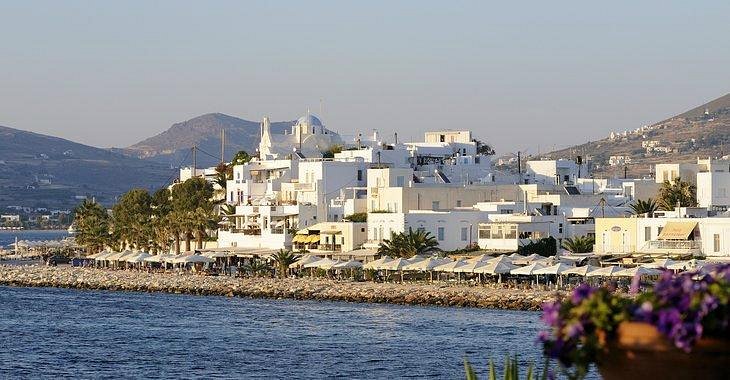
Paros sits in the heart of the Cyclades, about 165km from Athens, and has quietly become what Mykonos used to be before the superyachts arrived. The vibe is genuinely balanced: whitewashed Cycladic villages, a working fishing harbor in Naoussa, marble quarries that supplied ancient Greece, and an increasingly cosmopolitan summer scene that still hasn't lost its local soul. The island's historic capital, Lefkes, was built deliberately inland during the 17th century to hide from pirate raids — and that story gets reenacted every August 23rd in Naoussa with boats, costumes, and a lot of wine.
Paros is food-serious. Locals will point you toward Petra Farm for organic island produce, Moraitis Winery (founded 1910) for Assyrtiko tastings, and seafront tavernas in Piso Livadi for octopus so fresh it was swimming that morning. The pace runs on "siga siga" — slowly, slowly. Dinner starts at 9pm at the earliest. The island panigyria (village saint-day festivals) are arguably the best cultural experiences available, with long communal tables, food cooked by local women, and traditional violin-and-laouto music until 4am. Paros is not a hidden secret in 2026, but it is still holding its character better than its famous neighbors.
Local Customs
Dinner starts at 9pm — restaurants in tourist areas open earlier to accommodate visitors, but showing up at 7pm means you're eating with other tourists, not locals.
Book ahead for Naoussa waterfront restaurants in July-August.. Don't flush toilet paper.
This applies across all of Greece: the pipes are narrow and old, and blockages are serious. Every bathroom has a bin next to the toilet — use it. It takes exactly one stay to adjust..
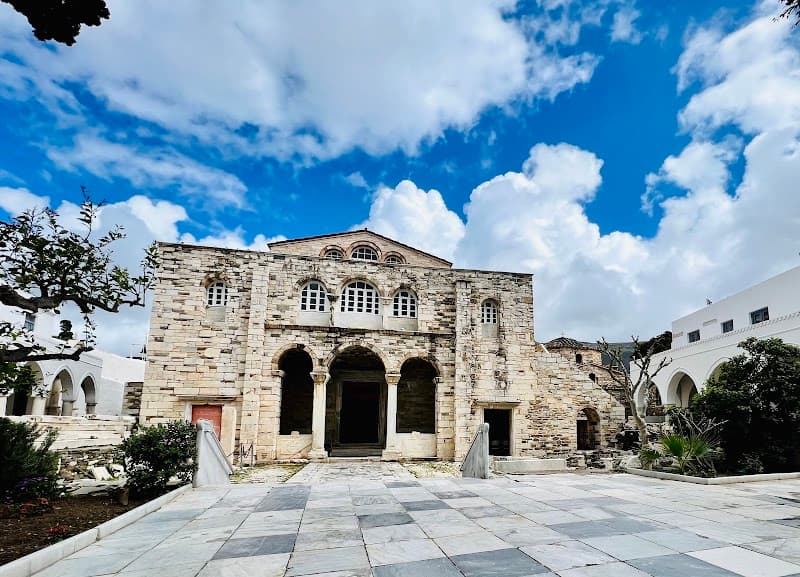
Cover shoulders and knees when entering churches. Paros has beautiful Orthodox churches including the famous Panagia Ekatontapiliani. No shorts, no sleeveless tops inside.
Carry a light scarf.. Cash is still king for small transactions — local buses, market stalls, smaller tavernas, and village panigyria often won't take cards. ATMs are widely available across the island including in Lefkes..
If you see plastic tables being set up in a village square in the afternoon, cancel your dinner reservation and eat there instead. Village panigyria (saint-day festivals) are announced days in advance on noticeboards, not on booking apps — and they're the best social experience on the island.. The 'moutza' gesture — raising your open hand toward someone's face — is a serious insult in Greece.
Avoid it entirely, even as a joke.. Beachwear stays at the beach. Walking through Naoussa's market alleys in a bikini top is considered disrespectful and will get you looks from locals even if no one says anything..
Siesta is real. Between roughly 2pm and 6pm, many shops close and the marble alleys of Naoussa go quiet. Plan accordingly — schedule beach time here and village exploring for mornings and evenings.
Safety
VERY SAFE
Paros is one of the safest destinations in the Mediterranean. Greece holds a Level 1 travel advisory (the best possible rating) from the US State Department as of 2026. The islands generally feel more relaxed than Athens, with violent crime against tourists essentially nonexistent.
The real risks are practical, not criminal. Scooter and ATV accidents are genuinely common — you need a valid motorbike licence to rent one legally, and the island's roads get narrow, steep, and busy in July-August. Don't rent one on impulse after a few Aperol Spritzes. In nightlife areas around Naoussa, keep normal awareness about your wallet and drink. Rental cars are a much safer choice for island exploration.
Sun and sea are the other hazards. The Meltemi wind picks up hard in July-August, making the Aegean choppy and occasionally dangerous for swimmers at exposed beaches. Tap water is EU-standard safe on Paros, though some visitors prefer bottled water on the islands. Emergency number: 112.
Getting Around
RENT A CAR
Getting TO Paros: No direct international flights. Fly Athens first (40 min domestic connection to Paros Airport), or take a ferry from Piraeus or Rafina. High-speed ferries take about 3.5 hours; conventional Blue Star Ferries take 4.5–5 hours and are cheaper. Book ferries well ahead for July-August travel. Operators: Blue Star Ferries, Seajets, Fast Ferries.
Getting AROUND Paros: A rental car genuinely changes the trip. The island is larger than it looks, and the best beaches and interior villages require wheels. Shoulder-season rates start around €25–35/day; peak season higher. Book ahead in summer.
KTEL buses run a reliable network connecting Parikia, Naoussa, Lefkes, and main beaches. A one-way ticket costs around €2; a day pass is €10. Buses can't get you everywhere, but they cover the major routes — Parikia to Naoussa takes about 30 minutes. ATVs and scooters work well for short beach hops around one town, but need a motorbike licence. Taxis exist but are limited — book ahead at peak times. A Greek SIM (Cosmote or Vodafone) is useful for offline maps on back roads; pick one up at Athens Airport.
Useful Phrases
Where to Stay in Paros
7 recommended properties
Things to Do in Paros
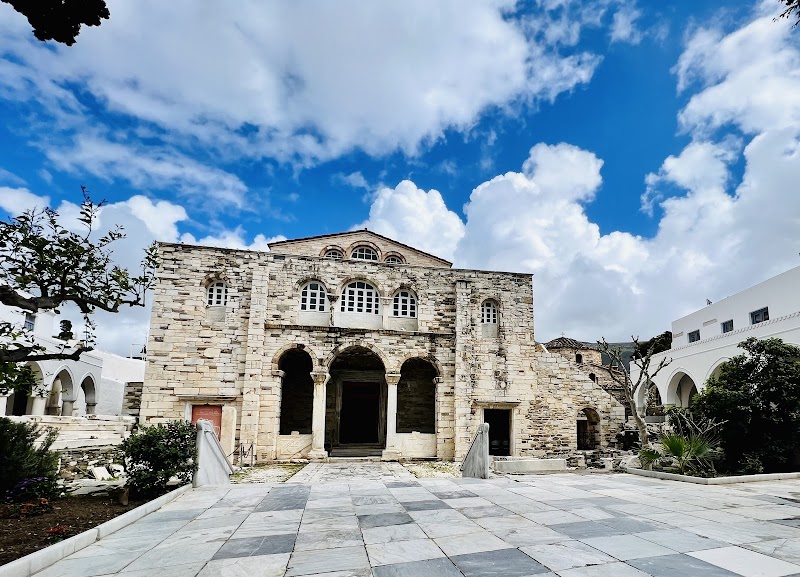
Parikia Old Town & Panagia Ekatontapiliani
Parikia · 120 min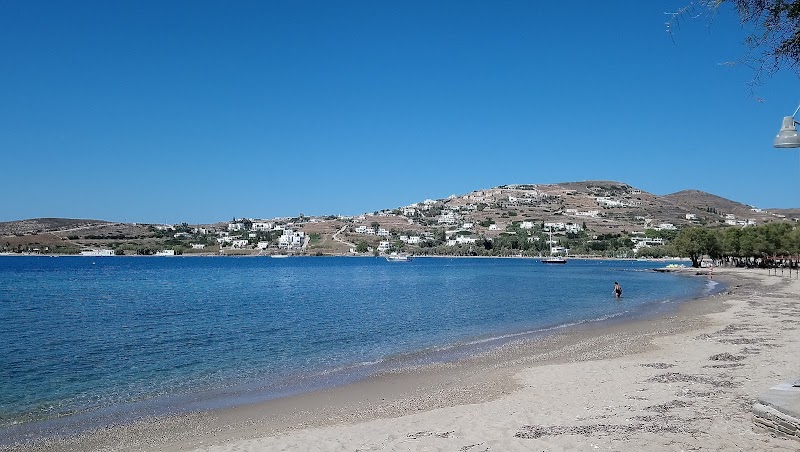
Livadia Beach
Parikia · 150 min