Olinda
Brazil's colonial masterpiece with vibrant carnival spirit
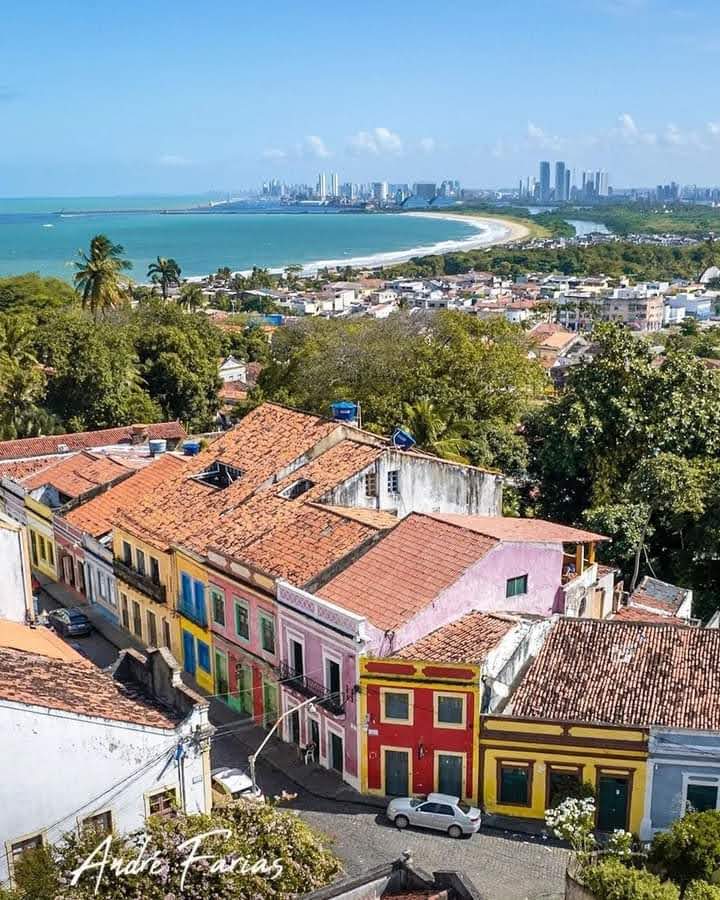
Forget Bahia's tourist crowds. Olinda delivers Brazil's most authentic colonial experience just 20 minutes north of Recife. This UNESCO World Heritage site feels like stepping into a living postcard — cobblestone streets wind past 16th-century churches painted in candy colors, while street artists sell their work from doorways older than your country. But here's what makes Olinda special: it's not a museum. Locals still live in these colonial houses, kids play soccer in the squares, and during carnival season, the entire city becomes one massive street party. The best part? Most international travelers have never heard of it.
Local Knowledge
Culture & Context
Olinda was founded by the Portuguese in 1535 and declared a UNESCO World Heritage Site in 1982. It sits on steep hills above the coast of Pernambuco, a short 7 km north of Recife. The colonial architecture is strict by law: zoning rules prevent modern construction from breaking the visual line of baroque churches, colorful plastered façades, and latticed balconies. Artists, musicians, and intellectuals have lived here for generations, and that creative DNA is visible at every turn. From the woodcut print studios on Rua do Amparo to maracatu groups rehearsing in alleyways, the city actively lives its culture rather than performing it for tourists. Frevo, the lightning-fast brass-driven dance style unique to Pernambuco, was inscribed on UNESCO's Intangible Cultural Heritage list in 2012. Maracatu, rooted in Afro-Brazilian tradition, features powerful percussion, elaborate costumes evoking African royalty, and a deep connection to the region's enslaved ancestors. Both are central to daily life here, not just Carnival. The giant papier-mâché puppets (Bonecos Gigantes), some over four meters tall, modeled on celebrities and folklore characters, are another signature of Olinda. They parade through the steep cobblestone streets during Carnival. But year-round, the Museu do Mamulengo preserves puppet theater traditions, and Casa dos Bonecos Gigantes lets you see these creatures up close without the February crowds.
Safety
Olinda is generally calmer and safer than Recife's center, especially during the day. That said, it's still urban Brazil and certain rules apply everywhere. During Carnival, crowds are enormous and pickpocketing goes up. Keep your phone in your front pocket, leave the jewelry at home, and use a crossbody bag you can keep a hand on. Don't walk back to your accommodation alone after midnight. Use Uber instead, even for short distances. The historic center is well-trafficked during the day and feels very manageable. The beaches at Casa Caiada and Bairro Novo are fine during daylight with people around, but avoid any beach after dark. Night walks in poorly lit areas are not recommended. Brazil's emergency police number is 190. The US Embassy formally advises against public buses at night. Dress casually; looking like a tourist with expensive gear makes you a target. Crime in the region is concentrated in non-tourist neighborhoods and tends to involve locals rather than visitors, but opportunistic theft is very real, particularly in large crowds. Most travelers who get robbed in this region are on their phones while walking or have visible valuables. Don't be that person.
Getting Around
The historic center is best covered entirely on foot. The steep cobblestone streets are part of the experience, though your calves will know about it by day two. Wear actual walking shoes. For getting to and from Recife, bus number 910 runs direct and costs under R$5. It takes 30-40 minutes depending on traffic. Uber and 99 are reliable for anything at night, for longer distances, or when you're carrying bags. A taxi or Uber from Recife International Airport (REC) takes about 20-30 minutes and runs roughly R$50-80 depending on traffic. The public bus fare is around R$4.30 (about $0.77 USD) per ride. Bus stops are functional but the system is confusing if you don't speak Portuguese. Stick to the 910 for the Recife-Olinda corridor and use apps for everything else. No metro serves Olinda directly. Car rental exists but driving inside the historic center is pointless: parking is minimal and the streets are narrow.
Useful Phrases
What's up? / How's it going?
All good? (common greeting, warmer than the textbook 'Tudo bem?')
Cool! / Awesome! (very Northeast Brazil, you'll hear this constantly in Pernambuco)
Thanks! / Cheers! (casual, street-level thank you)
Dude / Man (used constantly, for everyone regardless of gender)
The check, please (literally 'the little bill, please' — Brazilians love diminutives)
Let's go! / I'm in!
Cool! / Great! (universal across Brazil, not just northeast)
Local Customs
- •Every Sunday evening, the historic center hosts a mini-Carnival. The streets come alive with frevo and maracatu music, costumes, and street food. It's been going on for years and it's completely free. If you can't make it in February, Sunday nights give you a real taste of the city's rhythm.
- •Don't try to drive into the old city during Carnival. Park outside and walk in. Everyone does this. Cars simply cannot navigate the crowds on those narrow cobblestone streets.
- •At sit-down restaurants, a 10% service charge is usually added to the bill in tourist areas. It's not always mandatory, but it's standard practice. Check your bill before paying.
- •Bargaining at the Feira de Artesanato da Sé craft market is expected and totally normal. Don't pay the first price for ceramics or prints.
- •People in Pernambuco are famously warm and direct. Striking up conversation is easy. Locals love talking about the city's history, the puppets, and the best spots to eat. Lean into it.
- •The Noite dos Tambores Silenciosos during Carnival is a ceremony, not a party. Dress modestly, be respectful, and observe quietly. It's a tribute to ancestors of the slave trade and carries real emotional weight for locals.
- •Lightweight, breathable clothes are non-negotiable. Olinda's tropical climate and steep hills mean you'll sweat. Sensible shoes matter too: the cobblestones are beautiful and completely unforgiving on sandals.
Itineraries coming soon
We're working on adding amazing itineraries for Olinda. In the meantime, try the app to create your own!
Money-Saving Tips
- 1.Bring cash — many restaurants and pousadas don't accept cards, especially smaller establishments
- 2.Negotiate prices at the Mercado da Ribeira, especially for artwork and souvenirs
- 3.Buy bus tickets in bulk from Terminal Casa Caiada to save on Recife trips
- 4.Eat lunch at local spots like Cantinho da Sé instead of tourist restaurants to cut costs in half
- 5.Book accommodation directly with pousadas to avoid booking site fees
- 6.Shop for groceries at Supermercado Bompreço rather than corner stores near tourist areas
Travel Tips
- •Wear sturdy walking shoes — cobblestones will destroy flip-flops and thin soles
- •Learn basic Portuguese phrases; English isn't widely spoken outside tourist restaurants
- •Carry a paper map as GPS often fails on narrow colonial streets
- •Visit churches early morning or late afternoon to avoid tour groups
- •Keep valuables hidden; petty theft targets obvious tourists with cameras and jewelry
- •Download offline maps before exploring — cell service can be spotty in some areas
- •Respect photography rules at churches; many charge fees or prohibit photos entirely
Frequently Asked Questions
Explore Olinda
Ready to explore Olinda?
Get a personalized itinerary in seconds with Takeoff.
Free on iOS. No credit card required.