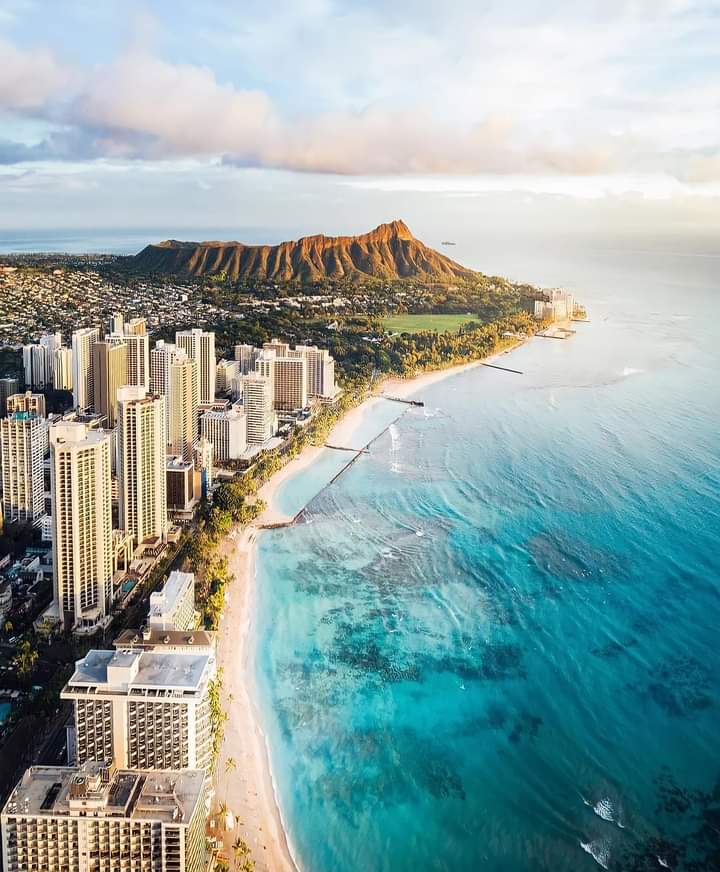
Honolulu
Pacific paradise where urban meets tropical bliss
Honolulu hits different than any other beach city. Sure, you've got the postcard-perfect Waikiki Beach, but step back from the shoreline and you'll find a real city with serious food culture, historic neighborhoods, and mountains that rise straight from the sea. This is where 400,000 locals live their daily lives — grabbing malasadas before work, surfing at dawn, and hitting up hole-in-the-wall poke shops that tourists never find. The tourist strip exists, but the real Honolulu spreads far beyond it. Diamond Head looms over everything, reminding you that you're on a volcanic island in the middle of the Pacific. And yes, the beaches really are that blue.
Best Months
APR · MAY · SEP · OCT · NOV
~29°C · moderate crowds
Culture & Context
ALOHA SPIRIT, NOT SLOGAN
Honolulu sits at a complicated intersection of American city and indigenous Hawaiian land. It's the most remote major city on earth, and that isolation shaped everything: the food, the language, the pace, the prices. People here move slower.
Not lazy, just deliberate. The concept of "aloha" isn't a tourist slogan. Locals feel it immediately when someone either brings that energy or doesn't.
Tourism is the economic lifeblood, but that's also caused real friction. Housing costs have pushed generations of local families off the island they grew up on. Walking around Waikiki is genuinely wonderful, but there's a whole other Honolulu happening in Kaimuki, Manoa, and Kaka'ako that most visitors never find.
The city has a multiethnic identity unlike anywhere else in the US. Native Hawaiian, Japanese, Filipino, Chinese, Portuguese, and Korean influences all show up in the food, the slang, the music, and the neighborhoods. Hawaii Pidgin (technically Hawaii Creole English) is the unofficial local language, and you'll hear it constantly.
Don't try to speak it yourself unless you grew up with it. It comes across as mockery. Stick to a genuine "mahalo" and a shaka and you'll be fine.
Local Customs
SHOES OFF ALWAYS
Remove your shoes before entering someone's home. You'll see rows of slippers lined up outside the door. That's your cue.
Wearing shoes inside is one of the fastest ways to signal you haven't paid attention.. Accept a lei graciously. If someone places one around your neck, wear it in their presence.
Don't put it on your head or wrap it around your wrist. When it wilts, return it to nature — hang it on a tree or scatter the petals in the ocean. Do not throw it in the trash..
Tip 20–25% at restaurants. Many Hawaii workers are paid below minimum wage with tips factored in, same as the US mainland.. Don't touch the honu (green sea turtles).
Federal law requires you stay at least 10 feet away. They're sacred in Hawaiian culture. Locals notice immediately when tourists crowd them..
Don't take rocks, coral, black sand, or lava rocks from beaches or parks. It's illegal in national parks and widely considered bad luck by locals. Yes, people actually mail rocks back after going home..
The shaka gesture is real, not a tourist prop. Throw one genuinely and it's appreciated.. Don't attempt to speak Hawaiian Pidgin unless you grew up with it.
It can come across as mockery. A sincere 'mahalo' and basic Hawaiian words land far better.. Ask before photographing people, cultural performances, or sacred sites.
Some Native Hawaiians strongly object to being photographed without permission.. Don't geotag remote natural spots on social media. Overtourism has already damaged several hiking trails and natural areas..
Public alcohol consumption is prohibited in Hawaii state parks and most county beach parks. Glass containers are also banned from most beach parks.. At surf spots, respect the lineup.
Wait your turn. Locals have often surfed the same break for years or decades. Dropping in on someone's wave is a serious breach..
Use reef-safe sunscreen. Hawaii law requires oxybenzone-free sunscreen if you're swimming in the ocean.
Safety
OCEAN MORE DANGEROUS THAN CRIME
Honolulu is genuinely safe for tourists. Violent crime rates sit below the national average, and most of what affects visitors is opportunistic petty crime, not violence.
The main risks: theft from unattended bags on the beach (never leave your stuff while swimming, designate someone to watch), smash-and-grab car break-ins at trailhead parking lots like Halona Blowhole and Makapu'u, and pickpocketing in crowded tourist areas. Leave valuables in your hotel safe. Don't leave anything visible in a parked car.
Waikiki is safe even late at night on Kalakaua Avenue. The constant foot traffic is a natural deterrent. Kuhio Avenue, one block north, gets sketchier after midnight. Chinatown and Downtown are fine during the day and great for dinner, but have elevated risk after 2am if you're wandering without a plan.
Kalihi and Palama are higher crime residential areas. You have no real reason to go there as a tourist. The neighborhoods around the airport are industrial with low foot traffic. Skip those too.
The ocean is the real danger. Hawaii leads the US in per-capita ocean drownings. Always swim near lifeguards, never alone, and never turn your back on the water. Late November through March, the North Shore sees 40-foot waves. Those are for watching, not swimming. Check the box-jellyfish calendar for Oahu before ocean swims (days marked in red mean jellyfish are likely). Hurricane season runs June through November. Stay updated on conditions from NOAA.
Scam watch: "Free" lei greetings on Waikiki that then demand tips. Aggressive timeshare pitches at hotel concierge desks. Unofficial activity kiosks selling overpriced tours. If a deal feels pushy, walk away.
Getting Around
WALKABLE WAIKIKI, RENT OUTSIDE
Getting around Honolulu is genuinely doable without a car if you're staying in Waikiki. If you're heading to the North Shore or Ko Olina, rent one.
TheBus is the backbone. Single rides cost $3.25 in 2026, with a daily cap of $7.50 and weekly passes for $40. Get a HOLO card (available at over 200 stores including ABC Stores throughout Waikiki) for contactless payment and fare capping. Cash works too, but exact change only. Drivers don't make change. Bags must fit on your lap or under your feet. Download the DaBus2 app for real-time GPS bus tracking. TheBus runs from the airport directly to Downtown Honolulu, Kaka'ako, Ala Moana, and Waikiki (Route 20 eastbound from HNL).
Skyline rail is Honolulu's newer elevated train system, running from the west side toward downtown. It's useful during rush hour when H-1 freeway traffic is brutal. Same HOLO card works on both systems. Current route doesn't yet reach Waikiki directly, but future phases aim to extend to Ala Moana Center.
Biki bikeshare has 1,300 bikes at 130 solar-powered stations between Chinatown and Diamond Head. A single 30-minute ride is $5. Unlimited 30-minute rides for 24 hours costs $20. Perfect for Waikiki, Kaka'ako, and Ala Moana, where bike lanes and paths run along the coast.
Waikiki is extremely walkable. The main strip runs about 3 miles by 1.5 miles. Use the Duke Kahanamoku Statue on Kuhio Beach as your central landmark. Overnight parking at Waikiki hotels runs $48–65/night, so if you do rent a car, use it for day trips, not as daily transport around Waikiki. Rideshare (Uber and Lyft) is widely available and makes sense for late nights or airport transfers.
Useful Phrases
Honolulu Itineraries
View all
Honolulu Celebration Weekend: Waves, Views & Island Flavors
Weekend · $$$
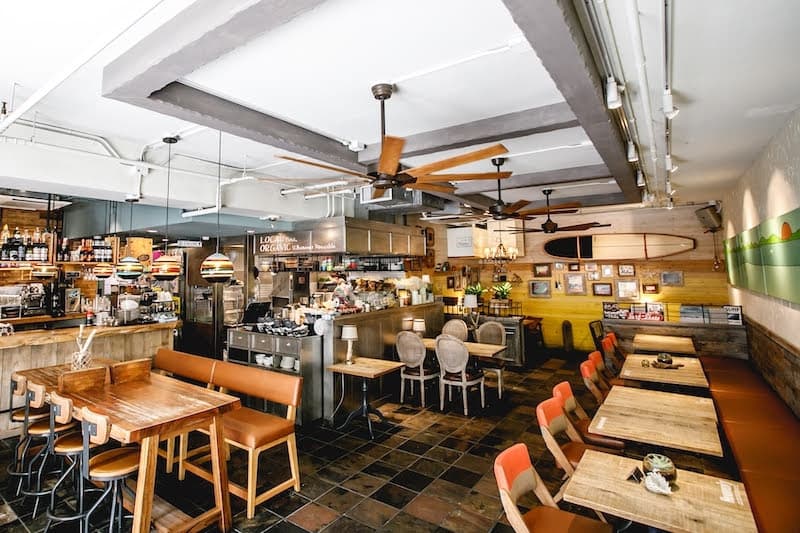
Family-Friendly Honolulu: Nature, Culture & Easy Beach Time
Weekend · $$

8 Romantic Days in Honolulu: Beach, Bites & Sunset Lights
Weekend · $$$
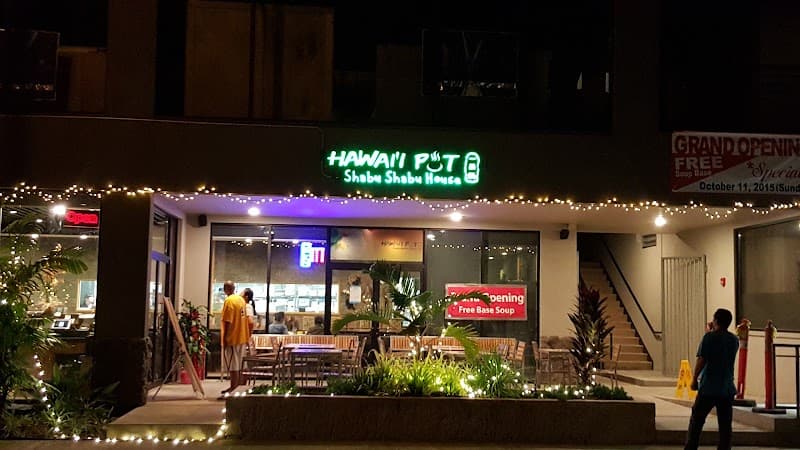
Wild Green Honolulu: A 3-Day Jungle-Coast Escape
Weekend · $$$
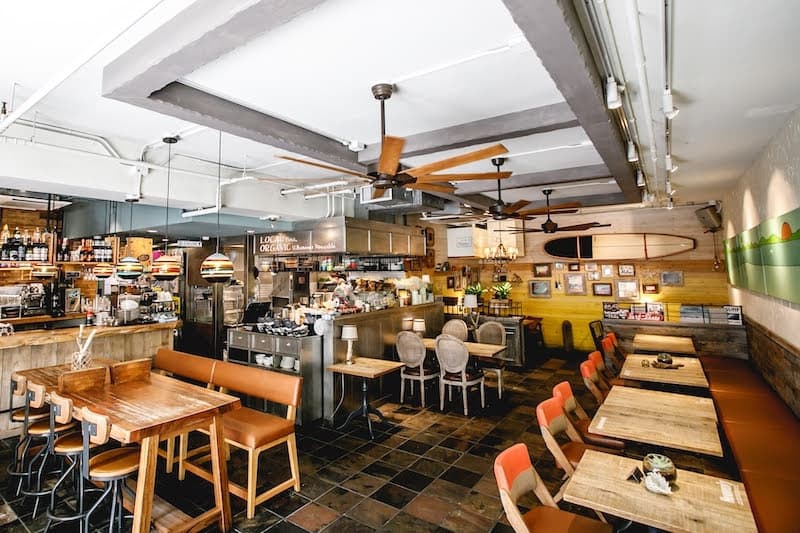
Jungle Shores: A 3-Day Honolulu Solo Escape
Day Trip · $$$

7 Romantic Days in Honolulu’s Wild Green Corners
Week · $$$
Where to Stay in Honolulu
9 recommended properties
The Surfjack Hotel & Swim Club
upscale · Mid-century surf culture meets modern boutique hotel. Think denim sofas, reed ceilings, pendant lights, and surfboards mounted in the open-air lobby. Deliberately retro, deliberately local. · 19.6/10
Halekulani
luxury · Polished, gracious, and deliberately unhurried. Think old-guard luxury with genuine service depth rather than fashionable design flourishes. The staff-to-guest ratio shows. Les Clefs d'Or concierge, historian-led legacy tours, daily hula and live jazz — it has the bones of a grand hotel that has been tending them for over a century. · 19.4/10
Wayfinder Waikiki
upscale · Design-forward tropical modernism — Brutalist bones, riot of color and pattern, local art everywhere, and a pool scene that actually has a pulse. · 18.2/10
Moana Surfrider, Waikiki Beach
luxury · Historic Beaux-Arts grandeur with Westin wellness DNA. Think grand staircase, soaring crown molding, and rocking chairs on the front porch, now paired with freshly renovated rooms and a top-tier oceanfront spa. The vibe is more romantic elegance than party resort — though the Beach Bar under the banyan tree keeps things lively at sunset. · 17.9/10
The Kahala Hotel & Resort
ultra-luxury · Old-money Hawaiian luxury. Think hushed, unhurried, and extremely well-staffed. The lobby has 30-foot floor-to-ceiling windows and two enormous stained-glass chandeliers. Rooms are large and classically appointed. It's the anti-Waikiki: residential neighborhood, no crowds, no hustle. · 15.8/10
White Sands Hotel
mid-range · Retro 1960s–70s Hawaiian walk-up. Think bamboo bars, koi ponds, swing seating, and vintage postcards made three-dimensional. Laid-back rather than resort-formal. · 15.5/10
Shoreline Hotel
The Royal Hawaiian
luxury · Historic grand resort with genuine character. Pink stucco arches, coconut grove gardens, beach cabanas, and a hushed elegance that feels nothing like the glass towers surrounding it. Think 1920s Hollywood glamour meets genuine Hawaiian hospitality.
The Ritz-Carlton Residences, Waikiki Beach
ultra-luxury · Residential luxury. Feels more like a very well-staffed private apartment than a hotel. Sleek, contemporary interiors. Calm energy. No resort-lobby chaos.
Money-Saving Tips
- 1.Book hotels directly — many offer free breakfast or resort credit that third-party sites don't include
- 2.Costco and Sam's Club sell discounted activity tickets if you have a membership
- 3.Happy hour at hotel bars runs 3-6pm with $8 cocktails instead of $18
- 4.City buses cost $3 per ride but day passes are only $7.50
- 5.Grocery shop at Foodland or Times Supermarket — hotel convenience stores charge 3x normal prices
- 6.Many beaches have free parking if you arrive before 8am
- 7.Matson Navigation offers car shipping from the mainland for $1,200 vs $2,000+ for rentals on long trips
Travel Tips
- •Bring reef-safe sunscreen — Hawaii bans chemical sunscreens that damage coral
- •Download offline maps — cell service gets spotty on the North Shore and in valleys
- •Pack a reusable water bottle — Hawaii has excellent tap water and filling stations everywhere
- •Learn basic Hawaiian words like 'aloha' (hello/goodbye) and 'mahalo' (thank you) — locals appreciate the effort
- •Respect beach access laws — all beaches in Hawaii are public, but parking might not be
- •Book restaurant reservations 2-3 days ahead for popular spots
- •Bring cash for food trucks and local markets — many don't take cards
- •Check surf conditions before swimming — winter brings big waves to north-facing beaches