Nusa Dua
Culture & Context
RESORT ENCLAVE IN HINDU BALI
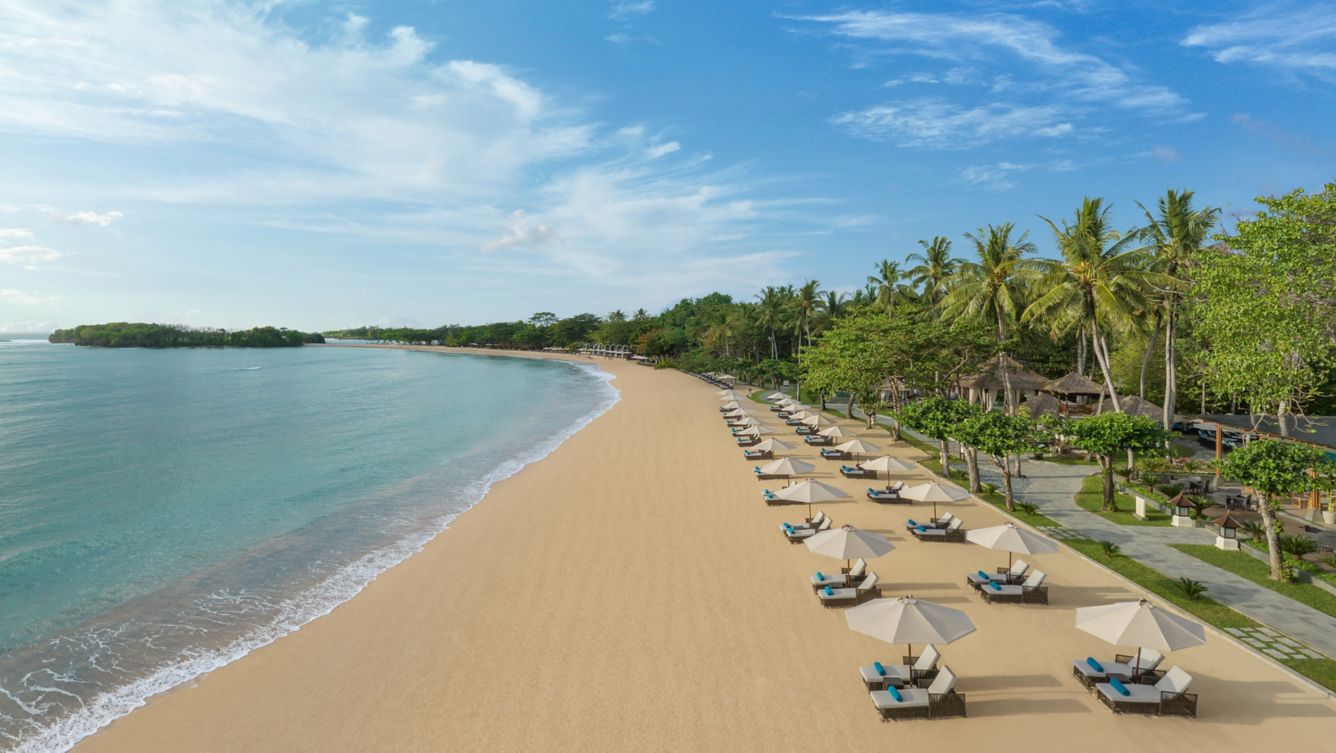
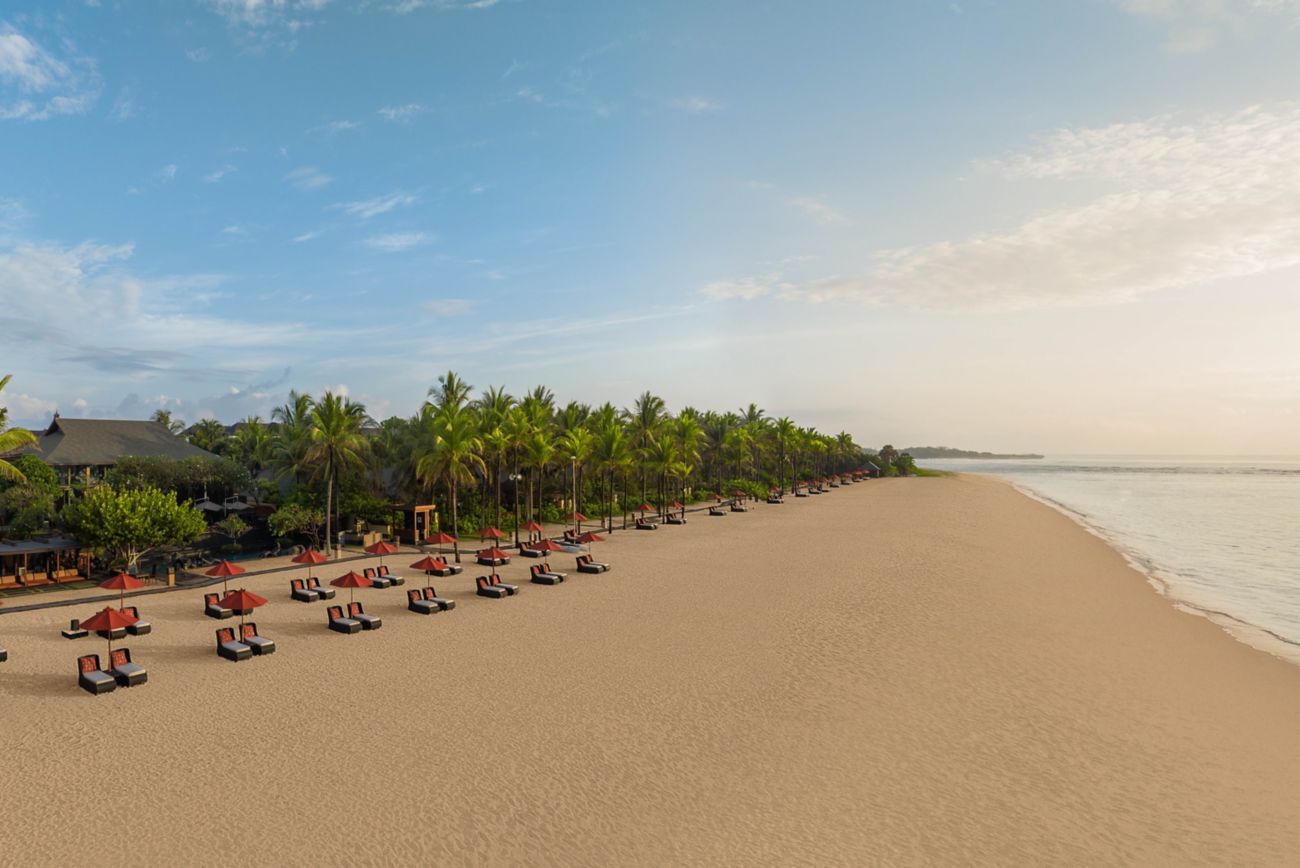
Nusa Dua is a deliberate construct. The Indonesian government built it from scratch in the 1970s through the Bali Tourism Development Corporation (BTDC), with the explicit goal of creating a controlled luxury zone on Bali's Bukit Peninsula. The name literally means "two islands," named after Nusa Gede and Nusa Dharma, two small island-like headlands. The idea: buffer foreign tourists from local Balinese life, and vice versa. That plan mostly worked — and people still debate whether that's a good thing.
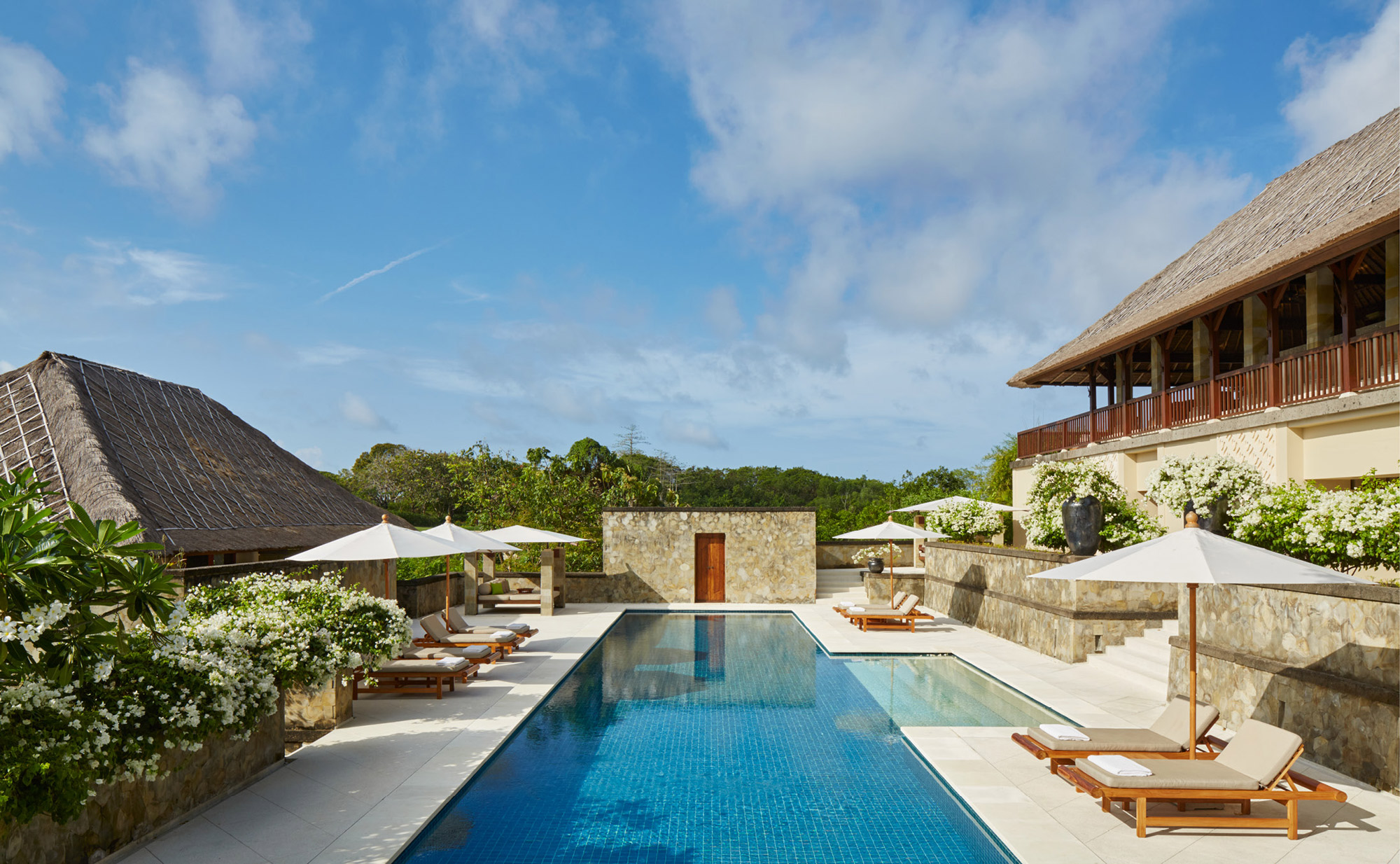
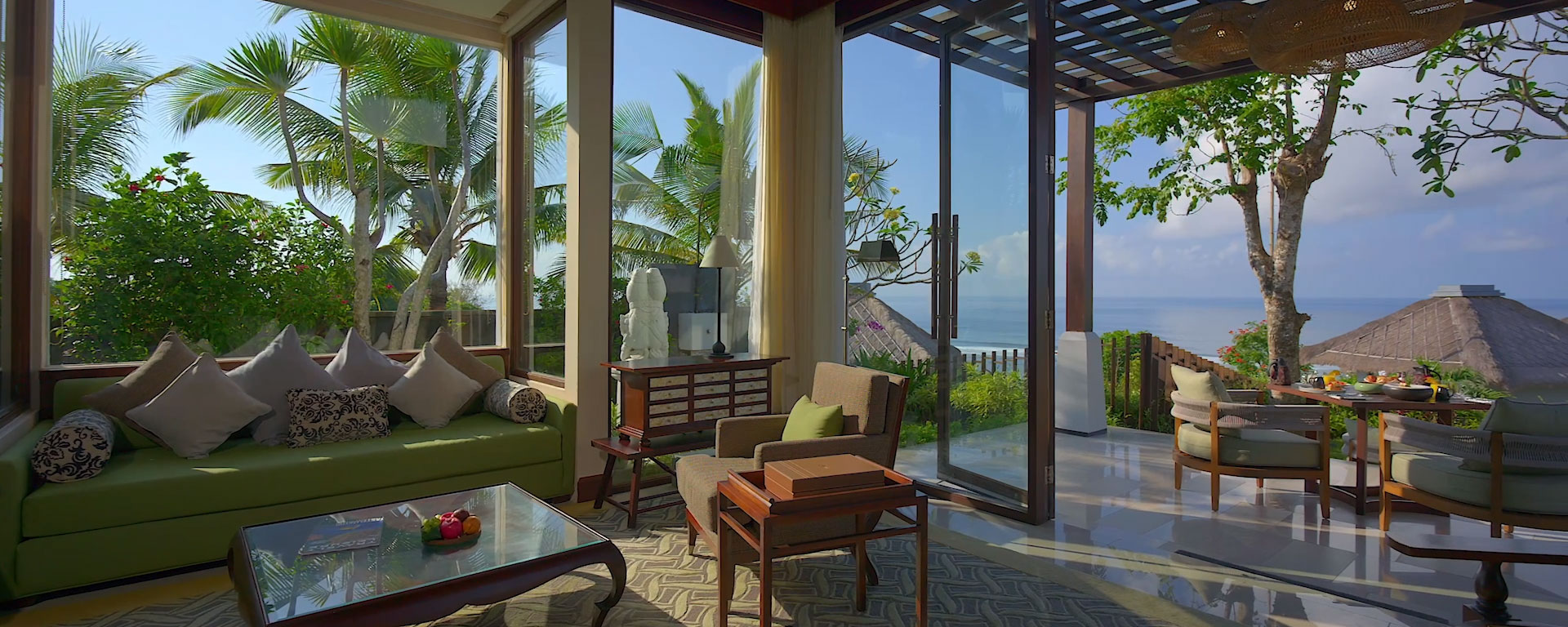
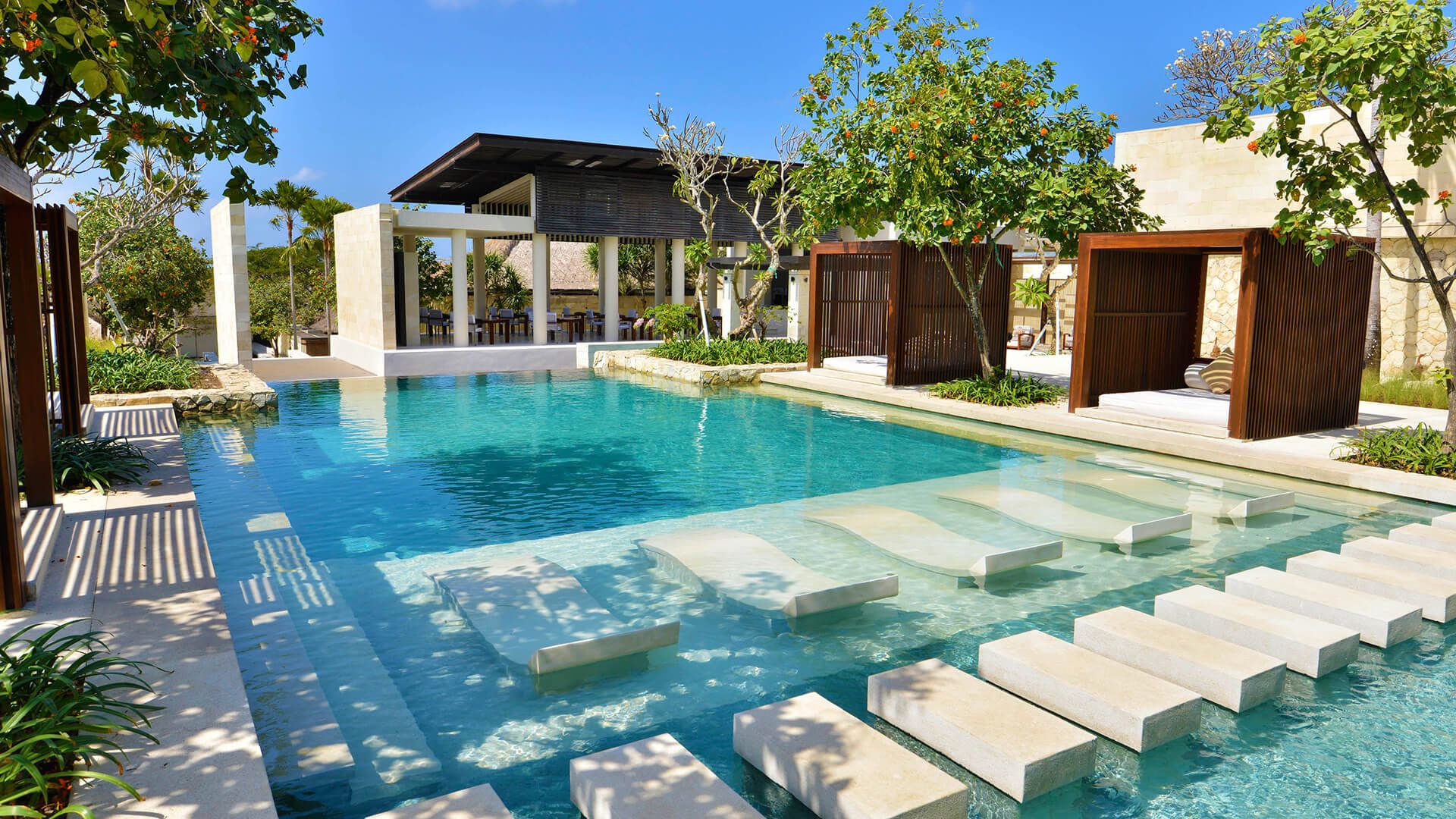
The result is 350 hectares of manicured lawns, wide roads, gated entrances, 24-hour security patrols, and more than 20 mostly five-star resorts. Eight of Bali's ten largest hotels are right here. You won't find random warung food carts or motorbike chaos. What you will find is a very polished version of Bali, clean, orderly, and stripped of some of the island's rawer edges.
But Bali's spiritual DNA is never far away. The Puja Mandala complex nearby holds all five of Indonesia's major religions (Hindu, Muslim, Catholic, Protestant, Buddhist) side by side — genuinely worth a walk-through. Seaweed farmers still work Geger Beach at dawn. Local Balinese daily offerings (canang sari) still appear at hotel entrances. The resort bubble is real, but Bali's Hindu identity seeps through everywhere.
cultural_context_headline: MANICURED RESORT KINGDOM
Local Customs
SARONG AT ALL TEMPLES
Always cover up with a sarong and sash when entering any temple — these are usually available for rent or loan at the entrance for about IDR 10,000. Shoulders should also be covered. This applies everywhere on the island, including the small temple on Geger Beach..
Never touch someone's head. In Balinese Hindu tradition, the head is considered the most sacred part of the body. Even an affectionate pat on a child's head is a serious faux pas..
Use your right hand when giving, receiving, or pointing at things. The left hand is considered unclean and handing over cash or food with it is genuinely rude, not just a cultural quirk.. Don't step on the small square flower-and-incense offerings (canang sari) you'll see on the ground everywhere — hotel steps, sidewalks, parking lots.
They're placed there daily as spiritual offerings and stepping on them is disrespectful.. Bali's new Quality Tourism rules are enforced hard in 2026. Working on a tourist visa is deportable.
Public indecency gets you deported. Disrespecting sacred sites now carries real legal consequences — the Bali government is no longer issuing polite warnings.. Single-use plastics are banned island-wide.
Bring a reusable water bottle and bag.. During Nyepi (Bali's Day of Silence, March 19, 2026), the entire island shuts down for 24 hours — no going outside, no lights, no noise, no flights in or out. Ngurah Rai Airport closes completely.
If you're visiting in March, plan accordingly.
Safety
VERY SAFE, MOSTLY
Nusa Dua ranks among the safest places in all of Bali. The ITDC complex runs 24-hour security, the roads have actual curbs and guttering (rare in Bali), and the gated environment filters out the petty-scam economy that operates in Kuta or Seminyak. Solo female travelers rate it 4.2/5 for safety — 4th safest in all of Indonesia.
Real risks are minor but worth knowing. Dodgy money changers advertising absurd exchange rates operate near the complex perimeter — use ATMs at licensed banks or the authorized changers inside resorts. Unofficial taxi drivers play price games; use Grab or Gojek apps instead (note: some hotel gates require you to meet drivers at the perimeter entrance rather than inside). Dengue fever is present year-round; wear repellent, especially at dusk. For medical emergencies, BIMC Hospital has a branch in Nusa Dua with English-speaking doctors.
Indonesia has some of the world's strictest drug laws — possession means serious prison time, no exceptions, no negotiating. Bali's authorities have also dramatically stepped up enforcement of tourist conduct codes since 2024. Public indecency, disrespecting temples, and aggressive behavior toward officials now result in immediate legal action and deportation. The island is serious about this.
safety_headline: VERY SAFE, STAY SHARP
Getting Around
PRIVATE DRIVERS & RIDE APPS
Nusa Dua is one of the few places in Bali where you genuinely don't need a scooter. The resort complex is built for wide roads and hotel shuttles. Most five-star properties offer complimentary golf cart transfers between hotels within the BTDC zone. For getting around, here are your real options:
Grab & Gojek (Bali's Uber equivalents) work well for short trips. One catch: the gated resort zone means drivers sometimes can't enter the complex itself. You may need to walk to the main gate entrance to be picked up — takes 1-2 extra minutes, totally normal. For longer day trips to Uluwatu, Jimbaran, or Ubud, a private driver hired through your hotel or a trusted local agency is the cleanest option. Expect IDR 600,000–900,000 (~$40–55 USD) for a full day.
From the airport: the Bali Mandara Toll Road cuts straight across Benoa Bay to Nusa Dua — 20-30 minutes depending on traffic. Most resort hotels include complimentary airport transfers. The toll itself costs around IDR 7,500 for cars.
Scooter rentals are possible but not recommended here. Some hotel parking areas place scooter bays far from room entrances. And honestly, Nusa Dua's controlled streets make scooters feel unnecessary compared to the chaos of Canggu or Seminyak where they shine.
transport_headline: PRIVATE DRIVERS RULE
Useful Phrases
Where to Stay in Nusa Dua
7 recommended properties