Noto
Culture & Context
cultural_context_headline: BAROQUE REBORN FROM RUBBLE
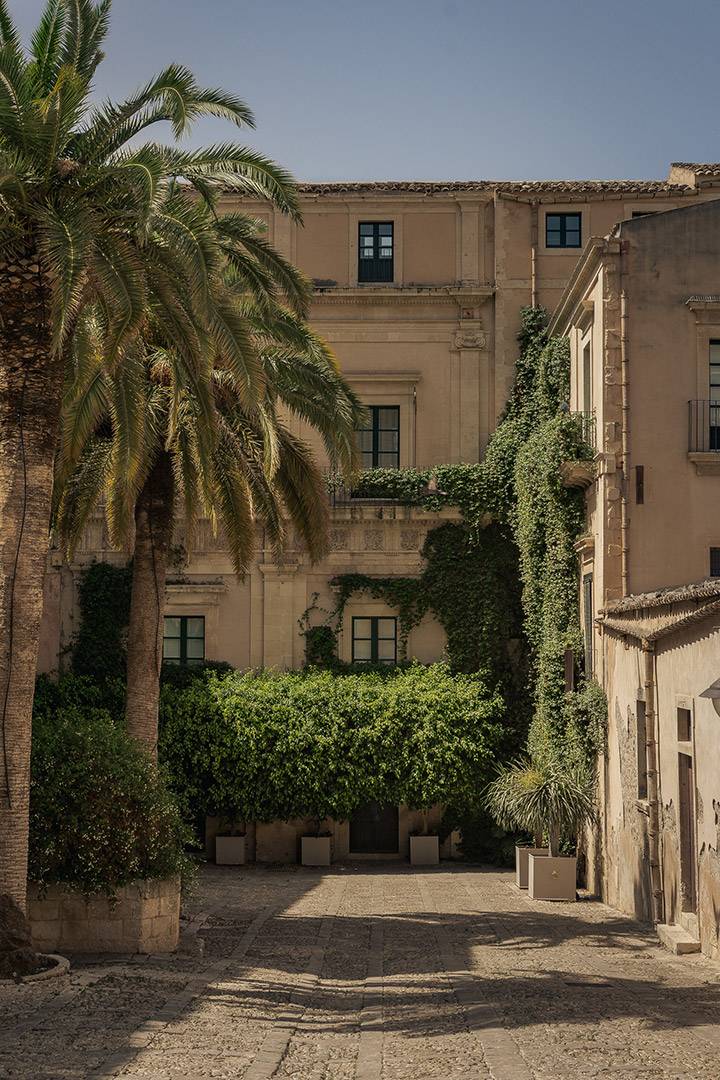
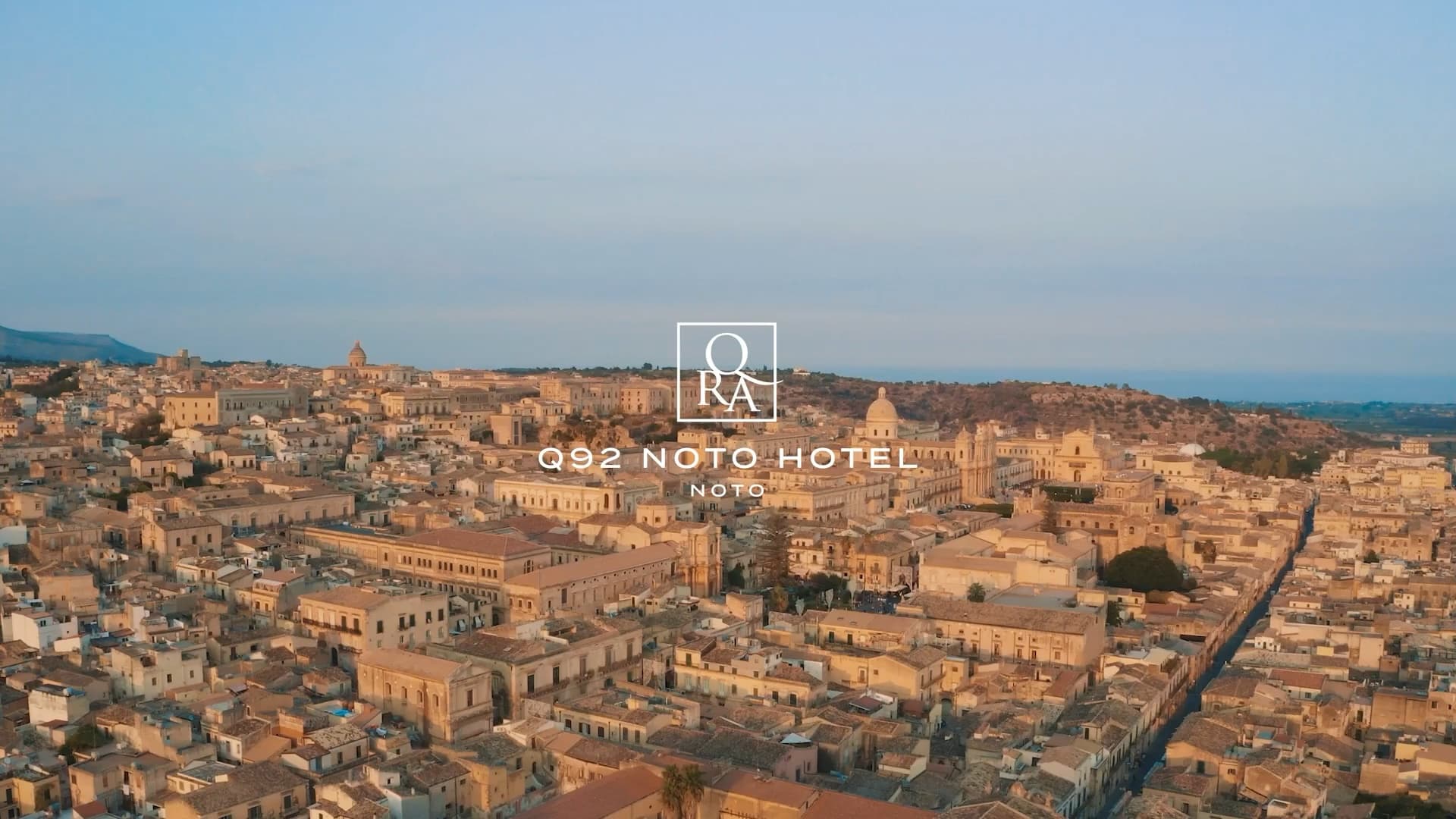
Noto is not an ancient town preserved by luck. It's a deliberate act of beauty. After the catastrophic earthquake of January 11, 1693, leveled the original city, architects Rosario Gagliardi, Vincenzo Sinatra, and Paolo Labisi rebuilt it entirely from scratch on a new site, using soft golden limestone that literally glows in the afternoon sun. The result is what UNESCO called one of the finest examples of late Baroque urban planning in the world. Locals call it "Il Giardino di Pietra" — the Stone Garden. The whole city unfolds along one main street, Corso Vittorio Emanuele, in a tightly choreographed sequence of churches, palaces, and piazzas. It feels theatrical, but it's still a lived-in place. Kids play football in the same squares tourists photograph. Retired men crowd café tables in the shade. White Lotus Season 2 put Noto on the map for a new generation of travelers, so tourist numbers have climbed since 2022, but it still feels far less overwhelmed than Taormina. The big draw is the architecture, of course, but the food culture is serious too. Caffè Sicilia on Corso Vittorio Emanuele (no. 125) has been making almond granita since 1892 and was featured on Netflix's Chef's Table. The surrounding Val di Noto region also produces Nero d'Avola, one of Sicily's most important red wines. Come for the buildings, stay for the granita and the golden evening light.
Local Customs
The evening passeggiata is non-negotiable social ritual.
From around 6–9pm, everyone takes a slow stroll along Corso Vittorio Emanuele. Join it.
Order a granita, sit on the cathedral steps, and watch the town decompress.. The afternoon riposo runs roughly 1–4pm in summer. Smaller businesses, some pharmacies, and even a few sights go dark.
Plan your lunch before 1pm or after 4pm, or you may find yourself wandering closed streets wondering if it's a holiday.. Dinner starts late. Restaurants open between 7–7:30pm and don't really fill up until 8:30pm.
An empty restaurant at 7pm is not a bad sign — nobody is there yet.. Tipping is not mandatory in Sicily and never was. Rounding up or leaving 5–10% at a restaurant is appreciated in tourist areas, but locals don't tip in the same way northern Europeans or Americans do..
Dress modestly for churches. Shoulders and knees covered. It's enforced, especially at the Cathedral of San Nicolò.
Keep a light scarf in your bag.. Sicilians give a single quick upward nod of the head to mean 'no', sometimes accompanied by a click of the tongue. This is the opposite of what most northern Europeans and Americans expect, and it causes real confusion..
Coffee culture is precise. A cappuccino is a morning drink only — ordering one after a meal will earn you a strange look. After lunch or dinner, it's espresso.
Standing at the bar is cheaper than sitting at a table.. Fresh produce matters enormously here. The tomatoes come from Pachino, almonds are local, and the blood oranges are Sicilian.
People talk about where their food comes from the way others talk about wine vintages.
Safety
safety_headline: VERY SAFE, WATCH YOUR STUFF
Noto is one of the safest places in Sicily. The UNESCO Baroque towns of the Val di Noto — Noto, Modica, Ragusa — have an absence of significant crime and a notably slower, more relaxed pace of life compared to larger Sicilian cities. Pickpocketing, the main issue in Palermo and Catania markets, is essentially unheard of in small towns like Noto. Standard precautions still apply: don't leave valuables visible in rental cars (vehicle break-ins are a Sicily-wide issue on tourist routes), and keep your bag slung across your body rather than hanging off one shoulder. The historic center has ZTL restricted traffic zones, which are camera-enforced. Don't drive into them. Locals with permits do, tourists get fines. For women traveling solo, Noto is generally very comfortable. Sicily has a conservative social culture, so dressing modestly helps you blend in, especially when entering churches. Verbal attention from young men is possible but rare in a town this small and relaxed. Heat is the main physical hazard. Noto sits inland, and August can push temperatures past 40°C/105°F. Explore early morning or after 4pm. The afternoon riposo from roughly 1–4pm is real: shops lock up, pharmacies flip their signs, and if you show up at a restaurant at 2:30pm expecting lunch service, you'll be out of luck.
Getting Around
transport_headline: WALK THE CENTER, CAR FOR EVERYTHING ELSE
The historic center of Noto is small and completely walkable. Everything on Corso Vittorio Emanuele — the Cathedral, Palazzo Nicolaci, Palazzo Ducezio, the main churches — is within easy reach on foot. Comfortable shoes are non-negotiable because the streets are hilly, cobblestoned, and hard on anything but flat soles. Outside the center, you need a car. Beaches, Vendicari Nature Reserve, Noto Antica, Modica, Ragusa — essentially none of these are practically reachable without one. Public transport does exist but isn't reliable or flexible enough for real regional exploration.
Getting to Noto: Fly into Catania Fontanarossa (CTA), 90km away. From the airport, the Interbus runs a direct service to Noto for around €9 each way, taking about 90 minutes. From Syracuse, there's a direct bus that takes about an hour — the easiest public transport option if you're already based there. Trains require a change at Syracuse, and Sicilian train schedules can be unpredictable, so always check Trenitalia or Trainline in advance. Car rental from Catania is straightforward and makes the whole region accessible. Be aware of ZTL zones (Zona Traffico Limitato) in Noto's historic center — cameras enforce them and fines come by mail, sometimes weeks later. Park at the edge of the center and walk in.
Useful Phrases
Where to Stay in Noto
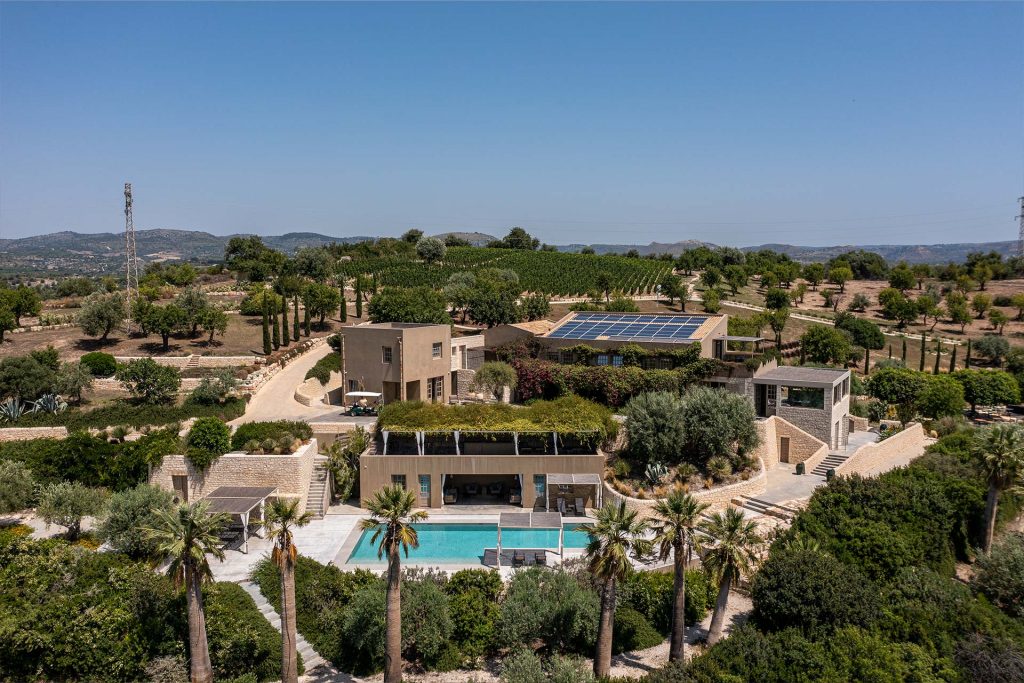
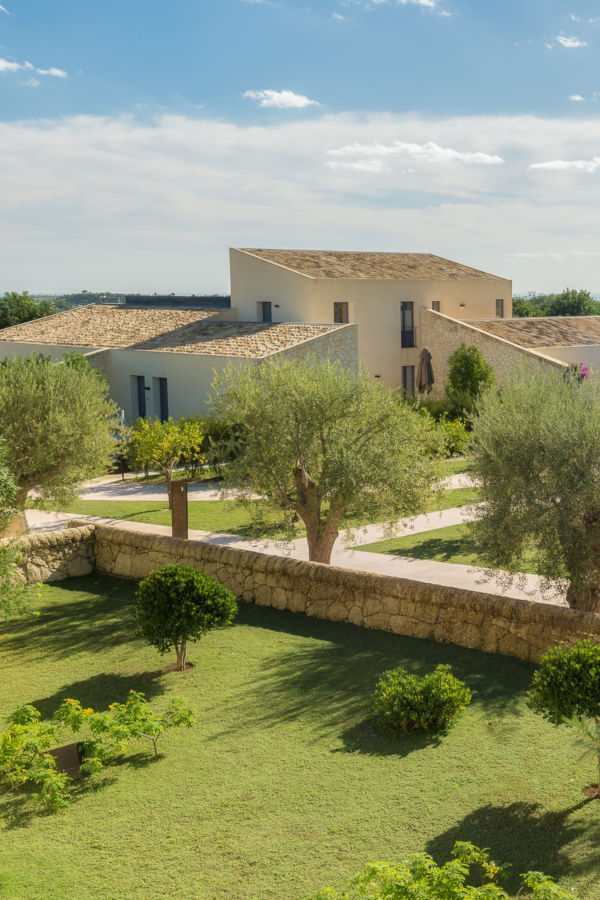
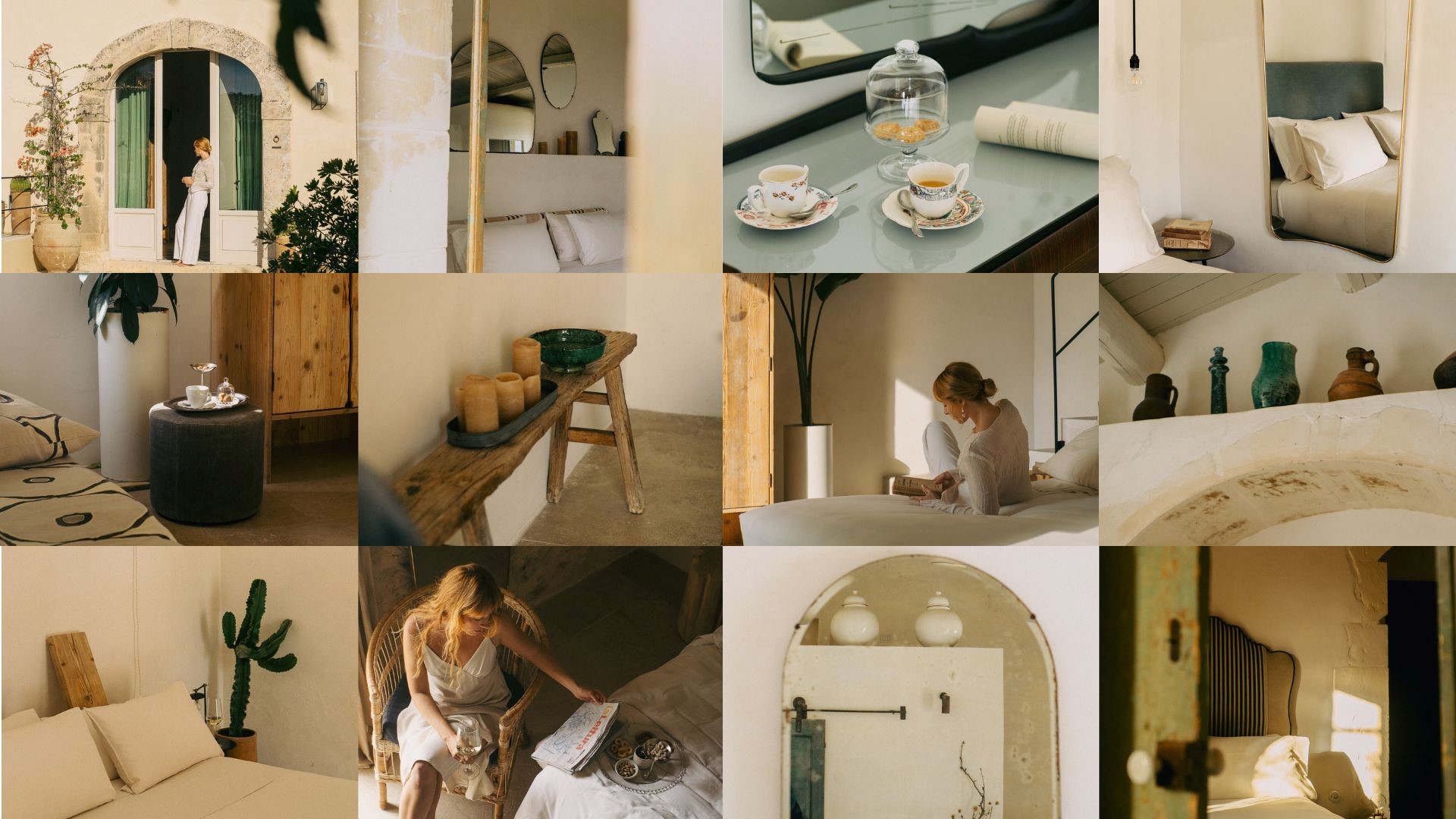
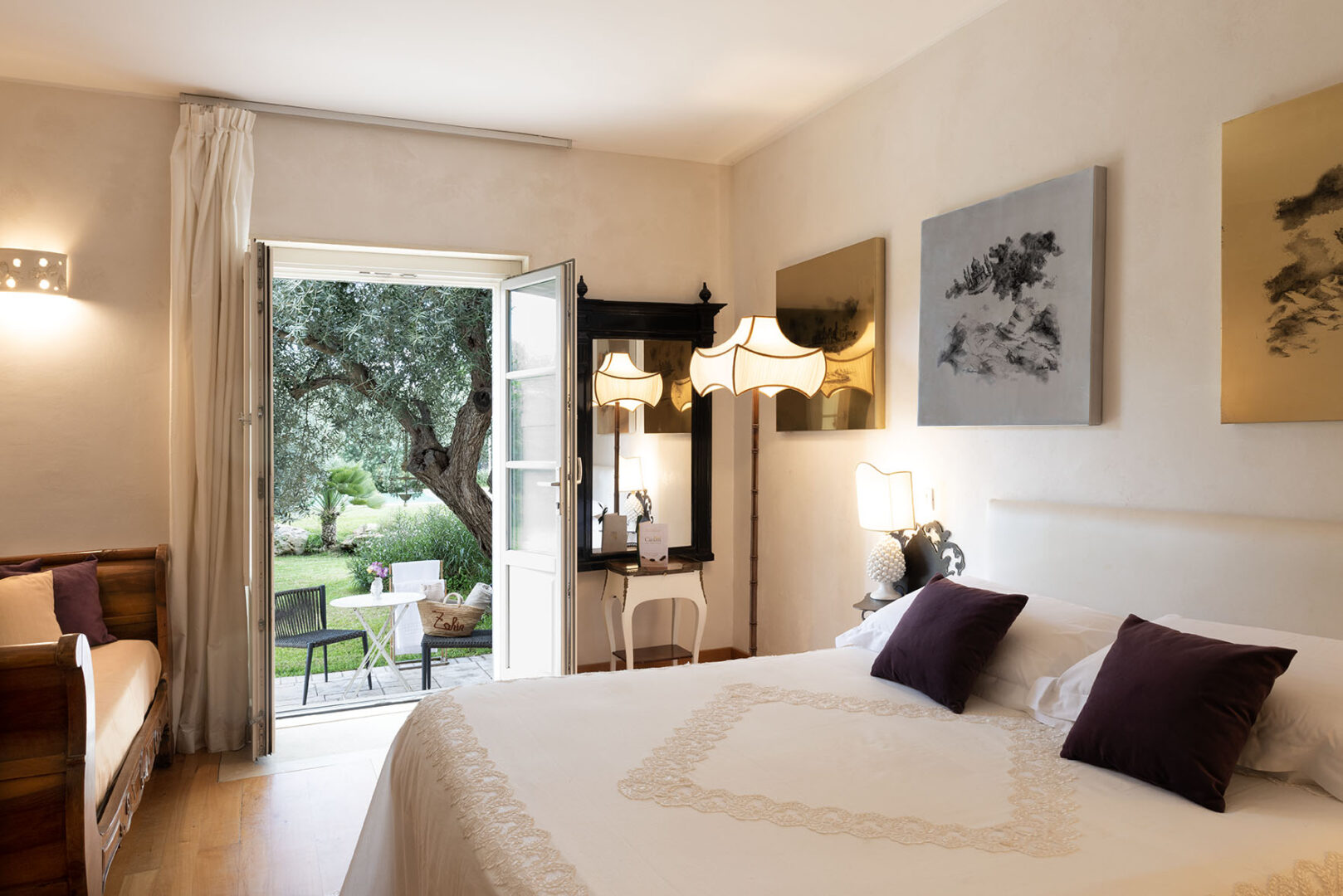
9 recommended properties