Phoenix Metropolitan Area
Desert Oasis with Year-Round Sunshine and Southwestern Flair
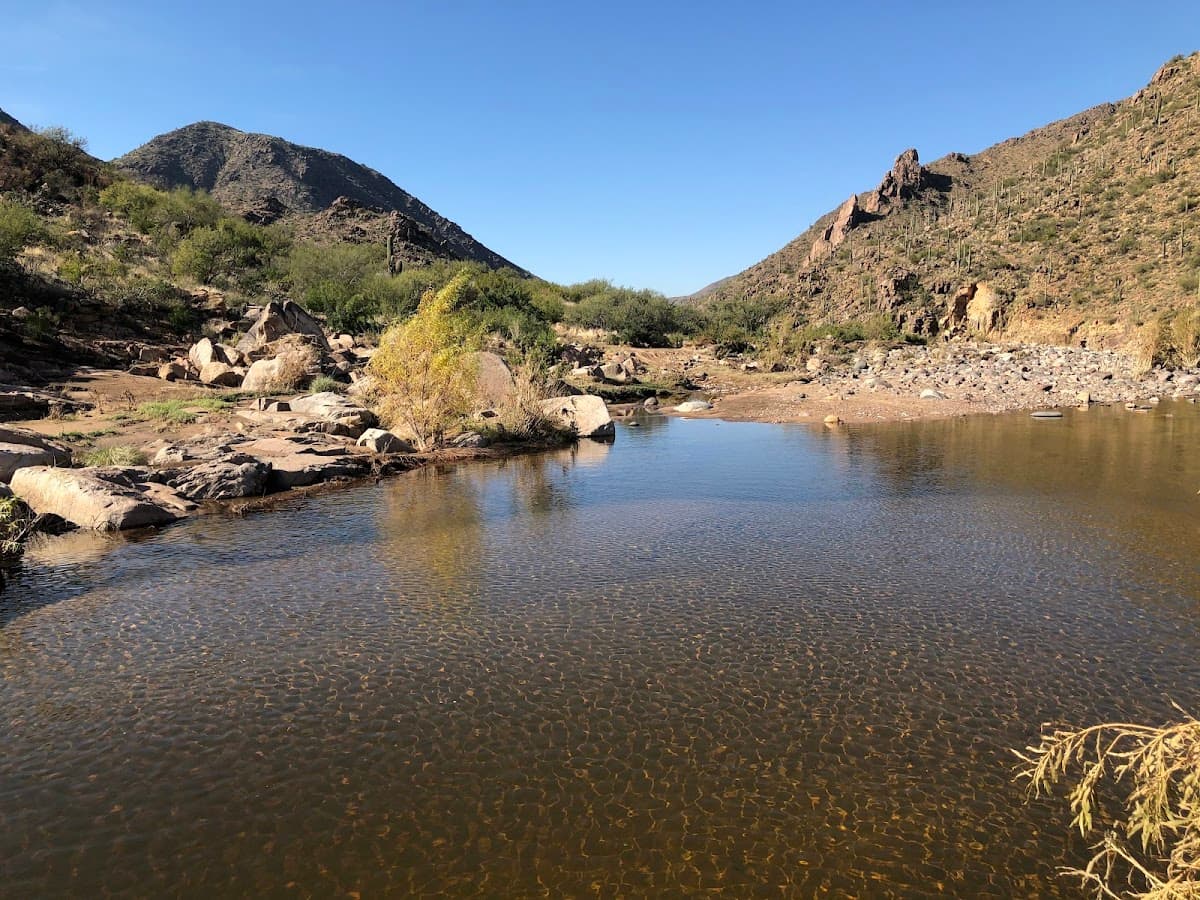
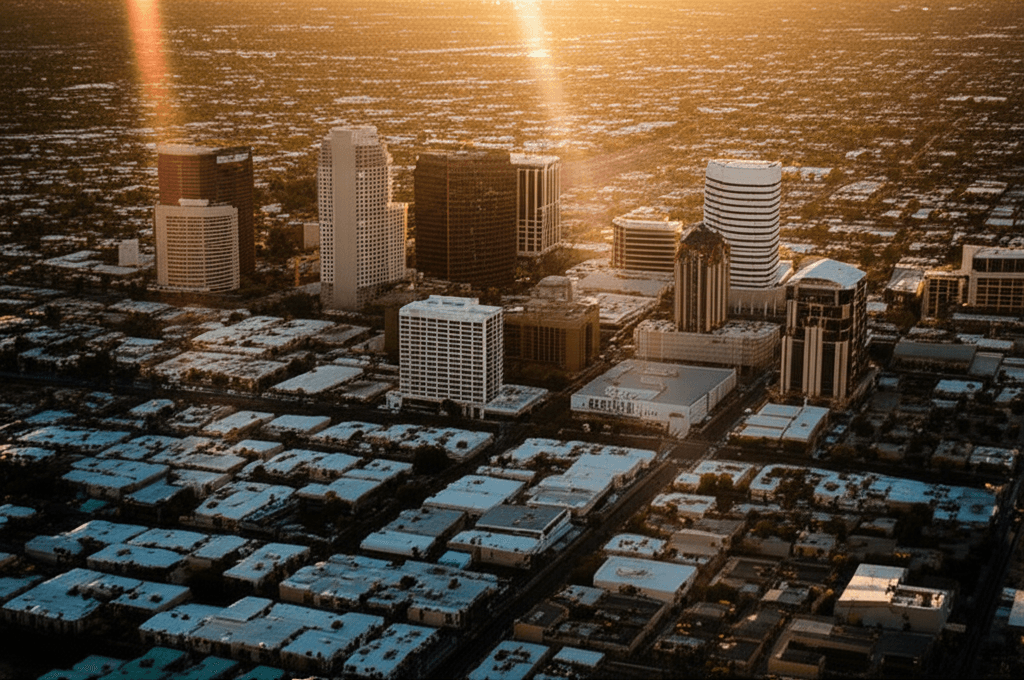
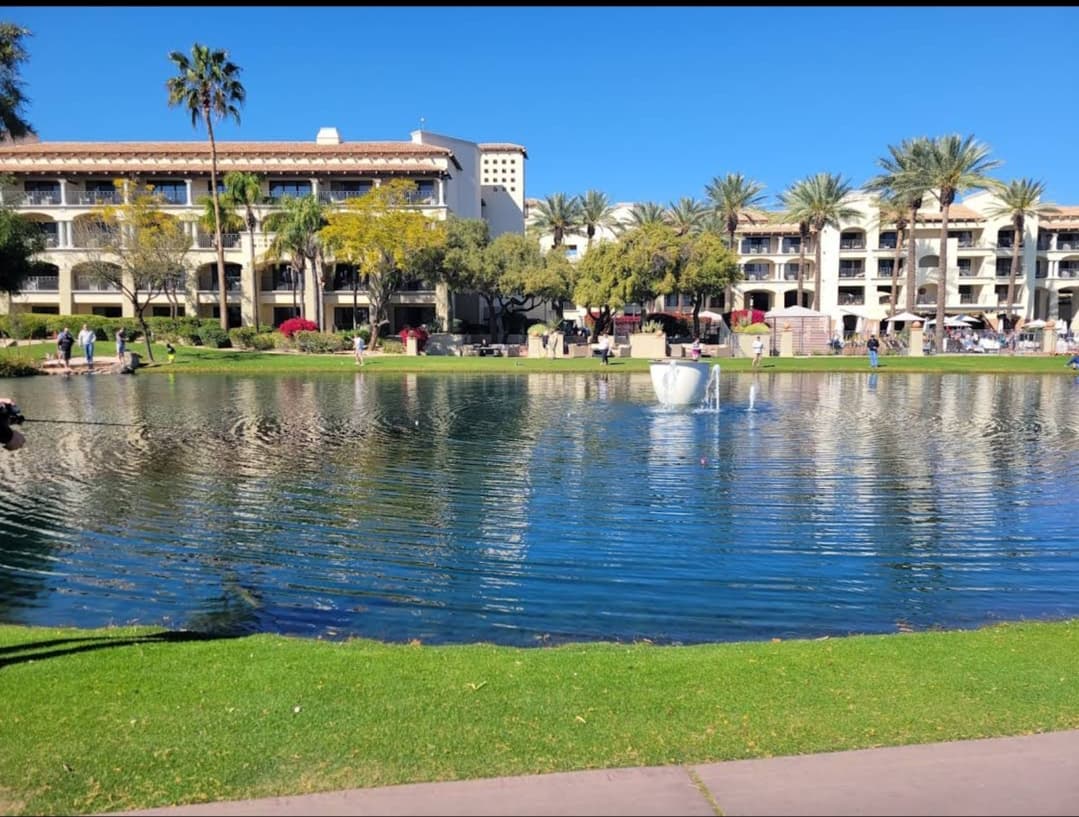
Phoenix sprawls across the Sonoran Desert like a modern mirage – all glass towers, resort pools, and red rock mountains on the horizon. This isn't your typical desert town. The Valley of the Sun has grown into America's fifth-largest city, where tech billionaires build compounds in Paradise Valley and snowbirds flock to Scottsdale's championship golf courses. But strip away the luxury veneer and you'll find hiking trails that lead to ancient petroglyphs, taquerias serving the best carnitas outside Mexico, and sunsets that paint the McDowell Mountains purple every single night. The weather stays perfect from October through April – which explains why half of Chicago seems to relocate here each winter.
Culture & Context
GANDHI'S LEGACY TOWNSHIP
Phoenix is a sprawling Sun Belt metropolis of 1.65 million people — the 5th largest city in the U.S.
— with a metro population pushing 5 million. The city's cultural identity is genuinely diverse: roughly 42% of residents identify as Hispanic or Latino, and Indigenous culture has deep roots here, especially visible at institutions like the Heard Museum. Phoenix isn't really one city — it's a patchwork of distinct communities stitched together by freeways.
Scottsdale leans luxury resort and golf. Tempe is college-town energy anchored by ASU. Chandler and Gilbert are tech-suburb sprawl.
The creative class has taken root in Roosevelt Row and the Melrose District. The outdoor lifestyle isn't optional — it shapes everything, from 5 AM trail runs up Camelback Mountain to weekend escapes to Sedona or the Rim. Locals are unapologetically car-dependent, and most of Phoenix's social life happens indoors during the brutal summer months (June–September, with temps routinely above 110°F).
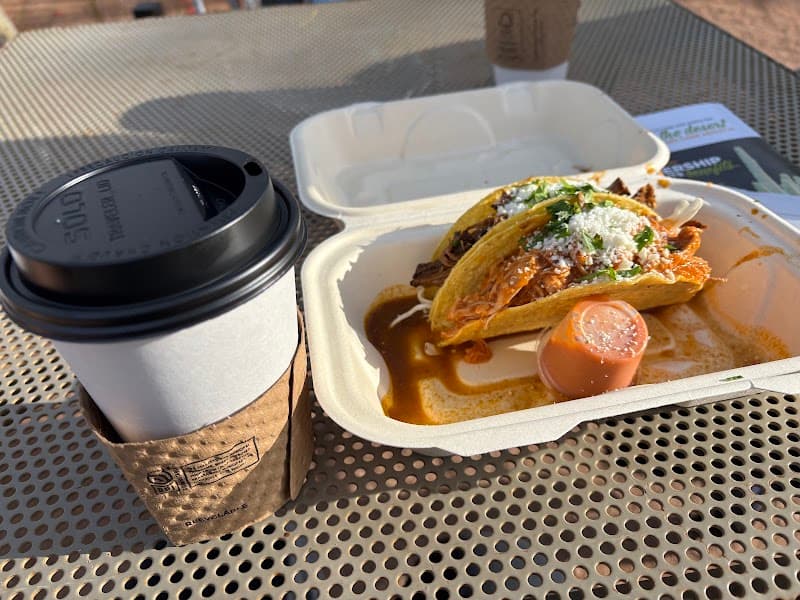
Winter is when the city truly comes alive, drawing snowbirds and event organizers alike. The food scene is anchored by Sonoran-style Mexican cuisine — think bacon-wrapped hot dogs, green chile everything, and machaca tacos — alongside a growing roster of James Beard-recognized restaurants.
Local Customs
GREET ELDERS FIRST
The outdoor schedule runs backwards from most cities. Locals hike, bike, and do outdoor activities at dawn (before 8 AM) or after sunset. Midday outdoor plans from June through September are genuinely dangerous — heat exhaustion and rescues off Camelback Mountain are a regular news story..
Tipping culture follows standard U.S. norms: 18–20% at sit-down restaurants, $1–2 per drink at bars, 15–20% for rideshare.
Phoenix locals tip on the higher end at full-service restaurants.. Car culture is absolute. Don't show up expecting to walk between destinations or rely on Uber as your main transport — distances are vast and rideshare surge pricing during events is brutal.
Rent a car if you're exploring beyond downtown.. Snowbird awareness: October through April, the population visibly swells with winter visitors from colder states. Restaurant wait times increase, roads get more congested, and prices at resorts creep up.
Locals know this season and plan accordingly.. Water obsession is real. Locals carry insulated water bottles everywhere year-round, not just in summer.
Offering someone a cold drink or having water available is a genuine gesture of hospitality here.. First Fridays in Roosevelt Row (the first Friday of every month) is a legit local tradition — free art walks, open galleries, food trucks, and street performers. Go early (6–8 PM) before it gets packed..
Respect Indigenous culture. The Phoenix area sits on the ancestral lands of the Akimel O'odham (Pima) and Pee Posh (Maricopa) peoples. The Heard Museum is considered essential, not just touristy.
Don't vandalize or touch petroglyphs at sites like South Mountain — it's both illegal and deeply disrespectful.. Sports fanaticism runs deep. The Valley has NFL (Cardinals), MLB (Diamondbacks), NBA (Suns), NHL (Coyotes moved to Salt Lake City but the market still loves hockey), and WNBA (Mercury).
During baseball playoffs or March Madness, bar TVs are non-negotiable.. Check your shoes in the morning. Scorpions are real, not just a cautionary tale.
They love dark, cool spots — inside shoes left on the floor, under bath mats, in garage corners.
Safety
AWARE & ACCOMPANIED
Phoenix is moderately safe for tourists, with some clear neighborhood distinctions you should know before arriving. Most tourist areas — Scottsdale, Roosevelt Row, Old Town, North Phoenix, and the Biltmore corridor — are well-patrolled and generally fine during day and evening hours. Central Phoenix and South Phoenix have higher crime rates, particularly after dark, and first-time visitors should avoid walking alone in poorly lit areas downtown at night.
Car theft is a real and above-average risk across the metro — never leave valuables visible in your vehicle, and park in well-lit or secured lots. The single biggest safety risk in Phoenix is actually the heat, not crime. Temperatures regularly exceed 110°F from June through August.
Avoid hiking between 10 AM and 4 PM in summer, always carry far more water than you think you need (minimum 1 liter per hour of outdoor activity), and know the signs of heat exhaustion. Multiple tourist rescues occur on Camelback Mountain every summer. Wildlife is another Phoenix-specific concern: scorpions, rattlesnakes, and coyotes are present throughout the metro, not just in remote areas.
Check your shoes in the morning and watch your step at dusk and dawn on hiking trails. The LGBTQ+ community is generally welcome in neighborhoods like the Melrose District and Roosevelt Row, though awareness is advised in more conservative suburban areas. Waymo, Uber, and Lyft are all reliable and safer than walking alone at night — use them.
Emergency: 911. Non-emergency Phoenix Police: (602) 262-6151. Heat emergency tip line via Phoenix Fire: (602) 262-6771.
Getting Around
UBER & MINIBUS TAXIS
Honest truth: Phoenix is one of the most car-dependent large cities in the country. If you're staying only in downtown or Tempe, you can get by without one. Everywhere else, you'll need wheels.
Valley Metro Light Rail connects northwest Phoenix through downtown to Tempe and Mesa — 41 stations, 29.8 miles, running 18–22 hours per day, seven days a week. A single ride is $2, an all-day pass is $4 at station vending machines (or $6 if bought on board a bus).
The rail hits key spots: Heard Museum, Phoenix Art Museum, Chase Field, PHX Arena, Arizona State University, and the airport connection via the PHX Sky Train driverless people mover. Valley Metro Bus covers 104 routes across 525 square miles, with most routes running every 30 minutes or better, including weekends. Get a reloadable fare card — it makes bus-to-rail transfers seamless.
Waymo autonomous vehicles operate 24/7 in downtown Phoenix, Scottsdale, and at Sky Harbor Airport — genuinely useful for night-out situations. Uber, Lyft, and traditional taxis (Yellow Cab) all operate throughout the metro, but surge pricing during major events (Suns games, concerts, WM Phoenix Open week) can be punishing — budget accordingly. E-scooters are available in downtown Phoenix and must be parked in designated zones marked by white poles.
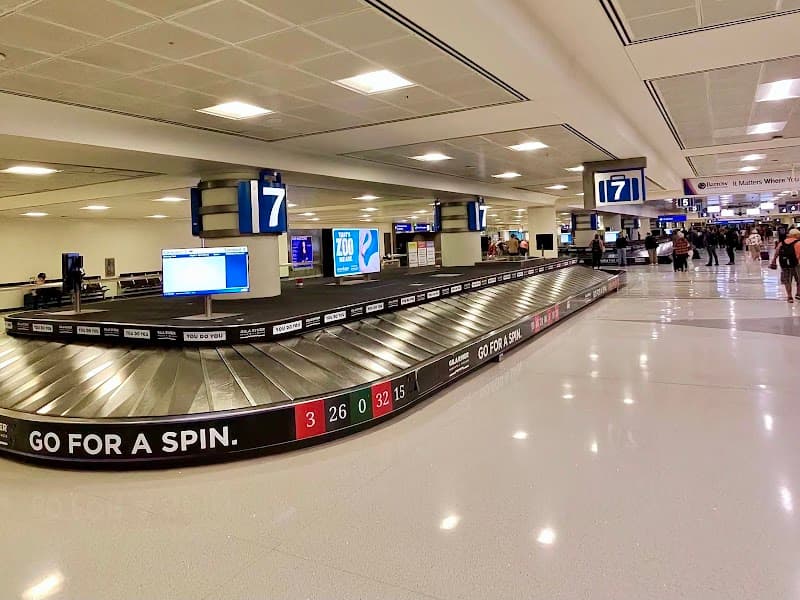
Canal paths wind through the entire metro for miles and are excellent for biking between neighborhoods — bikes are available at rental shops in most central areas. The Transportation 2050 plan is bringing 75 miles of Bus Rapid Transit lanes and 1,000+ miles of additional bike lanes by 2050, so the city is slowly becoming more bikeable. For airport transit: the PHX Sky Train connects Terminal 4 to the light rail 44th Street/Washington station for a cheap, traffic-free downtown ride.
Useful Phrases
Explore Cities
Explore the Region

Money-Saving Tips
- 1.Visit June through September when resort rates drop 50% – just plan activities for early morning and late evening
- 2.Buy Arizona State Parks passes for $75 annually if you're staying more than a week – saves money on multiple hiking spots
- 3.Happy hours run 3-6 PM at most restaurants with half-price appetizers and $5 craft cocktails
- 4.Shop at Costco or Fry's for groceries – resort markets charge $8 for a bottle of water
- 5.Use hotel pools during the day instead of paying for water parks – most Phoenix resorts have incredible pool complexes
- 6.Download parking apps downtown to avoid $25 parking tickets – street meters are strictly enforced
- 7.Book spa treatments at local day spas instead of resort spas – same desert stone treatments for half the price
Travel Tips
- •Pack sunscreen SPF 50+ and reapply every hour – desert sun reflects off concrete and burns faster than you think
- •Carry water bottles everywhere from May through October – dehydration happens quickly in dry desert air
- •Start hiking trails by 6 AM in summer months – temperatures climb 10 degrees every hour after sunrise
- •Book restaurant reservations 2-3 days ahead during peak season (January-March) when snowbirds arrive
- •Rent cars with light-colored interiors – black leather seats become unusable in summer heat
- •Keep jumper cables in your car – extreme heat kills car batteries faster than cold weather
- •Download offline maps – cell service gets spotty in mountain hiking areas like South Mountain Park
Frequently Asked Questions
BUILD YOUR
PHOENIX METROPOLITAN AREA PLAN
Insider picks, smart timing, and a plan ready when you are.
Start Planning