Grand Canyon Village
Gateway to the canyon with historic charm and amenities
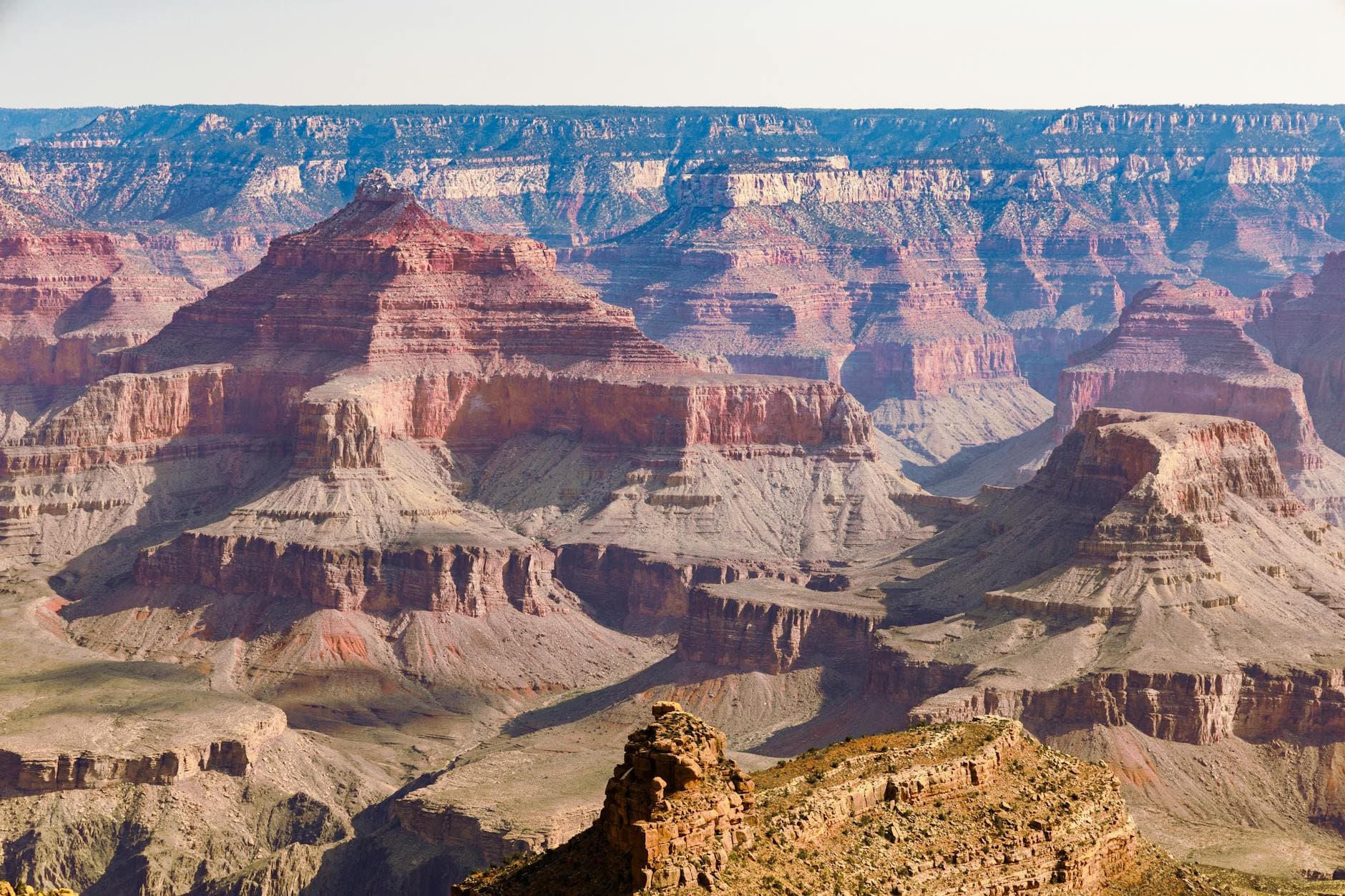
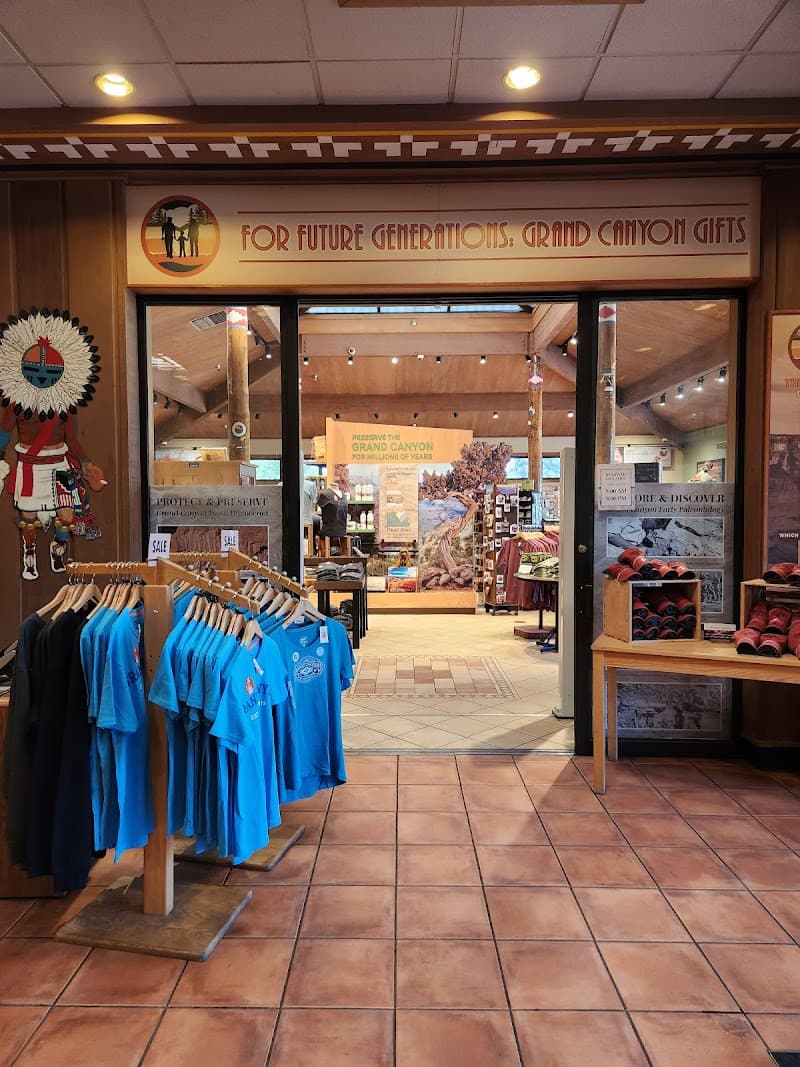
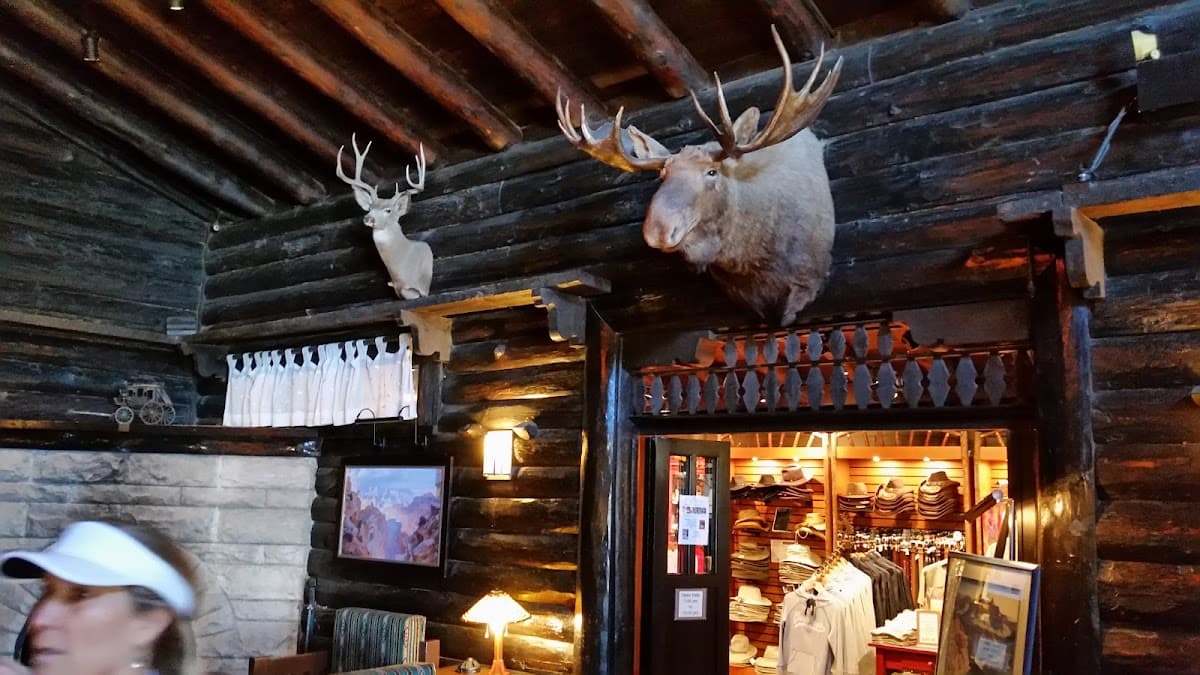
Grand Canyon Village sits right on the South Rim, making it the most convenient base for exploring America's most famous natural wonder. This historic settlement has been welcoming visitors since the early 1900s, and it shows — in the best possible way. You'll find rustic lodges built from local stone, a train depot that still welcomes the Grand Canyon Railway, and walkways that lead directly to some of the canyon's most spectacular viewpoints. The village manages to balance tourist infrastructure with genuine charm, offering everything from fine dining to gift shops without feeling overly commercialized. It's small enough to walk everywhere, but packed with enough amenities to keep families, couples, and solo travelers comfortable for several days.
Best Months
APR · MAY · SEP · OCT
~20°C · high crowds
Culture & Context
INDIGENOUS LAND, COLTER'S VISION
Grand Canyon Village sits on land that Indigenous peoples have called home since long before any national park boundary existed. The Havasupai, Hopi, Navajo, Zuni, and other tribes have deep, ongoing relationships with the canyon — this isn't ancient history. Hopi House, built in 1904 and designed by architect Mary Jane Colter, still operates as a retail outpost and gallery for high-quality Native American crafts including jewelry, baskets, rugs, and kachinas.
Buying here supports Indigenous artisans directly. The village itself is a National Historic Landmark District with 247 buildings, and many of the park's iconic structures — Bright Angel Lodge, Lookout Studio, the Desert View Watchtower — came from Colter's hand. She designed eight buildings total for the canyon and drew inspiration from Indigenous architecture.
El Tovar, the grand lodge opened in 1905, was built from local limestone and Oregon pine and initially operated by the Fred Harvey Company. It set the tone for the South Rim as an upscale destination rather than a frontier outpost. The murals inside El Tovar's dining room represent the Apache, Mojave, Hopi, and Navajo cultures.
Look at them. They're actually worth your time.
Local Customs
HIKE SMART, SHUTTLE SAVVY
Shuttle etiquette is real: collapse your stroller before boarding, don't eat or drink on the bus, and give up seats for elderly and mobility-impaired passengers. People notice.. The park entrance is cashless.
Credit or debit card only at the pay stations. No exceptions. Don't be that person who holds up the line looking for cash..
Mule trains have right of way on every trail. When you see one coming, step to the uphill side, stop moving, and stay quiet until they pass. This isn't a suggestion..
Do not feed the ravens. They are clever, aggressive, and will rob you blind if you leave a pack unattended for 30 seconds. Same goes for squirrels at the rim — cute but they bite and carry plague (seriously, it's a real posted warning)..
The NPS has a specific rule they call 'hike smart': turn around by noon in summer, carry at least one liter of water per hour of hiking, and eat salty snacks to retain fluids. Rangers respond to heat-exhausted hikers every single day in summer. Heed this..
Backcountry camping requires a permit and the lottery for Phantom Ranch is brutally competitive — plan at least a year out if you want to stay at the bottom.. Rim-side photo spots get extremely crowded at sunrise and sunset. Mather Point is the most iconic, but Yavapai Point gives a wider angle and slightly thinner crowds..
Plateau Point trail is closed through June 30, 2026, and Silver Bridge is closed — river crossings must use Black Bridge instead. Check nps.gov/grca for current closures before any below-rim hike..
Early morning entry is strongly recommended during peak summer months. Long vehicle lines form at the South Entrance Station by 9am. Pre-paying via Recreation.
gov or using the IMAX Visitor Center pay station lets you skip the wait lane.
Safety
HEAT KILLS FASTER THAN HEIGHTS
The biggest danger at the Grand Canyon isn't heights or wildlife — it's heat and dehydration. Rangers respond to heat-exhausted hikers every single day during summer. The canyon bottom is hotter than the rim by about 5.5°F per 1,000 feet of descent, which means a pleasant 75°F morning on the rim can turn into 110°F+ in the inner canyon by afternoon. The NPS recommends at least half a liter of water per hour while hiking, plus salty snacks to retain fluids. Hike before 10am or after 4pm in summer. The going-down is easy; the going-back-up is what gets people — it takes roughly twice as long and hits when you're already tired.
Current 2026 closures to know: Plateau Point trail is closed through June 30, 2026. Silver Bridge is closed; all river crossings require Black Bridge. South Kaibab Trailhead water is off as of spring 2026. Check nps.gov/grca for updates before any below-rim hike.
Cell service drops within half a mile of descending any trail. Emergency phones exist at Havasupai Gardens and River Resthouse, but don't count on your phone as a safety device once you leave the rim. For anything overnight or remote, a satellite communicator (Garmin inReach or similar) is strongly recommended. Wildlife note: ravens will steal your lunch from an unzipped pack in seconds, and squirrels at the rim carry plague — genuinely, it's posted. Don't feed or touch either. Rattlesnakes are occasionally seen on trails; give them space and they'll ignore you.
Getting Around
WORLD-CLASS SHUTTLE SYSTEM
Getting to Grand Canyon Village: The most common routes are from Flagstaff (about 90 minutes south on Route 180 then 64) or from Las Vegas (about 4.5 hours). Groome Transportation runs scheduled shuttles between Flagstaff and the Village. The Grand Canyon Railway connects Williams, AZ (about 65 miles south) to the Grand Canyon Depot in the Village with a daily scenic train ride — a legitimately fun alternative to driving if you're coming from Williams or want a different experience.
Once inside: Skip driving if you can. The free shuttle system covers the whole South Rim and it's genuinely one of the best shuttle setups in the entire National Park Service. Four routes matter for most visitors: the Blue Route (Village loop), the Orange Route (Kaibab Rim, including South Kaibab Trailhead and Yaki Point — these are only reachable by shuttle since Yaki Point Road is closed to private vehicles year-round), the Red Route (Hermit Road, mandatory March through November since private cars are banned on that road), and the Purple Route (free shuttle to Tusayan, the gateway town just outside the park, running in summer 2026).
Shuttles run roughly every 15–30 minutes. The Village Blue Route runs 7am to 9pm (spring 2026 schedule). The Hikers' Express departs at 6am, 7am, and 8am from Bright Angel Lodge, hitting the Backcountry Information Center and Visitor Center before reaching South Kaibab Trailhead. If you need a taxi outside shuttle hours, Xanterra Taxi Service operates at (928) 638-2631. The park entrance is cashless — pay by card or pre-pay at Recreation.gov.
Useful Phrases
Things to Do in Grand Canyon Village
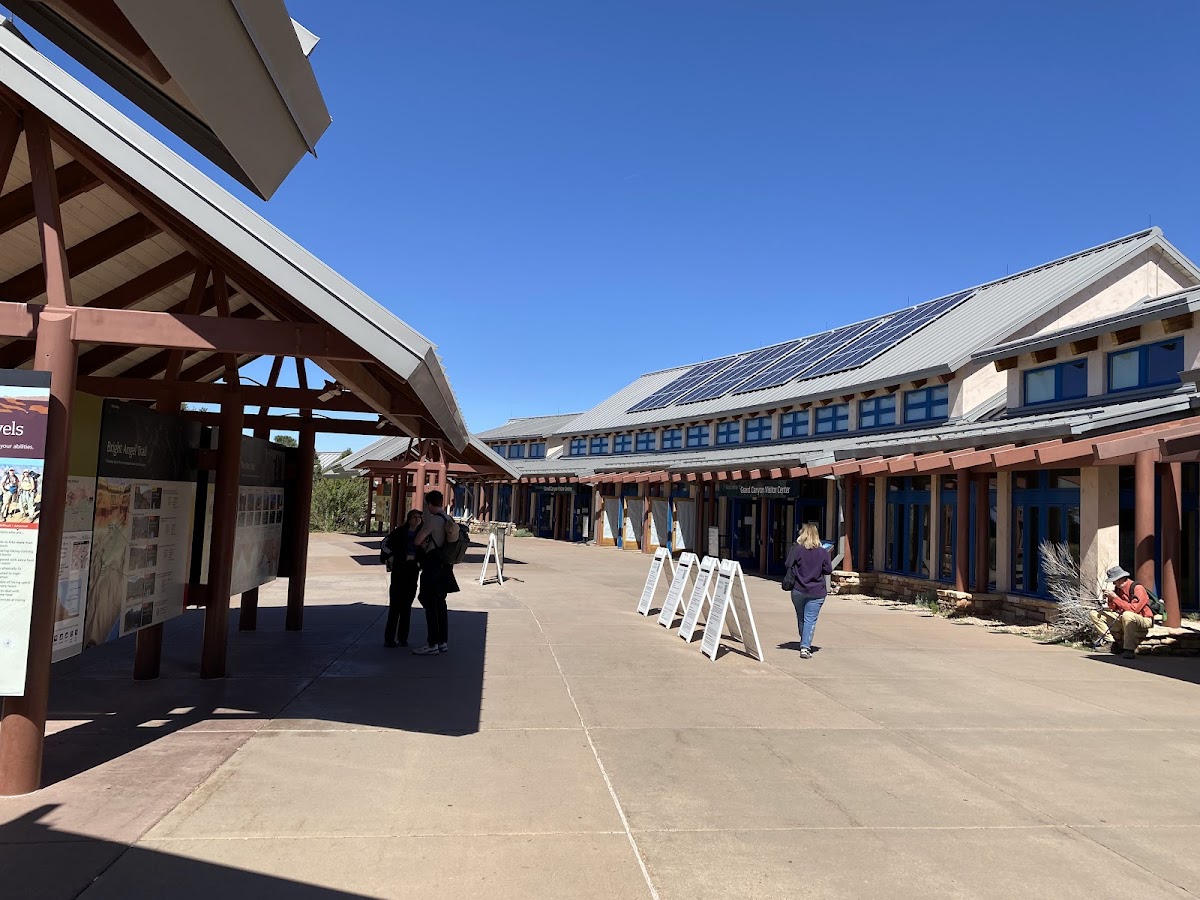
Grand Canyon Visitor Center
90 min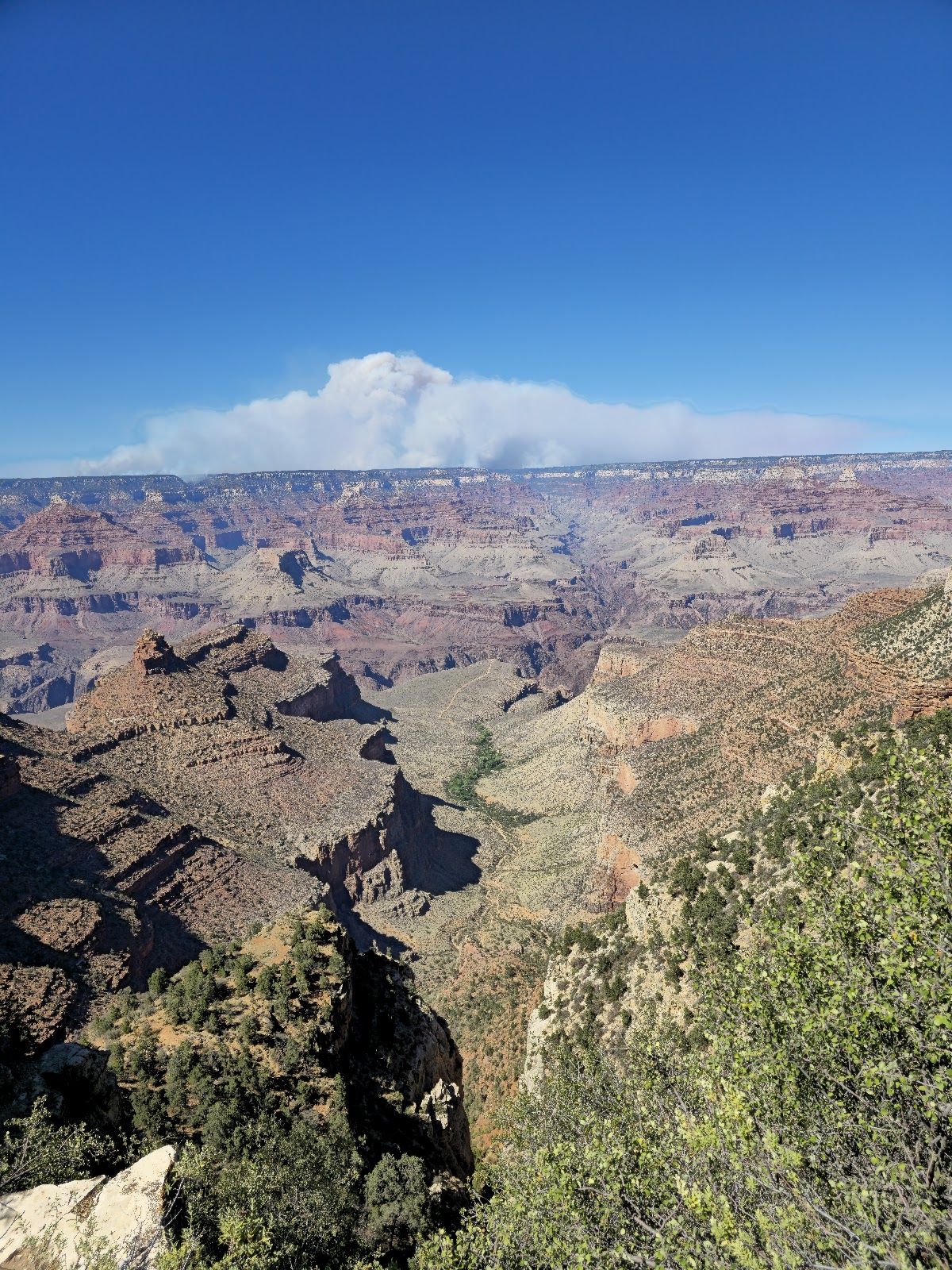
Rim Trail from Mather Point
120 min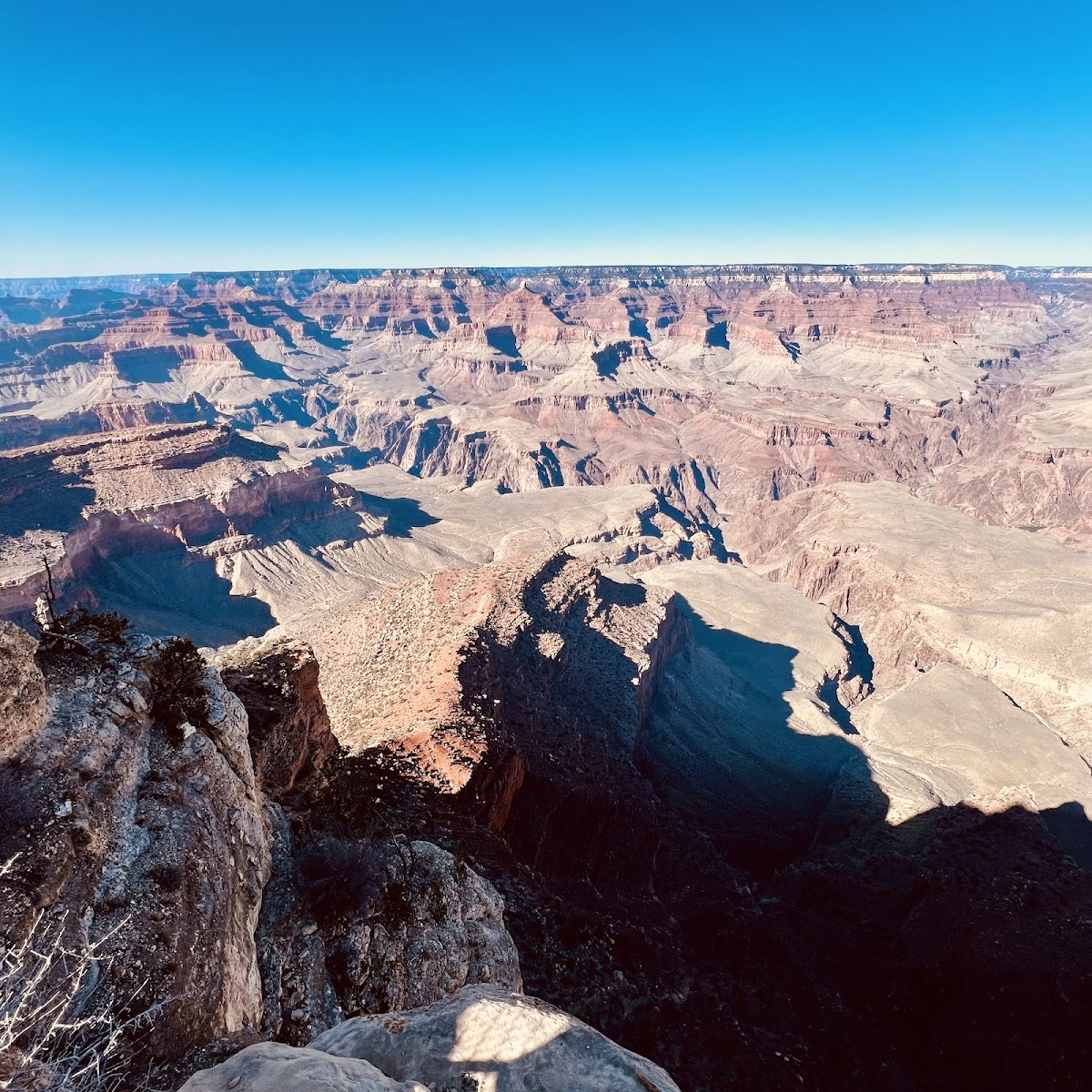
Sunset at Yavapai Point
60 minMoney-Saving Tips
- 1.Buy the America the Beautiful Annual Pass for $80 if you're visiting multiple national parks — Grand Canyon entry alone costs $35 per vehicle
- 2.Pack lunches for canyon hiking — food prices inside the park run 30-50% higher than normal
- 3.Book lodge accommodations 6+ months ahead to avoid last-minute premium pricing
- 4.Use the free shuttle system instead of paying for parking at crowded viewpoints
- 5.Visit during shoulder seasons (April-May, September-October) for lower accommodation rates
- 6.Fill up your gas tank in Flagstaff or Williams — the Tusayan gas station charges tourist prices
- 7.Bring a reusable water bottle — the village has multiple free filling stations
Travel Tips
- •Arrive at sunrise viewpoints 30 minutes early — parking fills up fast during peak season
- •Download the NPS Grand Canyon app for offline maps and self-guided tour information
- •Wear layers year-round — rim temperatures can swing 40+ degrees between day and night
- •Start canyon hikes before 8 AM to avoid afternoon heat and crowds
- •Bring sunglasses and sunscreen — the high elevation and reflective rocks intensify UV exposure
- •Keep food secured in vehicles or lockers — elk and ravens are aggressive scavengers
- •Book dinner reservations immediately upon arrival, especially at El Tovar
- •Carry a flashlight for early morning or evening rim walks — lighting is minimal outside the village center
Frequently Asked Questions
Explore Grand Canyon Village
BUILD YOUR
GRAND CANYON VILLAGE PLAN
Insider picks, smart timing, and a plan ready when you are.
Start Planning