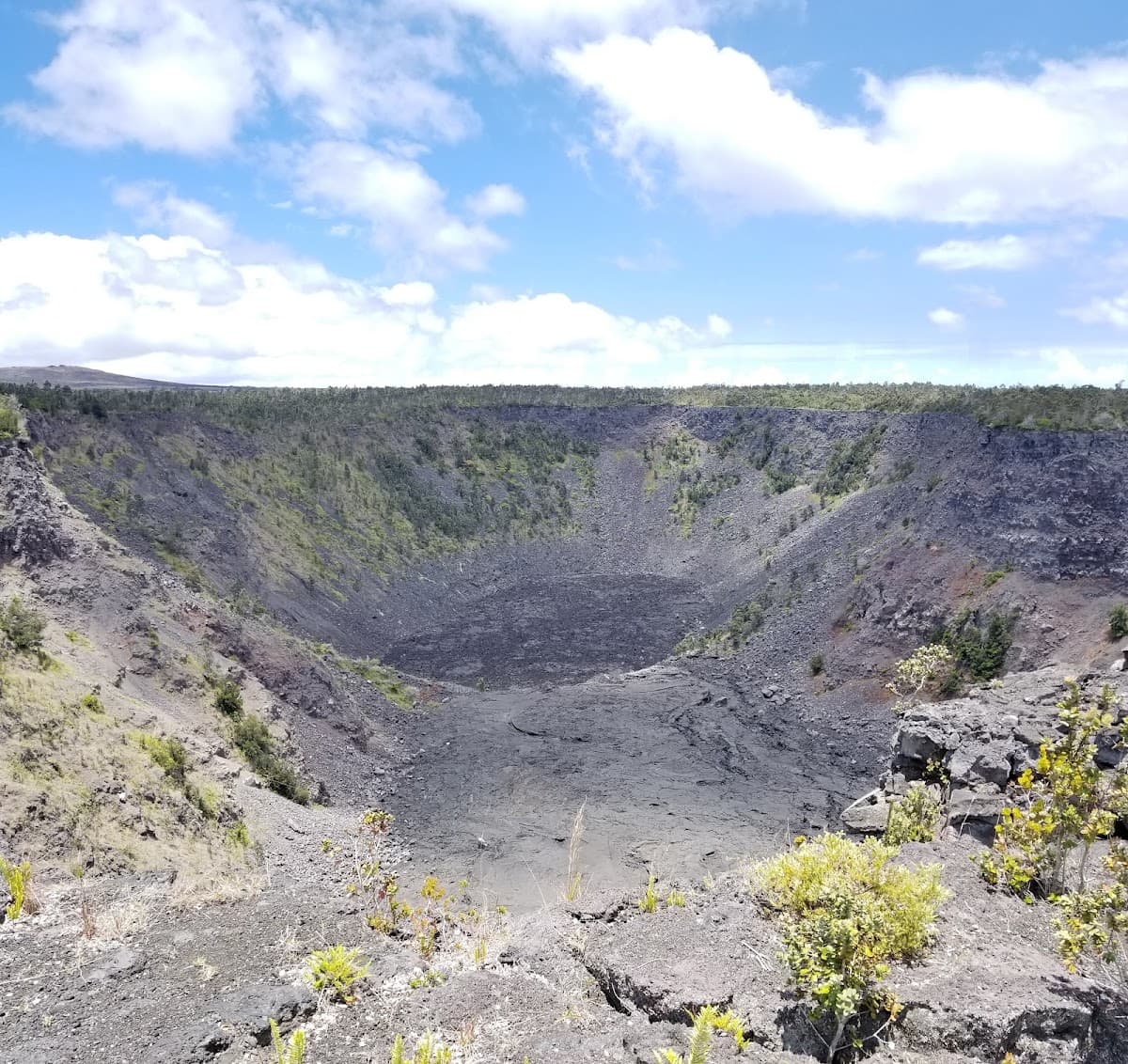
Hawaii Volcanoes National Park
Witness Earth's creation at active volcanic wonderland
Hawaii Volcanoes National Park puts you face-to-face with Earth's raw power. Here, Kilauea volcano has been creating new land for over 30 years, and you can walk right up to the action. Steam vents hiss along Crater Rim Drive. Lava tubes stretch underground like ancient subway tunnels. And at night, the Halemaumau crater glows orange against the darkness.
But this isn't just about the main event. The park spans 333,000 acres from sea level to 13,000 feet, meaning you'll find everything from tropical rainforests to alpine deserts. Petroglyphs cover black lava fields. Native Hawaiian plants grow in pockets untouched by development. And the hiking ranges from easy boardwalks to challenging backcountry routes.
The park sits on the Big Island's southeast side, about 45 minutes from Hilo and two hours from Kona. Entry costs $30 per vehicle and gets you seven days of access. Most people spend 1-2 days here, though serious hikers could easily fill a week exploring the backcountry trails.
Money-Saving Tips
- 1.Buy the $55 annual Hawaii Volcanoes pass if you're staying more than two days – it pays for itself quickly
- 2.Pack your own lunch and snacks – the visitor center cafe is overpriced and closes early
- 3.Camp at Namakanipaio for $15/night instead of paying $300+ for Volcano House if you're on a budget
- 4.Fill up your gas tank before entering – the nearest station is 30 minutes away in Volcano Village
- 5.Bring a reusable water bottle – filling stations are free and the volcanic air dehydrates you fast
- 6.Download offline maps before visiting – cell service is spotty and data roaming charges add up
- 7.Visit on weekdays to avoid weekend parking fees at some Hilo hotels if you're staying there
Travel Tips
- •Check USGS volcanic activity reports before your trip – current eruptions change which areas are accessible
- •Start early morning hikes to beat afternoon clouds that often roll in around noon
- •Bring layers – temperatures can drop 30°F between sea level and summit elevations
- •Download the NPS Hawaii Volcanoes app for self-guided audio tours and current trail conditions
- •Park at Devastation Trail parking for easier access to Kilauea Iki trailhead during busy periods
- •Visit the Jaggar Museum first to understand the geology before hitting the trails
- •Keep car windows cracked when parked – volcanic gases can build up in sealed vehicles
- •Respect all barriers and closed areas – volcanic terrain is unpredictable and dangerous
Frequently Asked Questions
BUILD YOUR
HAWAII VOLCANOES NATIONAL PARK PLAN
Insider picks, smart timing, and a plan ready when you are.
Start Planning