Bocas del Toro
Caribbean archipelago paradise for surfers and backpackers
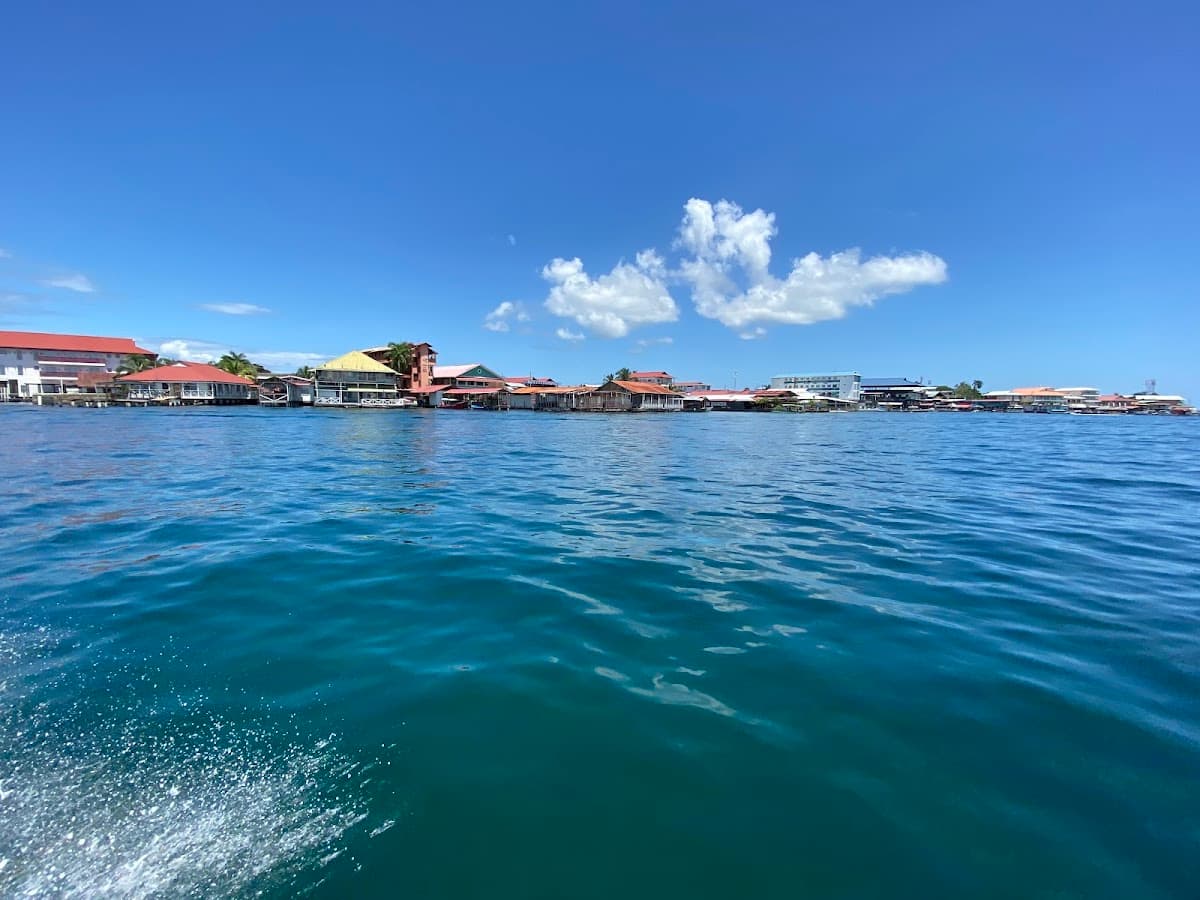
Bocas del Toro isn't your typical Caribbean destination. This Panamanian archipelago trades five-star resorts for colorful wooden houses on stilts, white sand beaches for world-class surf breaks, and cruise ship crowds for backpackers sharing stories over $2 beers. The nine main islands float in turquoise waters where sloths hang from mangrove branches and red frogs hop across jungle trails. Here's the thing — Bocas feels like the Caribbean before it got discovered by Instagram. Sure, word's getting out, but you can still find empty beaches on Bastimentos Island and surf breaks where you're the only one out there. The vibe is pure pura vida with a Caribbean twist, where your biggest decision is which hammock to claim for the afternoon.
Best Months
FEB · MAR · APR · SEP · OCT
~32°C · high crowds
Culture & Context
CARIBBEAN SOUL SPEAKS GUARI-GUARI
Bocas del Toro is where Panama's Caribbean soul lives. The archipelago was shaped by waves of migration: West Indian workers from Jamaica and Barbados came for the banana plantations in the late 1800s, and their descendants still form the cultural backbone of places like Old Bank on Isla Bastimentos. That community speaks Guari-Guari, a creole dialect rooted in Jamaican Patois, blended with Spanish and elements of Ngäbere (the language of the indigenous Ngäbe-Buglé people who live on the mainland).
On the mainland side of the province, Naso and Bribrí indigenous communities still govern their own territories and welcome visitors who come with certified guides and genuine respect. The music is reggae, calypso, soca, and dancehall. The food leans heavily on coconut, seafood, and spices.
Afro-Antillean cooking traditions show up in dishes like coconut rice and beans, fried fish, saltfish torrejitas, and "Yanny Cake" (coconut bread). A seaweed smoothie called "Icing glass" is a local specialty worth trying in Old Bank. The islands have more of a Caribbean-than-Central-American feel, which surprises a lot of first-timers flying in from Panama City.
Local Customs
NEGOTIATE EVERY BOAT RIDE
Guari-Guari is not just a curiosity — it's a living language and source of real community pride, especially in Old Bank on Isla Bastimentos. Don't refer to it as slang or a dialect 'problem.' It's historically been endangered and locals are actively working to preserve it..
Don't drink the tap water. The town lacks a proper filtration system and fecal coliform levels in both drinking and sea water are high. Stick to bottled water.
This is not alarmist — it's just how it is.. Water taxi pricing is a negotiation. If you're visibly foreign, operators will often quote double, triple, or more the standard rate.
Know the going price before you get in the boat. Short trips within the Bocas Town area should cost $1–5. Don't board until a fair price is agreed..
Never leave a bag unattended on the beach while you swim. This is the number-one crime against tourists here — someone waiting at the jungle edge will take it while you're in the water. Bring only what you need, or leave valuables with someone you trust..
Afro-Caribbean food traditions are taken seriously in Old Bank. Try the bon bread, coconut rice and beans, and the local seaweed drink (Icing glass) at least once. These aren't tourist gimmicks — they're part of daily life..
Sundays are genuinely slow. Plan any island-hopping or grocery shopping around this. Some smaller spots close completely..
The CDC recommends Hepatitis A and Typhoid vaccinations before visiting. Dengue is present year-round; bring good mosquito repellent and use it, especially at dawn and dusk.. Drug possession (including marijuana) is a serious crime in Panama.
Being present while someone else uses is enough grounds for arrest. This is not a gray area.
Safety
WATCH YOUR BEACH BAG
Bocas is genuinely safe by most Central American standards, with very low violent crime. But petty theft is consistent and well-documented. The number-one tourist mistake: leaving a bag on the beach while swimming.
Someone will come out of the jungle and take it — phones, wallets, passports, cameras, all of it. Bring only what you need to the beach, and if you swim, take the bag to the shoreline where you can watch it. On Isla Bastimentos at night, stick to lit areas and avoid walking alone after dark.
There have been reports of muggings in more isolated spots. The buddy system works. On the water, some taxi operators overload boats or skip life jackets — ask for one if you don't see it.
Avoid night boat travel when possible. Medical facilities are limited. The islands have a hospital and a quick-service clinic, but anything serious means a transfer to David or Panama City.
Get good travel insurance with medical evacuation coverage. Drink spiking has been reported at parties — watch your drink. And street hustlers near the Bocas Town waterfront push tours, taxis, and other things aggressively.
A firm 'No, gracias' and walking away is always the right call. Dengue is present year-round; use repellent.
Getting Around
WATER TAXIS EVERYWHERE
Everything moves by water here. Water taxis are the main way between islands — catch them from the waterfront docks in Bocas Town, or wave one down as it passes. Short hops cost $1–5.
Longer trips to Bastimentos or Carenero run $5–20 depending on distance and how hard you negotiate. Know the price before you board. Getting to Bocas in the first place: Air Panama flies from Albrook Airport in Panama City (not Tocumen — important distinction, Albrook is a 40-minute Uber from Tocumen).
The flight is about 50 minutes and tickets run $100–200 one-way. Book early; availability disappears. Budget alternative is the overnight bus from Panama City's Albrook Bus Terminal to Almirante ($25–40, roughly 10–11 hours), then a water taxi from Almirante to Bocas Town ($6–10).
It's slow, but the countryside is worth seeing. From David, buses to Almirante take about 3.5 hours.
Once on the islands, you walk, bike, or take a water taxi. Bocas Town itself is a walkable grid. Rental bikes, ATVs, and electric carts exist for exploring Isla Colón's outer areas like Bluff and Boca del Drago.
On Carenero and Bastimentos, there are no roads at all — paths only.
Useful Phrases
Bocas del Toro Itineraries
Things to Do in Bocas del Toro
Red Frog Beach
Bastimentos Island · 180 min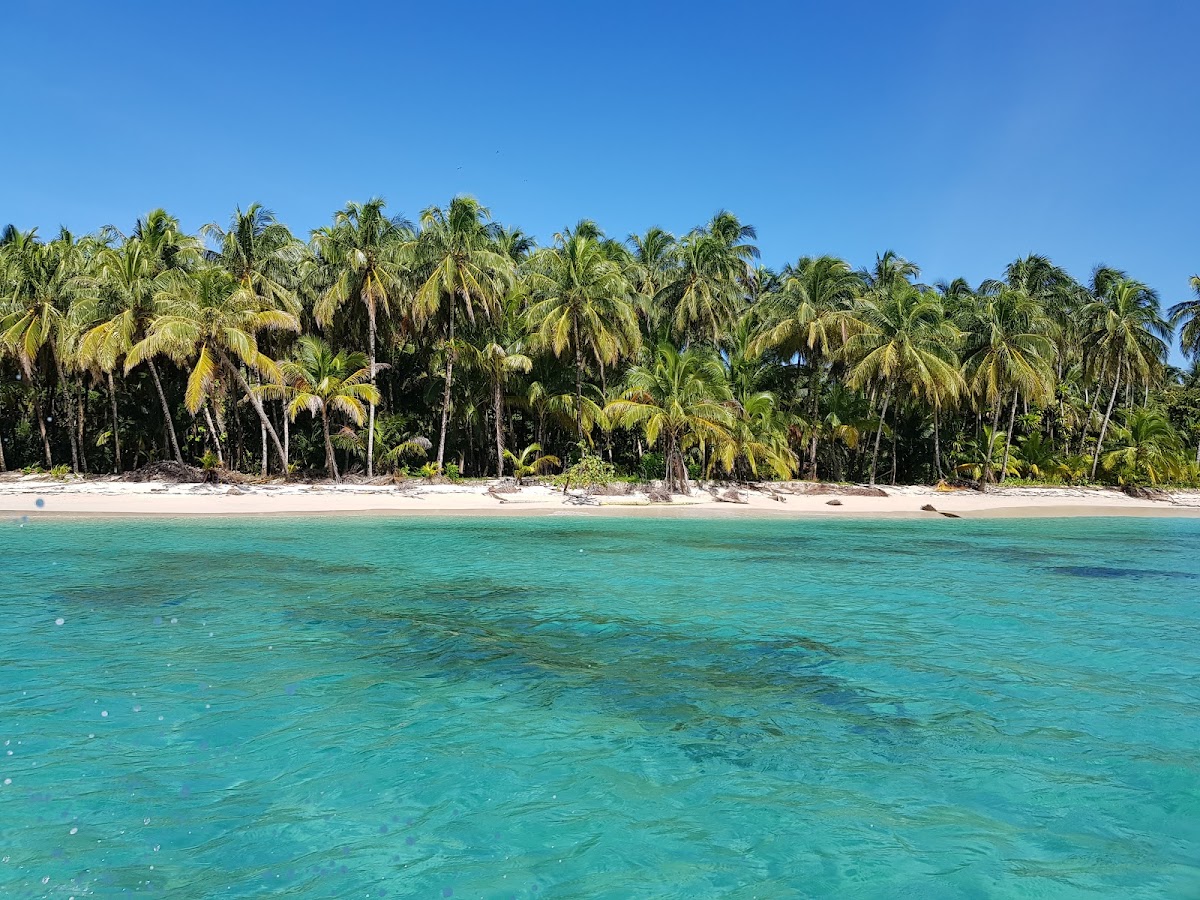
Private Zapatilla Cays Yacht Trip
Zapatilla Islands · 240 min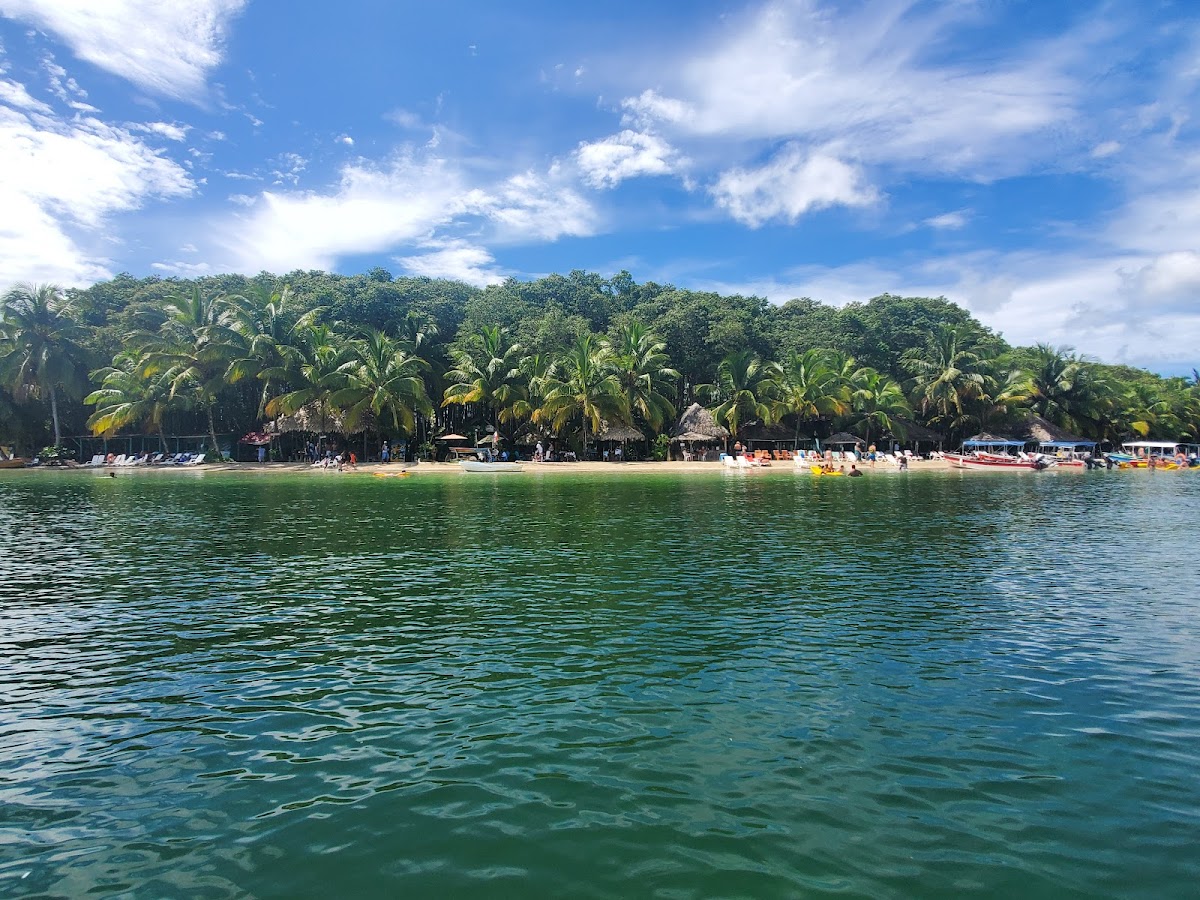
Starfish Beach Exploration
Carenero Island · 90 minMoney-Saving Tips
- 1.Dorm beds in hostels cost $15-20, but book directly with properties to avoid booking fees
- 2.Water taxis between islands run $3-5, but negotiate group rates for day trips
- 3.Local sodas (corner stores) sell Balboa beer for $1.50 vs $3+ at tourist bars
- 4.Street food like patacones costs $2 vs $8+ for restaurant meals
- 5.Bike rentals cost $10/day and get you around Isla Colón cheaper than taxis
- 6.Split private boat charters with other travelers — $120 for 6 people beats tour prices
- 7.Happy hours at bars like Aqua Lounge cut drink prices by $2-3
- 8.Buy snorkel gear at local shops for $15 rather than renting on tours for $10/day
Travel Tips
- •Bring cash — most places don't accept cards and ATMs charge high fees
- •Pack reef-safe sunscreen — the marine parks are strict about protecting coral
- •Download offline maps before arriving — WiFi is spotty outside main town
- •Book accommodations ahead during dry season (Feb-April) when hostels fill up
- •Bring a dry bag for boat trips — water taxis don't have covered seating
- •Learn basic Spanish phrases — not everyone speaks English outside tourist areas
- •Pack mosquito repellent — the bugs get aggressive at dawn and dusk
- •Respect local communities on Bastimentos — ask before taking photos of people
Frequently Asked Questions
Explore Bocas del Toro
BUILD YOUR
BOCAS DEL TORO PLAN
Insider picks, smart timing, and a plan ready when you are.
Start Planning