Valladolid
Colonial charm and cenotes gateway to Yucatan's Mayan wonders
Look, everyone rushes past Valladolid on their way to Chichen Itza. Big mistake. This colonial town sits right in the heart of the Yucatan, surrounded by some of Mexico's most incredible cenotes and far enough from Cancun's crowds to feel authentically Mexican.
The pastel buildings along Calle 41 haven't changed much since the 16th century. Neither has the pace of life. You'll find locals playing dominos in Parque Francisco Canton Rosado while street vendors sell fresh coconut water for 15 pesos. And here's the thing — you can swim in crystal-clear cenotes that most tourists never see, all within a 20-minute drive.
But Valladolid isn't stuck in the past. The food scene buzzes with traditional cochinita pibil joints and mezcal bars that stay open past midnight. Plus, you're perfectly positioned for day trips to Chichen Itza, Ek Balam, and Rio Lagartos without paying resort prices.
Best Months
JAN · FEB · MAR · APR · NOV · DEC
~13°C · low crowds
Culture & Context
MAYA LANGUAGE, DAILY LIFE
Valladolid sits at the geographic center of the Yucatán Peninsula. Founded in 1543 on top of an existing Maya city called Zací (meaning "white hawk"), it's been a flashpoint in Mexican history twice over: the Caste War of 1847 started here, and so did the first armed uprising of the Mexican Revolution in 1910. That second one gets a full civic reenactment every June 3. The city earned Pueblo Mágico status in 2012, and locals are quietly proud of it without being obnoxious about it.
Here's the thing about Valladolid that sets it apart from everywhere else on the peninsula: Maya culture isn't a museum exhibit here. It's daily life. You'll hear Yucatec Maya spoken in the market, see it on signs, and find it baked into the food, the architecture, and the surnames. English is rare outside tourist-facing spots. Spanish gets you everywhere, but a few Maya words go a surprisingly long way with locals.
The city runs on a colonial grid, which makes it very easy to navigate on foot. Streets are numbered rather than named, which is confusing for about 20 minutes and then completely logical forever. The heat is real. April and May push above 35°C and the humidity climbs. November through March is the sweet spot: dry, mild, and mostly clear.
Local Customs
NO PUBLIC DRINKING, RESPECT MAYA
Drinking alcohol in public is prohibited and actually enforced in Valladolid — more so than in most of Mexico. If you want a beer, you need to be at a bar, restaurant, or their outdoor patio. Don't wander the street with a drink..
The Maya presence here is real, not decorative. About 800,000 people speak Yucatec Maya across the peninsula. Avoid treating traditional dress, Maya ceremony references, or the language as photo props — locals notice and it matters..
Tour buses descend on the main plaza between roughly 12pm and 2pm daily. The entire energy of the square changes. Plan market visits and outdoor meals outside that window..
Cash is king the moment you leave the main tourist strip. Markets, small restaurants, colectivos, and most cenotes are cash-only or strongly prefer pesos. The Mercado Municipal is entirely cash..
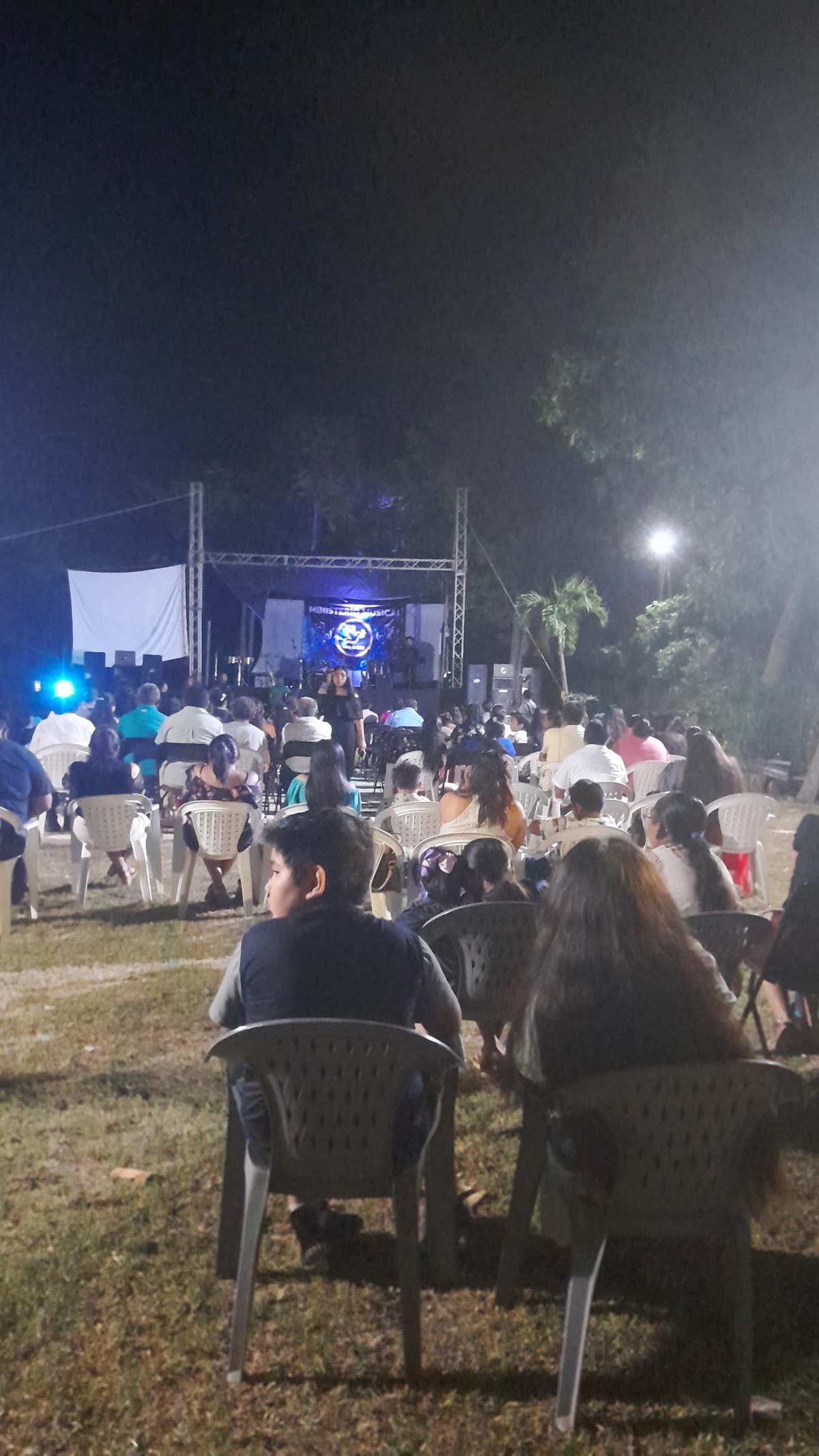
Sunday evenings at the main plaza are an institution — traditional jarana Yucateca dancers perform for locals and visitors alike around sunset. Low-key, genuine, and free. Show up around 5:30pm..
The free walking tour (10am, 5pm, and 7pm daily, starting near the municipal palace) runs in both English and Spanish. Tip your guide — they work for tips only and local guides genuinely know things the internet doesn't.. Dress modestly when entering convents or churches.
This means shoulders covered and no short shorts. The rule is consistently applied at San Bernardino de Siena.. The tap water is not safe to drink anywhere in Valladolid.
Bottled water is everywhere and cheap. Don't skip this — even experienced travelers get caught out.
Safety
VERY SAFE, WATCH BELONGINGS
Valladolid is genuinely one of the safest cities in Mexico. Yucatán state consistently holds the lowest U.S. State Department travel advisory level — the same as exercising normal precautions — and the numbers back that up. In 2020, the state's homicide rate was 1.3 per 100,000, against a national average of 26.6. Local police presence is visible around the main square and the ADO bus station.
That said, a few practical points: petty theft happens, especially around the Mercado Municipal and any crowded cenote. Keep your phone in a pocket rather than a hand, use a crossbody bag, and don't leave anything on a restaurant table unattended. The area around the ADO bus station warrants a bit of extra awareness late at night — it's not dangerous, just less monitored.
Don't drive rural roads after dark. Signage is limited, lighting is minimal, and wildlife crossings are common. For day trips to Ek Balam or outlying cenotes, daytime driving is totally fine.
The rainy season runs June through November, with hurricane risk peaking September–October. Flash flooding can be sudden. Check weather before heading to outlying cenotes during those months. Mosquito-borne illnesses (dengue, Zika) are possible year-round but especially during rainy season. Bring repellent and use it.
Health: vaccinations for hepatitis A and typhoid are advisable. Drink bottled water only — this applies everywhere in the city without exception.
Getting Around
WALKABLE, BUSES EVERYWHERE
Getting here: The closest major airport is Cancún International (CUN), about 2.5 hours away. ADO buses run almost hourly from the central Cancún station to Valladolid for around 400 MXN ($22 USD) — comfortable, air-conditioned, and reliable. You can also fly into Mérida (about 2 hours west by car or bus). Renting a car from Cancún gives you maximum flexibility for cenote-hopping and day trips; the highway between Cancún and Mérida passes directly through town.
Getting around town: Valladolid is walkable. The entire historic center fits within a 20-minute stroll. Bikes are available for rent from VALLARENT (Scooters, Cars, Bikes and Tours) — particularly useful for reaching cenotes within a 10–15km radius.
Getting to nearby attractions: Colectivos (shared vans) are the cheapest option for day trips. The colectivo to Chichén Itzá costs around 40 MXN ($2.20 USD) and departs from a stop you can locate via Google Maps or ask at your accommodation. ADO buses also serve the Chichén Itzá route. For Ek Balam (28km north), a taxi or rental car is more practical since colectivo schedules are less predictable. Cenote Suytun is 12km east — bikeable in cooler months.
The Tren Maya now stops in Valladolid, connecting it to Cancún, Tulum, Mérida, and Palenque. Check current schedules and prices at the official Fonatur website — it's an increasingly viable option for longer routes.
Taxis within the city are cheap and easy to find near the main plaza. Always agree on a price before getting in or confirm the meter works.
Useful Phrases
Things to Do in Valladolid
Local Market Browse
Historic Center · 90 minMoney-Saving Tips
- 1.Eat at local loncheria stalls instead of tourist restaurants — cochinita pibil tortas cost 45 pesos versus 180 pesos at hotel restaurants
- 2.Take collectivos to Chichen Itza for 35 pesos each way instead of tour buses charging 800+ pesos
- 3.Buy cenote entrance tickets directly at sites rather than through tour operators who add 100-200 peso markups
- 4.Stay in the historic center to walk everywhere — taxi rides add up quickly at 60 pesos per trip
- 5.Visit cenotes early morning or late afternoon when entrance fees sometimes drop to 80 pesos from 120 pesos
- 6.Shop at the Sunday market for fresh fruit and snacks — vendors charge half what tourist shops ask
Travel Tips
- •Bring reef-safe sunscreen for cenote swimming — many sites now ban regular sunscreen to protect the ecosystem
- •Pack a waterproof phone case for cenote visits — you'll want photos but electronics and water don't mix
- •Learn basic Spanish phrases — English isn't widely spoken outside hotels and tourist sites
- •Carry small bills — many vendors and taxi drivers can't break 500 peso notes
- •Book cenote tours through local operators like Mexigo Tours rather than your hotel to save money and support local business
- •Visit Chichen Itza early morning or late afternoon to avoid crushing midday heat and tour bus crowds
- •Rent bikes to reach nearby cenotes — it's cheaper than taxis and adds adventure to your day
- •Try street food gradually to let your stomach adjust — start with cooked items before raw salsas