Lake Atitlán
Guatemala's mystical volcanic lake surrounded by indigenous Maya villages
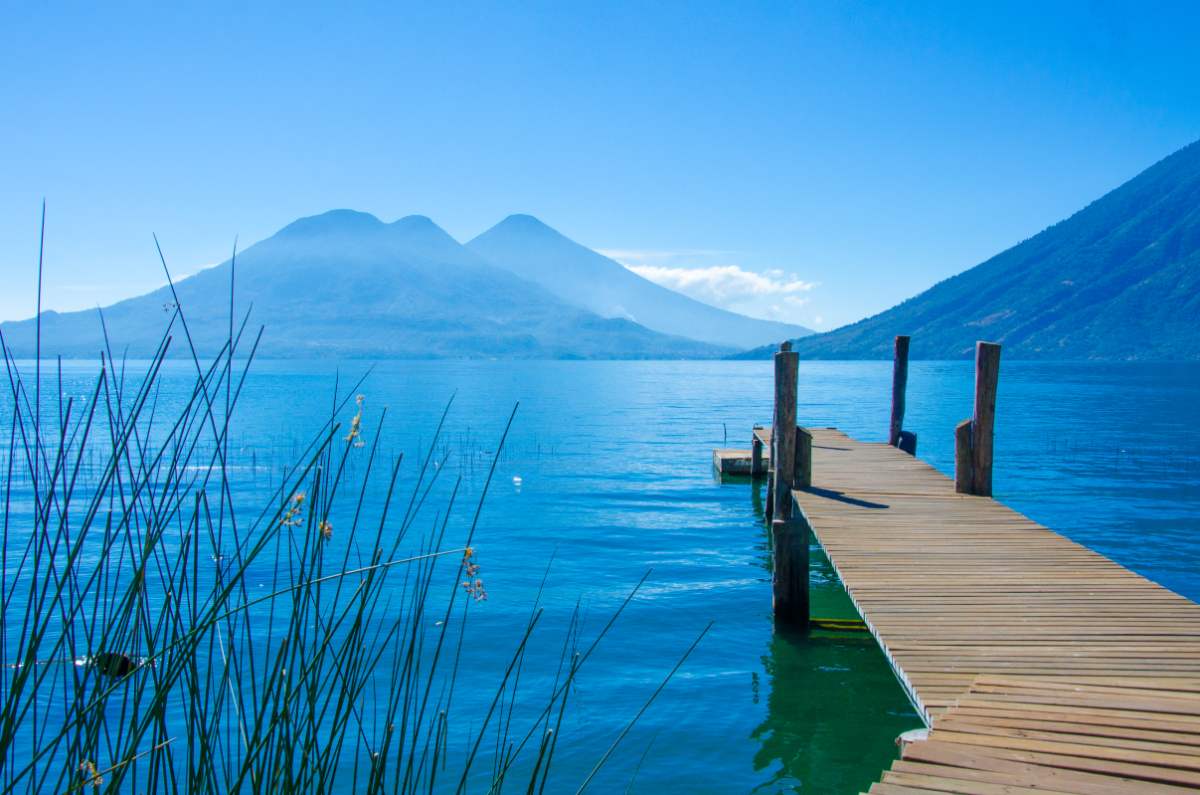
Lake Atitlán isn't just another pretty lake. Three towering volcanoes rise from its cobalt waters, and Maya communities have called these shores home for centuries. The morning mist lifts to reveal traditional boats cutting across the surface while indigenous women weave huipiles on the docks. This is Guatemala at its most authentic — no resort chains, no cruise ships, just raw natural beauty and living culture that tourism hasn't sanitized.
Best Months
JAN · FEB · MAR · APR · NOV · DEC
~26°C · high crowds
Culture & Context
TWELVE MAYA COMMUNITIES
Lake Atitlán is not one destination. It's twelve distinct Tz'utujil and Kaqchikel Maya communities, each with its own traditions, market days, and dialect variations, strung around a 130-square-kilometer volcanic crater lake. The name Atitlán comes from the Nahuatl, meaning "between the waters.
" These communities are not historical artifacts. Traditional dress, backstrap weaving, and Maya ceremonial practices are part of daily life. In Santiago Atitlán, for instance, the veneration of Maximón (a fusion of Maya deities, Catholic saints, and conquistador legends) continues under the guidance of a local religious brotherhood.
The lake has seen enormous trauma. During Guatemala's civil war (1960-1996), the government pursued a scorched earth policy that devastated indigenous communities around the lake. Hundreds from Santiago Atitlán disappeared.
A 1990 massacre of 11 unarmed civilians by soldiers led to international pressure that forced the army out of town entirely. That history is close to the surface. Approach it with humility.
Tourism matters here economically, but these are real communities, not a backdrop for your photos.
Local Customs
ASK BEFORE PHOTOGRAPHING
Always ask permission before photographing locals, especially elders and children. Many Maya find it deeply disrespectful to be photographed without consent. Offering to pay a few quetzales is common practice.
If you buy something from a vendor, they're often more open to a photo.. Dress modestly when visiting indigenous towns like Santiago Atitlán or San Juan. Covered shoulders and knee-length bottoms (or longer) are appropriate.
This isn't a suggestion for style points. Locals notice and appreciate the respect.. Cash is king almost everywhere.
Not all towns have ATMs. Stock up in Panajachel or San Pedro before heading to Santa Cruz, Jaibalito, or Tzununa. Running out of quetzales in a small village is your problem to solve..
Never drink the tap water. Not even with iodine drops. The lake's cyanobacteria toxin survives boiling and standard purification.
Bottled water is Q5-8 ($0.65-1.00) per 1.
5L bottle everywhere. Use it for brushing teeth too if you're cautious.. Lancha boat schedules are loose.
Boats wait to fill up and generally stop running by 5–6 PM. Missing the last boat from a village means finding a tuk-tuk or spending the night. Plan accordingly, especially if you're day-tripping to quieter spots..
Bargaining is expected at market stalls and when negotiating private boat rides. Start lower than the quoted price. But do it respectfully.
Grinding down a weaver on handmade textiles that took days to produce is bad form.. The lake generates a strong wind called Xocomil in the afternoons, usually picking up around 1–2 PM. This makes afternoon boat rides rough and sometimes dangerous.
Take lanchas in the morning when the water is flat.
Safety
RARE TOURIST VIOLENCE
Lake Atitlán is one of the safer destinations in Guatemala. Violent crime against tourists is genuinely rare. The risks you'll actually face are petty theft, health issues from water, and rough boat rides in afternoon wind.
That said, a few rules matter. Never hike between towns on the perimeter paths without a guide. The US State Department specifically warns against this.
Lanchas between villages are safe, affordable, and the obvious choice. The roads connecting towns are not advisable for tourists, especially after dark. Don't hike any volcano solo.
San Pedro Volcano in particular has a history of trail robberies. Go with a certified guide or a police escort. In San Marcos, there's a reported pattern of room break-ins at accommodations (known to happen when guests go out).
Use the safe if your room has one. On the water: lanchas can be overloaded and captains sometimes don't provide life jackets. The lake's afternoon wind (Xocomil) can turn flat water into something rough very fast.
Take morning boats when possible. Don't drink the tap water. Period.
Not boiled, not filtered. Bottled water only. A cyanobacteria toxin in the lake survives standard purification.
Guatemala has a tourist assistance program called ASISTUR with tourist police (DISETUR) active in the lake area. Emergency call center operates 24/7 in English and Spanish: call 1500 from a Guatemalan phone or WhatsApp +502-5188-1819. Solo female travelers navigate the lake successfully with standard precautions.
Dress modestly in indigenous villages. Avoid walking alone very late at night. Trust your instincts about situations and people.
Getting Around
LANCHAS & MORNING BOATS
Getting to the lake: Shuttle from Antigua to Panajachel runs Q90-120 ($11.50-15.40) and takes 2.
5-3 hours. Multiple daily departures. From Guatemala City it's Q150-200 ($20-26) and 3-3.
5 hours. Chicken buses are cheaper (Q25-35) but take longer and involve transfers. Don't drive yourself unless you have experience with Guatemalan roads.
Panajachel is the main gateway. Most shuttles drop you near the public dock on Calle del Lago. Getting around the lake: Lanchas (public water taxis) are the main way to move between villages.
Q25-30 ($3.20-3.85) per village hop.
Boats start at 6:30 AM and generally stop by 5-6 PM. They wait to fill up, so expect 20-50 minute waits at busy times. Tell the captain your destination when boarding.
Don't leave it until late afternoon if you need to get somewhere. The journey from San Pedro to Panajachel takes about 40 minutes, longer than the map suggests. Private boat rental is Q300-500 for a 2-hour custom tour.
Worth it for a group of 4-6 people wanting flexibility. Within towns: Tuk-tuks are Q6 per person for most in-town trips as of early 2026. Negotiate before you get in.
San Pedro's upper town is steep and a tuk-tuk is genuinely useful. Between nearby towns like San Pedro and San Juan, a 20-minute walk is easy. Key practical note: Not all towns have ATMs.
Stock up on cash in Panajachel or San Pedro before heading to Santa Cruz, Tzununa, Jaibalito, or any of the smaller villages.
Useful Phrases
Lake Atitlán Itineraries
Things to Do in Lake Atitlán
Calle Santander Street Market
Panajachel Calle Santander · 90 minMoney-Saving Tips
- 1.Bring cash — most villages don't have ATMs beyond Panajachel
- 2.Negotiate lancha prices for multiple trips or longer distances
- 3.Eat at local comedores instead of tourist restaurants to save 50-60%
- 4.Buy textiles directly from weavers in villages, not shops in Panajachel
- 5.Book accommodation for multiple nights to get better rates
- 6.Take chicken buses instead of shuttles to save Q50-75 per trip
- 7.Buy groceries at local markets rather than convenience stores
- 8.Share lancha rides with other travelers to split costs
Travel Tips
- •Learn basic Spanish or Tz'utujil phrases — locals appreciate the effort
- •Respect photography rules in Maya villages — always ask permission first
- •Pack layers — mornings are cool, afternoons warm, evenings chilly
- •Bring biodegradable soap if swimming in the lake
- •Download offline maps — cell service gets spotty between villages
- •Carry a flashlight for evening walks — street lighting is minimal
- •Pack altitude sickness medication — the lake sits at 5,100 feet
- •Respect local customs during Maya ceremonies and religious events
Frequently Asked Questions
Explore Lake Atitlán
BUILD YOUR
LAKE ATITLÁN PLAN
Insider picks, smart timing, and a plan ready when you are.
Start Planning