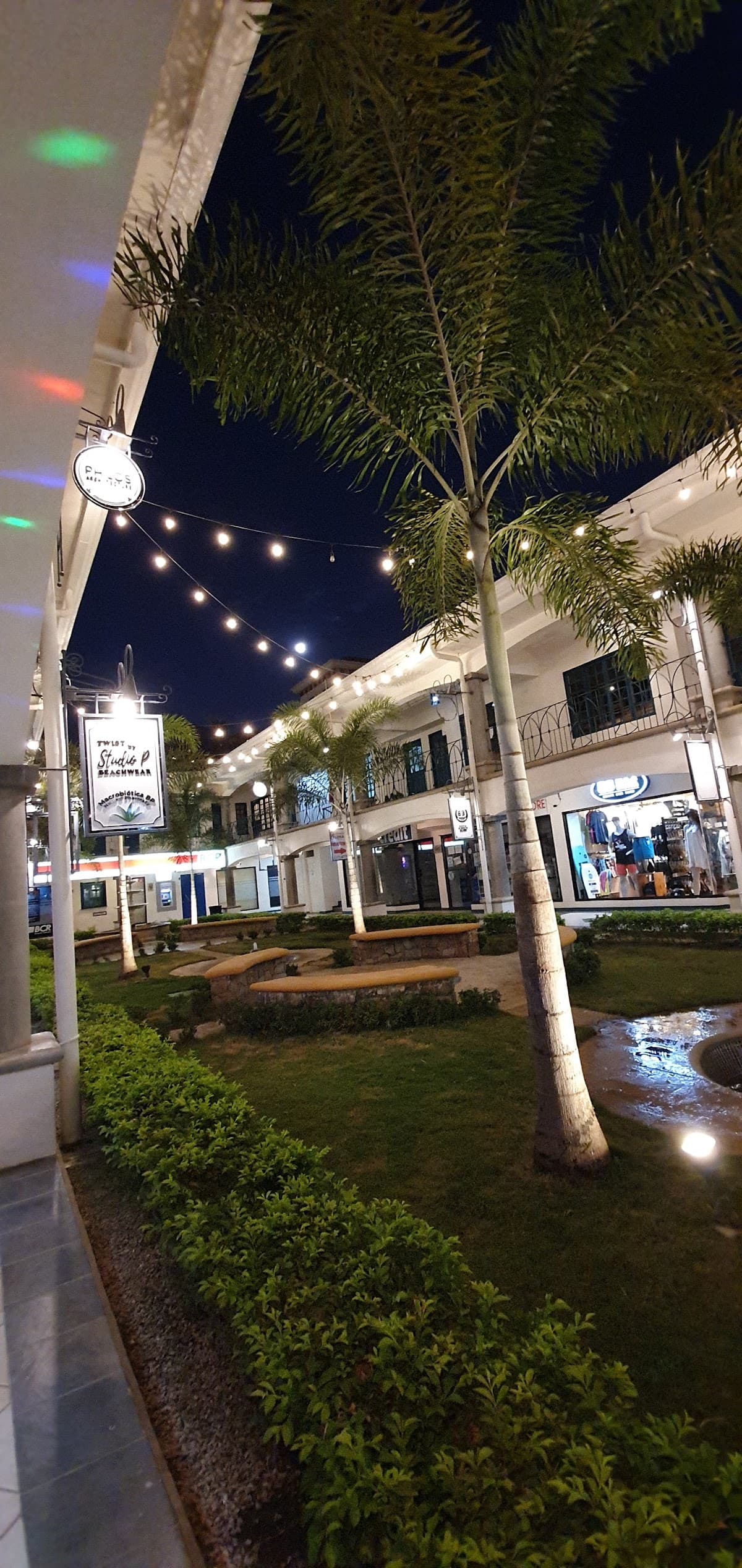
Tamarindo
Costa Rica's Premier Surf Town Paradise
Tamarindo isn't just another beach town. It's where world-class waves meet howler monkeys, where your morning surf session ends with a cold Imperial beer by 10 AM, and where the party doesn't stop until the sun comes up over Playa Grande. This Pacific coast hotspot has grown from a sleepy fishing village into Costa Rica's most famous surf destination, but it hasn't lost its pura vida soul. Sure, it's touristy. And yes, the prices reflect that popularity. But there's a reason surfers, backpackers, and luxury travelers all end up here eventually. The waves are consistent, the wildlife is everywhere, and the vibe is exactly what you came to Costa Rica to find.
Best Months
JAN · FEB · MAR · APR · DEC
~34°C · peak crowds
Culture & Context
SURF CULTURE MATURES
Tamarindo started as a sleepy fishing village, got discovered by California surfers in the 1970s and 80s, and the 1994 film 'The Endless Summer II' put it firmly on the global surf map. It hasn't looked back since. Today the town of roughly 8,000+ draws more travelers than anywhere else in northwest Costa Rica.
The surf culture still runs deep — it's completely normal to see people walking the sidewalks in bikinis carrying boards — but the town has matured into something more layered. There's serious dining, boutique hotels, a large and visible expat community, and a digital nomad scene that fills the coworking spots year-round. But scratch the surface and the pura vida rhythm is still there.
Locals move at their own pace. "Tico time" is real. Don't schedule things back-to-back and expect punctuality.
The town is English-friendly, which is convenient but also means you can spend an entire trip without ever really needing to try Spanish. That's a shame. Ticos genuinely light up when visitors make the effort.
Costa Rica's national identity is built around pura vida — an optimism and ease with life that is more philosophy than phrase. The country disbanded its military in 1949 and has leaned hard into peace, conservation, and sustainability ever since.
Local Customs
PURA VIDA PHILOSOPHY
Pura vida is everything. It's not just a phrase — it's how people actually operate. Slow down, don't stress, let things unfold.
Forcing urgency on Ticos will get you nowhere fast.. Tico time is a real phenomenon. Things start late and run long.
Build buffer into your day and you'll enjoy it. Fight it and you'll be miserable.. Tipping is appreciated but not mandatory like in the US.
Restaurants often include a 10% service charge in the bill — check before you add more.. Colones (CRC) are the currency, and you'll need them at smaller sodas and local spots. USD is widely accepted in tourist areas but you'll get worse exchange rates using it directly..
Don't cross the estuary on foot at the north end of the beach. Crocodiles are real and large. The guides mean it when they tell you this..
Bring reef-safe sunscreen. Costa Rica takes environmental protection seriously and many beach areas discourage chemical sunscreens that damage coral.. Bargaining is not a common cultural practice here the way it might be in other parts of Latin America.
Prices in shops and restaurants are generally set. With taxis, agree on a fare before you get in.. Never leave valuables on the beach unattended, even for a quick swim.
Theft from beach towels is the most common tourist problem in Tamarindo — thieves wait in treelines and move fast.
Safety
PETTY THEFT MAIN RISK
Tamarindo is safe by the standards of global beach tourism — violent crime targeting visitors is rare and the U.S. State Department's Level 2 advisory for Costa Rica broadly applies to the whole country, not specifically Tamarindo.
The real risks are specific and manageable. Petty theft is the main one. Never leave anything on your beach towel when you swim — thieves work quickly and they know when you're distracted.
Use the hotel safe for your passport and extra cash. Don't walk back to your accommodation alone late at night after drinking, especially Thursday through Sunday when the bar strip gets rowdy. Negotiate taxi fares before you get in, or you will be overcharged.
The crocodiles in the estuary at the north end of the beach are real, large, and occasionally venture onto the sand at dawn and dusk — never cross the estuary on foot and keep clear of the river mouth. Ocean conditions can be strong, especially during wet season swells. If you're new to surfing or ocean swimming, respect the conditions and ask a local surf instructor about the currents before you go in.
For medical emergencies, the nearest full hospital is Hospital Metropolitano Liberia, about an hour away. CIMA Hospital in San José is the best private option for serious situations. Get travel insurance — it's non-negotiable here.
One surfing injury or a twisted ankle from a pothole can turn expensive fast.
Getting Around
WALKABLE, SCOOTER FRIENDLY
Liberia International Airport (LIR) is your gateway — it's about 65 kilometers and a 1–1.5 hour drive on well-paved roads. No 4x4 required to get here, which sets Tamarindo apart from more remote Guanacaste beaches.
From the airport your options are: shared shuttle ($20–$39 per person, book in advance and note they won't wait for delayed flights), private van transfer ($106 from Liberia, worth it for groups), taxi ($90–$120, convenient but pricey), or the public bus from Liberia's Mercado Municipal — not the airport — via Transportes La Pampa for about $3. Once in town, Centro is walkable. Most residents use scooters ($200–$300/month rental) or golf carts.
Renting a car ($35–$60/day) makes sense if you're planning to beach-hop to Avellanas, Negra, Conchal, or Flamingo — all of which reward the effort of having wheels. Waze works well on the main roads. Drive carefully at night — potholes, livestock on roads, and limited lighting are real hazards outside of town.
Useful Phrases
Things to Do in Tamarindo
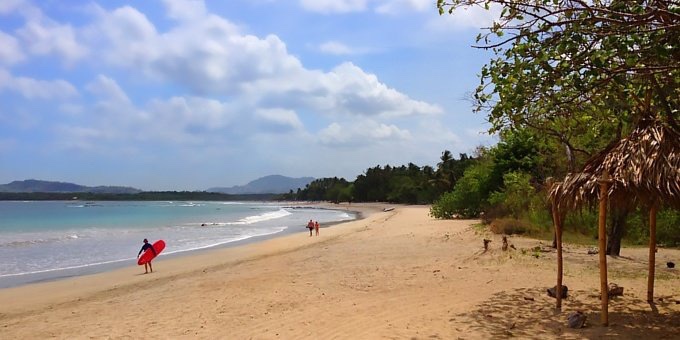
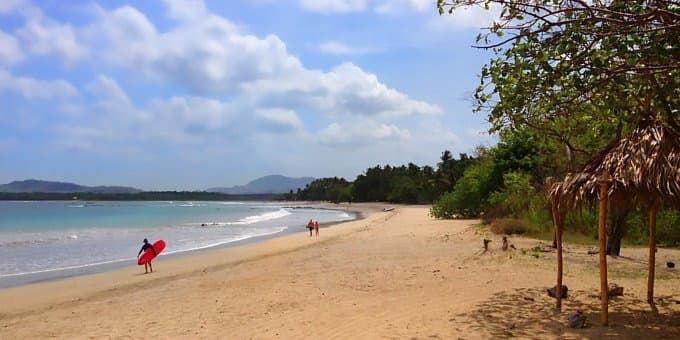
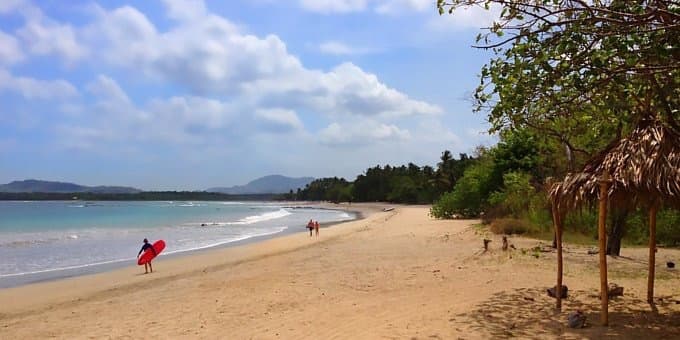
Tamarindo Beach
Tamarindo Beach · 120 min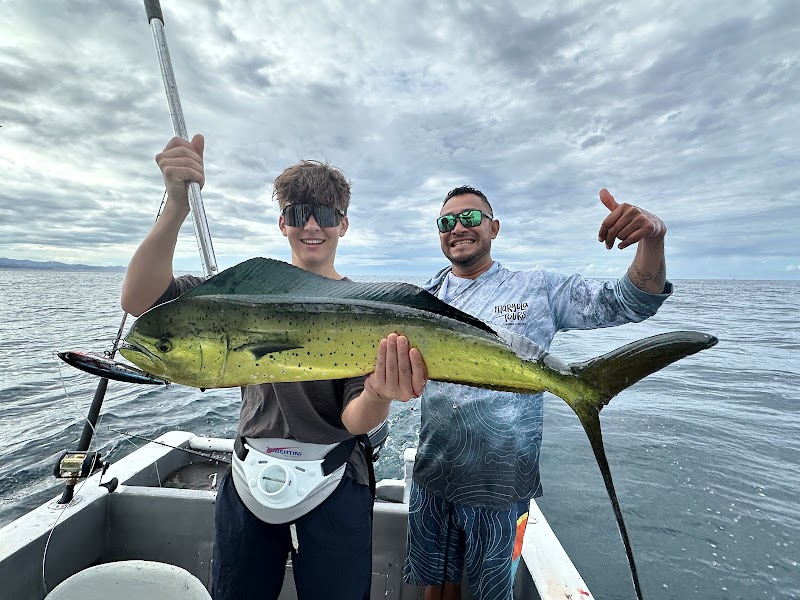
Tamarindo Estuary Boat Safari
Tamarindo Estuary · 120 min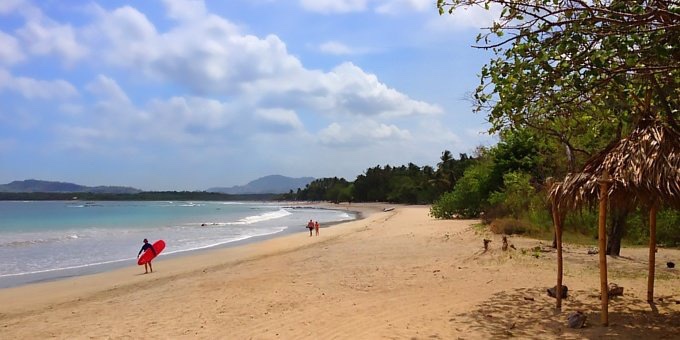
Tamarindo Town Walk
Tamarindo Center · 90 minMoney-Saving Tips
- 1.Eat at sodas (local restaurants) instead of beachfront spots to cut food costs in half
- 2.Buy groceries in Santa Cruz rather than Tamarindo to save 30-40% on basics
- 3.Book accommodations directly with hotels to avoid booking site fees
- 4.Rent surfboards from local shops ($20/day) instead of resort concierges ($35/day)
- 5.Take the public bus to San José for $8 instead of private shuttles at $50+
- 6.Happy hours start at 4 PM - take advantage before dinner prices kick in
- 7.Negotiate taxi fares upfront, especially for longer trips to beaches
- 8.Stay in Langosta or north of town for better accommodation value than the main strip
Travel Tips
- •Bring reef-safe sunscreen - regular sunscreen is banned to protect marine life
- •Pack a waterproof phone case for beach and water activities
- •Don't leave anything visible in rental cars - break-ins are common at beach parking
- •Book surf lessons in advance during high season (December-April)
- •Carry small bills - many places don't have change for large denominations
- •Download offline maps before heading to remote beaches with poor cell service
- •Respect wildlife viewing distances - especially with crocodiles in the estuary
- •Learn basic Spanish phrases - it goes a long way with local service staff
- •Bring insect repellent for evening activities near the mangroves
- •Check tide charts before planning beach activities - some beaches disappear at high tide