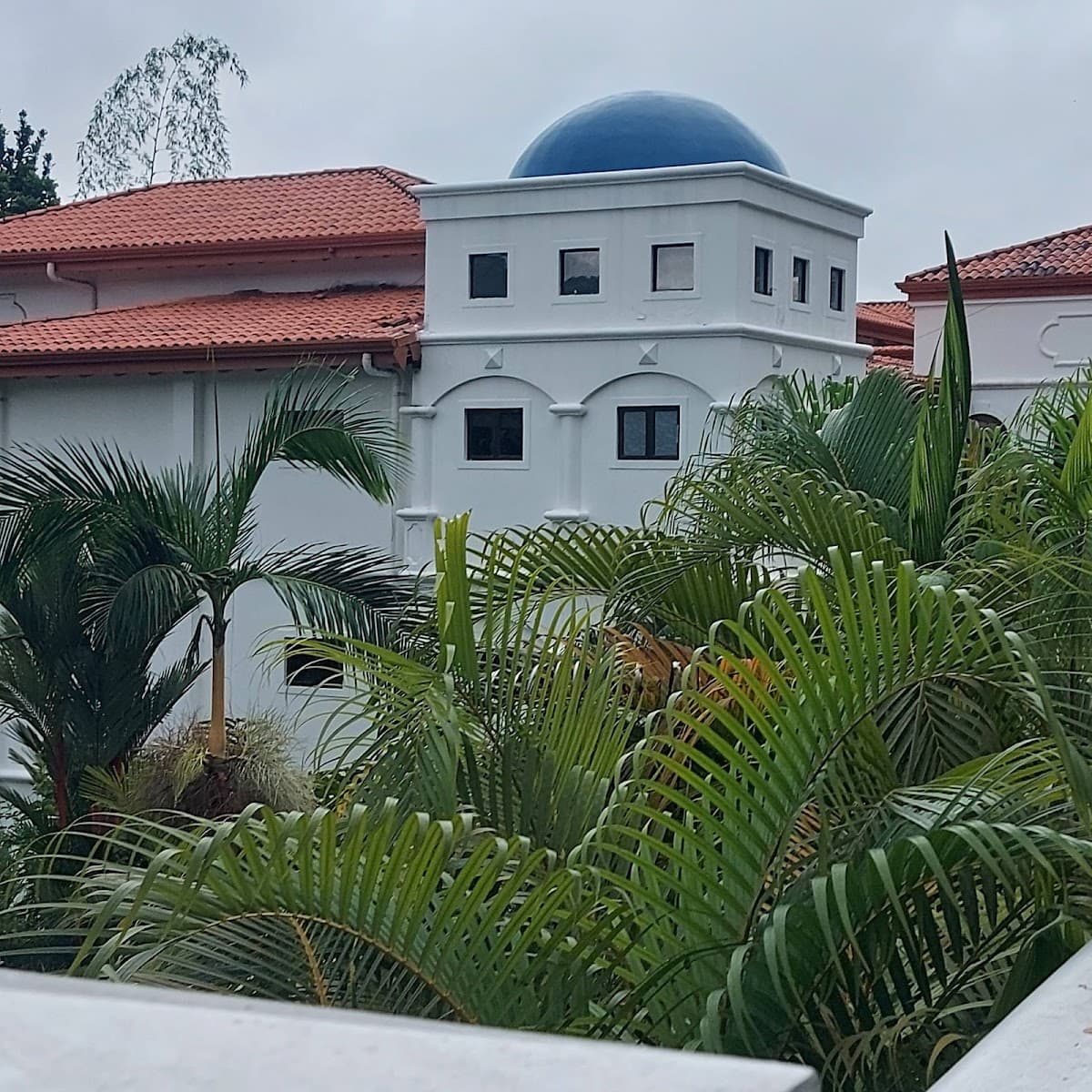
Manuel Antonio
Costa Rica's perfect blend of pristine beaches and wildlife
Manuel Antonio packs more punch per square mile than anywhere else in Costa Rica. You've got Manuel Antonio National Park on one side — where sloths hang out literally above the beach — and some of the country's best surf breaks on the other. The town sits on a narrow strip between jungle-covered hills and the Pacific, which means you can spot monkeys at breakfast and be body-surfing by lunch. Sure, it's touristy. But there's a reason everyone comes here: it actually delivers on the promise of tropical paradise without making you work too hard for it.
Best Months
JAN · FEB · MAR · APR · DEC
~30°C · high crowds
Culture & Context
LGBTQ-FRIENDLY CONSERVATION HUB
Manuel Antonio is about as tourist-heavy as Costa Rica gets. It's not the place to come for an off-the-beaten-path cultural experience. The road from Quepos is lined with restaurants aimed squarely at foreign visitors, and most park interactions involve tour operators rather than local community life. That's the honest reality.
But the 'Pura Vida' ethos is genuine. Ticos (Costa Ricans) are warm, patient with struggling Spanish speakers, and genuinely proud of their national park system. Costa Rica abolished its military in 1948 and redirected that funding into education and conservation. It shows. The country protects around 25% of its land as reserves and parks. Manuel Antonio National Park is the most visited in Costa Rica, which creates pressure on the ecosystem, which is exactly why tickets are capped and Tuesdays are closed for maintenance.
The area has a well-established and welcoming LGBTQ+ community, with several gay-friendly hotels, bars, and events. Manuel Antonio is often cited as one of the most LGBTQ-friendly destinations in Central America.
Scarlet macaws were once nearly extinct in this region. A successful conservation effort brought them back and you can now spot them regularly along the hill road. The Kids Saving the Rainforest organization does active wildlife rescue and rehabilitation work here, including building the blue rope monkey bridges you'll see strung over the road.
Local Customs
CLOSED TUESDAYS PLAN AHEAD
The national park is CLOSED every Tuesday for maintenance. This catches a lot of people off guard. Plan accordingly..
Buy your park tickets online through sinac.go.cr well in advance.
During December-April peak season, tickets sell out 3-4 weeks ahead. There is no ticket window at the entrance. Show up without a booking and you're turned away..
No single-use plastics, drones, alcohol, or speakers inside the national park. Bags are checked at the entrance. Food restrictions apply too: no chips or cookies allowed in..
Don't feed the monkeys. They'll steal your lunch anyway, but deliberately feeding them is bad for their health and technically illegal. Guard your bags the second you sit on the beach inside the park..
Directions work by landmarks, not street addresses. You'll be told to turn '200 meters north of the church' or 'in front of the soccer field'. Street signs are minimal.
Download offline maps before you go.. Restaurant bills include a 10% service charge automatically. Leaving a small extra tip on top is appreciated but not required..
Costa Ricans use 'usted' (the formal 'you') as the default with strangers, including in casual settings. Don't be surprised if a waiter addresses you very formally.. US dollars are widely accepted in tourist areas, but you'll often get change back in colones.
Having small USD bills and some colones is useful.
Safety
WATCH YOUR BELONGINGS ALWAYS
Manuel Antonio is generally safe by Costa Rican standards, but petty theft is the real thing to watch out for. Don't leave anything in your car, especially on the hill road. Beach theft happens too: the moment you go swimming, your bag on the sand is a target. Go with a group or use waterproof pouches that stay on your body.
Don't walk alone at night, particularly in downtown Quepos. Evening taxis are cheap and worth using. Avoid carrying large amounts of cash anywhere.
Rip currents are genuinely dangerous on the Pacific coast. The US State Department notes they're responsible for numerous drownings of tourists each year. Most beaches have no lifeguards. Ask locals or hotel staff exactly where it's safe to swim before getting in the water. Playa Manuel Antonio inside the park is generally calmer than Playa Espadilla outside it.
One specific scam: fake parking attendants in fluorescent vests near the national park entrance claim to be affiliated with the park. They are not. Stick to marked private lots or the public lot near the entrance.
Another: unofficial guides will approach you at the park entrance offering wildlife tours. Only hire guides through the official park system or pre-booked operators.
Crocodiles have been known to enter waters near river mouths. Ask before you swim in any riverine areas.
The US State Department has Costa Rica at Level 2: Exercise Increased Caution, primarily due to crime. This applies more to certain areas of San José than to Manuel Antonio, but stay alert.
Getting Around
LOCAL BUS IS EASIEST
Getting here: fly into San José (SJO) and either take the 3.5 to 4-hour bus ($10 one-way from San José), book a shared shuttle ($70/person with Interbus), or rent a car ($40-65/day for economy). The fastest option is a 25-minute domestic flight from San José to the small Quepos airstrip (XQP) for around $80 one-way. Worth it if you hate long drives on winding mountain roads.
Once there: the area is one long, steep 7km road (Route 618) connecting Quepos to the park entrance. Don't expect to walk it comfortably. The Quepos-Manuel Antonio local bus runs every 30 minutes for about $0.50-1.50 and is genuinely the easiest way to get from your hotel to the park. Taxis from Quepos to the park run $8-12. Uber works but expect 10-15 minute wait times.
Renting a car makes sense if you want to explore beyond the immediate area (Nauyaca Waterfalls, Dominical, etc.). But parking at the park is a headache during peak season. Free parking near the entrance fills up by 8-9am. Paid private lots charge around $5-7. Watch out for unofficial-looking guys in yellow vests claiming to have "official" parking. They don't.
Useful Phrases
Where to Stay in Manuel Antonio
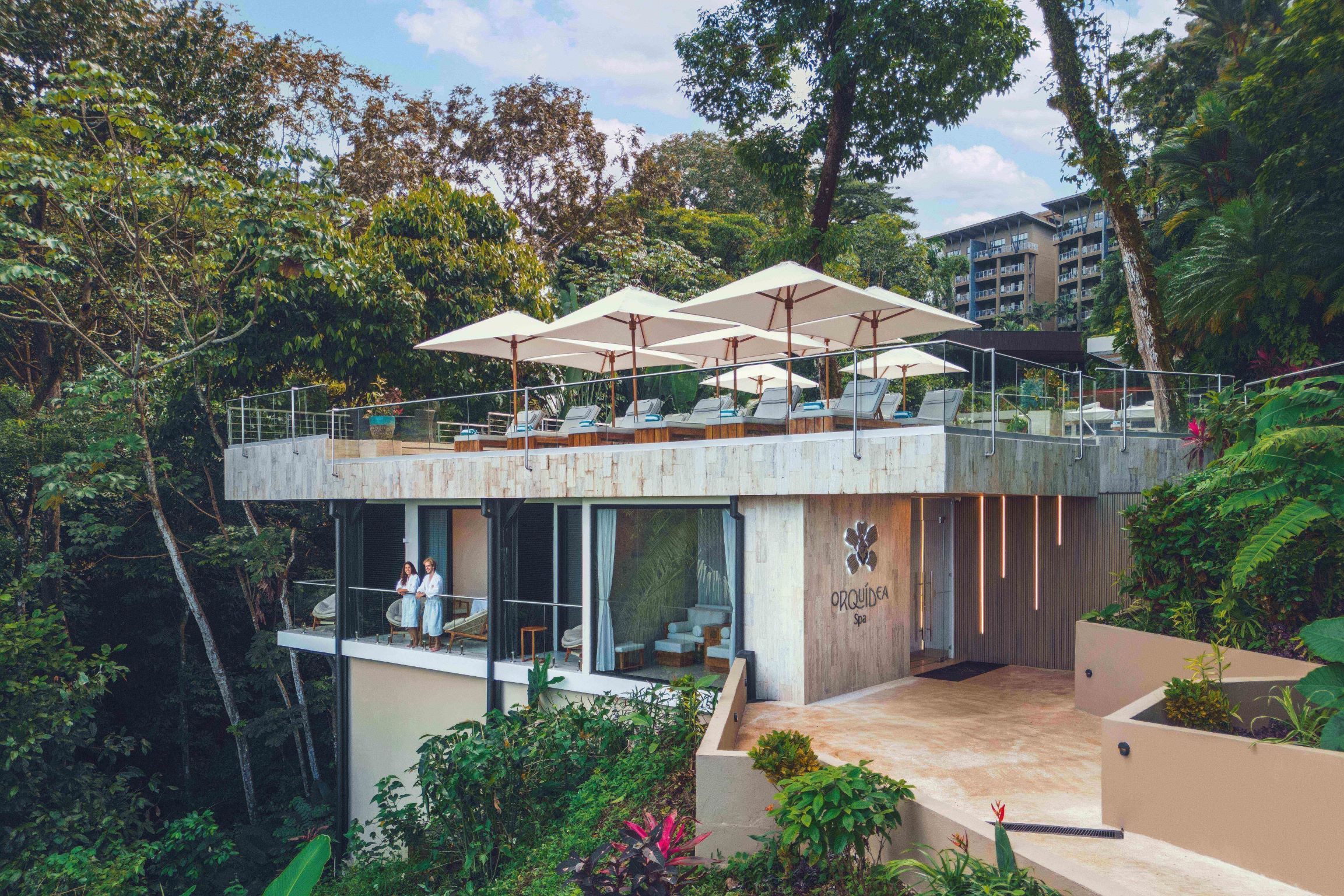
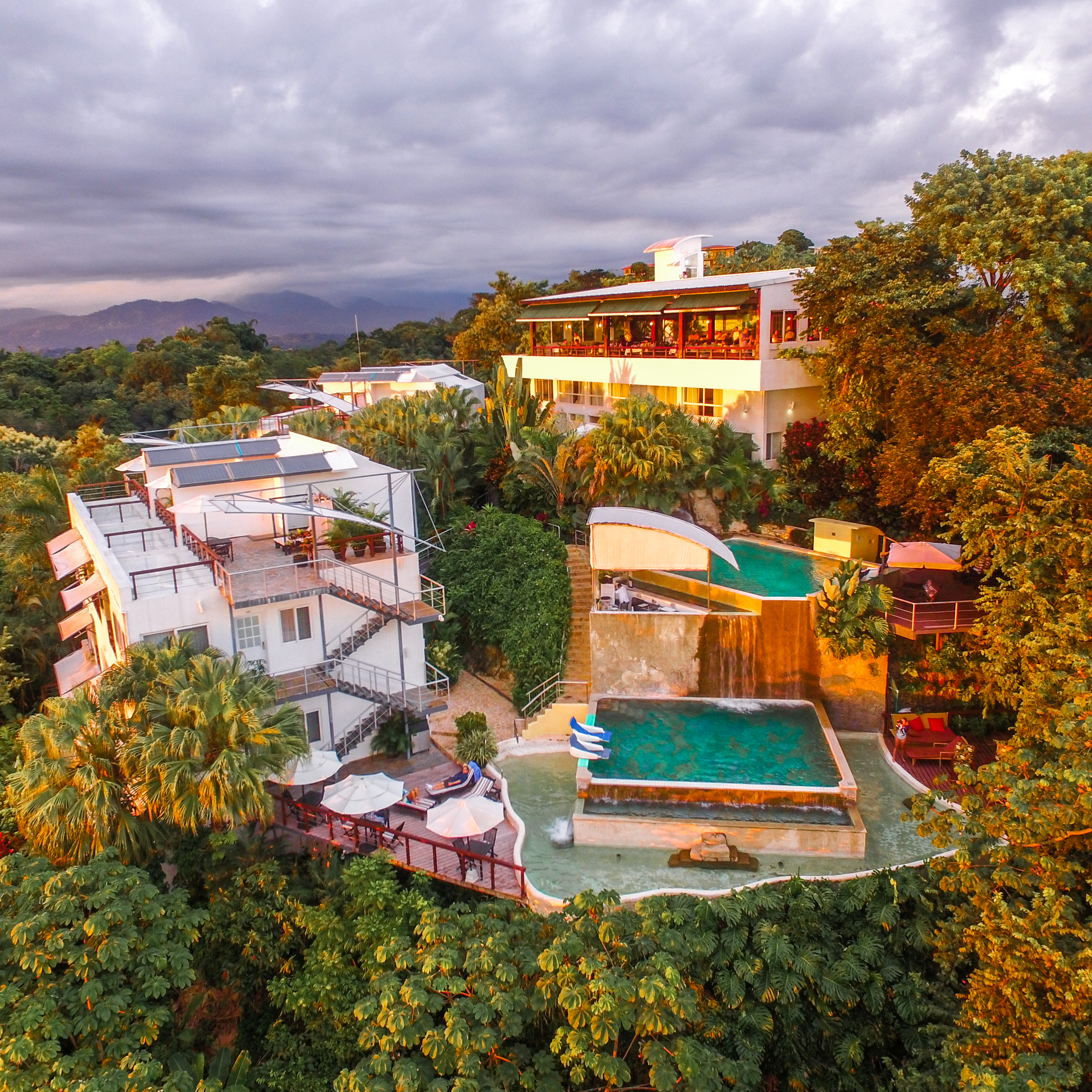
2 recommended properties
Money-Saving Tips
- 1.Stay in Quepos instead of Manuel Antonio village to save 30-40% on accommodation
- 2.Buy groceries at Super Joseth in Quepos rather than beachside tourist markets
- 3.Take the $1 public bus between Quepos and Manuel Antonio instead of $8 taxis
- 4.Visit during shoulder season (May-August) for 30% cheaper hotels with morning sunshine
- 5.Pack your own snorkeling gear — rental shops charge $15-20 per day
- 6.Eat lunch at local sodas in Quepos for $4-6 meals instead of $15-20 tourist restaurants
- 7.Book tours directly with operators rather than through hotel concierges who add markup
- 8.Bring a reusable water bottle — restaurants charge $2-3 for bottled water
- 9.Park at free spots in Quepos and take the bus to Manuel Antonio National Park
- 10.Buy coffee beans from Café Milagro to take home instead of overpriced airport shops
Travel Tips
- •Arrive at Manuel Antonio National Park by 7am to avoid crowds and see more wildlife
- •Bring reef-safe sunscreen — regular sunscreen is banned in the national park
- •Download offline maps before arriving — cell service can be spotty in the mountains
- •Pack insect repellent for early morning and evening wildlife tours
- •Hire a local naturalist guide at the park entrance for $20 to spot animals you'd miss alone
- •Keep car windows up and doors locked — monkeys will steal food and shiny objects
- •Book popular restaurants like Gabriella's in advance, especially during dry season
- •Bring a waterproof bag for your phone and camera during boat tours and water activities
- •Exchange money in Quepos — ATMs near the beach charge higher fees
- •Learn basic Spanish phrases — English isn't as widely spoken as in other tourist areas
- •Check tide tables before planning beach days — some activities work better at specific tides
- •Wear closed-toe shoes for hiking trails — flip-flops won't cut it in the national park
Frequently Asked Questions
Explore Manuel Antonio
BUILD YOUR
MANUEL ANTONIO PLAN
Insider picks, smart timing, and a plan ready when you are.
Start Planning