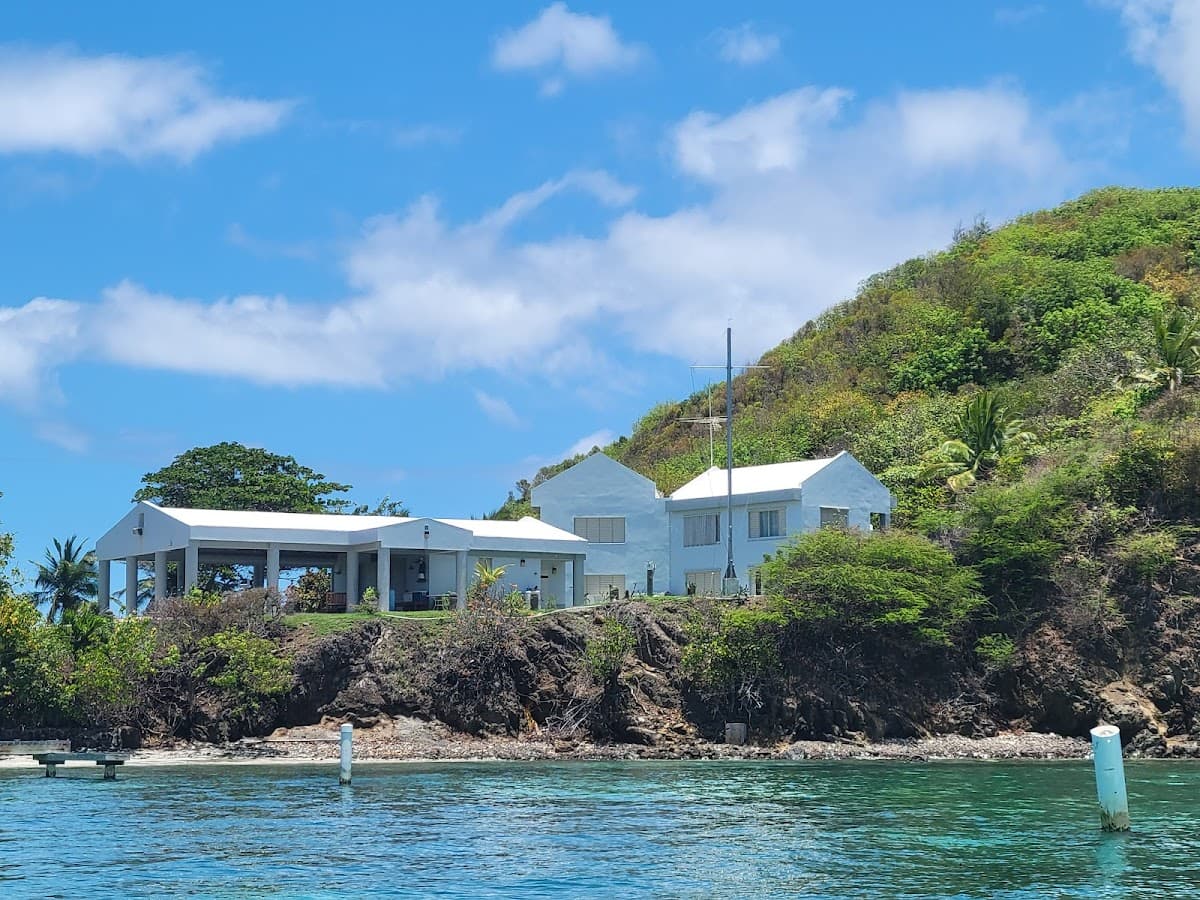
Fajardo
Puerto Rico's bioluminescent bay and sailing paradise
Fajardo sits on Puerto Rico's eastern tip like a secret waiting to be told. This isn't your typical beach town — though the beaches here are spectacular. It's where the Caribbean Sea meets adventure, where microscopic organisms light up the water like underwater stars, and where some of the world's best sailing happens just offshore.
Most people rush through Fajardo on their way to Culebra or Vieques. Big mistake. The town itself pulses with local life, from the fishermen hauling in their catch at dawn to families gathering for weekend barbecues at Balneario Seven Seas. And then there's Laguna Grande — one of only five bioluminescent bays in the world.
But here's what makes Fajardo special: it's real Puerto Rico. No resort bubble, no manufactured experiences. Just a working port town that happens to sit next to some of the most incredible natural wonders in the Caribbean.
Best Months
JAN · FEB · MAR · APR · MAY · DEC
~29°C · high crowds
Culture & Context
BORICUA PRIDE, ISLAND TIME
Fajardo calls itself "La Metrópolis del Sol Naciente" (Metropolis of the Rising Sun) — a nod to its position on Puerto Rico's easternmost coast. It's a working port town that also happens to have some of the best access to the island's natural highs. Locals are Boricuas, and that identity runs deep.
There's a real pride in the food, the music, the ocean, and the festivals. The Catholic roots show up in everything from the July patron saint festival to the way families organize their weekends. Island time is not a stereotype — it's a fact of life.
When someone says "ahorita" (in a bit), that could mean twenty minutes or three hours. Plan loosely. English is technically an official language alongside Spanish, but Spanish dominates daily life in Fajardo more than in San Juan.
A few words of Spanish go a long way and will get you genuine warmth from locals. The town is also the gateway for day trips to Culebra and Vieques, so many visitors blow through without actually spending time here — which means if you slow down and stay, you get a less packaged version of the northeast coast.
Local Customs
FERRY LOCALS BOARD FIRST
Locals board the ferry first — always. Residents have priority boarding, especially elderly passengers who use a separate gate. Hang back, be patient, and don't grumble about it..
Island time is real. Schedules at the ferry, festivals, and casual meetups run on a looser clock than you might be used to. Build buffer into everything..
Patron saint festivals (Fiestas Patronales) are family events, not party-tourist events. Kids are there. Grandparents are there.
Respect the space.. At seafood spots around Las Croabas, you order at the counter or from a server who may only speak Spanish. Pointing at the menu works fine, but a few words go further than you'd think..
Kioscos (open-air food stalls) are cash-preferred. Carry small bills — $1s and $5s make everything smoother.. On June 23 (Noche de San Juan Bautista), the tradition is to fall backward into the ocean at midnight three times to wash away bad luck.
Join in if you're near a beach that night.. Don't leave anything in your car at beach parking lots. Petty theft at beach areas is the most common issue visitors run into..
Hurricane season runs June through November. Enable weather alerts on your phone if you're visiting during those months.
Safety
WATCH YOUR CAR
Fajardo is generally safe for visitors and sits on the list of recommended tourism corridors in Puerto Rico. The main thing to watch: don't leave anything visible in a parked car, especially at beach lots. Petty theft is the most common issue.
At night, stick to main streets and well-lit areas — downtown and the marina strip are fine, but rural roads after dark deserve caution (potholes are also a real hazard). Hurricane season runs June through November. Enable emergency weather alerts on your phone if you're visiting during those months, and know your hotel's evacuation protocol.
The Noche de San Juan Bautista beach gathering on June 23 gets very crowded — watch your belongings and stay with your group near the water at midnight. Water safety: Seven Seas Beach has lifeguards. The bioluminescent bay tours are guided, so that's low-risk.
Open-water snorkeling around the cays is generally calm but check conditions before heading out independently.
Getting Around
RENT A CAR
You need a car. That's the honest answer. Rent one at San Juan airport (SJU), take Route 66 east to Route 3, and you're in Fajardo in about an hour without traffic.
Economy cars run $35–55/day. Uber works for the San Juan-to-Fajardo run (around $60) but becomes unreliable once you're in town and want to move around the different barrios. The publico van system (shared minibuses called guaguas) covers the Fajardo-to-Río Piedras route for $5.
50 — cheap but slow, doesn't run Sundays, and stops at 3:30pm. Good for a one-way budget trip but not reliable for day-tripping. For Culebra and Vieques: the ferry now departs from the Ceiba terminal (Roosevelt Roads), not Fajardo town.
Tickets are $2 per person at the terminal or $5 online. Summer ferries sell out fast — some travelers show up at 3am and still miss the 6am boat. The smarter move is flying from Ceiba Airport, which runs about $40 round-trip.
The ferry is fine for the return leg, especially early morning. Call the terminal at (787) 497-7740 for reservations, though be warned they're not always great at picking up. For water taxis to the nearby uninhabited cays (Icacos, Palomino, Palominito), book through a marina-based tour company rather than winging it at the dock.
Useful Phrases
Fajardo Itineraries

Things to Do in Fajardo
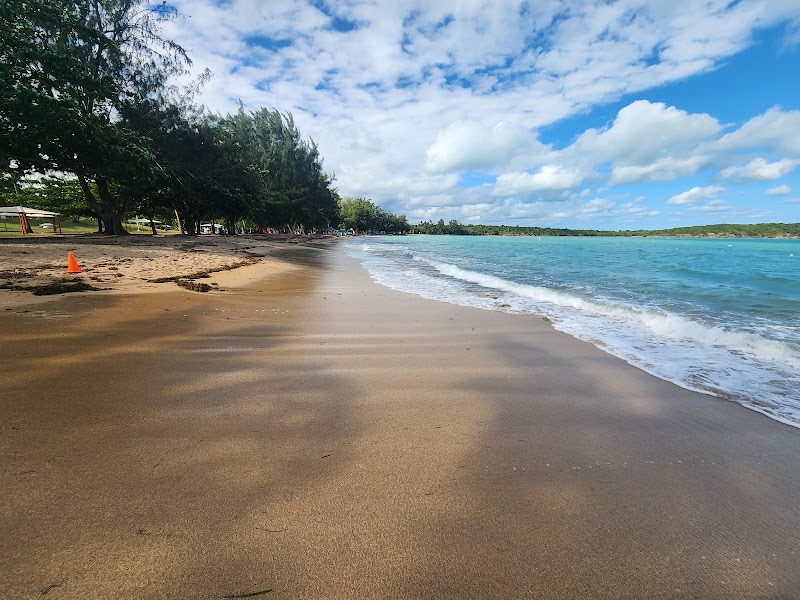
Seven Seas Beach
Seven Seas / Las Cabezas Coast (2) · 150 min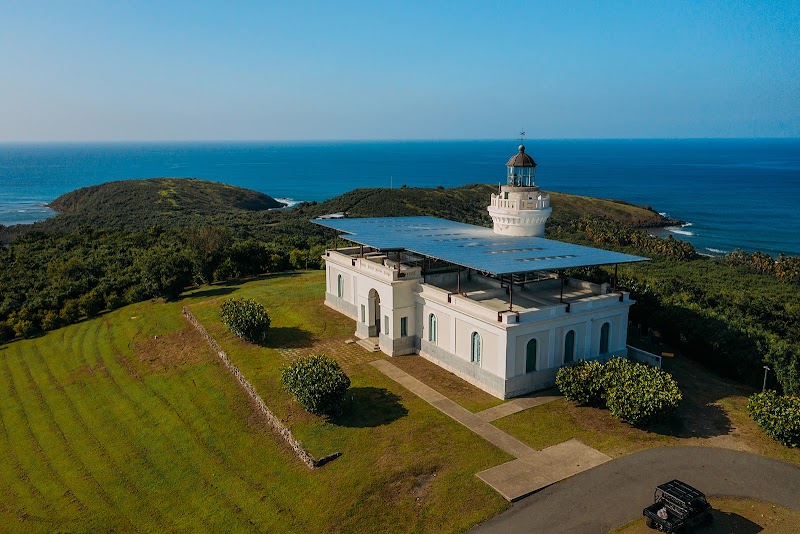
Reserva Natural Cabezas de San Juan Visitor Area (Easy Walk & Lookouts)
Las Cabezas / Lighthouse Area (2) · 120 minMoney-Saving Tips
- 1.Bio bay tours range from $35-75 per person. The kayak tours cost less but you'll get wet. Glass-bottom boat tours cost more but stay dry.
- 2.Ferry to Culebra costs just $2.25 each way, but parking at Ceiba ferry terminal is $15 per day. Factor that into your budget.
- 3.Beaches are free, but parking at Seven Seas costs $4. Bring quarters for the meters.
- 4.Local food trucks and kioskos offer meals for $8-12. Resort restaurants will cost $25-35 per entree.
- 5.Car rental is essential — expect $35-50 per day. Book ahead during peak season when prices jump.
- 6.Many bio bay tour companies offer package deals with snorkeling or El Yunque visits. These can save $20-30 per person.
- 7.ATMs are limited outside the main town area. Bring cash for food trucks and small vendors.
Travel Tips
- •Book bio bay tours for new moon nights when bioluminescence is brightest. Check lunar calendars when planning.
- •Bring reef-safe sunscreen only. Regular sunscreen kills the microorganisms that create bioluminescence.
- •Download offline maps. Cell service gets spotty in El Yunque and some coastal areas.
- •Pack bug spray for El Yunque hikes and evening bio bay tours. The mosquitoes here don't mess around.
- •Seven Seas beach gets packed on weekends. Arrive before 10am or after 4pm for parking and space.
- •Learn basic Spanish phrases. English is less common here than in San Juan tourist areas.
- •Bring a waterproof phone case for bio bay tours and beach days. You'll want photos but electronics and saltwater don't mix.
- •Check ferry schedules to Culebra/Vieques before planning day trips. Service can be irregular, especially during rough weather.
- •Pack layers for El Yunque. It's 10-15 degrees cooler in the rainforest and can rain without warning.