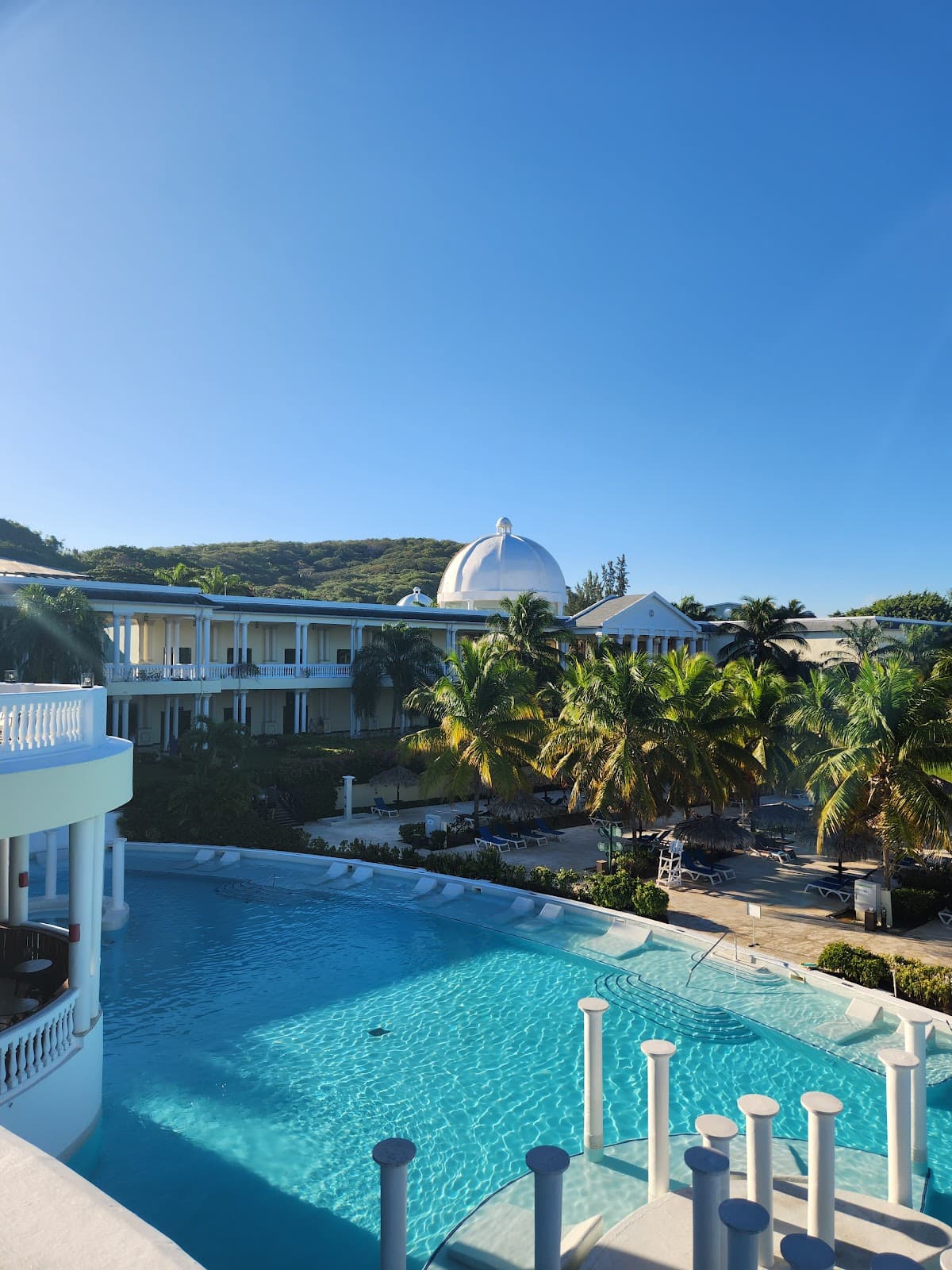
Montego Bay
Jamaica's vibrant beach capital with reggae soul
Montego Bay hits different. This isn't just another Caribbean beach town — it's where reggae was born, where luxury resorts share coastline with local fish shacks, and where Doctor's Cave Beach has been drawing visitors since the 1920s. The city pulses with an energy that's part tourist playground, part authentic Jamaica. You'll hear patois mixing with tourist chatter at Hip Strip, smell jerk chicken grilling on Cornwall Beach, and feel that island rhythm that makes everything move a little slower. Sure, it can feel touristy around the hotel zone. But venture into downtown MoBay or catch a sunset at Walter Fletcher Beach, and you'll understand why this place has been Jamaica's gateway for decades.
Best Months
JAN · FEB · MAR · APR · DEC
~30°C · peak crowds
Culture & Context
REGGAE ISLAND CROSSROADS
Montego Bay has been Jamaica's tourist capital for decades, and that history is written all over it. The city sits in St. James Parish on the northwest coast and grew from a trading and export port into the country's busiest international arrival point, home to Sangster International Airport (MBJ).
That airport is the entry point for most of the island's visitors. The Hip Strip exists precisely because of that pipeline — it's a commercial strip that evolved organically alongside tourism, and it shows. But MoBay is not just a resort holding pen.
Downtown has real Jamaican street life, a cobblestone square named after national hero Sam Sharpe (who organized the 1831 Baptist War slave rebellion), and some of the best jerk food on the island. The local economy is split hard between the resort industry and everyday Jamaican life, and those two worlds don't always overlap. After Hurricane Melissa hit in late 2025 and caused significant damage to Catherine Hall and surrounding areas, there's an ongoing recovery process in parts of western Jamaica.
Most tourist infrastructure is operational or being actively rebuilt, but travelers should confirm specific venues and services before arrival. Music is not background noise here. Reggae and dancehall shaped Jamaica's global identity, and in MoBay that means live sound systems, impromptu street parties during festival seasons, and a constant soundtrack that follows you from the taxi to the beach to the bar.
Local Customs
HAGGLE & SAY NO FIRMLY
Haggling is expected at craft markets and from unlicensed vendors, but not at restaurants or proper shops. Not negotiating at the Harbour Street Craft Market is leaving money on the table.. Route taxis (red license plates) are shared — you squeeze in with strangers heading the same direction.
It's normal to say 'small up yuhself' to ask someone to make room. Don't expect a private ride for a route taxi price.. Tipping is common and appreciated in tourist areas.
Most restaurants add a 10–15% service charge automatically, so always check your bill before adding more.. Cannabis was decriminalized in Jamaica — possession of up to 2 ounces is a finable offense, not a criminal one. But smoking in public is still prohibited, and crossing any international border with cannabis is a serious crime, full stop..
Dress codes at churches and some local establishments expect modesty. Beachwear stays on the beach. Walking into a supermarket or a local spot in just a swimsuit is considered disrespectful..
Jamaicans are direct and warm, but persistent vendors can be relentless. A firm, calm 'no thank you' said once is enough — engaging or wavering just extends the sales pitch.. Bartering for taxi rides is standard with unlicensed cabs.
Always agree on the fare BEFORE getting in. The official airport taxi to the Hip Strip runs a flat $20 USD.. The culture is deeply tied to music.
Dancehall and reggae aren't just entertainment — they're the local news, the conversation, and the identity. Having even a basic knowledge of Jamaican artists earns immediate respect.. LGBTQ+ travelers should be aware that Jamaica has a deeply conservative stance on same-sex relationships.
Public displays of affection between same-sex couples can attract unwanted attention or hostility.
Safety
TOURIST ZONES VERY SAFE
The US State Department currently rates Jamaica as Level 3 (Reconsider Travel), largely due to crime. That sounds alarming, but for most tourists the risk is concentrated in specific inland neighborhoods, not beach areas or resort corridors. The areas the State Dept explicitly warns about in Montego Bay are on the inland side of the A1 highway and The Queen's Drive between San San and Harmony Beach Park.
Locals in the know flag neighborhoods like Flankers, Barrett Town, Norwood, Glendevon, Rose Heights, and Mount Salem as high-risk. You will almost certainly never have a reason to go to any of these areas as a tourist. Stick to the Hip Strip, Freeport, Ironshore, and Rose Hall and you're in a completely different risk category.
That said, petty crime is real. Pickpocketing happens on beaches and in crowded spots, especially when someone creates a distraction. Don't carry everything in one pocket.
Don't wear expensive jewelry or flash a new phone unnecessarily. Late-night solo walks, especially for women, carry real risk. Take a taxi back to your hotel after dark — the route taxis stop running reliably late at night anyway.
There are also persistent vendor and scam pressures: lottery ticket scams, unsolicited 'guides' who expect payment, and people who will try to intercept you leaving your resort. Walk confidently, say no once, and keep moving. Health note: Hurricane Melissa damaged healthcare facilities in western Jamaica.
Private hospitals require upfront payment. Ambulance response times are slower than Western standards. Travel insurance with medical evacuation coverage isn't optional here — it's genuinely necessary.
Common medications including insulin can be hard to find locally.
Getting Around
ROUTE TAXIS & PLANES
Sangster International (MBJ) is your arrival point. It handles the bulk of Jamaica's international flights and is literally inside Montego Bay — you're steps from the city. If you want to skip the immigration line, Club Mobay offers a fast-track service through security and customs.
Worth it if your flight arrives during a cruise ship day. Getting around the city: route taxis are the local standard. Look for red license plates.
A short trip costs around $1.58 USD (roughly 249 Jamaican dollars). You pile in with other passengers heading the same direction, tell the driver your stop, and pay when you get out.
It's cheap and it works, but you need to know where you're going and feel comfortable in tight quarters with strangers. For longer distances, the Knutsford Express coach is reliable and air-conditioned. The run to Negril costs about $14 USD.
Book in advance during festival season. Airport taxis to the Hip Strip run a flat $20 USD — this is the official licensed rate, but confirm it before getting in. Private tourist taxis (not route taxis) quote $60–100 for inter-city trips.
Renting a car gives you freedom, but Jamaica drives on the left and the roads between towns range from decent to genuinely rough. Most drivers are assertive — be confident or hire a local driver instead. For connectivity, grab a Digicel or Flow SIM card at the airport when you land.
Both have kiosks at Sangster. Far cheaper and more reliable than using an international plan or eSIM for Jamaica specifically.
Useful Phrases
Montego Bay Itineraries
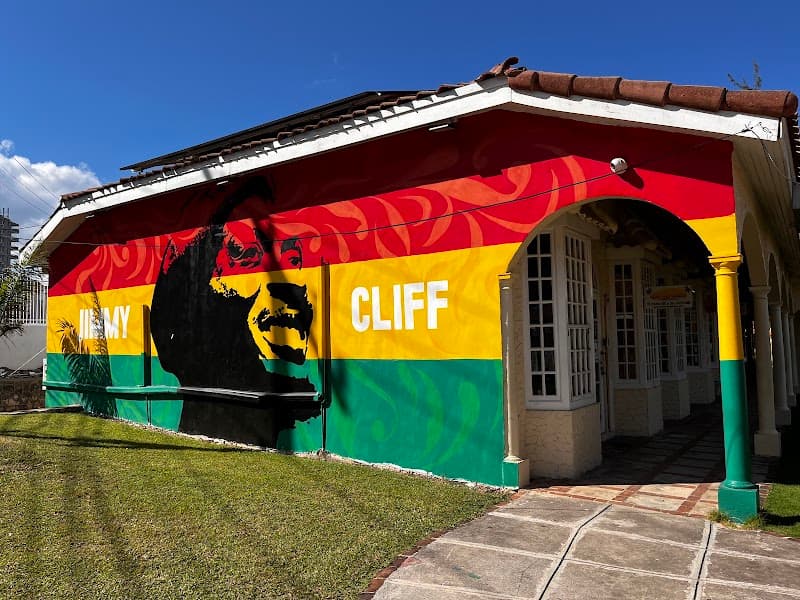
Montego Bay Weekend: Beaches, History, Jerk, and Nightlife
Weekend · $$$
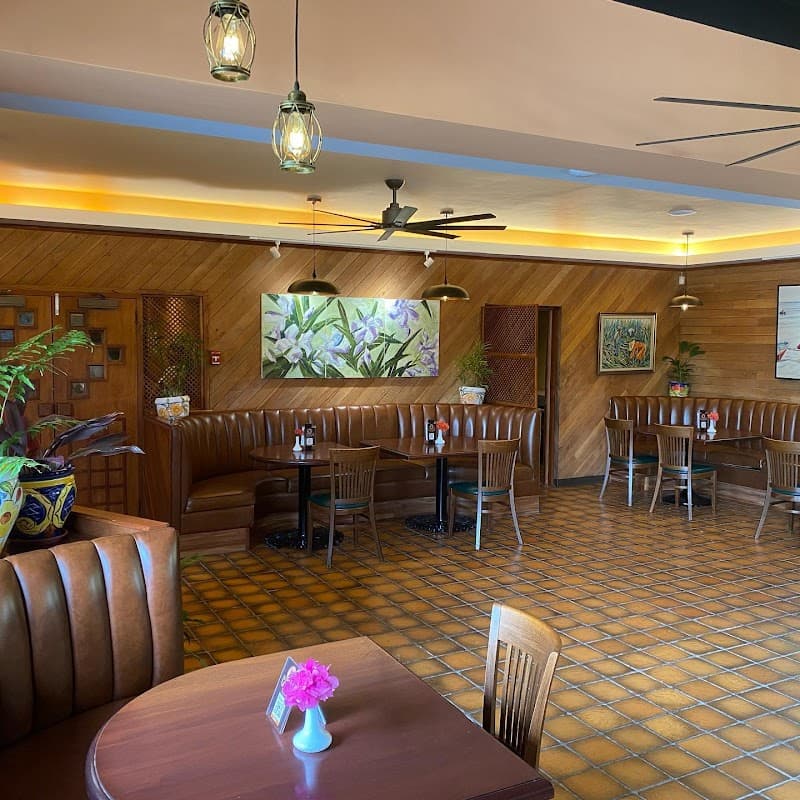
Slow Shores & Soulful Montego Bay Escape
Weekend · $$$

Montego Bay Adventure: Ziplines, Waves & Tropical Bliss
Weekend · $$
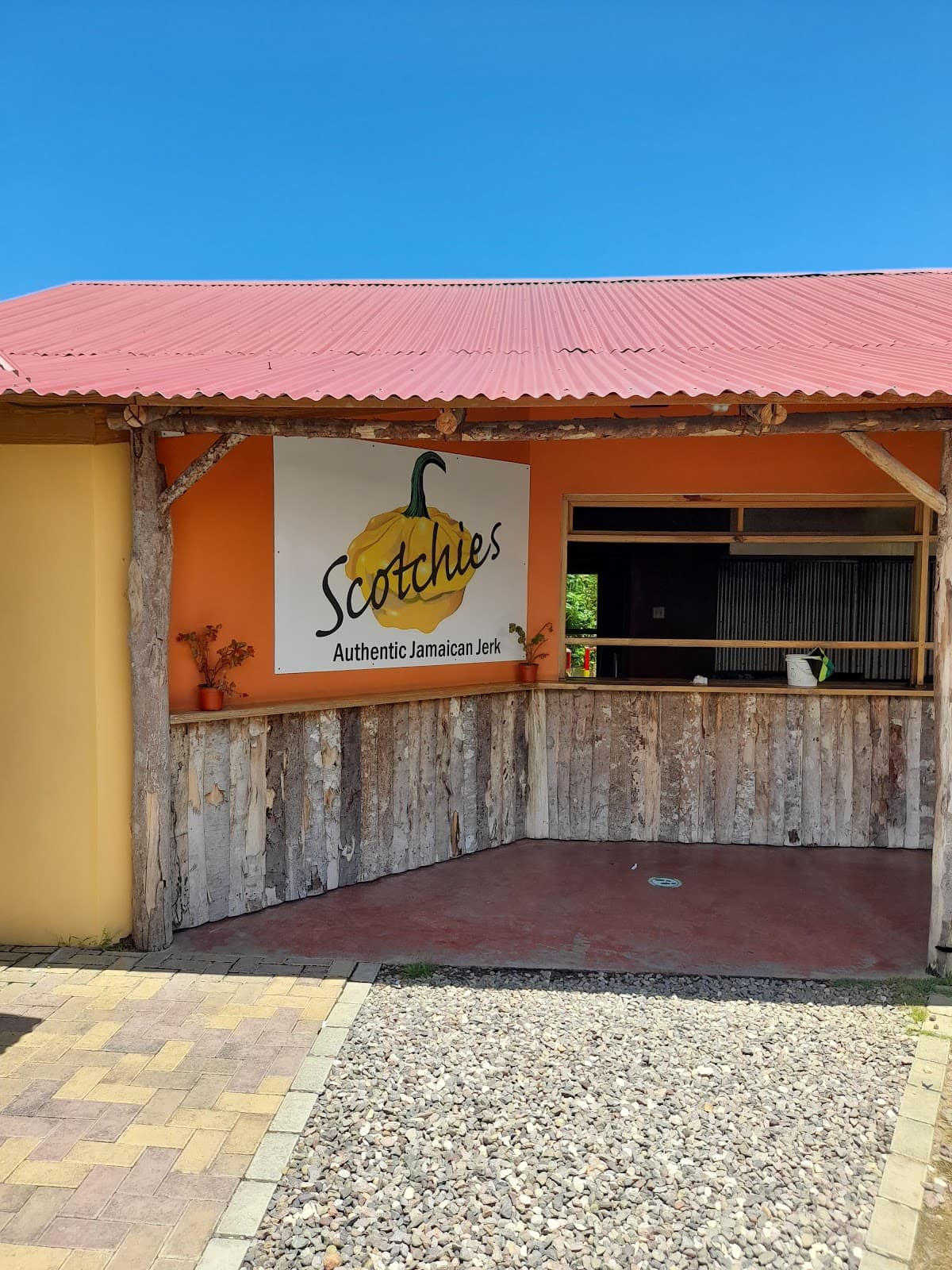
Montego Bay Tropical Foodie Day
Weekend · $$$
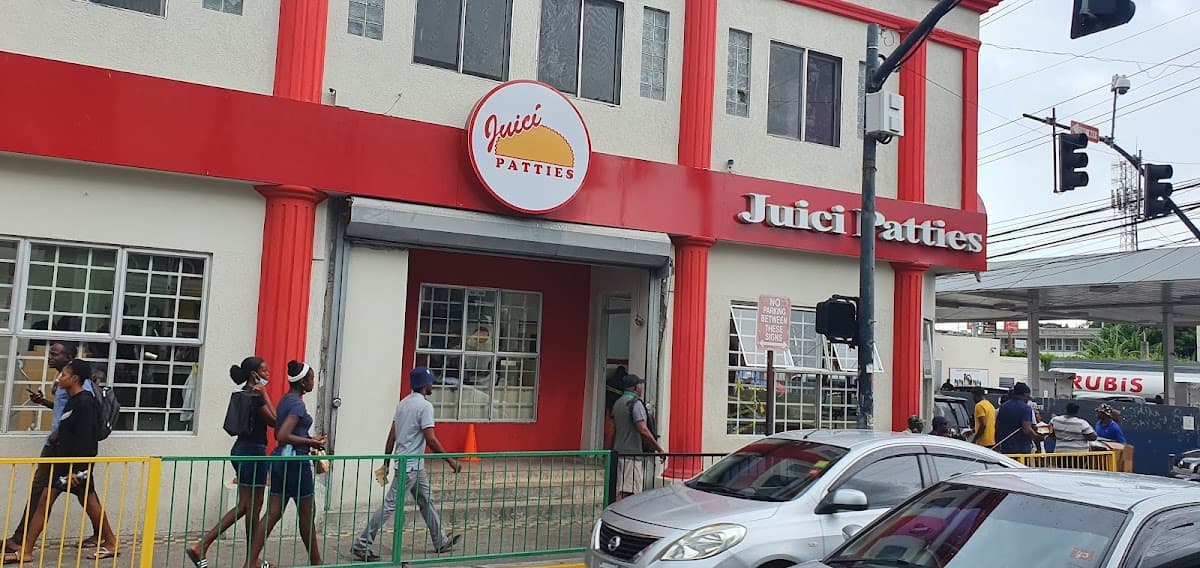
Relaxed Montego Bay Weekend: Food, Photos & Zipline Bliss
Weekend · $$$
Where to Stay in Montego Bay
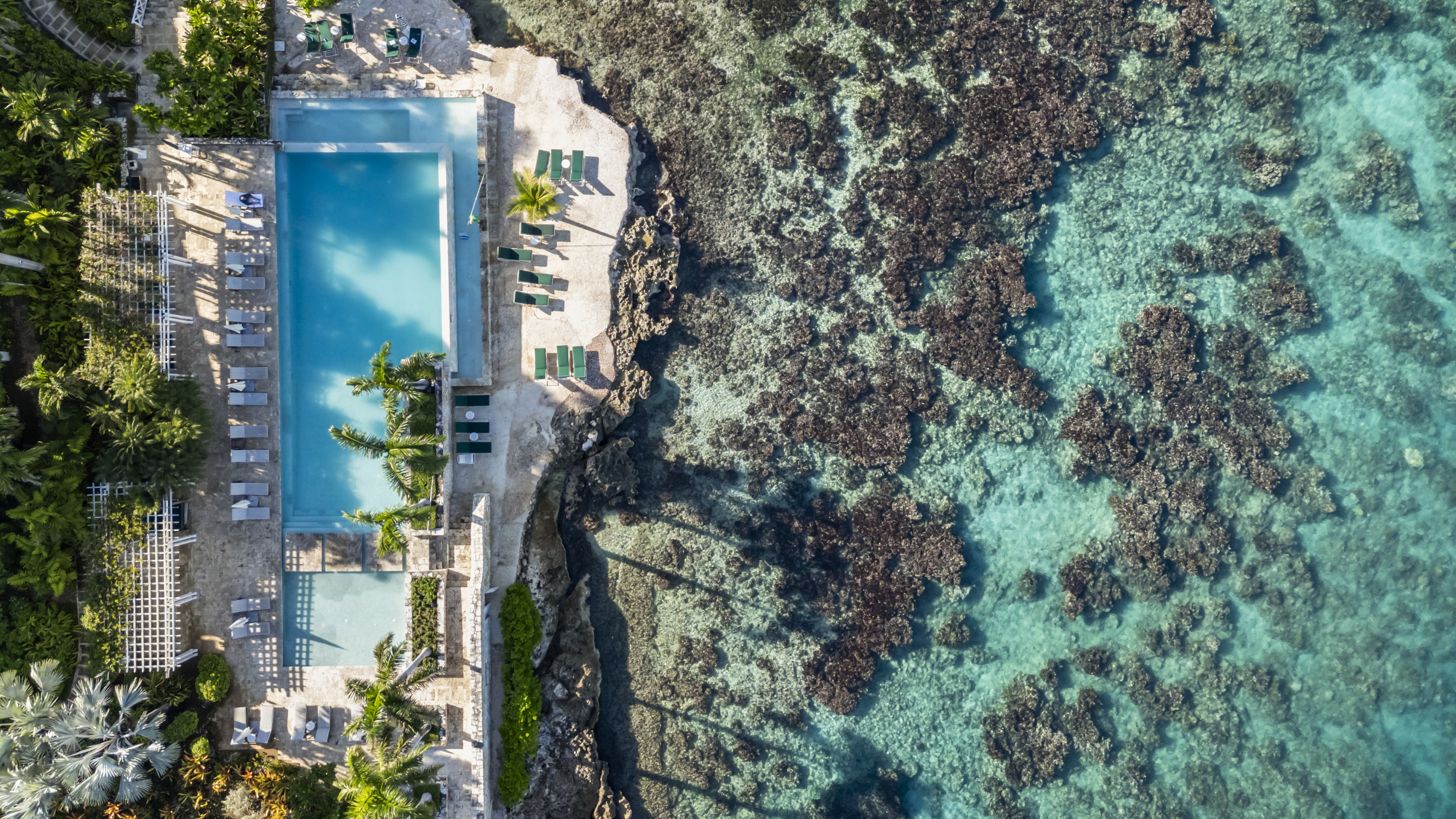
1 recommended properties
Things to Do in Montego Bay
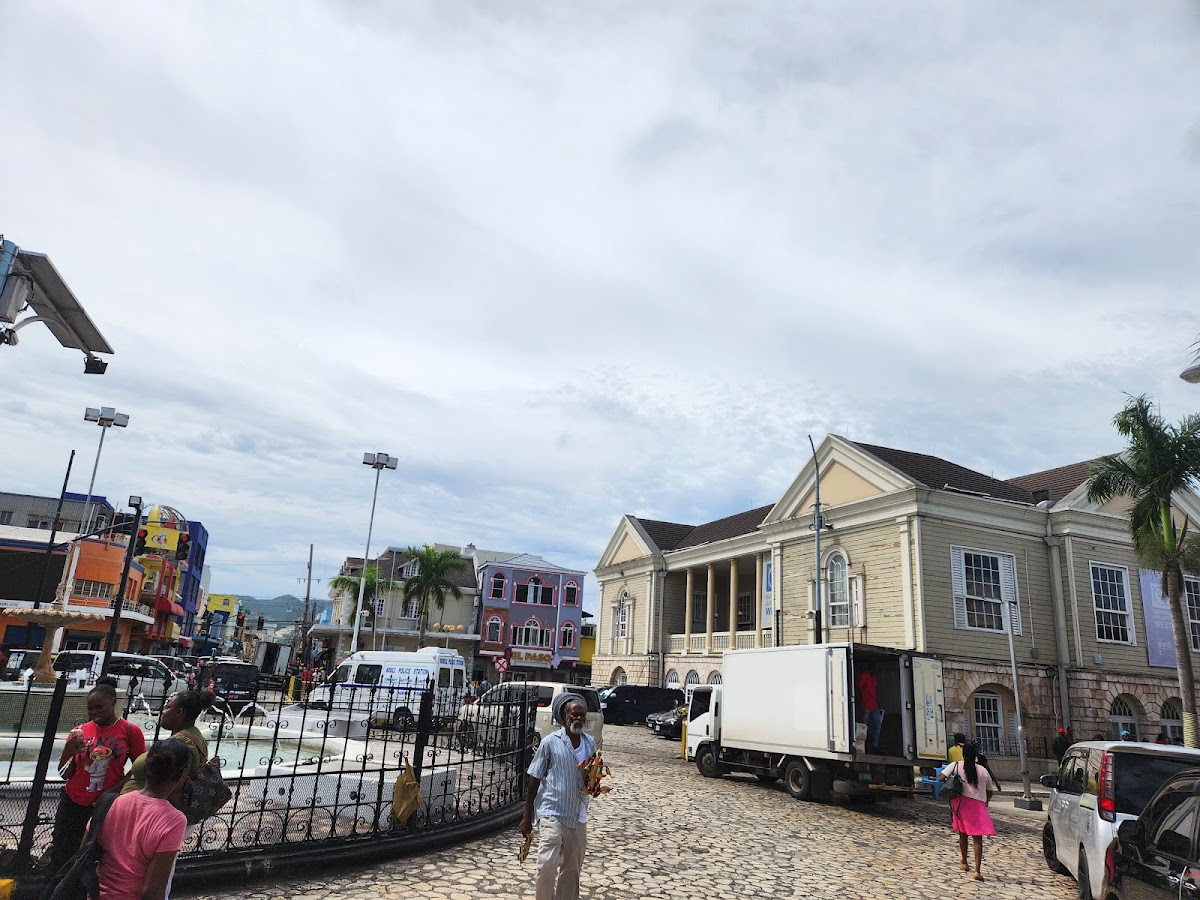
Sam Sharpe Square
Downtown Montego Bay · 60 min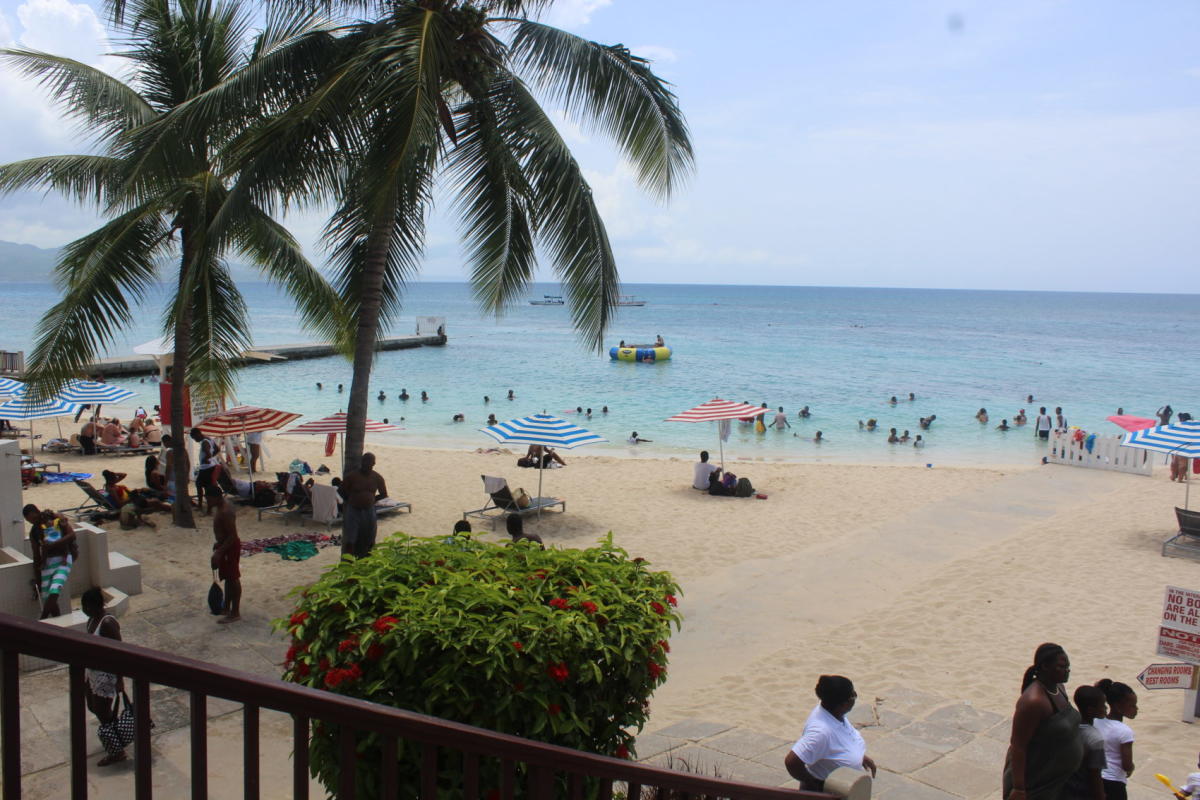
Doctor's Cave Beach
Doctor's Cave Beach · 120 min
Hip Strip (Carter Beach area)
Hip Strip · 90 minMoney-Saving Tips
- 1.Negotiate taxi fares before getting in — drivers often quote tourist prices that are 3x the local rate
- 2.Eat at local spots like Scotchies or Pork Pit instead of resort restaurants to cut food costs by 60%
- 3.Buy Blue Mountain coffee directly from roasters rather than hotel gift shops to save $15-20 per bag
- 4.Use route taxis (shared minivans) for $2 instead of private taxis for $15-25 for short distances
- 5.Shop at local markets like Montego Bay Craft Market for souvenirs — prices are 50% less than hotel shops
- 6.Book all-inclusive packages if you plan to drink heavily — individual cocktails cost $12-15 each
- 7.Visit during shoulder season (May-June or November) for 40% lower accommodation rates
- 8.Bring reef-safe sunscreen from home — resort shops charge $25 for bottles that cost $8 elsewhere
Travel Tips
- •Doctor's Cave Beach charges $6 entry but has the clearest water and best facilities in MoBay
- •Downtown Montego Bay shuts down on Sundays — plan shopping and local restaurant visits for weekdays
- •Sangster International Airport can have 2-hour immigration lines during peak season — factor this into arrival plans
- •Jerk seasoning varies wildly between vendors — ask for a taste before ordering if you're sensitive to heat
- •Most beaches have aggressive vendors — a firm 'no thank you' works better than engaging in conversation
- •Tipping is expected at 10-15% in restaurants and $1-2 per drink at bars
- •The sun is strongest between 11 AM and 3 PM — plan indoor activities or seek shade during these hours
- •Many attractions close at 5 PM sharp — start day trips early to maximize your time
- •Reef-safe sunscreen is required at marine parks — regular sunscreen can result in fines
- •Keep copies of your passport in separate luggage — hotel safes occasionally malfunction