Trinidad
Colonial time capsule in Cuba's musical heartland
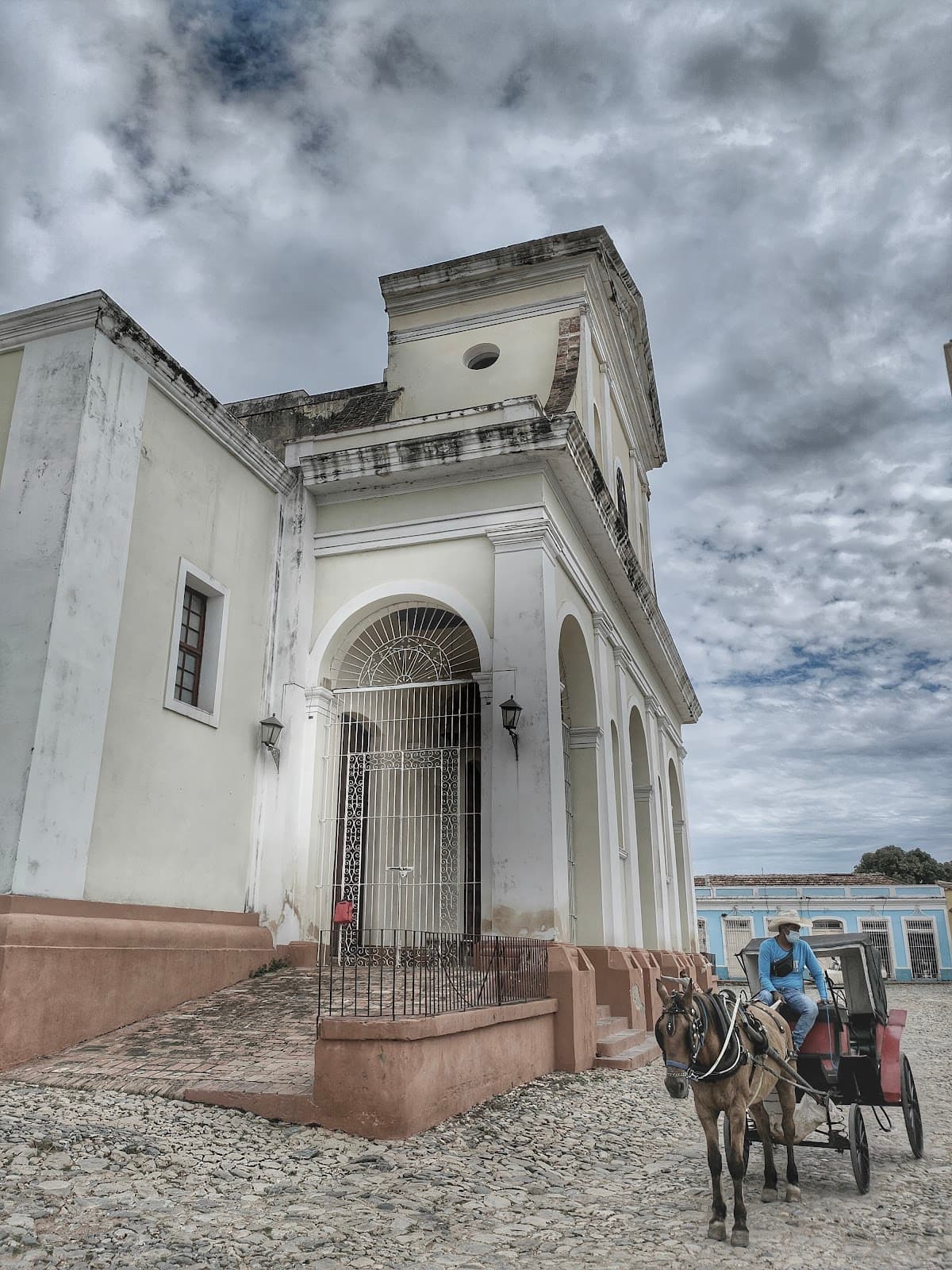
Trinidad feels like stepping into a colonial time machine that someone forgot to turn off. This UNESCO World Heritage city in central Cuba has barely changed since the 1850s sugar boom - cobblestone streets still echo with horse hooves, pastel colonial mansions lean against each other like old friends, and salsa music spills from every doorway after dark. Here's the thing: while Havana gets all the attention, Trinidad offers something more intimate. You can walk the entire historic center in 20 minutes, but you'll want to linger for days watching life unfold in Plaza Mayor and dancing until dawn at Casa de la Música.
Best Months
JAN · FEB · MAR · APR · NOV · DEC
~31°C · moderate crowds
Culture & Context
SUGAR RUINS & LIVE SON
Trinidad stopped developing in the early 1800s when the sugar boom collapsed, and what got frozen in amber was extraordinary. No modern buildings puncture the historic center. The cobblestones are originals.
The pastel mansions were built on sugar and slave labor, and the Valle de los Ingenios outside town still holds the ruins of over 50 mills. UNESCO recognized the whole thing as a World Heritage Site in 1988, which tracks. The music here is not performance for tourists.
Son cubano, guajira, and rumba are played nightly by musicians who learned from the generation before them. Afro-Cuban religious traditions (Santería) are very much alive. If a local family invites you to see their altar, that is a genuine privilege.
Accept. The town is more touristy than Cienfuegos and touts are persistent around the Plaza Mayor, but get a few blocks off the main drag and you're watching men play dominoes on stoops while kids chase each other through streets that dead-end into mud tracks. That Cuba is still there.
And be warned: street names exist in two versions, colonial and revolutionary. Locals often only know one. What one person calls Boca, another calls Piro Guinart.
Navigating by landmark is smarter than by address.
Local Customs
CASH ONLY, NEGOTIATE FARES
Cash is everything. Private paladares, casas particulares, and most local businesses don't have card machines. Bring more USD or Euros than you think you need..
Never say 'papaya.' The word is slang for female anatomy in Cuba. Ask for 'fruta bomba' if you want the fruit..
Street names have two versions: old colonial names and post-Revolution names. Locals often only know one version. Navigate by landmark, not by address..
Always agree on a taxi fare before getting in. State taxis cost 3–5x more than unofficial ones. Negotiate calmly..
Book your Viazul bus tickets at least a day ahead. They sell out, especially Havana–Trinidad. In-person at the station is often cheaper than booking online..
Medical insurance is legally required to enter Cuba. Bring printed or digital proof or you'll buy a policy from Asistur at the airport for $4.50–7.
50/day.. Don't exchange money with people approaching you on the street. The risk of receiving forged notes is real..
Bring any prescription medications you need. Cuba's health system is good in theory but chronically short on pharmaceuticals.. Ask before photographing people.
It's common courtesy that goes a long way, especially with older Cubans.. Fuel shortages affect car rentals. If you're renting, have a backup plan.
Your casa host is your best resource for sorting reliable transport.
Safety
PETTY THEFT, NOT VIOLENT
Trinidad is one of the safer places in Cuba and safer than most small towns across Latin America. Violent crime targeting tourists is rare. The bigger risks are petty theft (pickpocketing around busy Plaza Mayor) and being scammed, mainly by jinetera/jinetero touts who steer you to specific restaurants or casas for commission.
The US State Department gives Cuba a Level 2 advisory (Exercise Increased Caution), which puts it on par with dozens of other destinations people visit without incident. The UK advises caution due to ongoing economic instability and civil unrest at a national level. Rolling blackouts are a real logistics issue, not a safety one, but they affect internet, traffic lights, and ATMs.
Walk back to your casa before it gets completely dark on unlit backstreets. Don't exchange money on the street. Bring all your own medications.
Medical facilities in Trinidad are limited; anything serious means getting to Havana.
Getting Around
WALKABLE CENTER, VIAZUL BUSES
Getting to Trinidad takes some planning. From Havana, the Viazul state bus costs $25 and takes 6 hours 50 minutes, departing at 7:00am, 10:45am, and 2:15pm. Book at least a day in advance, in person at the station if possible (slightly cheaper than online).
Taxi collectivos (shared cars) do the same route in 4–5 hours for $15–25 per person and are more flexible. From Cienfuegos it's just $6 and 1.5 hours, easily the most comfortable approach.
Once in Trinidad, the historic center is entirely walkable in under 20 minutes. Bikes rent for $3–5 a day. Horse-drawn carriages are the authentic local transport option and double as decent photo opportunities.
For Playa Ancón (12km south), an irregular local truck runs for $0.25, or negotiate a private driver for around $5 round-trip. The Transtur beach bus runs from the office on Lino Pérez at 9am, 11am, 2pm, 4pm, and 7pm for $2 per person.
Don't count on renting a car in 2026. Fuel shortages make it unreliable and your casa host can usually arrange point-to-point transport for less hassle.
Useful Phrases
Explore Cities
Explore the Region
Money-Saving Tips
- 1.Bring cash - credit cards barely work and ATMs are unreliable in Trinidad
- 2.Negotiate taxi fares before getting in, especially for day trips to beaches or valleys
- 3.Casa particulares offer better value than hotels and include breakfast for 5-8 CUC extra
- 4.Buy canchánchara ingredients at local stores rather than paying bar prices - rum, honey, and lime cost under 3 CUC total
- 5.Street pizza from windows costs 5-10 pesos versus 8-12 CUC at tourist restaurants
- 6.Horse cart rides should cost 1-2 CUC maximum - don't pay tourist prices of 5+ CUC
Travel Tips
- •Download offline maps before arriving - internet is spotty and expensive in Trinidad
- •Pack comfortable walking shoes with good grip for cobblestone streets
- •Bring a flashlight - street lighting is minimal after dark in the historic center
- •Learn basic Spanish phrases - English is limited outside main tourist areas
- •Book casa particular accommodations in advance during peak season (December-March)
- •Carry small bills - vendors and taxi drivers rarely have change for large denominations