Havana
Time capsule of vintage cars, salsa, and revolutionary spirit
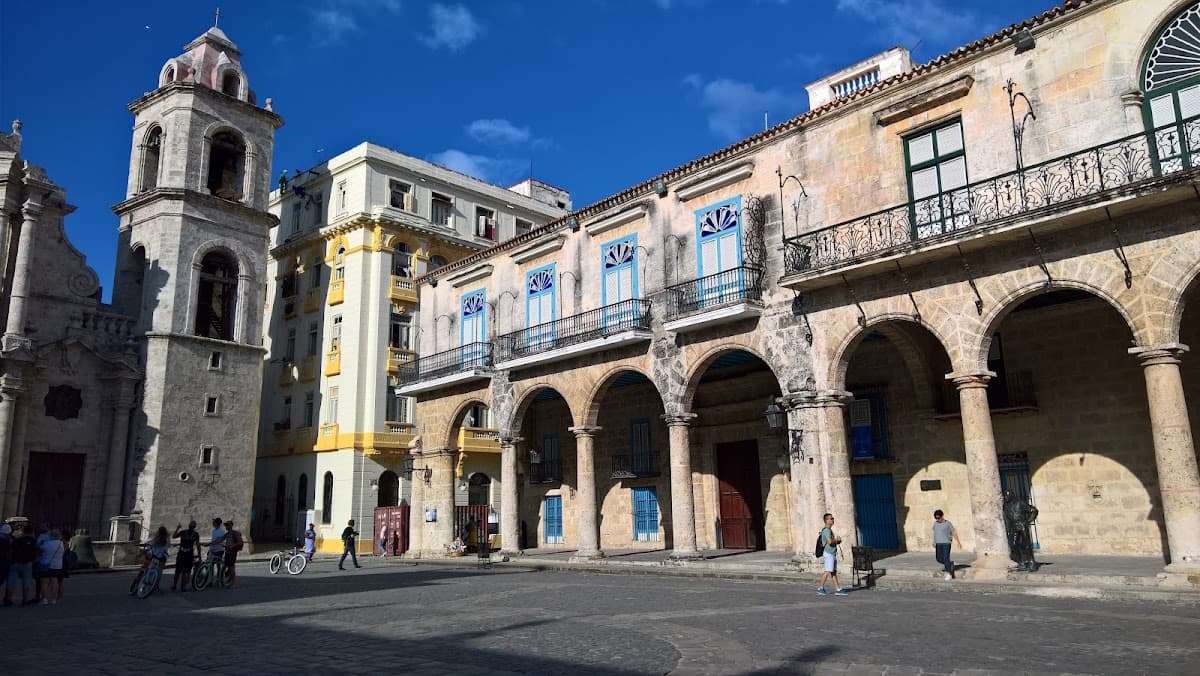
Step into Havana and you're walking through a living museum. Classic 1950s Chevrolets cruise down the Malecón while salsa spills from doorways in Old Havana. This is a city where time stopped in 1959, then started moving again at its own pace. The crumbling colonial facades hide some of the Caribbean's best mojitos, and every corner tells a story of revolution, resilience, and rhythm. Look, Havana isn't polished like other Caribbean capitals. The infrastructure creaks, the internet crawls, and finding a decent meal can be an adventure. But that's exactly what makes it magnetic.
Best Months
JAN · FEB · MAR · APR · NOV · DEC
~28°C · high crowds
Culture & Context
DANCING THROUGH SHORTAGE
Havana moves on music and rum and a deeply resourceful attitude toward daily life that Cubans call "resolver" (making it work, no matter what). The city has been dealing with rolling power outages lasting up to 12 hours daily since late 2024, fuel shortages, and food scarcity. None of that stops people from dancing.
That resilience is real, not a tourist performance. Vintage American cars from the 1950s are everywhere because import restrictions made them the only cars available for decades. They're now a core part of the economy, ferrying tourists around for $55/hour.
The cigar culture is legitimate. Havana is the home of Cohiba, Montecristo, and Partagás. But watch out for jineteros in Old Havana selling "premium" cigars out of paper bags.
They are not premium cigars. Cuba runs on personal connections and favors. Your casa host is worth their weight in gold.
They know which restaurants are worth it, who has cold beer, and how to get you a seat at a sold-out show. Lean on them. Afro-Cuban religious traditions (Santería) are woven through daily life in ways that aren't always obvious to outsiders.
You'll hear drums in Callejón de Hamel on weekends. That's not a performance for tourists, it's a rumba gathering rooted in the neighborhood's African-Cuban heritage. Respect it accordingly.
Local Customs
CASH ONLY, ALWAYS CONFIRM
Cash is king. American debit and credit cards don't work anywhere in Cuba. Bring more cash than you think you need, in small bills.
Euros and pounds are accepted at some private guesthouses and restaurants, but USD is harder to use since a 10% penalty tax was applied to dollar exchanges (though the street rate often offsets this). Negotiate and compare before exchanging.. Mandatory medical insurance is required to enter Cuba.
You must carry proof of valid coverage. Cost runs around $3.31/day.
Some airlines include it; verify before you land.. Jineteros (hustlers) are concentrated in Old Havana, especially around Obispo Street and Plaza de la Catedral. They offer cheap cigars, rum, restaurant tips, and currency exchanges.
Politely decline and keep walking. They are persistent but generally not aggressive.. Never say 'papaya' when ordering fruit.
In Havana slang, it means something entirely different. Ask for 'frutabomba' instead. Waitstaff will snicker at the menu that still lists it as papaya..
Always confirm taxi prices BEFORE getting in. Classic car tours run about $55/hour but some drivers will quote much more to tourists who don't ask first. Same goes for bicitaxis..
Catcalling (piropo) is common and culturally normalized among older generations. Solo women travelers should be aware of it. It's rarely threatening but can be relentless in tourist zones..
If you're American, document your trip activities carefully. Travel falls under OFAC's 'Support for the Cuban People' category. Spend money at private paladares, casas particulares, and independent businesses, not at state-run operations where possible..
Power outages are a reality in 2026. Bring a portable battery charger. Some casas have generators; ask before booking if this matters to you.
Safety
SAFER THAN YOU'D THINK
Havana is genuinely one of the safer large capitals in Latin America for tourists. The US State Department puts it at Level 2 (Exercise Increased Caution), the same rating as France, Germany, and Italy. Violent crime against tourists is rare.
The bigger risks are economic: petty theft, scams, and inflated prices. Here's what actually matters. Old Havana and Obispo Street have the heaviest concentration of jineteros.
They are not dangerous, but they are persistent. Someone offering to take you to a "special" cigar shop, private currency exchange, or exclusive club almost always ends in a scam or inflated charges. Just decline and walk.
Watch your pockets on crowded streets and the Malecón at night. Carry only what you need. Your phone is a target.
The power grid is genuinely unreliable in 2026. Outages up to 12 hours are common. Keep a flashlight and portable charger with you.
Cuba has a cash economy. Carrying large amounts of cash is necessary but makes you a target. Use your hotel safe.
Split your cash across different pockets. The only private hospital in Havana treating foreign tourists is Cira Garcia Hospital. Healthcare requires upfront cash payment.
Travel insurance that covers medical evacuation is mandatory entry requirement — Cuban immigration will ask for proof. Bring any prescription medications you need from home. Pharmacies frequently run out of stock.
Tap water is not safe to drink. Stick to bottled water throughout your stay.
Getting Around
ALMENDRONES & NEGOTIATION
Havana has several layers of transport and knowing which one to use matters. Almendrones are shared classic American cars running fixed routes like informal buses. A ride costs about 25 CUP (roughly $1 USD).
You squeeze in with locals, it's hot, it's crowded, and it's the most authentic way to cross the city if you're comfortable with some Spanish. Wave one down on a main avenue and ask if it's going your direction. Bicitaxis (cycle rickshaws) are good for short distances.
Tourists typically pay around $5-6 per ride. Negotiate before you get in. Private taxis (official yellow cabs) start around $10 with a $0.
41/km rate from there. For intercity travel, Viazul buses are the reliable choice: air-conditioned, bookable online. Havana to Viñales runs about $12 and takes 3 hours.
Book at least a day ahead at the station or online. The Habana Bus Tour hop-on-hop-off pass costs $11 for the day and covers major tourist zones between the Malecón and the Plaza de la Revolución. Useful for first-timers covering a lot of ground.
Classic car tours run about $55/hour and are everywhere in Old Havana. Negotiate duration upfront and confirm the rate is per car, not per person. Getting from José Martí Airport to the city center runs about $33 by taxi.
There are no ride-hailing apps in Cuba. No Uber, no Cabify. You flag taxis down or arrange them through your casa host.
Useful Phrases
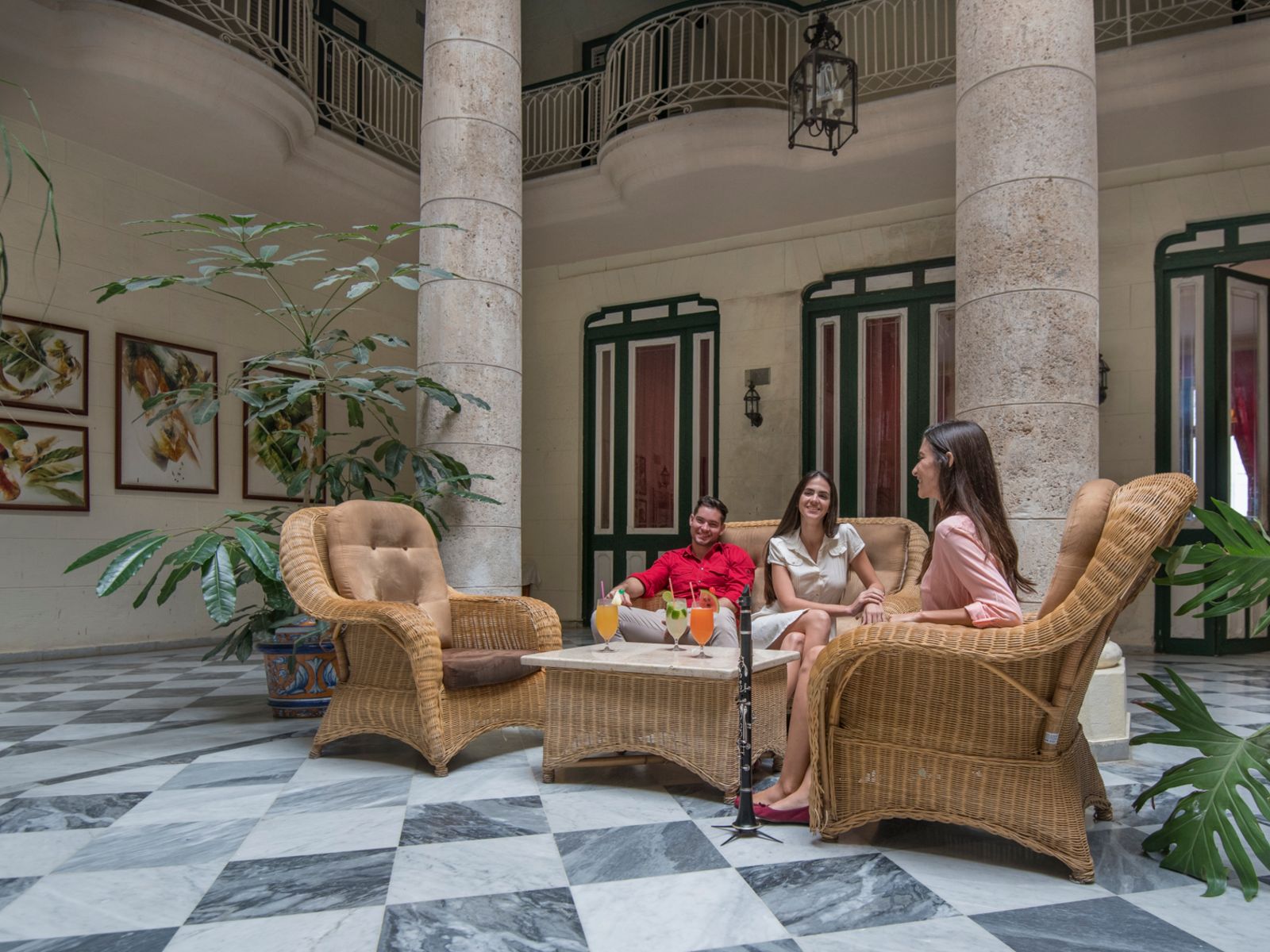
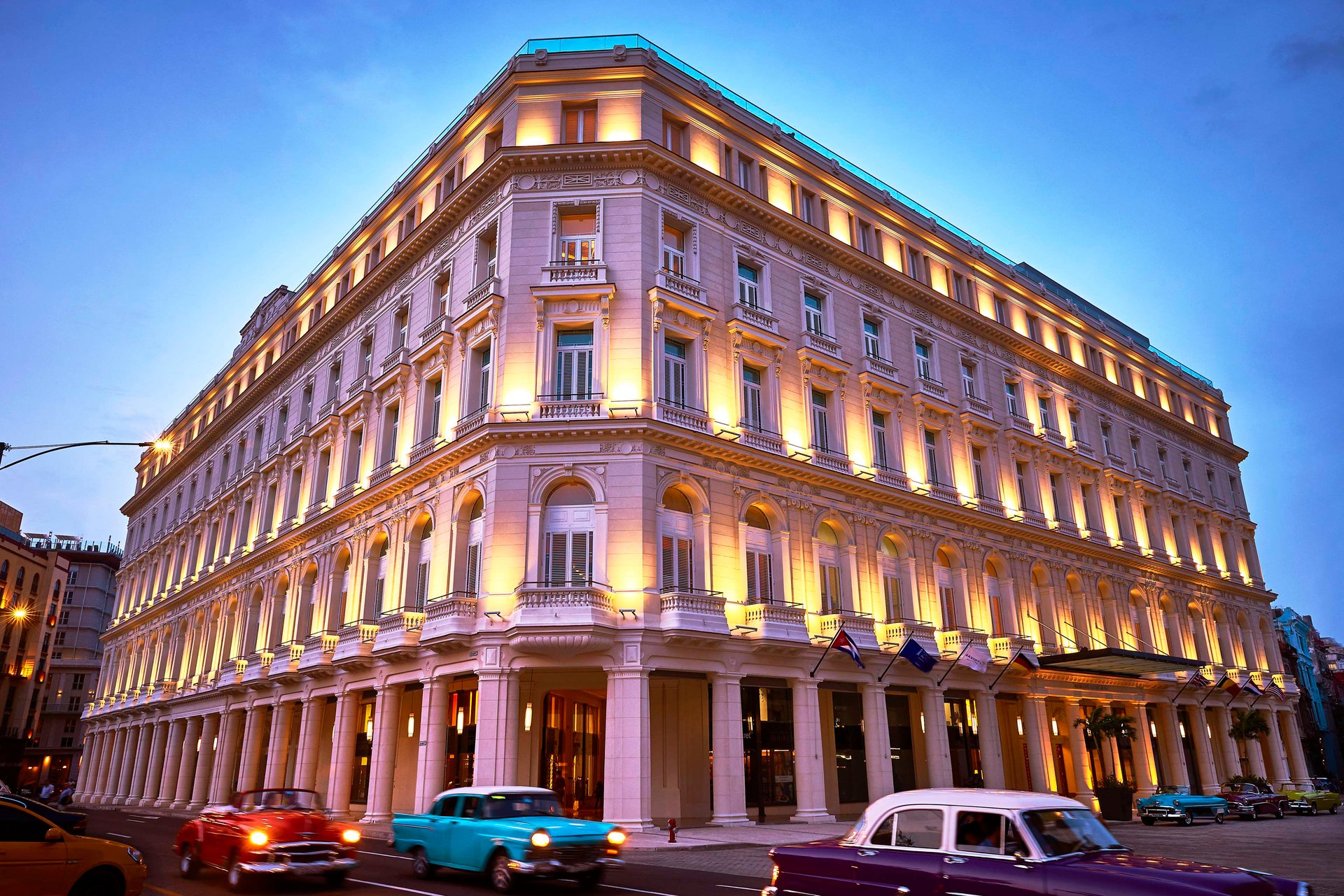
Where to Stay in Havana
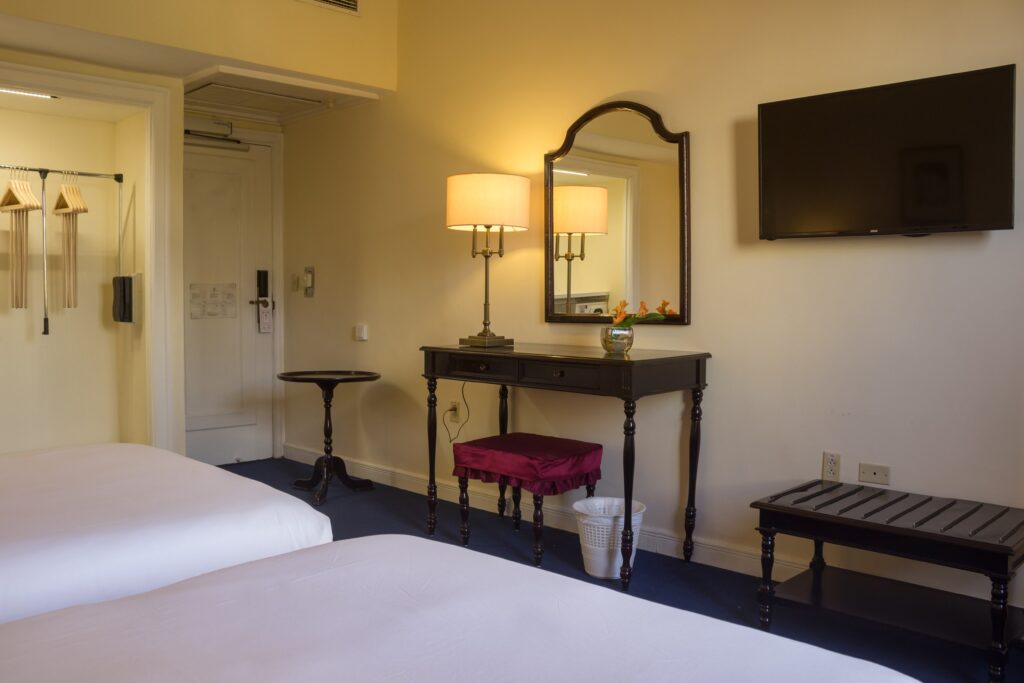
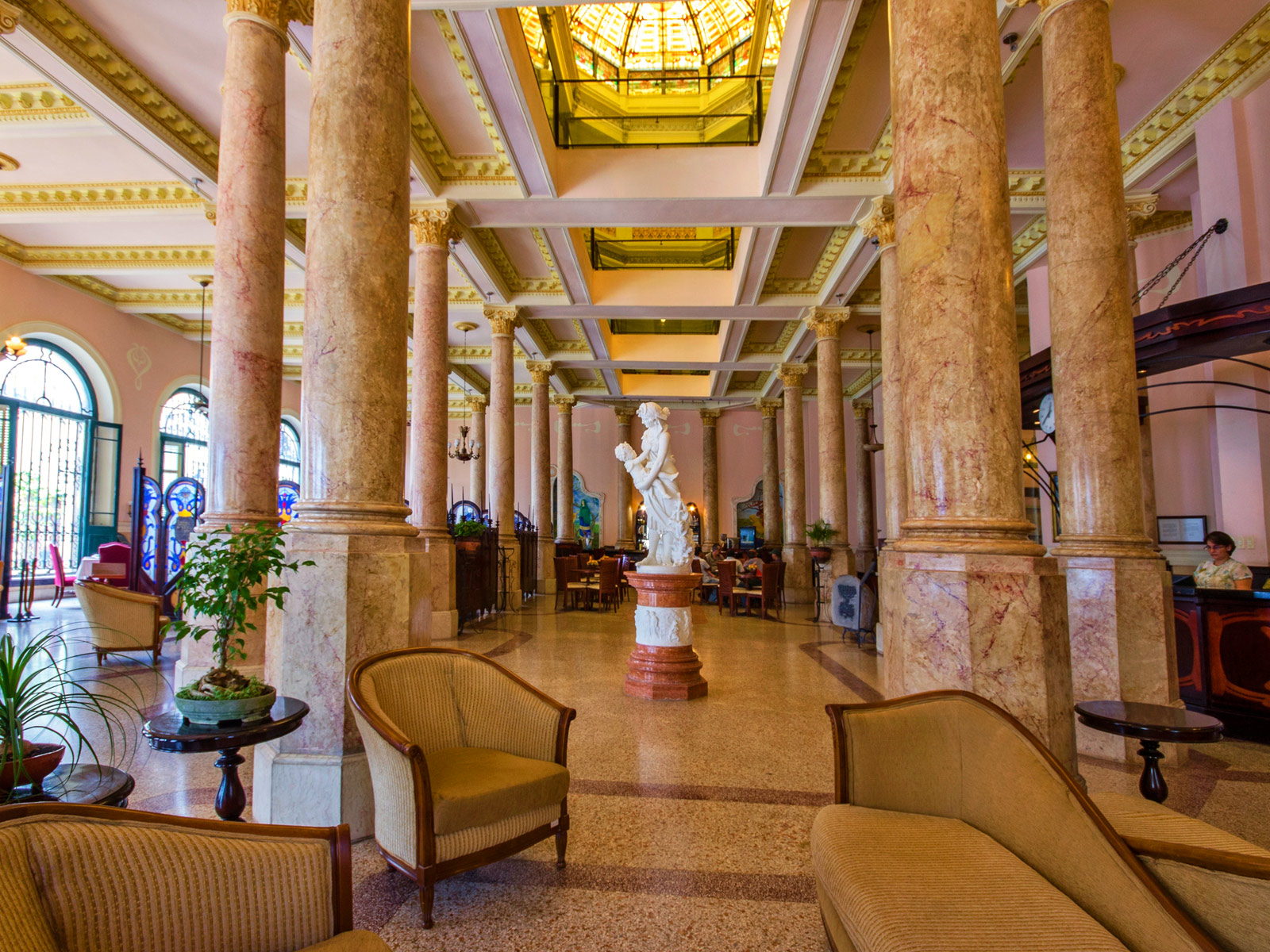
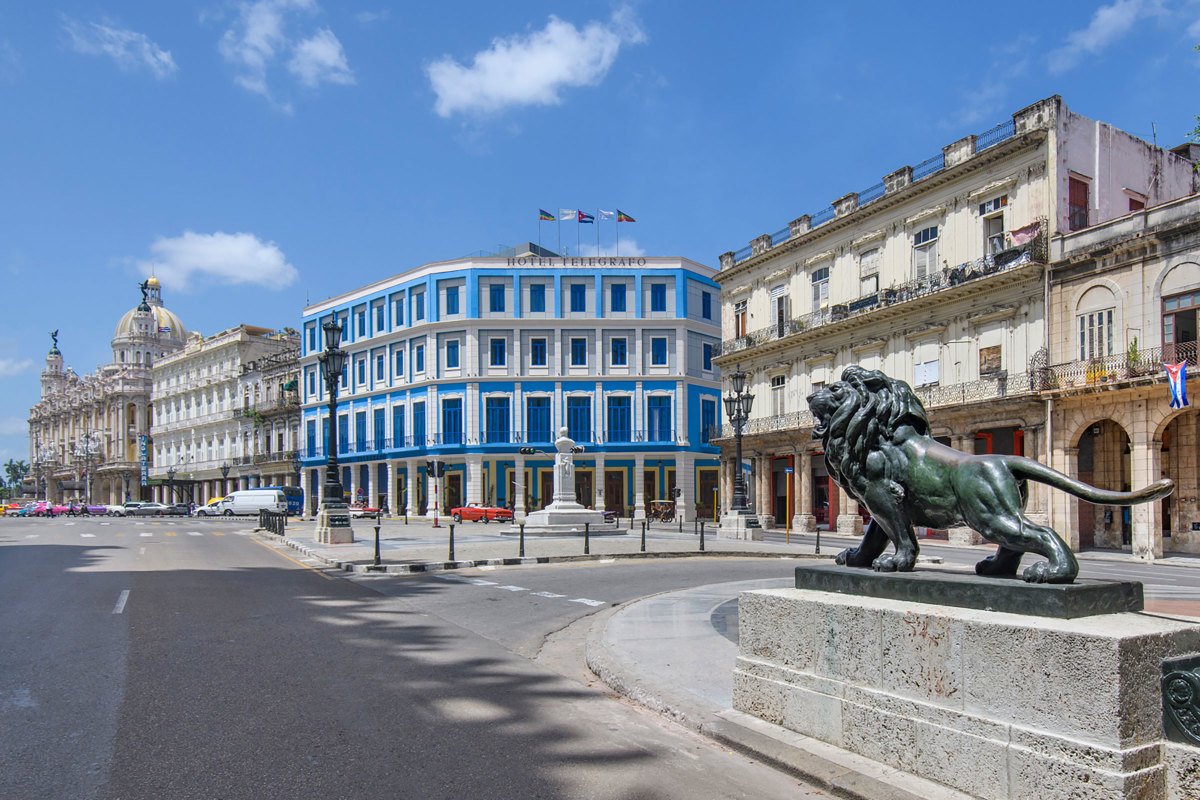
5 recommended properties
Money-Saving Tips
- 1.Bring cash – US dollars, euros, or Canadian dollars work best since credit cards barely function
- 2.Exchange money at official CADECA locations for better rates than hotels or street exchanges
- 3.Budget $50-80 daily for mid-range travel including meals, transport, and activities
- 4.Casa particulares cost 30-50% less than hotels and offer more authentic experiences
- 5.Negotiate taxi fares upfront – classic car rides should cost about $1 per kilometer
- 6.Street pizza costs 25 cents while restaurant meals run $8-25 per person
- 7.Tipping 10% is expected at restaurants and for taxi drivers, casa particular hosts
- 8.Buy cigars from official shops or farms, not street vendors selling fakes
Travel Tips
- •Download offline maps – internet is slow and WiFi cards cost $1 per hour at hotspots
- •Pack extra toiletries and medications as these can be hard to find in stores
- •Learn basic Spanish phrases – English isn't widely spoken outside tourist areas
- •Bring a universal adapter – Cuban outlets use various plug types
- •Book casa particulares in advance during peak season (December-March)
- •Carry small bills – making change can be difficult for vendors and taxi drivers
- •Pack comfortable walking shoes for Old Havana's cobblestone streets
- •Respect photography rules – don't photograph military or government buildings