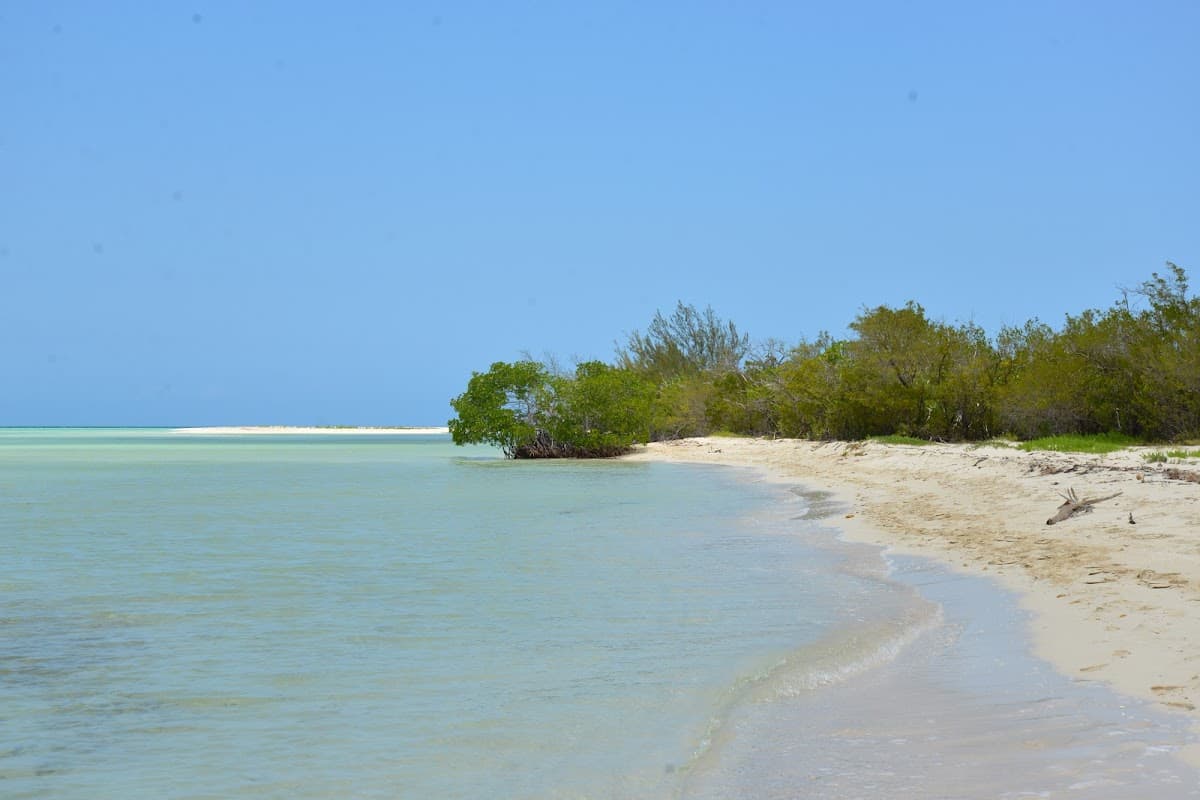
Cuba (Cayo Coco)
Pristine Caribbean beaches with flamingos and coral reefs
Cayo Coco sits 27 kilometers off Cuba's northern coast like a postcard that escaped into reality. This 370-square-kilometer island delivers what most Caribbean destinations promise but rarely deliver: genuinely untouched beaches, actual wildlife encounters, and waters so clear you'll question if they're real.
The flamingos here aren't just a tourist attraction — they're residents. Thousands of them wade through the mangroves at Parque Nacional El Bagá, their pink reflections rippling across shallow lagoons. And the beaches? Playa Los Flamencos stretches for 5 kilometers of powder-soft sand that squeaks under your feet.
But here's what makes Cayo Coco different: it's still rough around the edges. The WiFi cuts out. Some restaurants run out of lobster by 7 PM. The road from the mainland is a single causeway that floods during storms. These aren't bugs — they're features that keep the crowds manageable and the experience authentic.
Best Months
JAN · FEB · MAR · APR · NOV · DEC
~28°C · moderate crowds
Culture & Context
RESORT ISLAND, NOT CUBA
Cayo Coco is not Cuba. Locals will tell you this themselves. It's a purpose-built resort island connected to the mainland by a 27km causeway across the Bahía de Perros, and the only people living here work at the hotels.
The nearest actual Cuban town is Morón, about 45 minutes' drive south. If you want rum in a courtyard, old men playing dominoes, and crumbling colonial architecture, this isn't the place. But if you want a beach so flat and clear it looks fake, with wild flamingos wading through the lagoon as your taxi crosses the causeway, Cayo Coco delivers something genuinely strange and beautiful.
The island's name comes from the white ibis, called the "coco" bird locally. About 85% of the island is covered in vegetation, and over 200 bird species live here. It's a nature reserve that also happens to have a strip of all-inclusive hotels bolted onto it.
That contradiction is basically the whole personality of the place. Go in knowing what it is. It rewards you for that honesty.
Local Customs
CASH TIPS ESSENTIAL
Tipping is expected and genuinely matters. Hotel staff earn almost nothing from the state. $1-3 USD per day for housekeeping, per drink for bartenders, per meal for servers is standard.
Bring a stack of small bills specifically for this.. Bring pristine banknotes for currency exchange. Banks and CADECA desks reject damaged, marked, or crumpled bills without apology..
Greet everyone with 'hola' first, always. Walking up to someone without a greeting and immediately asking for something reads as rude, even in a tourist context.. Don't remove shells, coral, or disturb the bird nesting areas.
Cayo Coco is a protected wildlife habitat and staff will actually say something.. Dress casually. Cuba is not a dressed-up destination.
Light clothing is the norm everywhere on the island.. Electricity outages happen. Even resort generators have limits.
Keep a power bank charged and don't expect your room air conditioning to be 100% reliable.. 'No hay' (there isn't any) is a phrase you'll hear constantly from resort staff. It's not dismissiveness — it's the reality of supply constraints.
Keep expectations flexible on specific food or drink items.
Safety
FUEL CRISIS, SECURE GROUNDS
Cayo Coco is one of Cuba's safest resort areas. The island has security checkpoints on the causeway — you need to be a guest or visitor with resort documentation to enter. That separation keeps petty crime extremely low compared to urban Cuba.
That said, watch for riptides and strong currents on windy days, and pay attention to lifeguard flags on the beach. The main risks are sun-related: the UV here is brutal, reef-safe sunscreen is essential, and dehydration comes faster than you expect. The bigger 2026 safety concern is logistical: Cuba is currently in a serious fuel and energy crisis.
In February 2026, up to 64% of the island lost power simultaneously. Air Canada suspended all Cuba flights until at least May 2026. Air France, Iberia, and other carriers have reduced or paused routes.
Over 30 hotels across Cayo Coco and the Villa Clara keys have temporarily closed or consolidated guests. Excursion cancellations are common due to fuel scarcity. Before booking in 2026, confirm your airline is still operating, purchase comprehensive travel insurance that covers cancellation and evacuation, and check your government's travel advisory.
US citizens face additional legal restrictions — pure leisure tourism is technically prohibited under OFAC rules, so confirm your travel category before booking.
Getting Around
HOTEL TRANSFERS ONLY
You fly into Jardines del Rey Airport (CCC), which sits 10-15km southeast of the resort zone. From there, a transfer bus gets you to your hotel in about 15 minutes — it's typically included in package deals. There are no taxis hailing on the street in the traditional sense.
A Transtur minibus runs a daily shuttle between hotels and attractions on the island; ask at your hotel desk and budget $5-10 USD per day. To reach Cayo Guillermo, a taxi runs $10-15 USD each way. If you want to get to the nearest mainland town of Morón, expect to pay around $60 USD for a taxi from Ciego de Avila — or try to join a group excursion.
Driving from Havana is possible but takes 8 hours, and Cuba's fuel crisis in 2026 has made road trips logistically unpredictable. As of March 2026, Daytrip.com has suspended operations in Cuba entirely due to the fuel situation.
No US-issued bank cards work anywhere on the island. Bring Euros, Canadian dollars, or British pounds in cash to exchange at your resort's CADECA desk on arrival. There are no independent ATMs on the cay.
GPS and the Maps.me app both work fine offline.
Useful Phrases
Money-Saving Tips
- 1.Bring cash in Euros or Canadian dollars — US dollars incur a 10% penalty fee when exchanged
- 2.Resort all-inclusive packages often cost less than paying separately for meals and drinks
- 3.Tip in Cuban pesos or small denomination foreign currency — staff prefer this to credit card tips
- 4.Book excursions through local operators rather than resort concierges to save 30-40%
- 5.Bring your own snorkel gear — rental prices are inflated and equipment quality varies
- 6.Stock up on sunscreen and toiletries before arrival — local prices are 3x what you'd pay at home
Travel Tips
- •Download offline maps before arrival — cellular data is expensive and unreliable
- •Pack a portable phone charger — power outages are common, especially during storms
- •Bring reef-safe sunscreen — the coral reefs here are fragile and worth protecting
- •Learn basic Spanish phrases — English is limited outside of resort areas
- •Pack light layers — air conditioning is inconsistent and you'll want options
- •Bring a waterproof bag for beach days — sudden rain showers are common
- •Don't drink tap water — stick to bottled water even for brushing teeth
- •Keep copies of important documents — bureaucracy can be challenging if originals are lost
Frequently Asked Questions
Explore Cuba (Cayo Coco)
BUILD YOUR
CUBA (CAYO COCO) PLAN
Insider picks, smart timing, and a plan ready when you are.
Start Planning