Nassau
Bahamas capital blending colonial charm with tropical paradise
Nassau hits different than other Caribbean capitals. Sure, you get the postcard-perfect beaches and crystal-clear water. But walk down Bay Street and you'll find Georgian colonial buildings housing duty-free shops, while Junkanoo drummers practice in nearby parks. This is where cruise passengers spend a few hours, but smart travelers stay longer.
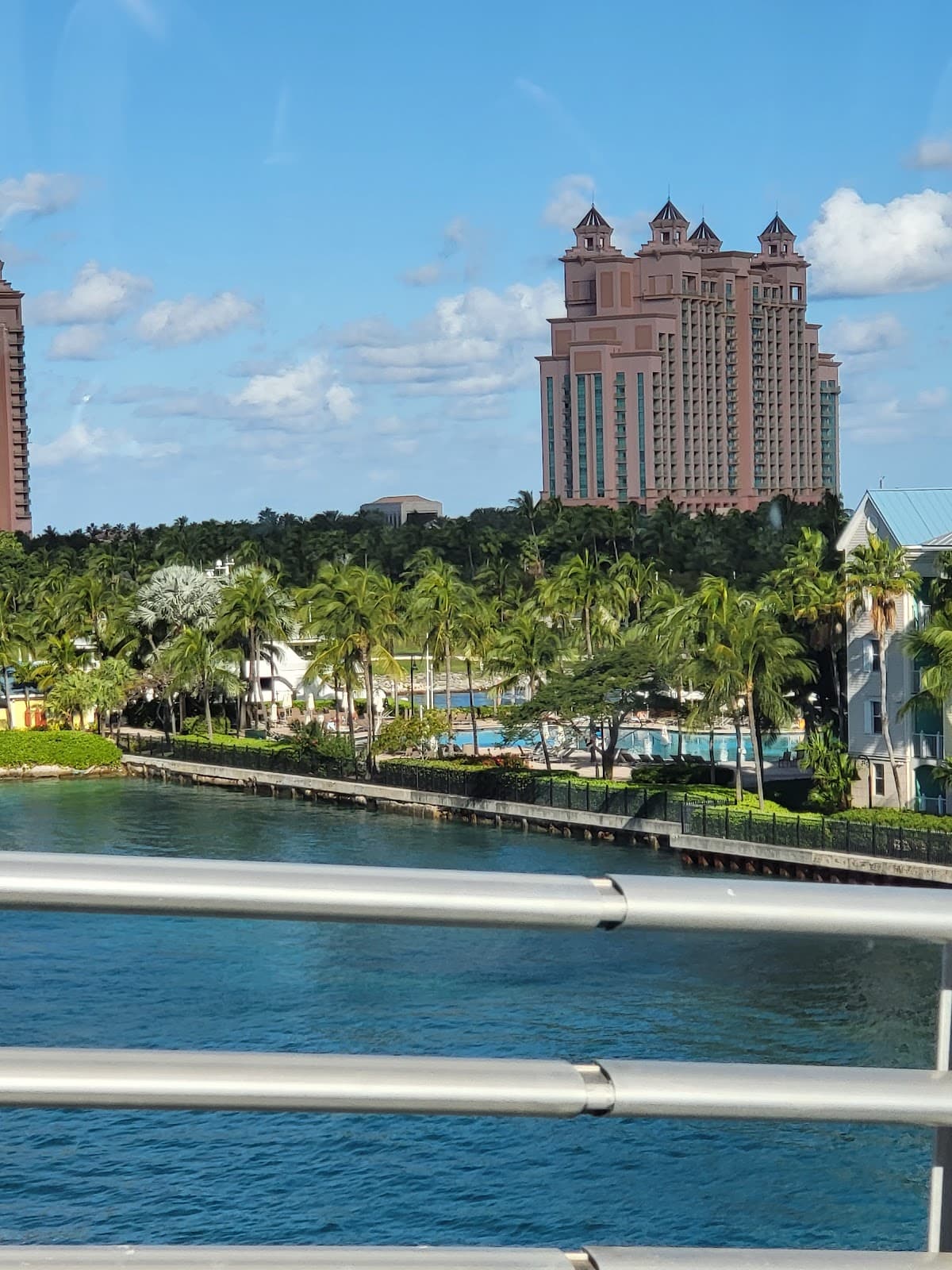
The city sprawls across New Providence Island, with downtown Nassau hugging the harbor and Cable Beach stretching west along the coast. Paradise Island sits just across the harbor bridge, home to mega-resorts and the famous pink sand beaches. Look, Nassau isn't trying to be undiscovered – it's the Bahamas' economic heart, with all the tourist infrastructure that comes with it. But that means reliable restaurants, good hotels, and easy flights from the US.
Best Months
JAN · FEB · MAR · APR · NOV · DEC
~26°C · peak crowds
Culture & Context
ISLAND TIME RULES
Nassau sits on New Providence Island, just 184 miles from Miami, but it has its own distinct identity that's easy to miss if you spend your whole trip inside Atlantis. The Bahamas gained independence from Britain in 1973 and the colonial past shows up everywhere: the pastel government buildings on Parliament Square, left-side road driving, the formality in how people address each other. Bahamians tend to use surnames or titles when greeting someone they don't know well.
First names are for friends. Don't mistake the warmth for instant familiarity. The culture draws heavily on West African, British, and indigenous Taino roots, and that mix is most visible in Junkanoo, the goombay drumming tradition that predates the tourism industry by centuries.
Religion is central to community life here. Most of the population is Christian (Baptist being the largest denomination), and Sundays are genuinely quieter. Some businesses close or cut hours.
If someone invites you to church, it's a real honor. The pace is slower. This isn't a complaint, it's a fact.
"Island time" is baked into daily life. Service at restaurants moves at its own speed. Fighting it will just ruin your mood.
Local Customs
FORMAL GREETINGS ALWAYS
Greet people formally. 'Good morning' and 'good afternoon' go a long way. Bahamians often use surnames or titles when meeting someone for the first time, even among locals.
Don't jump straight to first names.. Tip properly. Restaurants and hotels add a 15% service charge automatically, but check before adding more.
Taxi drivers get about 15% on top of the fare. Leave $1–3 per day for housekeeping, $3 per bag for porters.. Don't bargain.
Prices at shops and markets are largely fixed. Haggling at the Straw Market is common, but aggressive negotiating reads as rude in most other contexts.. Cover up off the beach.
Swimwear is fine at Cable Beach and resort pools, but throw on a cover-up when walking into restaurants, shops, or neighborhoods. It's expected, not optional.. Sundays are slow.
Church attendance is high, businesses may close or have limited hours, and the general pace drops even further than usual. Plan accordingly.. Island time is real.
Service at restaurants, jitneys running on their own schedule, boats leaving when they're ready — this is how things work. Accept it or it'll be a rough trip.. Watch the pointed finger.
Pointing at someone, especially with an outstretched arm, is considered disrespectful. Be mindful of body language.. Potcakes (stray dogs) are everywhere.
They're generally not dangerous, but they are protective and can surprise you. Don't corner them or try to pet unfamiliar ones.. Always confirm the taxi fare before you get in.
Taxis are not metered by default, and fares are negotiated upfront. Official taxis have yellow license plates.. Keep the politics and religion low-key.
Unless a local brings it up, these topics are best left alone.
Safety
STAY AWARE, STAY SMART
Nassau carries a U.S. State Department Level 2 advisory ("Exercise Increased Caution"). That puts it in the same category as Germany and Italy, which gives you perspective. It doesn't mean stay home. It means stay aware. The honest breakdown: tourist zones (Bay Street, Paradise Island, Cable Beach, the cruise port area) are actively monitored by police and private security. Most of the serious crime statistics involve gang activity in neighborhoods you have no reason to visit. The "Over the Hill" area south of Shirley Street is the main one to avoid entirely, day or night. The Sand Trap is another. Don't go there. There's no tourist attraction worth the risk.
Petty crime is the real daily concern. Pickpocketing and bag snatching happen in crowded markets and on beaches. Canadian government advisories specifically note robberies in cruise ship terminals and resort areas even in daylight. Keep your phone in a front pocket, don't wear flashy jewelry, and don't leave your stuff unattended on the beach. ATM and credit card fraud is common in Nassau, so use ATMs at major banks or hotels, not random street machines.
Drink spiking is a documented issue, especially at nightlife venues. Don't leave your drink unattended. If you feel unwell after one or two drinks, tell someone and get to a safe place. U.S. government employees are literally prohibited from renting jet skis from independent operators on New Providence and Paradise Islands due to assault concerns. Book water sports through reputable operators, preferably through your hotel.
At night, use licensed taxis (yellow license plates) rather than walking alone or taking random street hires. Jitney service stops around 6–6:30pm, so plan accordingly. If someone blocks the road, don't get out of your car. It's a known carjacking setup. Medical care is solid at Princess Margaret Hospital and Doctor's Hospital near downtown Nassau, but response times can be slow due to traffic. Get travel insurance that covers medical evacuation to Miami.
Getting Around
JITNEYS & YELLOW TAXIS
Nassau doesn't have Uber or Lyft. Full stop. The Bahamas Ride app (a collaboration between the Bahamas Taxi Cab Union and the Ministry of Tourism) partially fills this gap, but it's not universally available. Here's how you actually get around:
JITNEYS: The local minibus network is how Nassauvians move. Fares are $1.25 for adults, $1 for kids, exact change required, pay as you exit. Routes run 6am to roughly 6:30pm (limited Sunday service). No app, no real-time tracking, no printed schedule. You flag them down anywhere along the route. The #10 and #10A are the tourist-relevant lines, running from downtown east along Bay Street and west along West Bay Street through Cable Beach all the way to Gambier Village. Bus can be slow in traffic, especially during rush hour. Allow 45 extra minutes if you're time-crunched. Jitneys don't go to the airport or over the Paradise Island Bridge.
TAXIS: Official taxis have yellow license plates. Always agree on the fare before you get in. Fares from the airport: about $36 to downtown Nassau, $30 to Cable Beach, $45 to Paradise Island (plus the $2 bridge toll). Downtown hops run $12–15. To Cable Beach from downtown, expect $25–35. Most taxis don't take credit cards, so carry cash. Taxi stands are at the airport, cruise terminal, major hotels, and along Bay Street.
WATER TAXI: For getting between downtown Nassau and Paradise Island, the water taxi from Woodes Rogers Wharf costs about $7 per person and takes 10 minutes. More fun than a regular taxi and the harbour views are genuinely good.
DRIVING: Rental cars are available at Lynden Pindling International Airport (Alamo, Hertz, and local companies). Critical note: The Bahamas drives on the LEFT. Traffic congestion in Nassau is severe, and the State Department flags aggressive driving as a real hazard. Road flooding is common after rain. Scooters cost $50–70/day but are not recommended — the traffic is unforgiving and maintenance on rental scooters is unreliable.
Useful Phrases
Nassau Itineraries
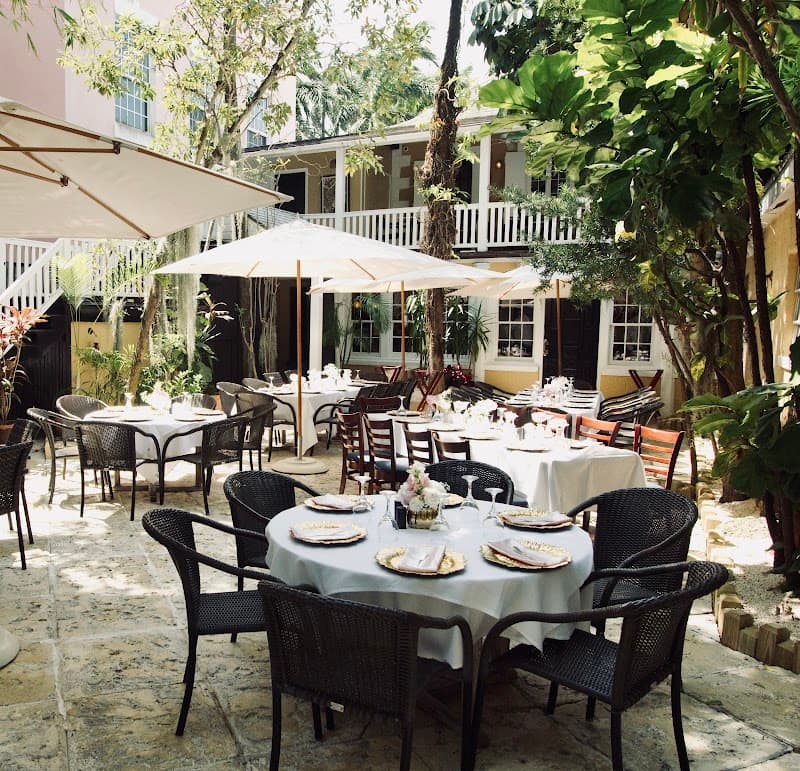
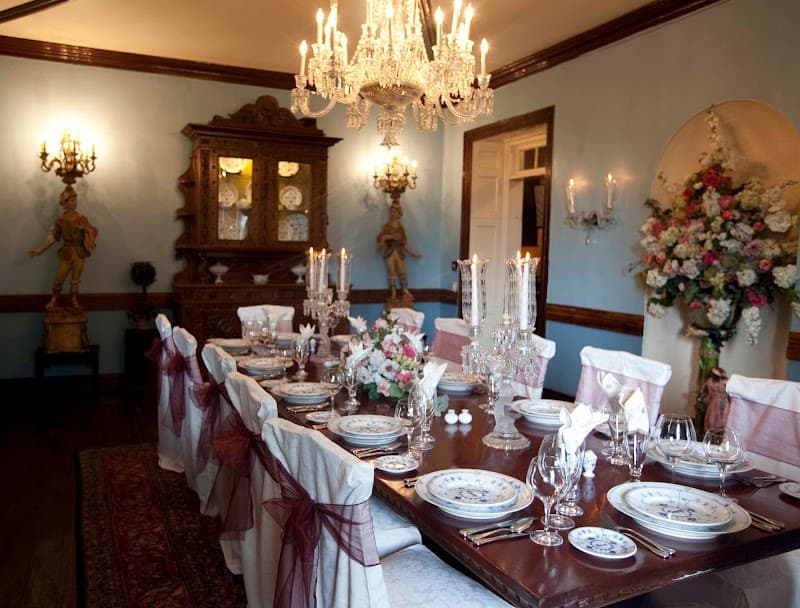
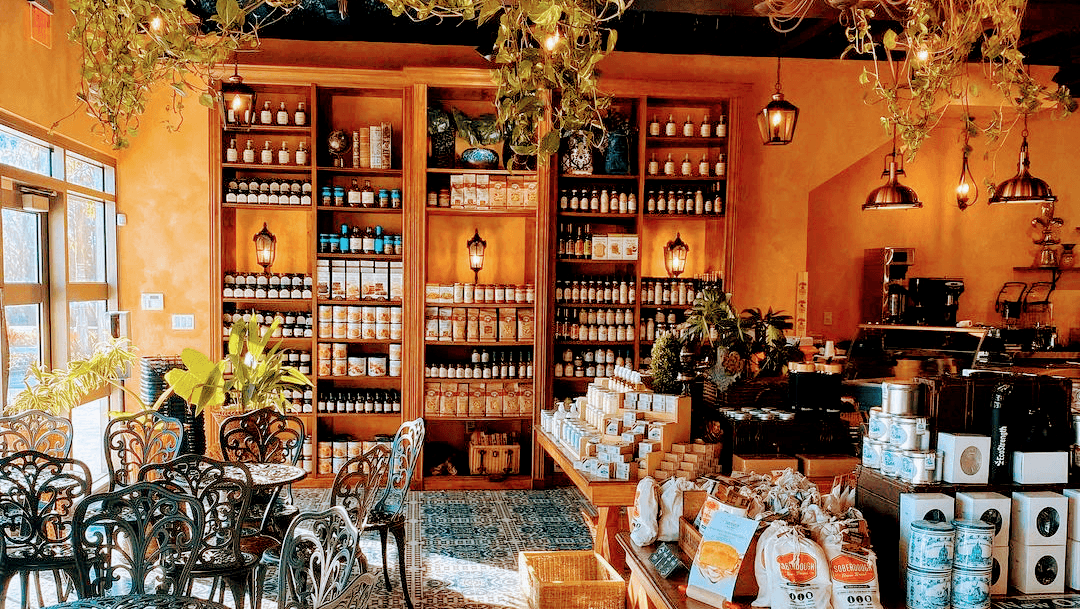


Where to Stay in Nassau
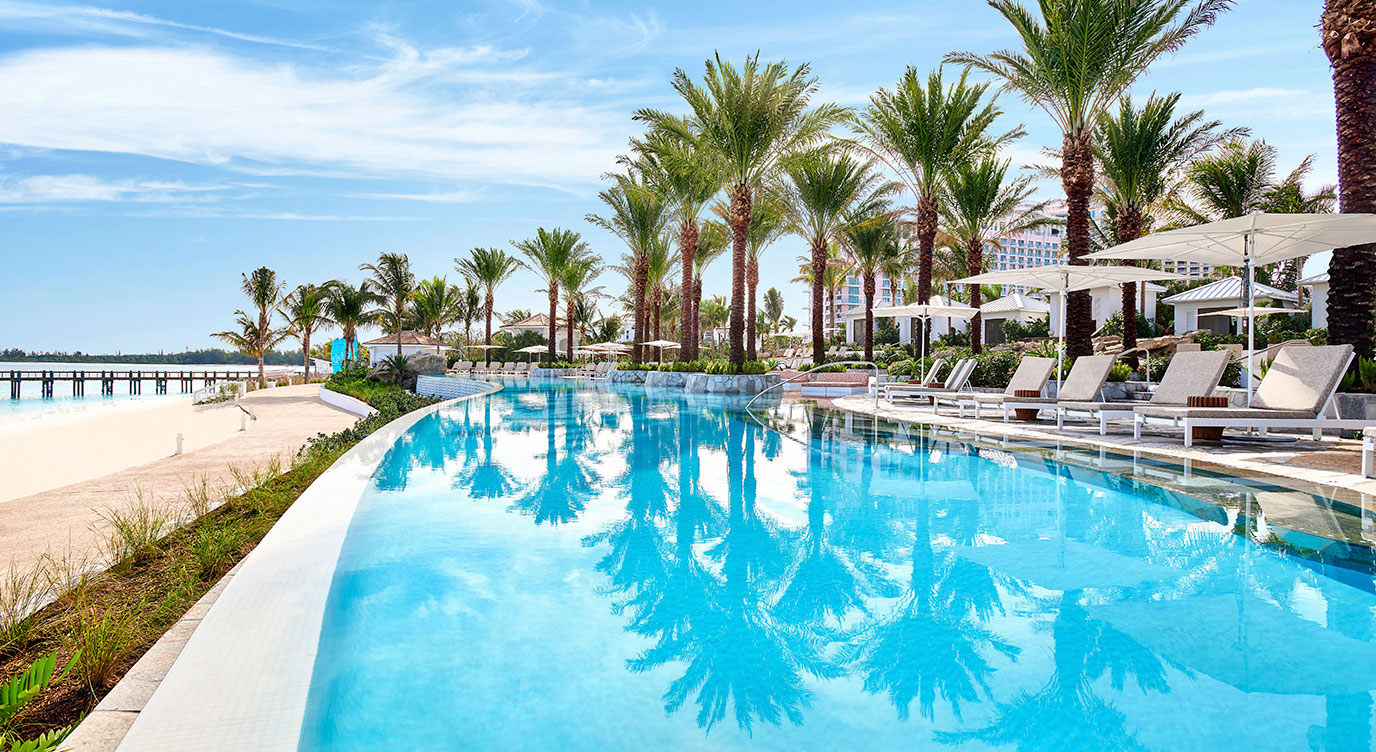
3 recommended properties
Things to Do in Nassau
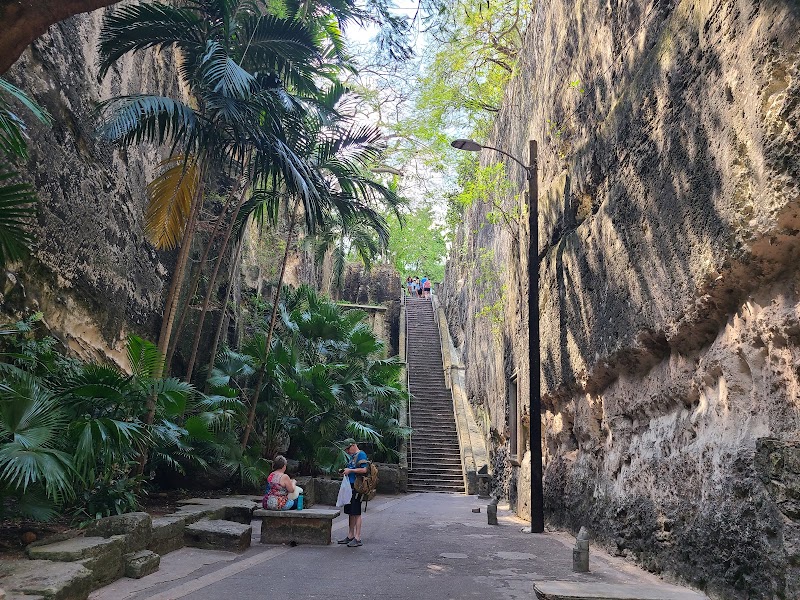
Queen's Staircase
Downtown Nassau · 45 min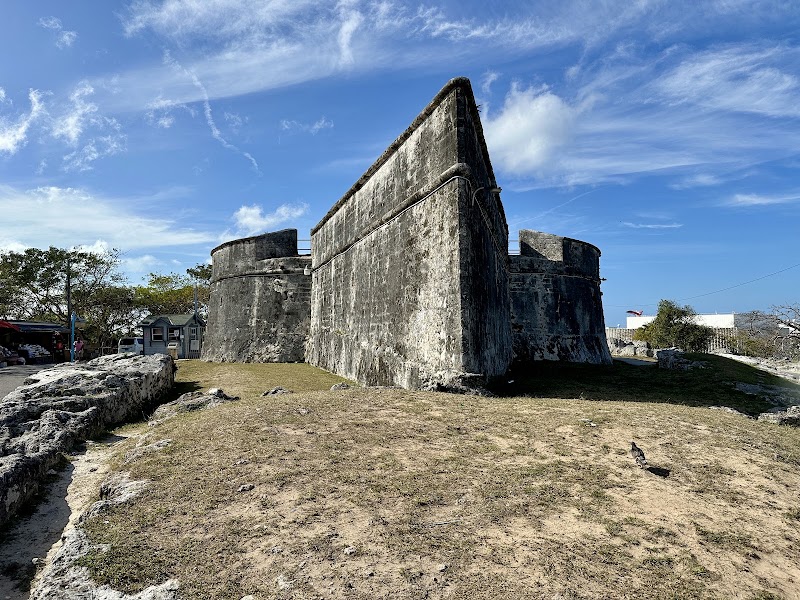
Fort Fincastle
Downtown Nassau · 45 min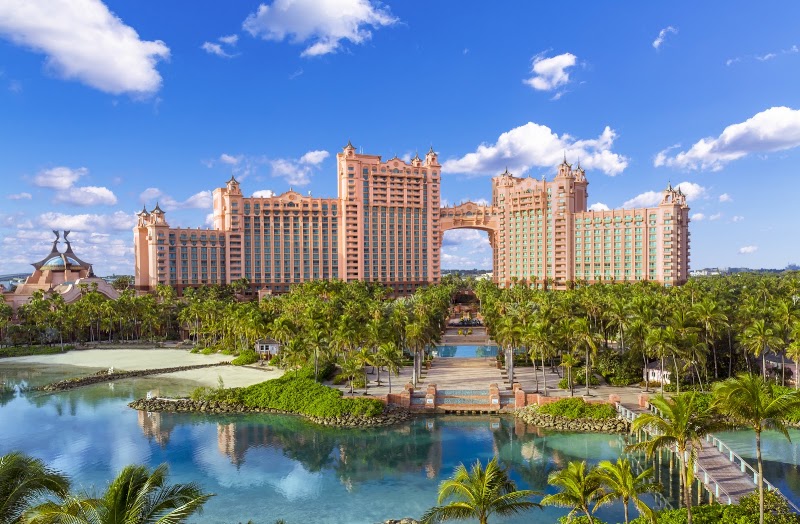
Atlantis Casino
Paradise Island · 120 minMoney-Saving Tips
- 1.Book flights on Tuesday or Wednesday – Nassau sees heavy cruise ship traffic Thursday through Monday, driving up hotel and restaurant prices
- 2.Stay downtown Nassau instead of Paradise Island to cut accommodation costs by 40%, then day-trip to Atlantis beaches
- 3.Eat at Arawak Cay (Fish Fry) for authentic conch dishes at half the price of Bay Street restaurants
- 4.Buy alcohol at duty-free shops before heading to beaches – resort drinks cost $15+ while duty-free rum starts at $12 per bottle
- 5.Take the free Paradise Island bridge walk instead of paying $6 for water taxis
- 6.Visit during shoulder season (May or October) for 30% savings on hotels with minimal weather trade-offs
- 7.Skip expensive resort excursions and book day trips directly with local operators for 20-30% savings
Travel Tips
- •Bring reef-safe sunscreen – Bahamian coral reefs are protected and regular sunscreen is banned at many snorkel sites
- •Pack light layers for air-conditioned spaces – restaurants and shops blast AC while outside temperatures hit 85°F+
- •Download offline maps before arriving – cell service can be spotty on boat trips to outer islands
- •Carry small bills for jitney buses and conch vendors who rarely have change for large denominations
- •Book restaurant reservations 2-3 days ahead during peak season – popular spots like Graycliff fill up quickly
- •Wear water shoes at Cable Beach – the sand hides occasional sea urchins and sharp shells
- •Keep hotel receipts – some shops offer tourist discounts with proof of accommodation
- •Learn basic conch shell cleaning if you plan to buy them as souvenirs – customs requires them to be properly cleaned