Montreal
European charm meets North American energy and culture
Montreal hits different. You're walking down cobblestone streets that could be in Paris, but then you hear English mixed with French and realize you're still in North America. This city serves up European sophistication with Canadian friendliness, all wrapped in a package that won't destroy your budget. The food scene rivals any major city, the nightlife runs until sunrise, and somehow it all feels effortlessly cool. Look, Montreal isn't trying to impress you — it just does.
Best Months
MAY – OCT
~21°C · moderate crowds
Culture & Context
FRENCH, NOT PARISIAN
Montreal is genuinely bilingual, but French is the dominant official language and it matters. Quebec has its own distinct French, called Québécois, that sounds different from Parisian French and uses its own vocabulary. Locals don't expect you to be fluent, but starting with 'Bonjour' before asking for help in English opens doors that staying silent or going straight to English sometimes doesn't.
Here's the thing about Montreal's cultural identity: it's not a copy of France and it's not just Canada with a French accent. It's a third thing entirely. The city produced Leonard Cohen, Arcade Fire, and Cirque du Soleil. It's the world capital of circus arts. The food culture revolves around smoked meat, wood-fired bagels (the Montreal kind, smaller and chewier than the New York version), poutine, and a BYOB restaurant scene that makes dining genuinely affordable if you plan ahead.
Festival culture is not tourism here. It's how the city actually lives. Summer from May to September is basically one long outdoor party with brief pauses to sleep. Locals complain about the construction and the cold winters (genuinely brutal, not exaggerated) while simultaneously refusing to live anywhere else. That contradiction is very Montreal.
But the language question has real teeth. Quebec politics around French language protection are serious. Outside downtown and Old Montreal, signs, menus, and daily life are predominantly in French. Making an effort, even a small one, is noticed and appreciated.
Local Customs
BONJOUR FIRST, ALWAYS
Start every interaction with 'Bonjour' before switching to English. Even bad French is respected as a gesture. Jumping straight into English, especially outside downtown and Old Montreal, can land awkwardly..
Tipping 15–20% at restaurants is not optional. It's how service workers pay their rent. Same goes for 10–15% for taxis..
Terrasse culture is serious. On the first warm day of spring, every terrasse in the city fills instantly. No reservation, no seat.
Show up early or accept standing.. The STM metro runs 5:30am to 1am daily. After 1am, you're taking a taxi or an Uber.
There is no night metro.. BYOB (apportez votre vin) restaurants are a genuine Montreal thing. Many restaurants let you bring your own bottle of wine.
Look for the 'apportez votre vin' sign. Buy wine at the SAQ (the provincial liquor store, nicknamed 'the sack' by locals) beforehand.. Hockey is not a sport here.
It's a religion. During playoff season, the city's emotional state tracks exactly with the Canadiens' performance. Keep that in mind..
Construction season is referred to as the fifth season. Montreal roads are in a perpetual state of being dug up. Expect detours, noise, and delays.
Budget extra time when crossing certain neighborhoods by car.. In winter, dress in real layers. Not fashionable layers.
Actual thermal layers. Sidewalks become ice rinks and slipping is the number one injury that sends tourists to urgent care.. The RESO underground city (20 miles of climate-controlled tunnels) is not just a novelty.
In February, it's a survival tool connecting major buildings, hotels, and metro stations without going outside.
Safety
WATCH THE ICE
Montreal is one of the safer major cities in North America. Most of what tourists encounter is petty stuff: pickpockets at Jazz Fest when you're pressed shoulder-to-shoulder with 50,000 people, or someone eyeing an unattended bag at a café on Ste-Catherine. Keep your bag on your lap, not dangling from the back of your chair. Violent crime toward tourists is genuinely rare.
Neighborhoods that come up in safety discussions: Hochelaga-Maisonneuve and Montreal-Nord have higher crime rates than the tourist-heavy areas, but these aren't places most visitors end up anyway. Stick to well-lit streets after midnight anywhere, which is just standard city logic.
The actual danger in winter is the ice. Sidewalks become genuine skating rinks. Slipping sends more tourists to urgent care than any crime. Wear boots with real grip, not fashion sneakers.
At metro stations, ride near the front car after 10pm when crowds thin out. Text non-urgent safety concerns to 1-888-786-1119 (STM safety line). Avoid anyone 'helping' you at ticket machines — a common scam is inserting an already-used ticket and asking for cash.
Airport taxis: use the dispatcher booth, not drivers who approach you in baggage claim. Official taxis have a numbered roof light. Rideshares (Uber) are reliable and GPS-tracked.
Emergency numbers: 911 for police, fire, and ambulance. Major hospitals include MUHC and CHUM, both with bilingual (English/French) emergency staff.
Getting Around
METRO & BIXI
The STM metro is four color-coded lines (Orange, Green, Blue, Yellow) covering 68 stations across the city. It runs 5:30am to 1am daily. The Orange Line is the workhorse: it loops through downtown, connects the main interchange stations, and links to Gare Centrale (the main train station). Single ride costs CAD $3.75. Monthly pass is CAD $104.50. Get an OPUS card at any metro station and load it up. It works across metro, bus, and regional rail.
From the airport (YUL Montréal-Trudeau), two solid options: the 747 express bus runs 24/7 downtown and takes about 45–70 minutes depending on traffic. The newer REM light rail connects the airport directly to downtown faster and more comfortably. Check current REM schedules online before arriving.
Cycling via BIXI bike-share is genuinely excellent in summer. Dedicated lanes run through the central neighborhoods. For a cross-Plateau trip on a warm day, BIXI beats waiting for a bus.
One honest note on buses: the STM launched a major bus network redesign on May 18, 2026, reshaping nearly 80 routes in Centre-Nord and West Island to connect with new REM stations. If you're relying on bus connections in those areas, double-check your route before you go. The STM app shows real-time departures and is more reliable than Google Maps for bus timing.
Skip renting a car for a city-only visit. Downtown parking is expensive, the metro handles most needs efficiently, and Montreal's 5th season (construction) means some roads are essentially obstacle courses.
Useful Phrases
Explore Neighborhoods
Explore the Region
Montreal Itineraries
View all
Tropical Nights & Old Port Lights in Montreal
Weekend · $$$

Tropical Thrills & Nights in Montréal
Weekend · $$
Tropical-Feeling Montreal: Adventure, Nightlife & Nature in 4 Days
Weekend · $$
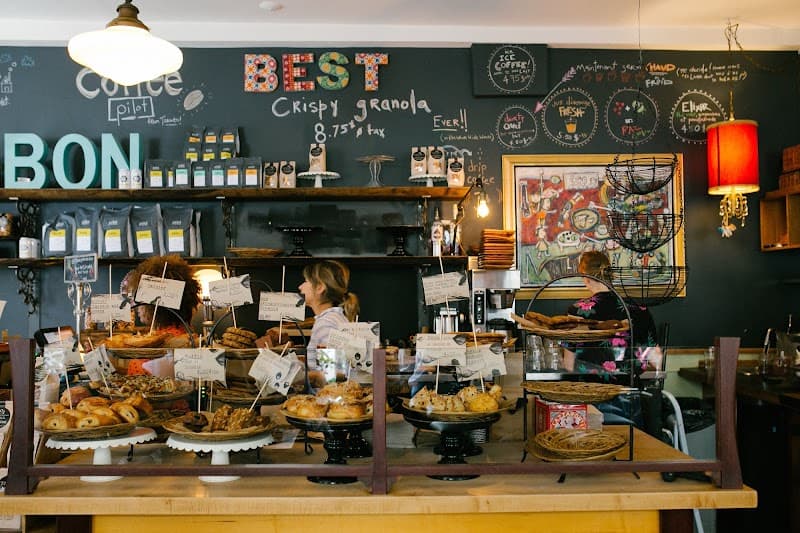
Tropical-Feeling Adventure Weekend in Montréal
Weekend · $$
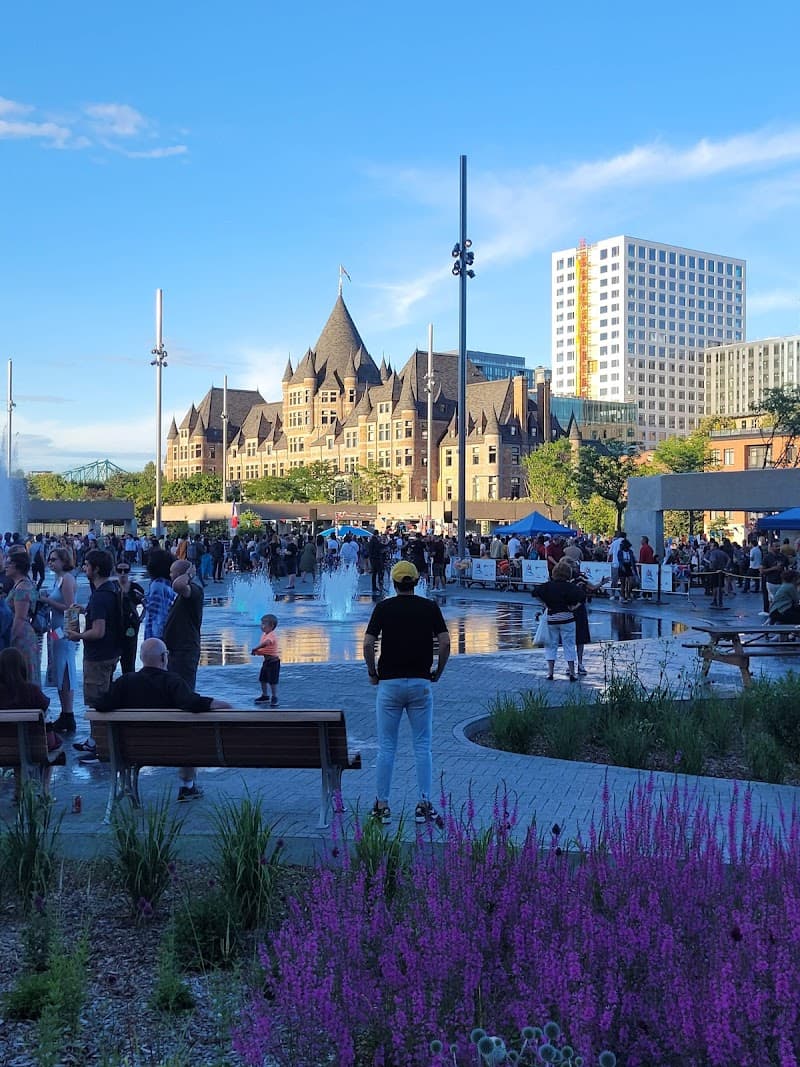
Montreal Slow-Travel Days: Food, Art, Nature, and Nightlife
Weekend · $$
Slow & Sweet Montreal Escape for Two
Weekend · $$
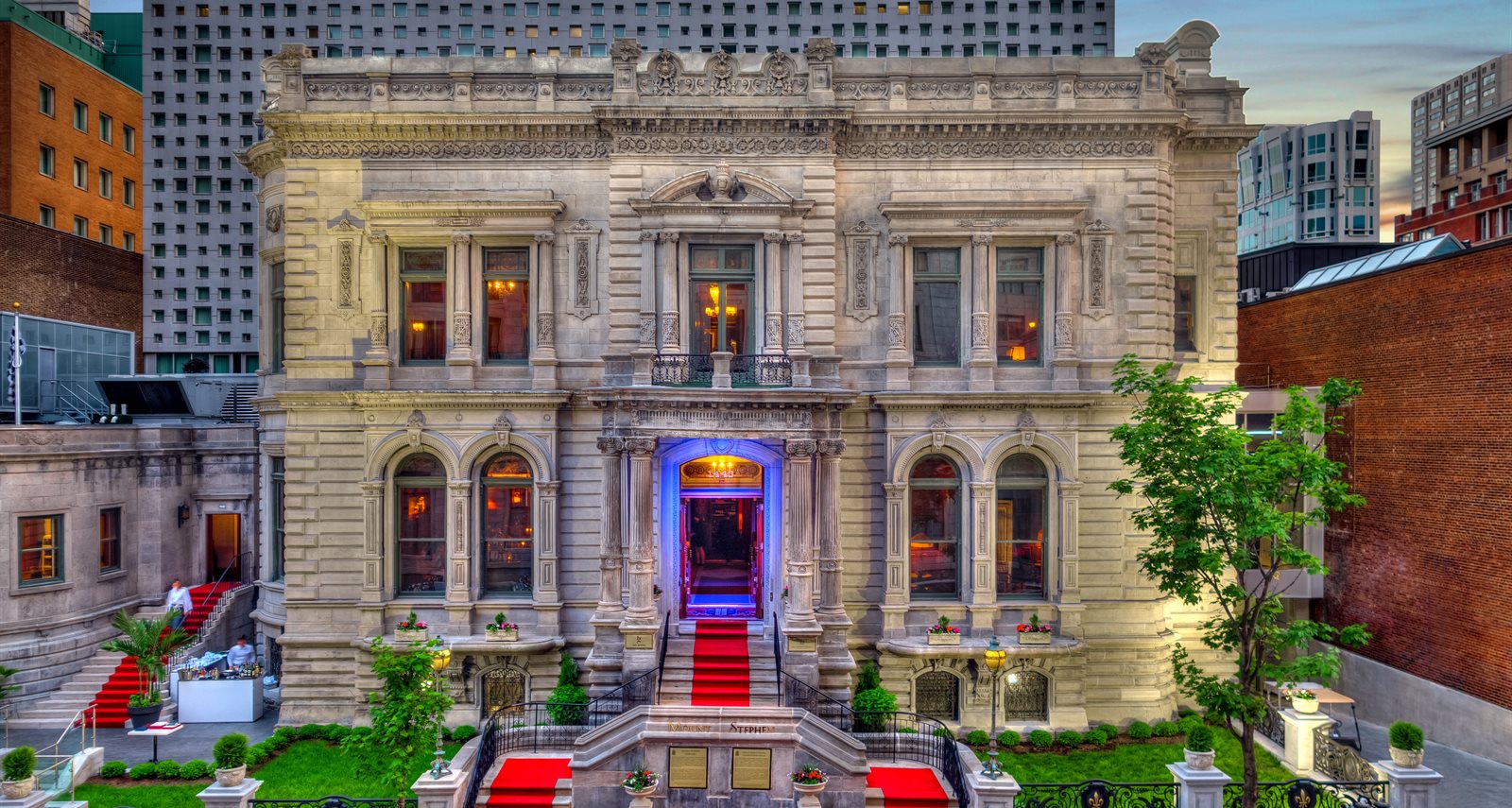
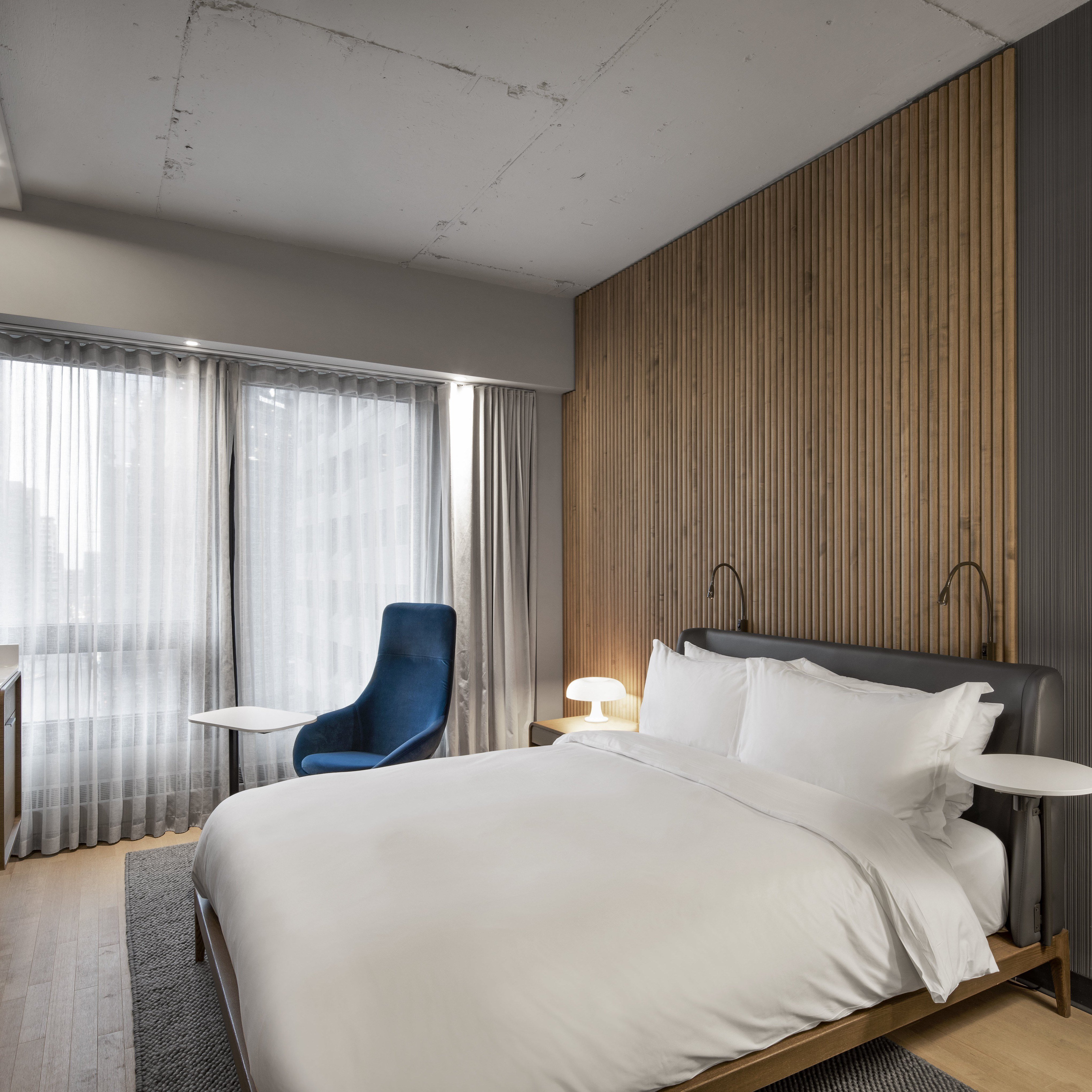
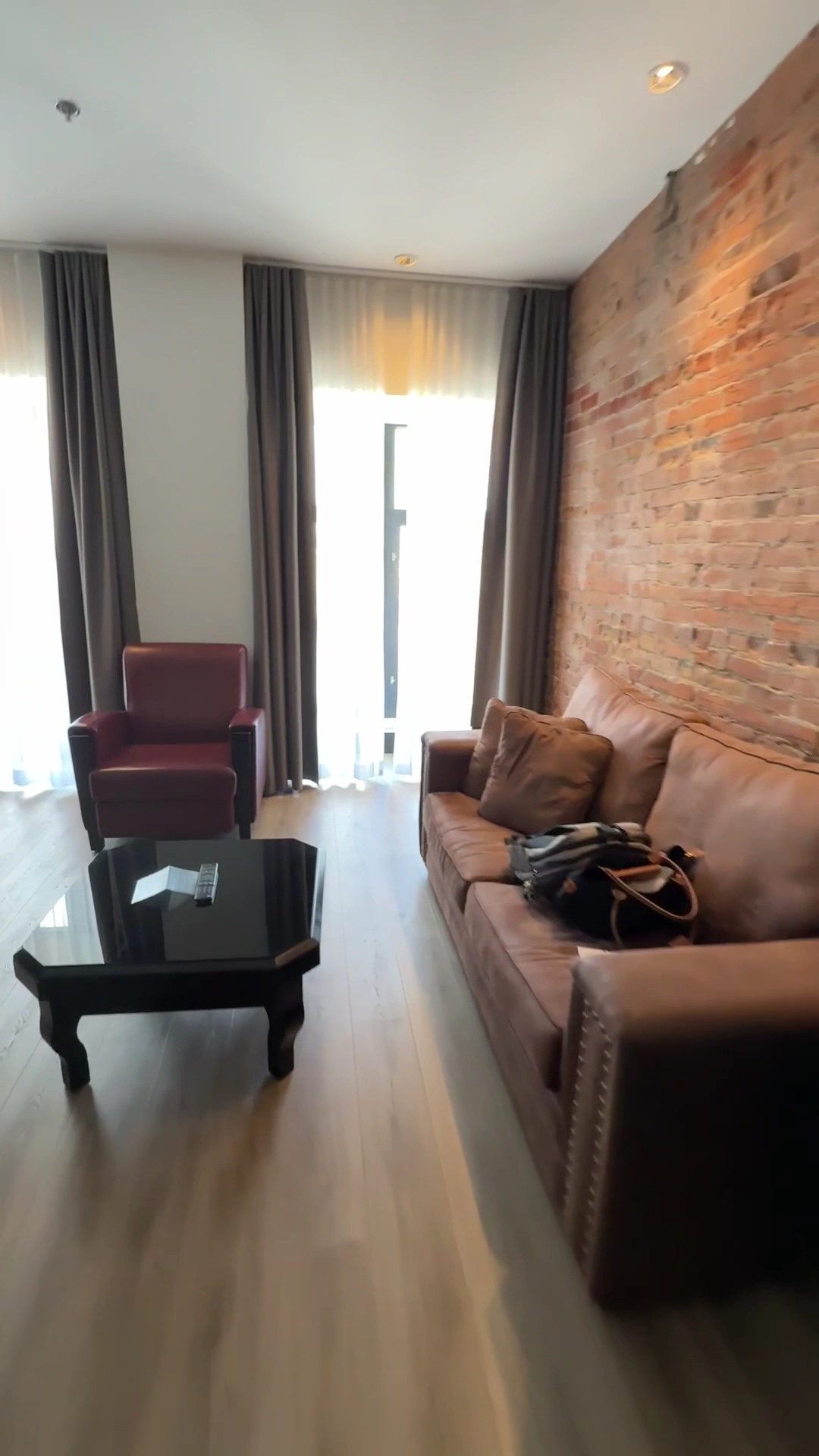
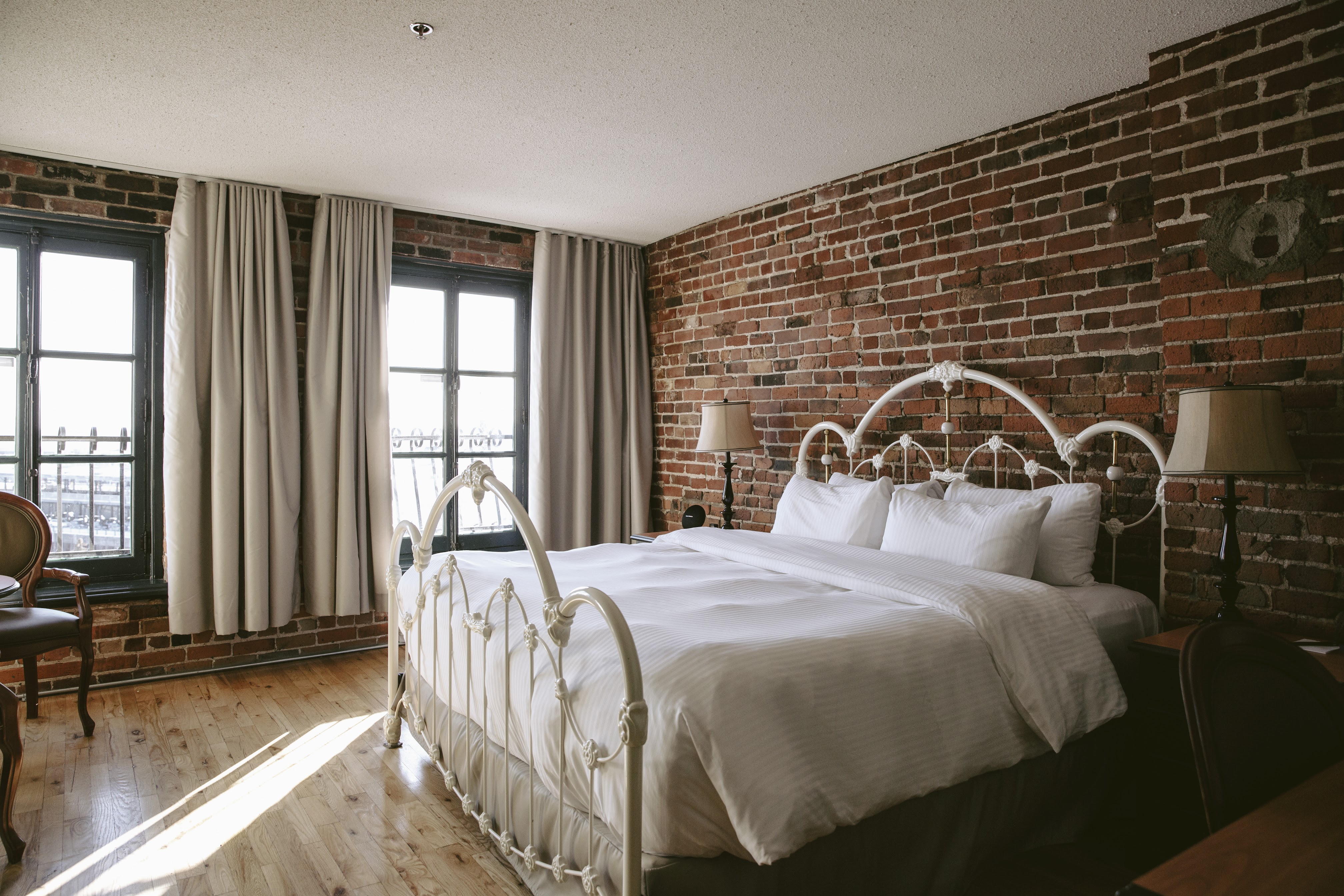
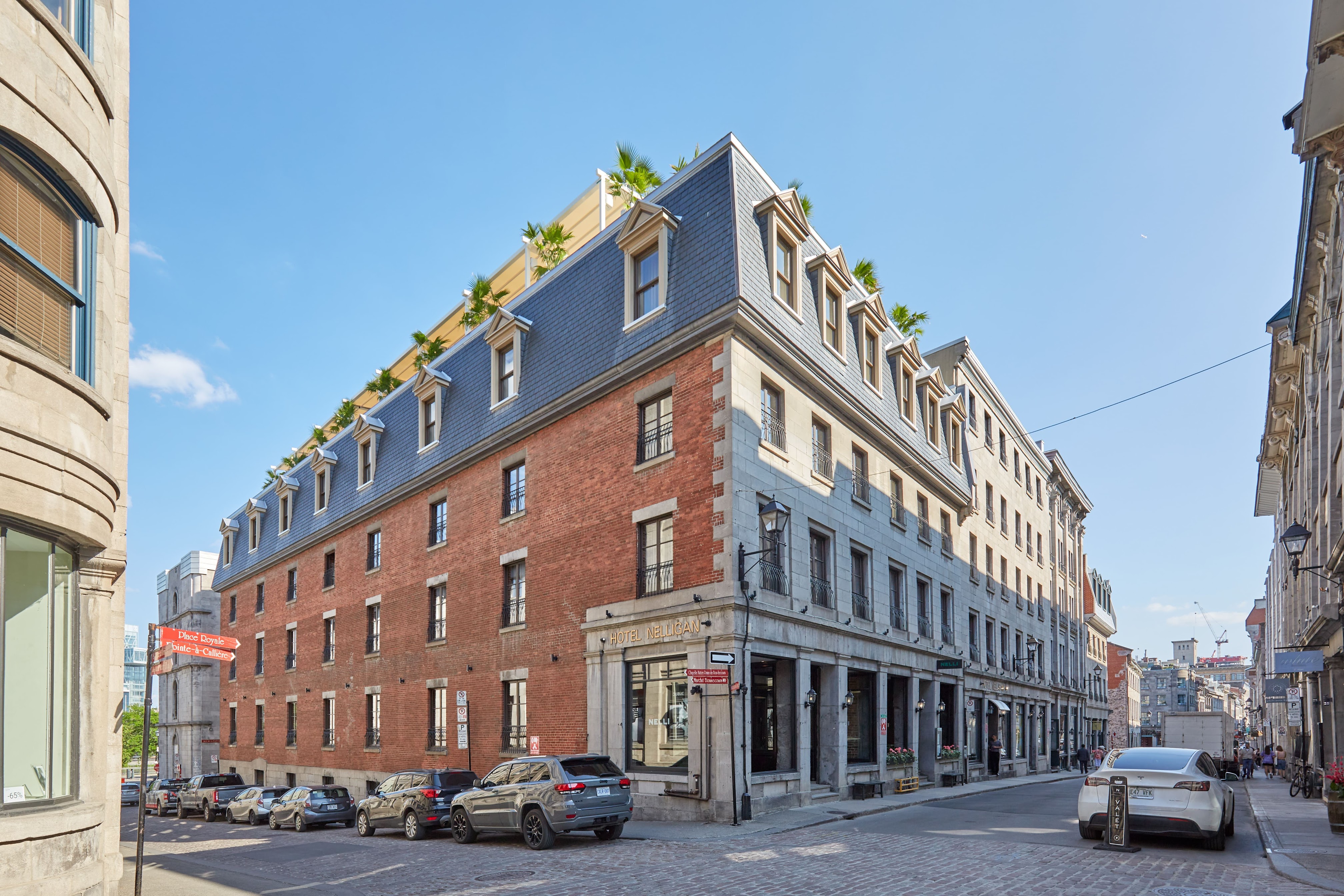
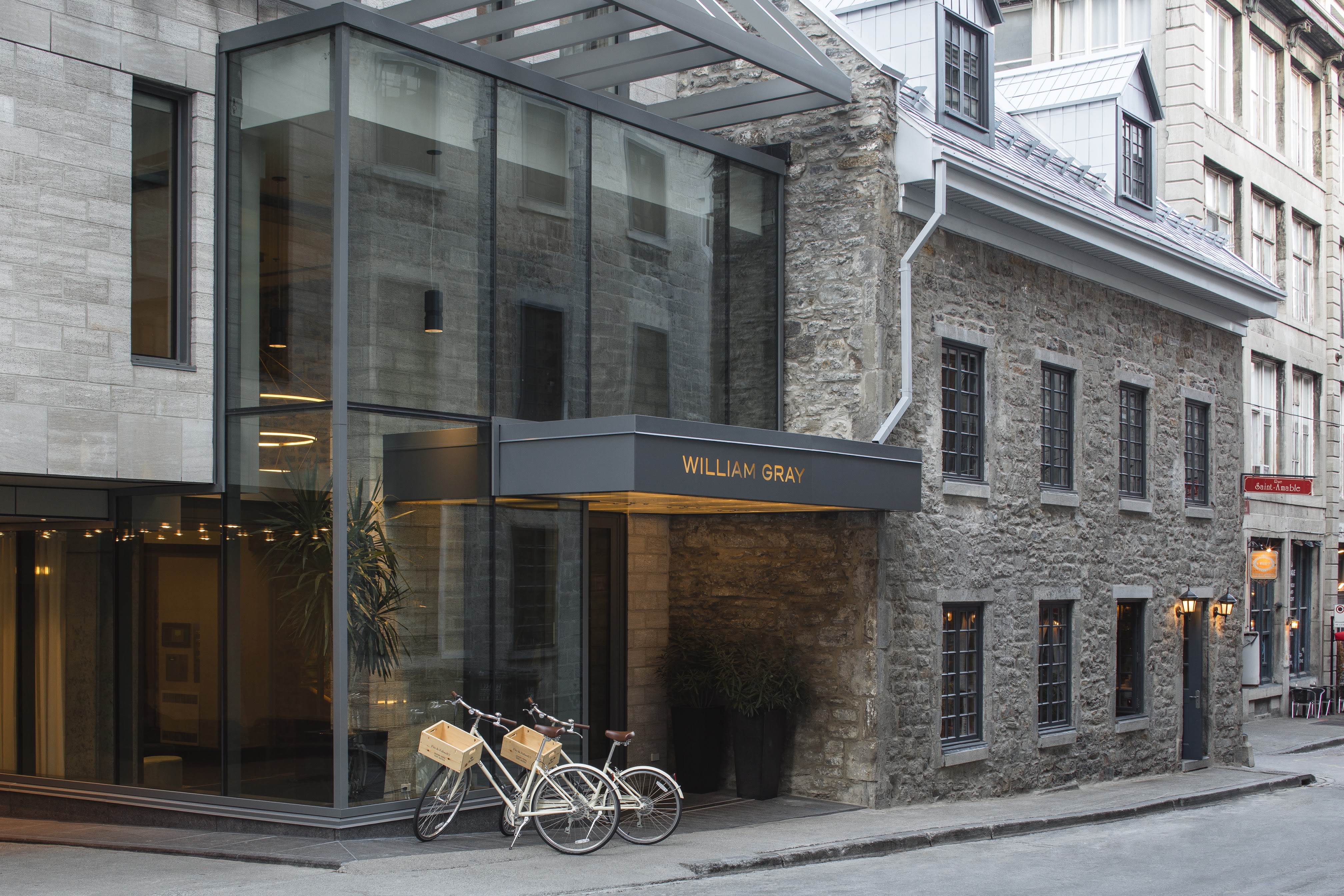
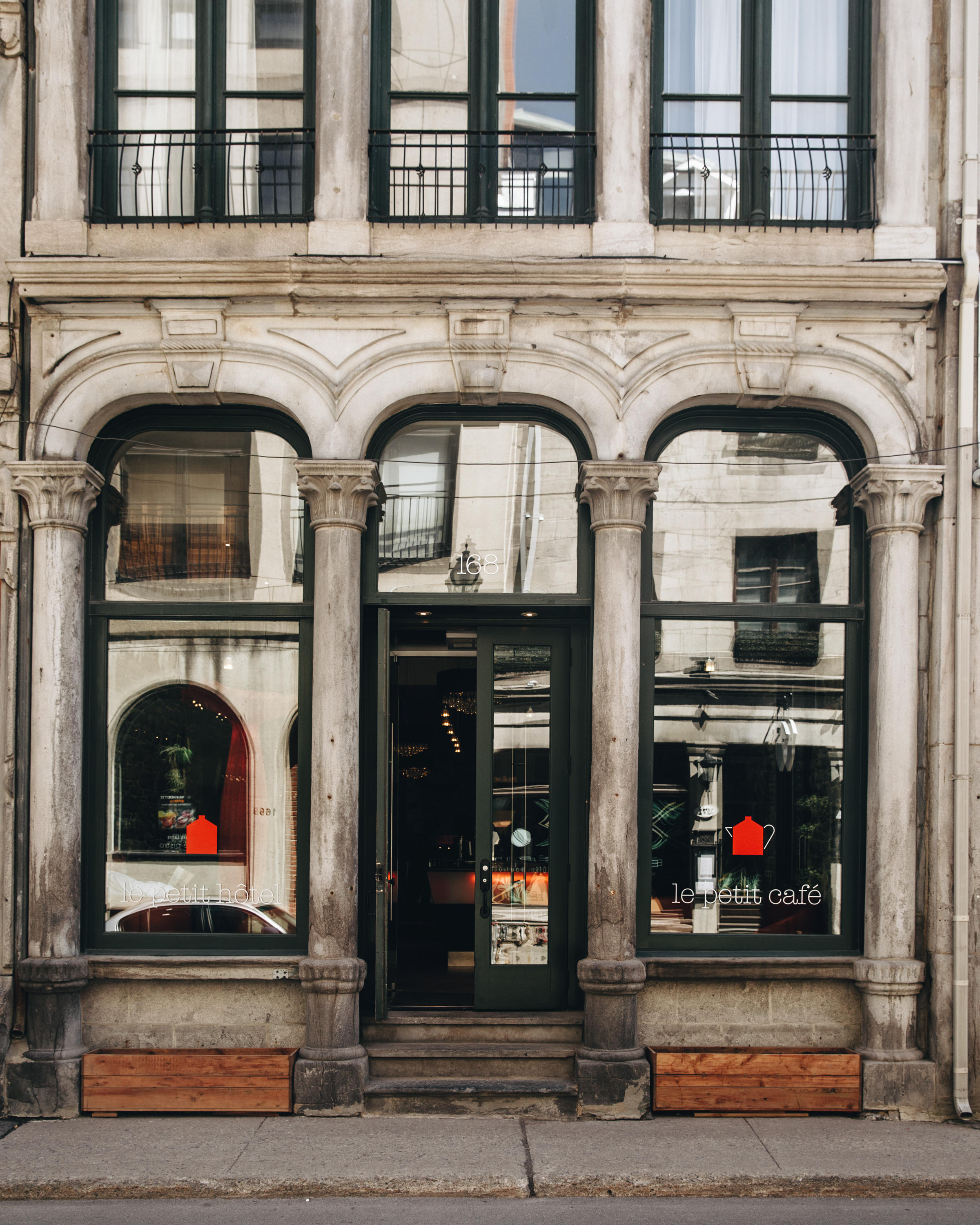
Where to Stay in Montreal
9 recommended properties
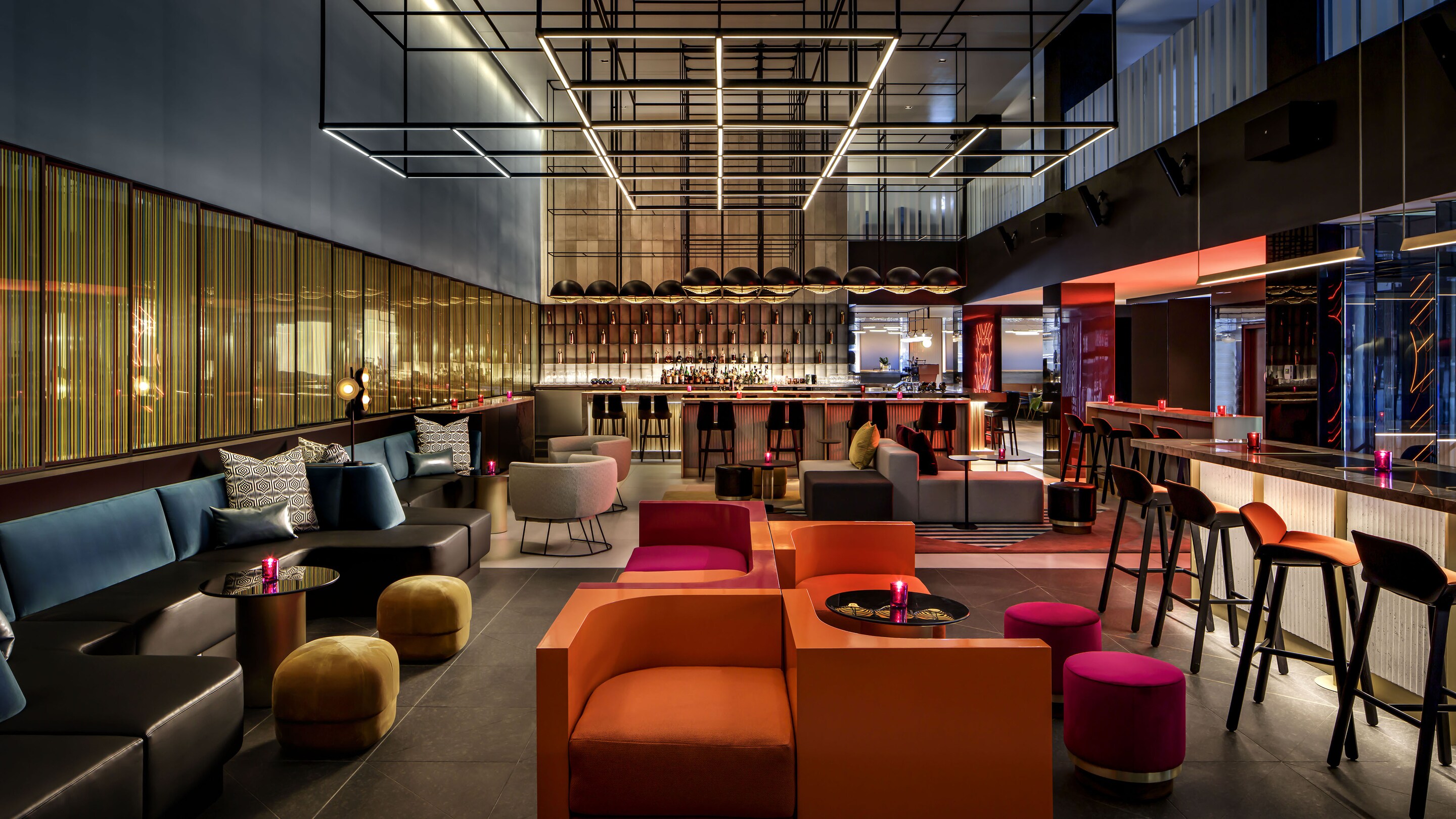
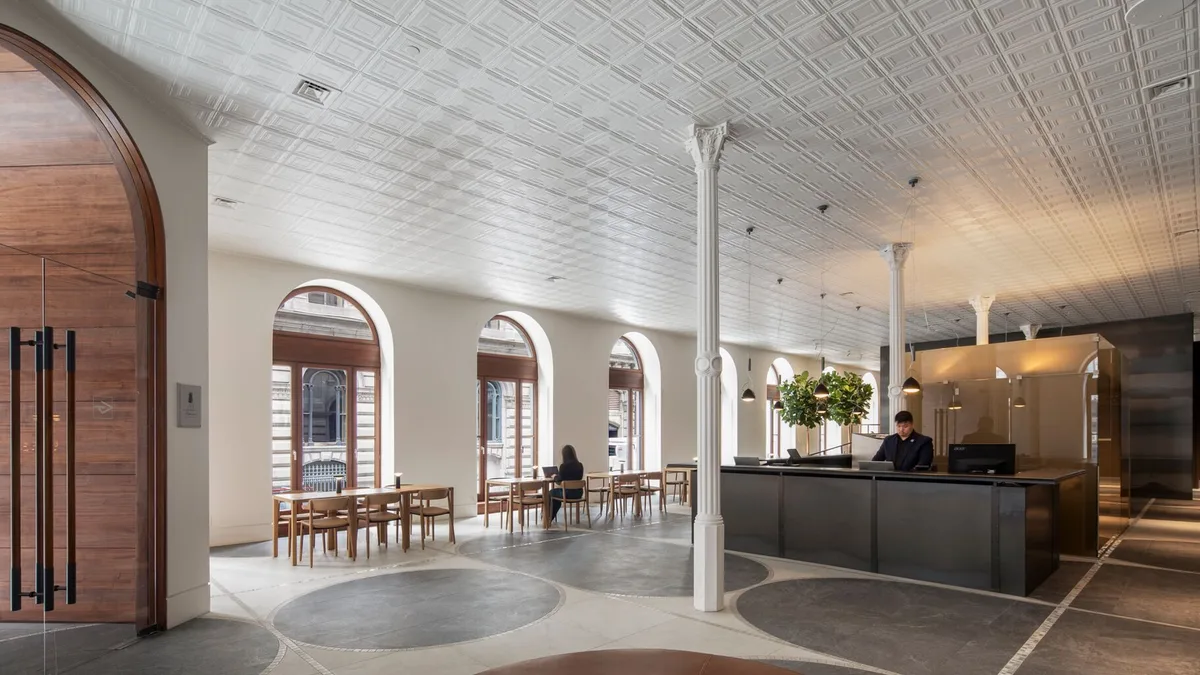
Things to Do in Montreal
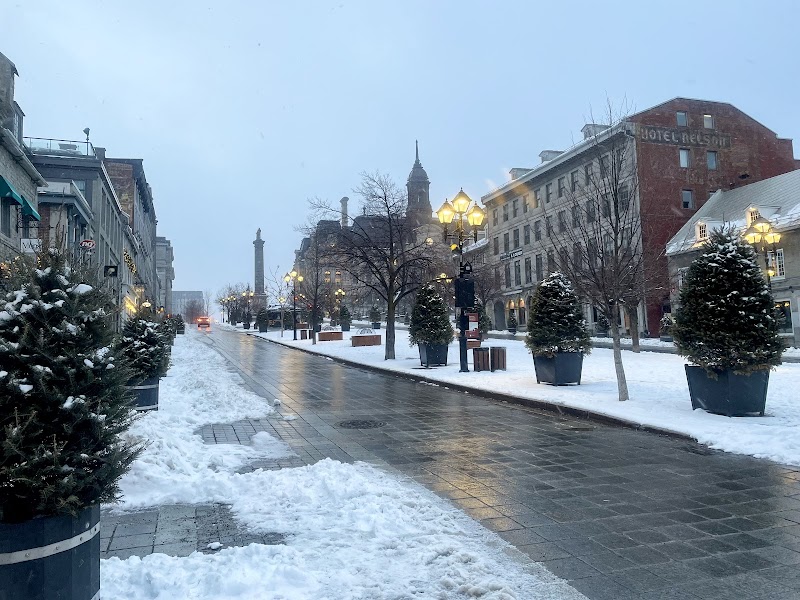
Old Montreal Walking Exploration
Old Montreal · 120 min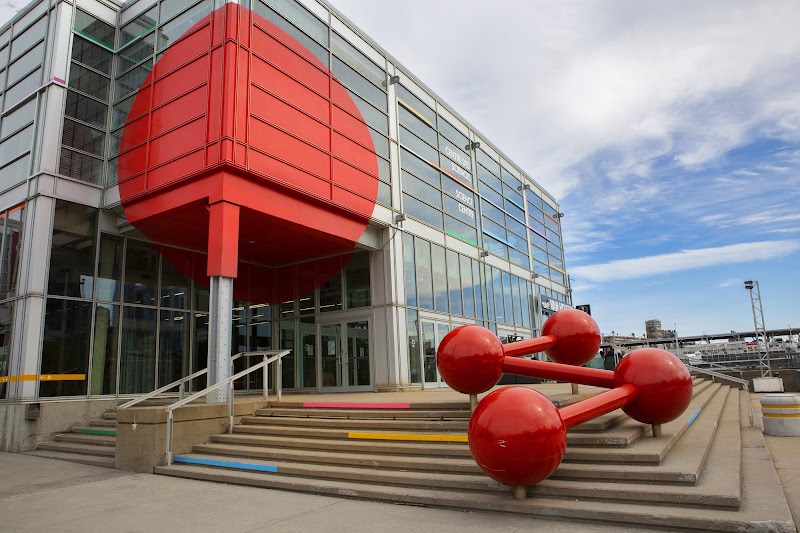
Montreal Science Centre & Old Port Promenade
Old Port · 120 minOld Montreal & Old Port Nightlife Crawl
Old Montreal / Old Port · 150 minMoney-Saving Tips
- 1.Happy hour runs 4-7 PM at most bars with $5-8 drinks instead of $12-15
- 2.BYOB restaurants charge $2-5 corkage instead of restaurant wine markup
- 3.Jean-Talon and Atwater markets offer free samples and cheaper groceries than downtown
- 4.Museum passes cost $75 for access to 40+ attractions over 3 consecutive days
- 5.STM weekly transit passes cost $29.50 vs $3.50 per single ride
- 6.Lunch specials at nice restaurants run $15-25 vs $35-50 for dinner
- 7.Festivals offer free outdoor concerts — check event calendars before paying for shows
- 8.Grocery stores like Metro and IGA have prepared foods cheaper than takeout
Travel Tips
- •Download the STM app for real-time metro updates and mobile tickets
- •Learn basic French phrases — locals appreciate the effort even if you butcher pronunciation
- •Tipping is 15% standard, 18-20% for great service at restaurants
- •Smoking is banned indoors but allowed on most patios and terraces
- •Quebec has different liquor laws — wine and beer in grocery stores, spirits at SAQ only
- •Construction season runs May-October with major street closures and detours
- •Dress in layers year-round — Montreal weather changes fast
- •Most museums close Mondays, but some stay open late Thursdays
- •Parking meters run until 9 PM weekdays, 6 PM weekends in most areas
- •Book restaurant reservations — good spots fill up especially on weekends