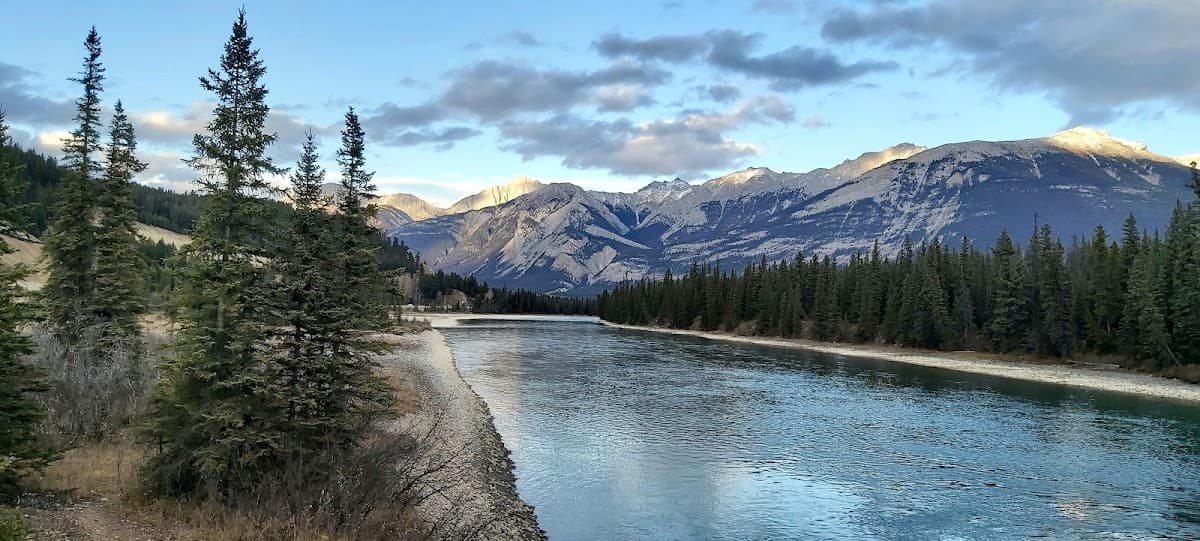
Jasper
Canadian Rockies Wilderness and Dark Sky Sanctuary
Jasper isn't your typical mountain town. Sure, it sits in the heart of the Canadian Rockies, but this place has something most destinations don't: the world's second-largest Dark Sky Preserve. That means when the sun goes down, you're looking at stars the way humans saw them for thousands of years before light pollution took over.
The town itself feels refreshingly low-key compared to Banff's tourist circus. About 5,000 people call Jasper home year-round, and they've managed to keep things authentic. You'll spot elk wandering down Connaught Drive like they own the place. Because honestly, they kind of do.
Here's what makes Jasper special: it's where serious outdoor adventures meet genuine small-town charm. The Jasper SkyTram takes you up Whistlers Mountain for views that'll make your Instagram followers hate you. But the real magic happens when you venture beyond the obvious spots – like soaking in Miette Hot Springs after a day of hiking, or catching the northern lights dancing over Maligne Lake in September.
Best Months
JUN – SEP
~22°C · moderate crowds
Culture & Context
RECOVERING UNESCO GEM
Jasper sits inside a UNESCO World Heritage Site — the Canadian Rocky Mountain Parks — which means development is tightly controlled by Parks Canada. The town exists on federally managed land; residents lease (rather than own) their lots. That quirk shapes everything from housing costs to rebuild timelines after the 2024 wildfire.
The community is small (roughly 5,000 permanent residents) with a strong seasonal workforce that swells massively in summer. It genuinely feels different from Banff: less polished, less commercialized, more likely to have a local sit down next to you at the Jasper Brewing Co. and just chat.
Indigenous history runs deep here — the Athabasca River valley has been traveled by First Nations peoples for thousands of years, and Parks Canada runs Indigenous-led cultural programming through the park. The Two Brothers Totem Pole at 416 Connaught Dr tells the story of a connection between Haida Gwaii and the Rockies. Worth stopping to read the panels.
The 2024 wildfire changed the town profoundly. Many residents lost homes. Recovery is real and ongoing, with federal funding of $187 million announced for rebuilding.
Visiting in 2026 means you're arriving during an active recovery — some scars in the landscape are visible, some restaurants haven't reopened, and the community is still healing. That context matters.
Local Customs
WILDLIFE RIGHT-OF-WAY ALWAYS
Wildlife right-of-way is not negotiable. Elk wander downtown regularly. Give them 30 metres minimum — they look calm until they're not, especially during calving season (May/June) and the fall rut (September/October).
Bulls during rut are genuinely dangerous. Stay in your car when roadside wildlife is close.. Carry bear spray on every hike, no exceptions.
It can be rented from outdoor gear stores in town. Parks Canada recommends 100 metres from bears and cougars, 30 metres from elk and other ungulates. 'Animal jams' — traffic stopping for roadside wildlife — are a normal part of driving in the park.
Pull fully off the road if you stop; don't block lanes.. The loonie is the $1 coin and the toonie is the $2 coin. Canada uses the metric system for everything (Celsius, kilometres).
Alberta is the only province without a provincial sales tax, so you pay 5% GST only on most purchases, plus the 2% Destination Marketing Fee at Jasper member businesses.. Tipping is expected in restaurants (15–20%). Tap water is safe everywhere.
Banking and credit cards are accepted almost universally downtown, though signal can be spotty once you're deep in the park. Download offline maps before you leave town.. Jasper is still actively rebuilding from the catastrophic July 2024 wildfire that destroyed roughly a third of the town (358 structures, CAD $1.
3 billion in insured losses). Some businesses and accommodations remain closed or reduced in capacity. Locals are proud and resilient — acknowledge the recovery if it comes up, and support local businesses where you can..
Some trails and restoration areas remain closed due to post-fire ecological recovery work. Always check Parks Canada's interactive trail map before heading out. Respect closures — they're there for both safety and ecological reasons.
Safety
WILDLIFE HAZARDS NOT CRIME
The biggest safety concerns in Jasper are wildlife-related, not crime-related. The town itself is extremely safe by any conventional measure. But the park is a different story.
Bears (both black and grizzly) are genuinely common, as are elk, moose, wolves, and cougars. Parks Canada rules: stay at least 100 metres from bears, cougars, and wolves; at least 30 metres from elk, deer, moose, goats, and sheep. Carry bear spray on every trail outing and know how to use it — it can be rented from outdoor stores in town.
During spring (April–June) female elk with calves are especially unpredictable and dangerous. During fall rut (September–October) male elk are aggressive. Don't approach any wildlife for photos, no matter how docile they look.
Fines for feeding or disturbing wildlife run up to CAD $25,000. Mountain weather changes fast in Jasper, even in summer. Snow is possible at higher elevations any month of the year.
Pack layers, waterproof gear, and do not attempt alpine hikes without checking the trail report first. Wildfire risk: Alberta's 2026 wildfire season began March 1 and is already active. Check alberta.
ca/wildfire for daily conditions, and always follow any park restrictions or fire bans. Air quality in Jasper has stabilized since 2024, but travelers with respiratory concerns should check real-time air quality updates before visiting.
Getting Around
CAR ESSENTIAL HERE
You need a car. That's the honest answer. Jasper has no meaningful public transit within the national park, and the major attractions (Athabasca Falls, Maligne Lake, Miette Hot Springs, Columbia Icefield) are spread across a huge area.
Tourism operators run shuttles to specific sites — the Jasper SkyTram, Maligne Canyon, and Maligne Lake all have operator-run transport — but these are tour packages, not on-demand buses. Getting there from outside: VIA Rail runs between Vancouver and Toronto with a stop in Jasper (the Canadian route — a classic, multi-day train journey). Rocky Mountaineer also serves Jasper on its Journey Through the Clouds route from Vancouver (two-day, premium experience).
From Edmonton, it's roughly 3.5 hours by car along Highway 16 (the Yellowhead). From Banff and Lake Louise, the Icefields Parkway (Highway 93) is the main route — 232km of mountain driving that's spectacular but requires full attention, especially in shoulder seasons when ice and wildlife hazards are common.
Downtown Jasper has paid parking in summer; leave your car in a lot on Connaught Drive and walk. The one-way street system catches visitors constantly — check a map before driving through town.
Useful Phrases
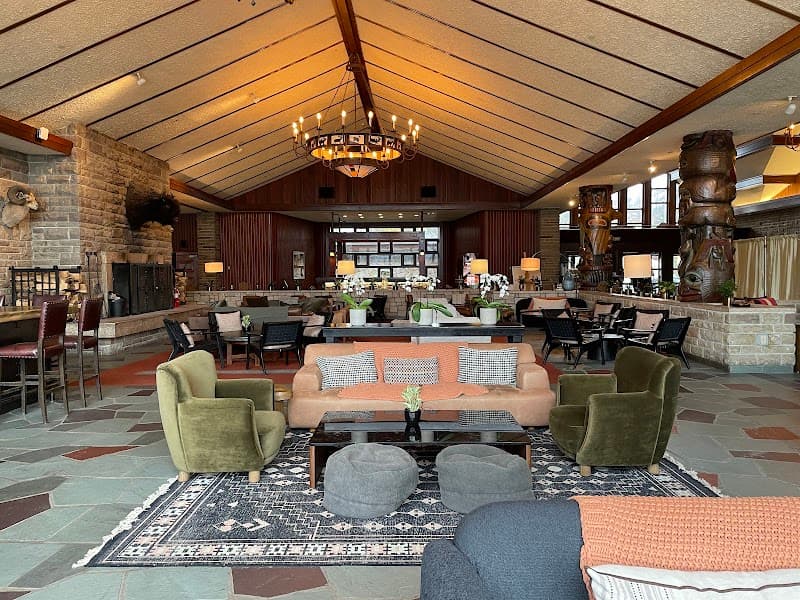

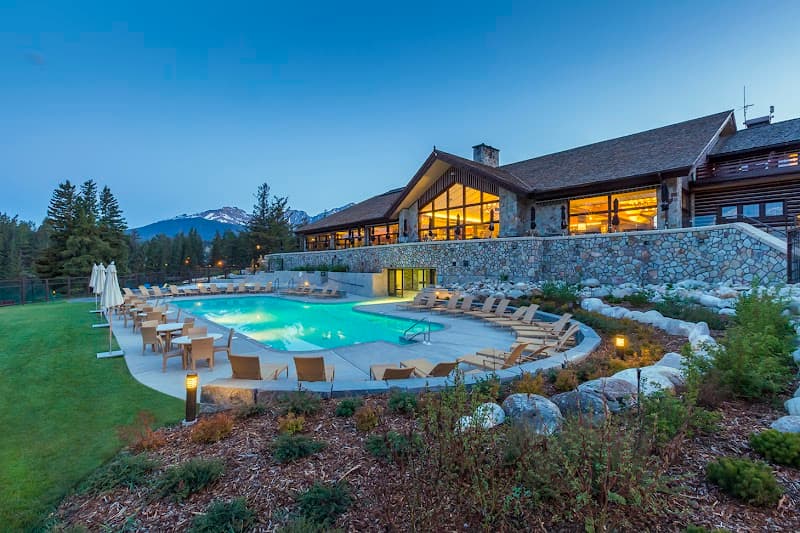
Where to Stay in Jasper
1 recommended properties
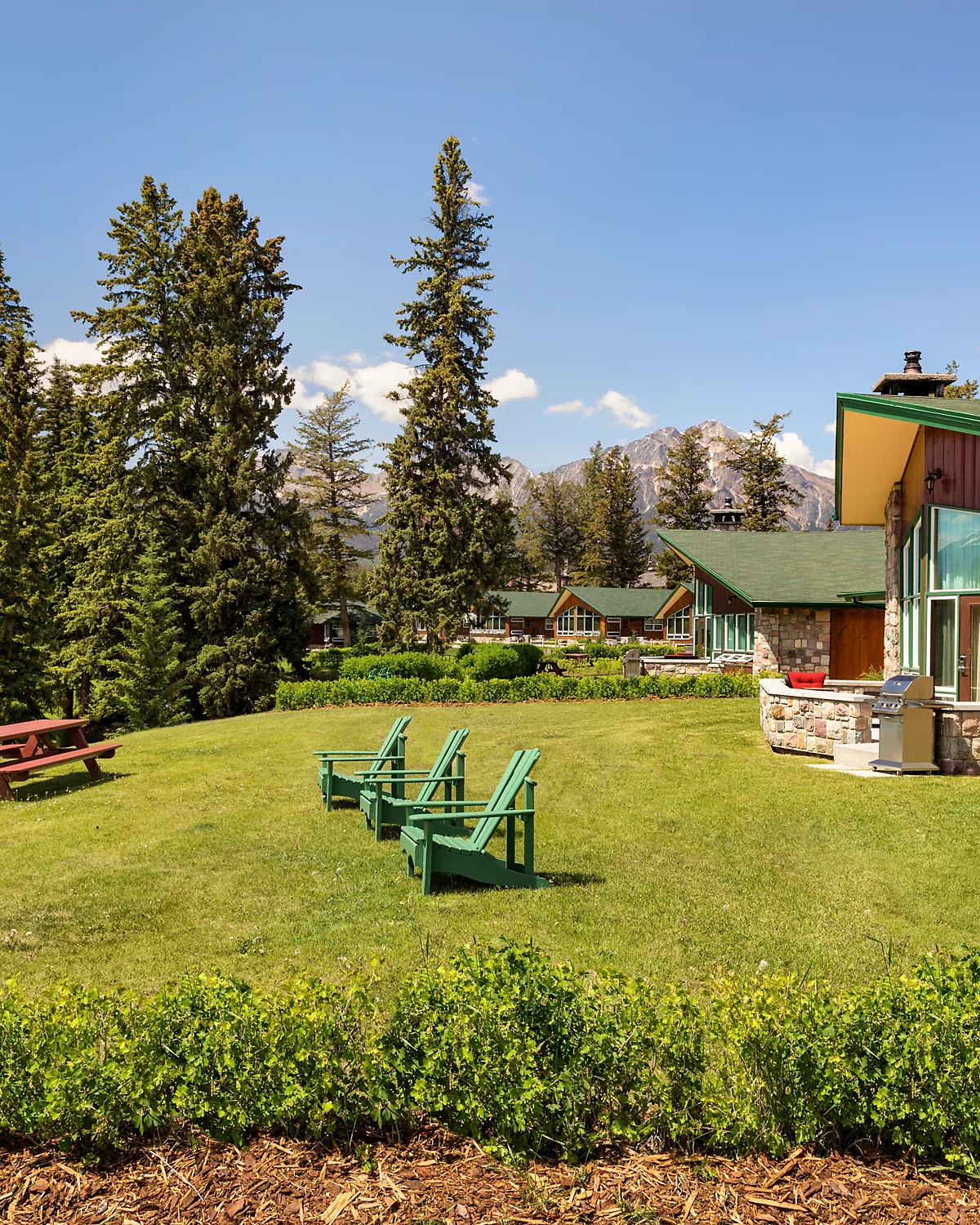
Things to Do in Jasper
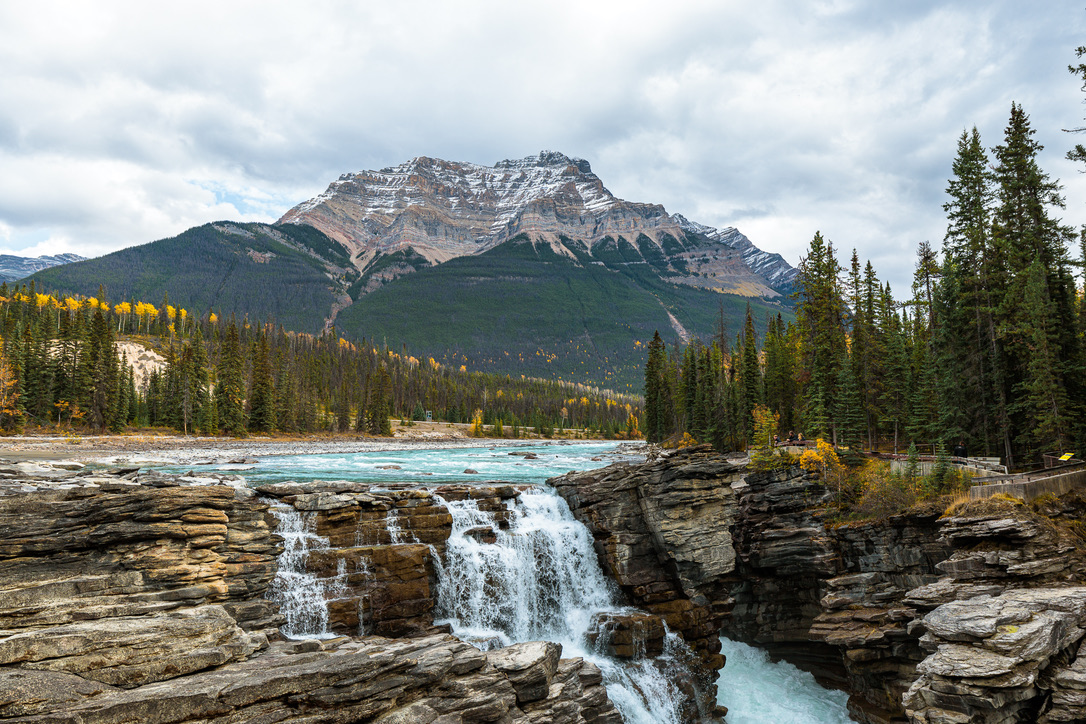
Athabasca Falls
45 min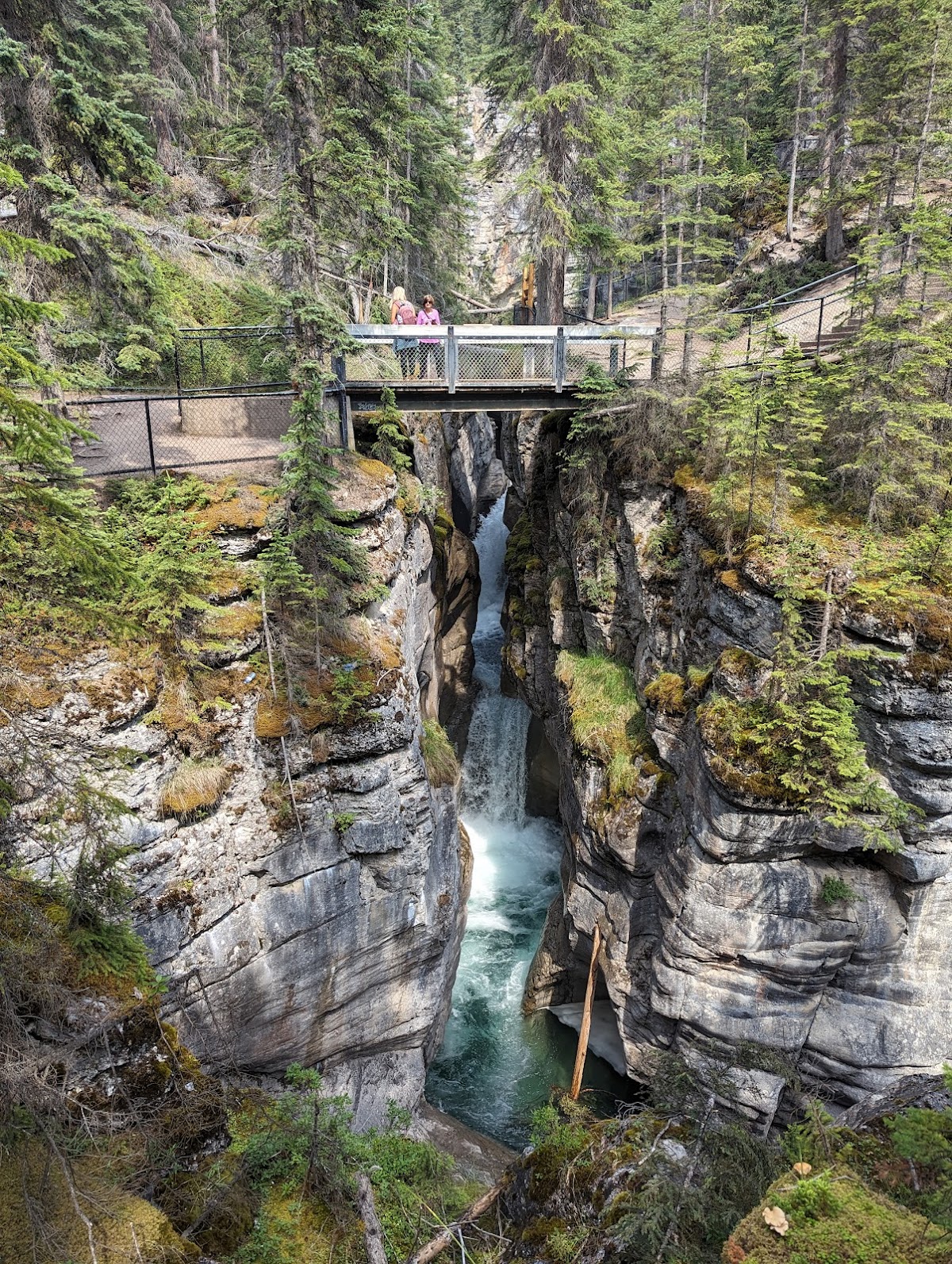
Maligne Canyon
90 min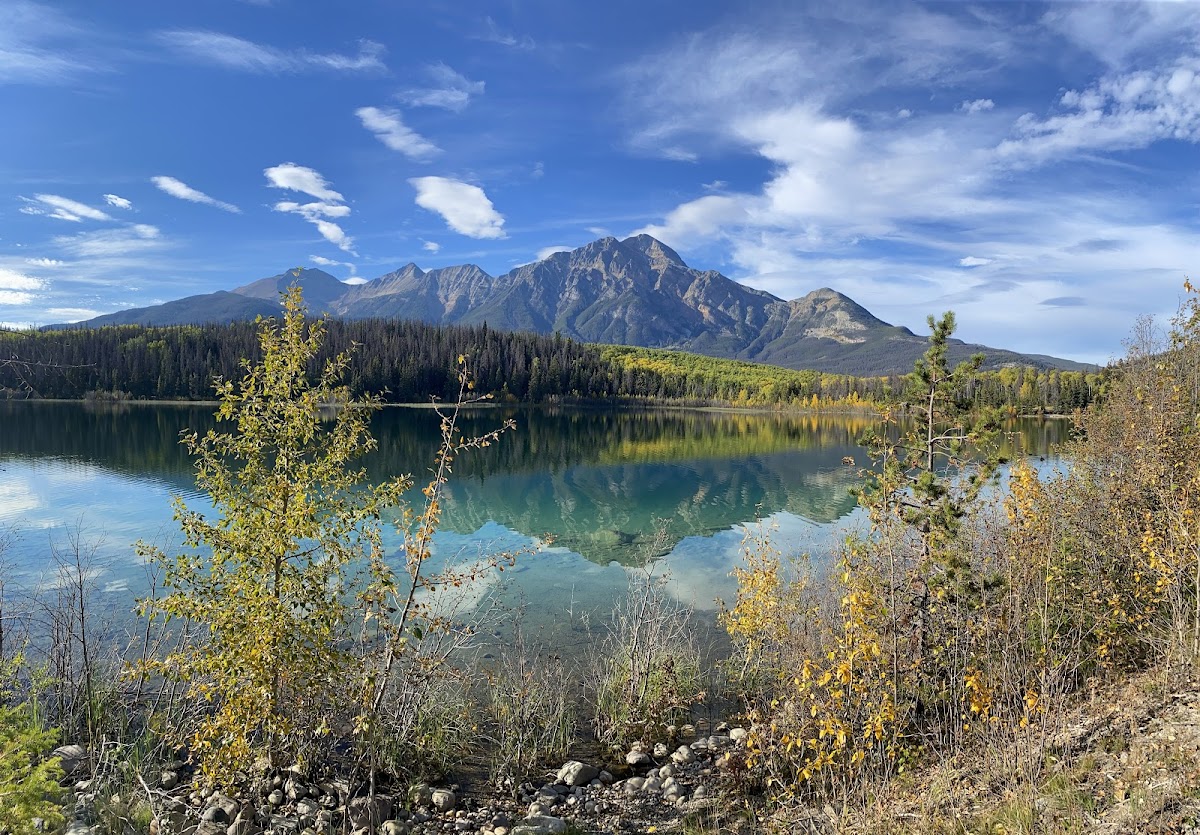
Pyramid and Patricia Lakes
60 minMoney-Saving Tips
- 1.Buy groceries in Edmonton before driving up – Jasper's IGA charges $12 for a basic sandwich
- 2.Book accommodation 6+ months ahead for summer visits to avoid $400+ nightly rates
- 3.Rent your car before arriving – summer availability is limited and daily rates hit $100+
- 4.Pack layers even in summer – mountain weather changes fast and buying gear locally costs double
- 5.Hit happy hour at Jasper Brewing Company (4-6 PM) for $6 pints instead of $8 evening prices
- 6.Download Parks Canada app for free trail maps instead of buying $15 paper versions at visitor center
- 7.Fill up your gas tank in Hinton – Jasper stations charge 20+ cents more per liter
- 8.Bring your own snacks for day hikes – trail mix at mountain shops costs $18 per bag
Travel Tips
- •Download offline maps before heading out – cell service disappears quickly outside town
- •Carry bear spray and know how to use it – black bears and grizzlies are common on all trails
- •Check Parks Canada website for road closures before driving the Icefields Parkway
- •Book restaurant reservations early in summer – most places are tiny and fill up fast
- •Bring warm clothes even in July – mountain temperatures can drop to 5°C at night
- •Start hikes early (7 AM) to avoid afternoon thunderstorms and secure parking spots
- •Keep food locked in your car or hotel room – elk and bears will destroy your stuff for snacks
- •Bring a red flashlight for stargazing – white light ruins your night vision for 30 minutes
- •Pack layers for the SkyTram – it's 5-10°C colder at the top of Whistlers Mountain
- •Respect wildlife viewing distances – elk can charge if they feel threatened during mating season