Napa Valley
World-class wines amid rolling vineyard landscapes
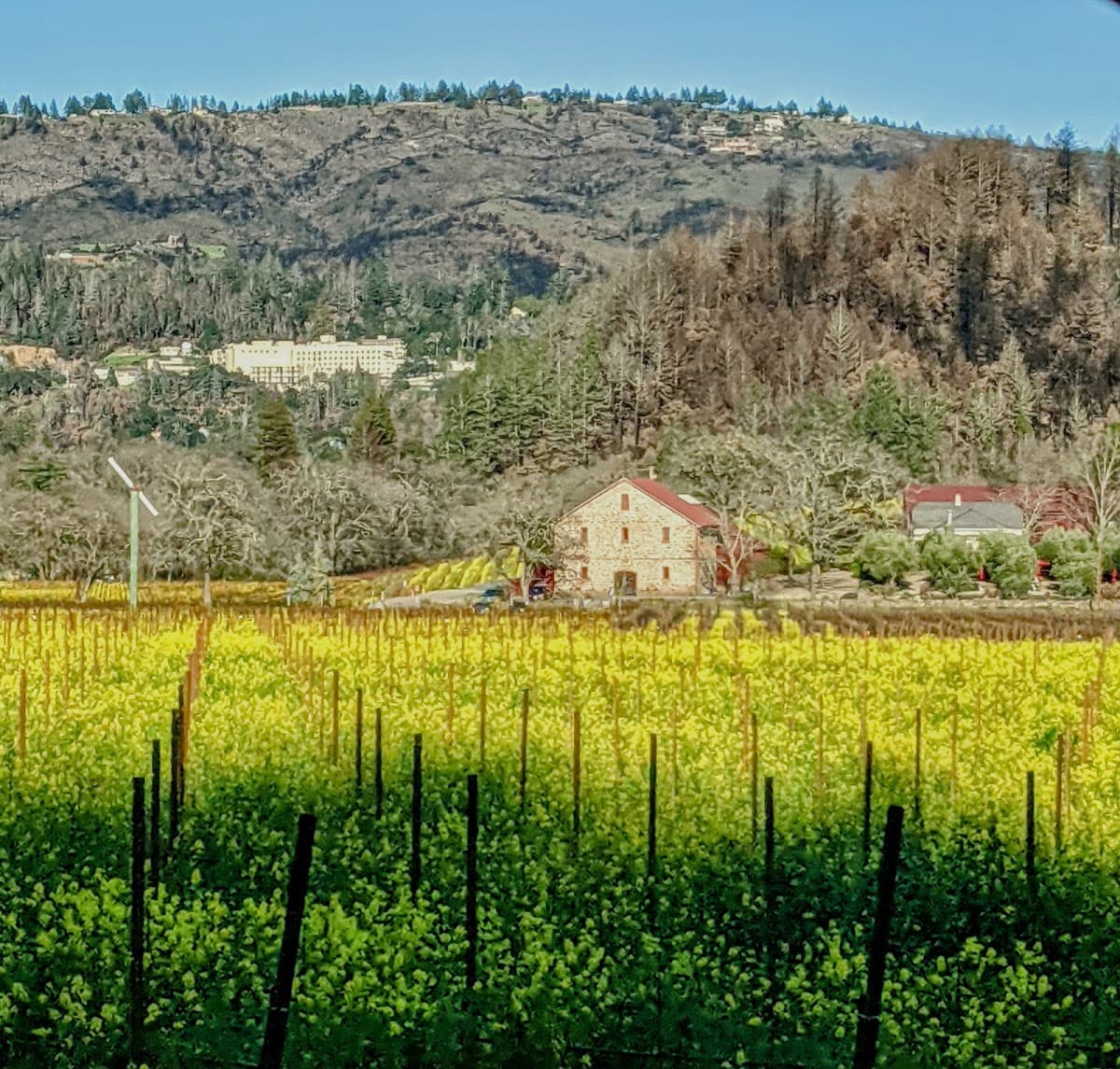
Napa Valley isn't just about wine—though the Cabernet here will spoil you for life. This 30-mile stretch of California's wine country combines world-class vintages with Michelin-starred dining, luxury spas, and those postcard-perfect rolling hills you've seen on Instagram. Sure, it's pricey. But there's a reason couples fly here from around the world to pop the question at sunset over the vineyards. The valley runs north from the San Francisco Bay to Calistoga, with each town offering its own personality. Yountville feels like a European village transplanted to California. St. Helena buzzes with locals grabbing coffee at Model Bakery. And Calistoga? That's where you'll find hot springs and a more laid-back vibe. Just don't expect budget-friendly anything—a basic hotel room runs $300+ per night, and that's before you factor in $25 tastings and $200 dinners.
Itineraries coming soon
We're working on adding amazing itineraries for Napa Valley. In the meantime, try the app to create your own!
Money-Saving Tips
- 1.Visit during winter months (January-March) when hotel rates drop 40-50% and many restaurants offer prix fixe menus
- 2.Skip the famous wineries and seek out smaller producers—many offer free tastings or waive fees with bottle purchases
- 3.Pack a picnic from Oxbow Public Market instead of paying $200+ for winery restaurant meals
- 4.Stay in Napa city rather than Yountville or St. Helena to save $100-200 per night on accommodations
- 5.Book wine tastings directly through winery websites to avoid third-party booking fees
- 6.Take advantage of happy hour specials at hotel bars—many offer half-price wine flights 4-6pm
- 7.Buy wine directly from wineries to avoid retail markups and get access to library wines not sold in stores
Travel Tips
- •Make dinner reservations 2-3 months ahead for Michelin-starred restaurants, especially The French Laundry
- •Book winery tastings in advance—many require reservations and some have membership-only access
- •Bring layers—mornings can be foggy and cool while afternoons reach 85°F, even in winter
- •Download offline maps before heading into the hills—cell service can be spotty at hillside wineries
- •Ship wine purchases home instead of flying with them—most wineries offer reasonable shipping rates
- •Designate a driver or book transportation—DUI enforcement is strict and expensive in wine country
- •Eat something substantial before wine tasting—crackers and cheese at wineries won't cut it after three tastings
Frequently Asked Questions
Explore Napa Valley
Ready to explore Napa Valley?
Get a personalized itinerary in seconds with Takeoff.
Free on iOS. No credit card required.