Nantes
Culture & Context
STEAMPUNK SOUL CITY
CREATIVE & PROUDLY WEIRD
Nantes sits in a sweet spot between French city and Breton soul. The street signs are in both French and Breton, and locals will remind you the Loire-Atlantique historically belonged to Brittany. That identity tension feeds a certain creative restlessness. This is the birthplace of Jules Verne, and the city leans hard into that imaginative DNA.
The big proof is Les Machines de l'île, a working steampunk universe on a former shipyard island where a 12-meter mechanical elephant carries passengers on its back and sprays water from its trunk. It's completely absurd. It works brilliantly. That's Nantes in a nutshell.
The city spent decades reinventing itself after losing its industrial shipping base. What came out the other side is one of France's most ambitious public art programs. The Le Voyage à Nantes green line, painted directly on the pavement, connects roughly 100 artworks across the city. Follow it and you'll end up inside a cathedral, a courtyard, and an unexpected alley installation within the same afternoon.
But Nantes has darker layers too. It was France's largest slave-trading port in the 18th century. The Memorial to the Abolition of Slavery along the Loire quay addresses that history directly and is worth a long visit. The city doesn't hide from it.
Locally, the Nantais are described as relaxed and quietly proud. Less guarded than Parisians, more laid-back than you'd expect from a city of 320,000. Café culture is real here. Arguments about football (FC Nantes, the yellow canaries) are enthusiastic. Muscadet wine from the surrounding Loire Valley flows freely and cheaply.
Local Customs
BONJOUR, ALWAYS
Say bonjour every single time you enter a shop, café, or restaurant. Not doing it is genuinely rude here, not just a faux pas. Follow it with merci and au revoir when you leave.
Every time.. Tipping is not expected. Bills include service compris (service charge already included).
Leaving a euro or two, or rounding up, is appreciated for good service but never obligatory. Tipping 20% like in the US would actually seem strange.. La bise (cheek kiss greeting) happens between friends and acquaintances.
In Nantes and most of western France, it's typically two kisses. Follow the local's lead. Never initiate with a stranger..
Dining is slow by design. Don't flag down your waiter every five minutes. Meals are events, not fuel stops.
The waiter won't bring the bill until you ask for it (l'addition, s'il vous plaît). That's not rudeness, that's respecting your table.. Bread goes directly on the tablecloth, not a plate.
Tear it by hand. And yes, using it to mop up sauce is completely acceptable and expected.. Keep your voice down in public.
Talking loudly in cafés, on trams, or in queues marks you immediately as a tourist and can genuinely irritate locals.. Try French first, even badly. Starting in English without attempting a bonjour or merci is considered dismissive.
Most younger Nantais and anyone in tourism speaks English, but the attempt matters.
Safety
MOSTLY SAFE, WATCH POCKETS
COMMON SENSE REQUIRED
Nantes is manageable and mostly pleasant for visitors. The tourist zones, Château des Ducs de Bretagne, Île de Nantes, the historic centre, present no specific dangers during the day. Most trips pass without any incident.
Petty theft is the realistic concern. Pickpocketing happens at tram stops, busy markets, festivals, and nightlife areas. Keep bags zipped, phones out of back pockets, and don't leave anything visible in a parked car.
Some peripheral neighborhoods get rougher, particularly after dark. Le Breil in the north and Bellevue in the west are areas with ongoing social tensions and active drug trade. As a tourist, you're unlikely to wander into either accidentally. Areas around Quai de la Fosse and some streets off Bouffay can get edgy late at night. Don't let that put you off the center, just be aware when leaving clubs at 2am.
One practical 2026 note: Tram Line 1 is suspended between Commerce and François Mitterrand/Jamet stops from mid-June through late August due to major construction works around Île de Nantes. Replacement shuttle buses run, but expect delays. Plan extra time if crossing the island during summer.
For emergencies, dial 112 (EU universal). Pharmacies display a green illuminated cross sign and are widely distributed across the city. France's US State Department advisory as of May 2025 sits at Level 2 (Exercise Increased Caution), which applies to all of France, not specifically Nantes.
Getting Around
TRAM & WALK
TRAM, BIKE & RIVER BUS
Nantes has one of the best urban transport networks in western France, operated by Naolib. Three tram lines cross the city and intersect in the center at the Commerce stop, which is the main interchange hub. Add two Busway (rapid bus) lines, around 50 bus routes, and the Navibus river shuttles that cross the Loire and travel the Erdre. One ticket covers all of them.
Here's the best deal nobody talks about enough: public transport is completely free every weekend, from midnight Saturday through end of service Sunday. That's trams, buses, and river shuttles included. The airport shuttle and a few special routes are the exceptions.
For weekday travel, a single ticket is around €1.60-2.50 for one hour of travel across the entire network. A 24-hour pass costs roughly €4.20 and is great value if you're doing a full sightseeing day. The Pass Nantes tourist card bundles unlimited transport with free entry to 50+ museums and attractions, starting at €27 for 24 hours.
The city is also very walkable. The main landmarks, Château des Ducs de Bretagne, the Cathedral, Passage Pommeraye, Place Royale, are all within comfortable walking distance of each other. And the green line painted on the pavement will guide you the whole way without needing a map.
Important 2026 heads-up: Tram Line 1 is suspended between Commerce and the François Mitterrand/Jamet stops from mid-June to late August due to construction on Île de Nantes. Replacement shuttle buses (BR) serve the affected stops. Check the Naolib app or website before any trip during summer.
From the airport (Nantes Atlantique, about 10-12km southwest), the shuttle bus runs every 20 minutes in summer and costs €9. Card only, no cash. Journey to Gare de Nantes takes about 25 minutes. High-speed TGV trains connect Nantes to Paris Montparnasse in around 2 hours, with roughly 18 trains daily.
Useful Phrases
Where to Stay in Nantes
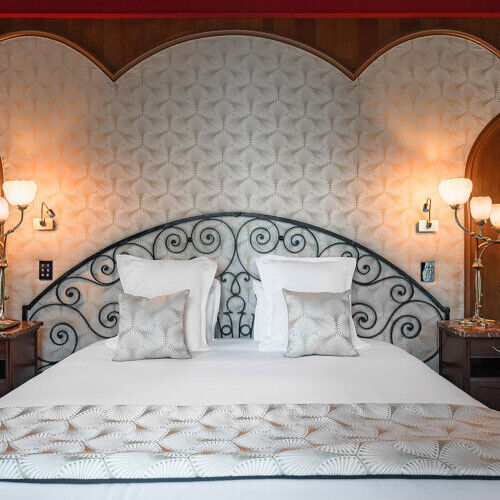
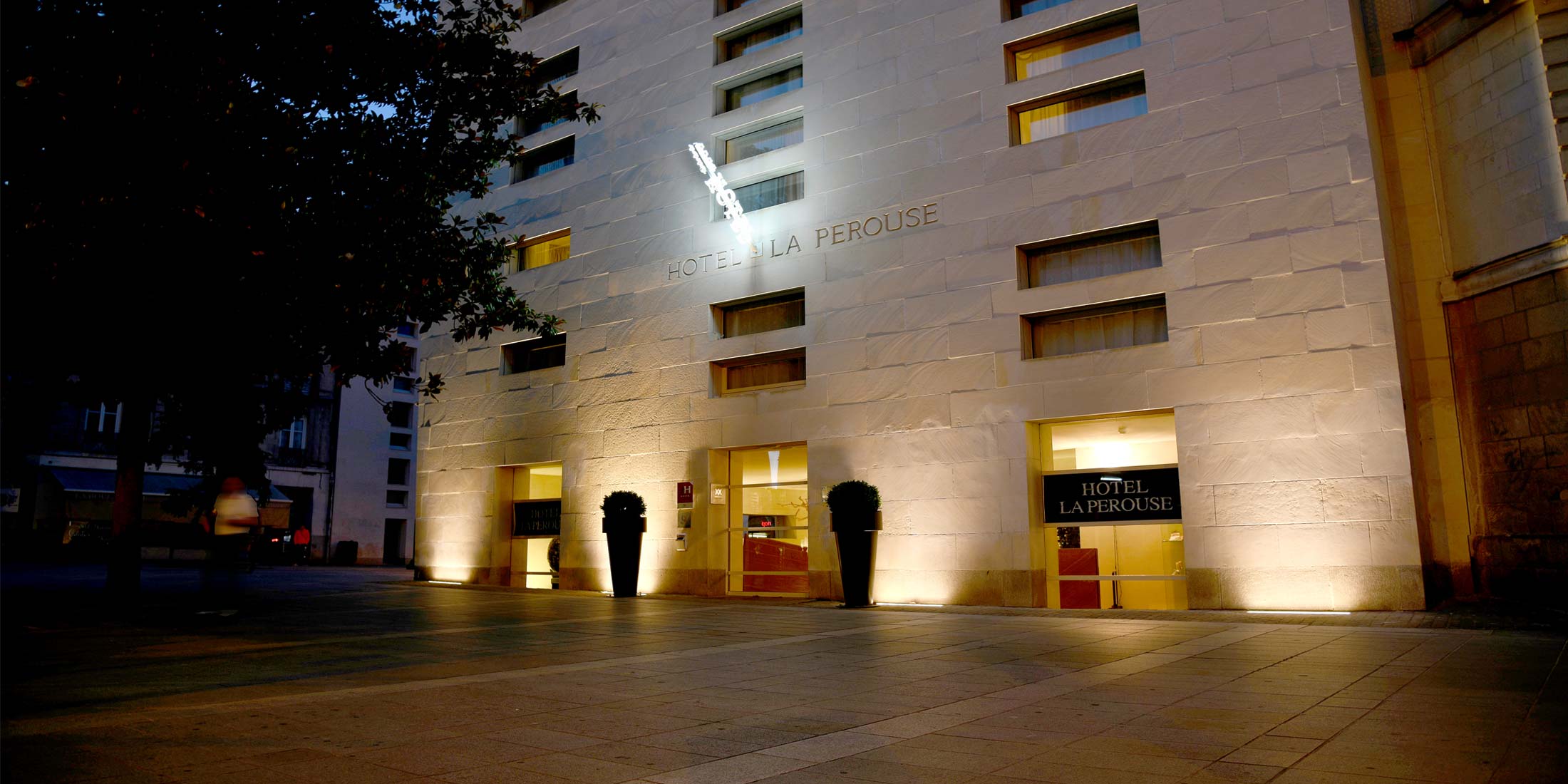
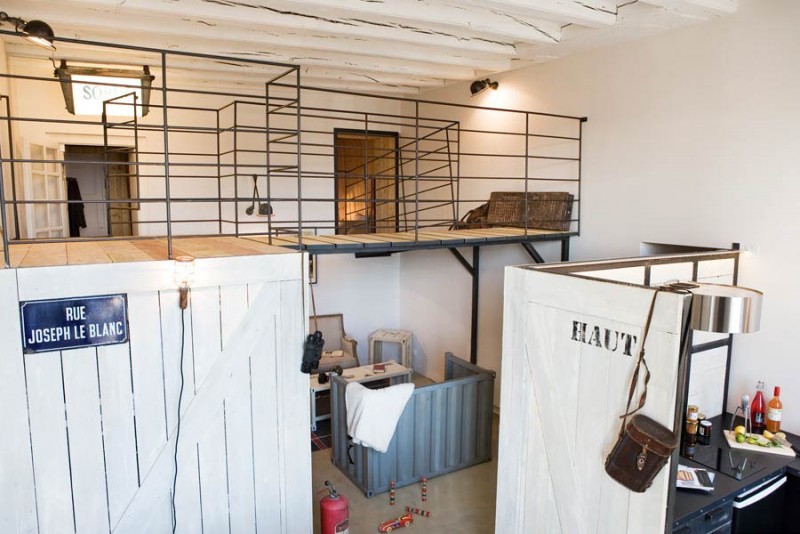
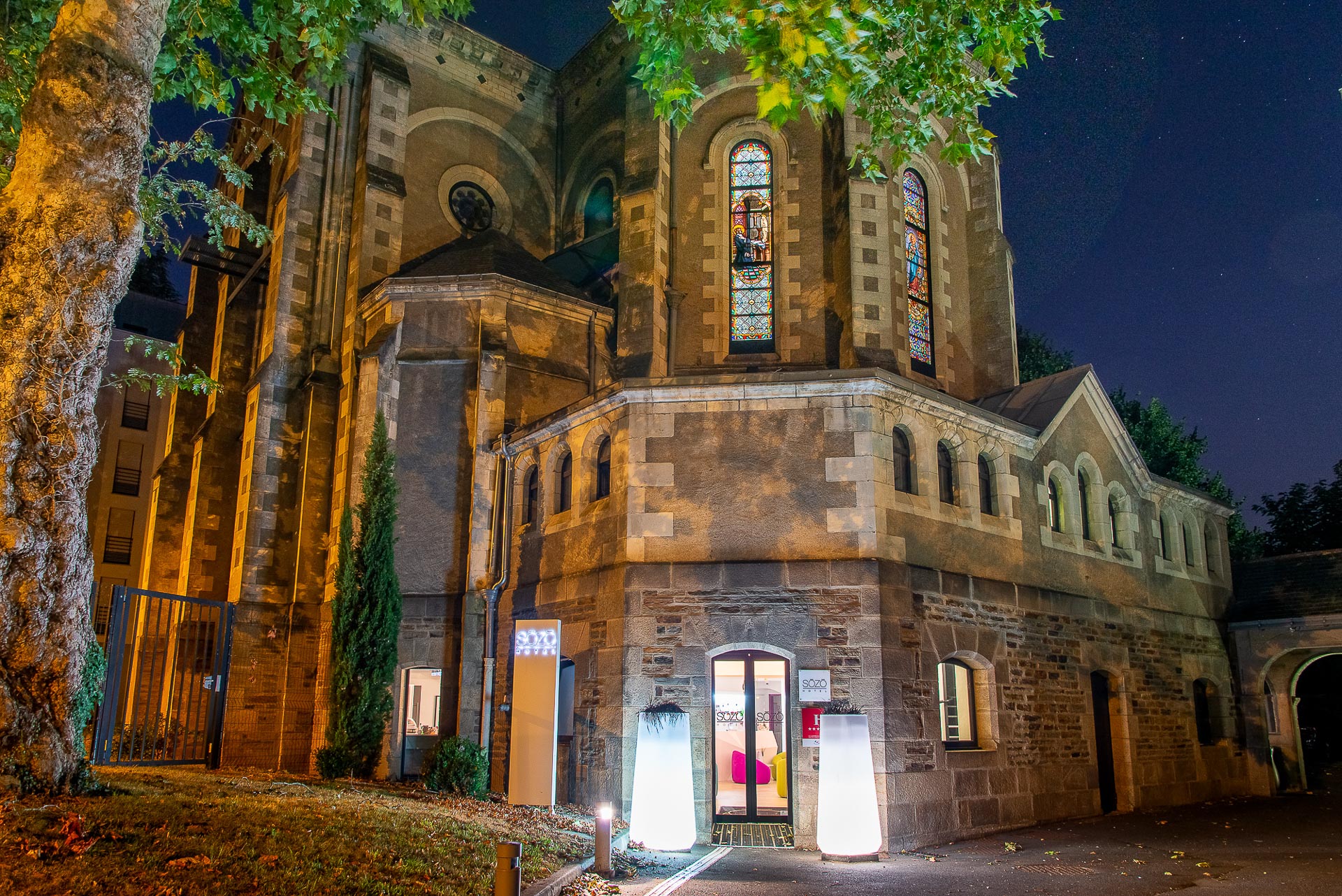
6 recommended properties