COUNTRY GUIDE
Lebanon
Mediterranean crossroads of ancient history and vibrant culture
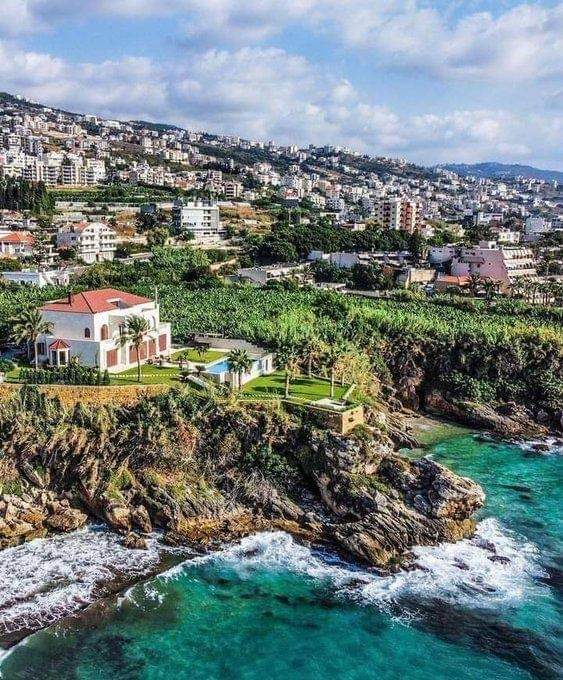
Lebanon packs more personality per square mile than almost anywhere else on Earth. You'll find Roman temples that predate Christ sharing space with rooftop bars serving craft cocktails. Phoenician ruins sit minutes from beaches where you can windsurf in the morning and ski in the afternoon. This tiny Mediterranean country has survived empires, wars, and economic upheaval, yet somehow maintains its reputation as the party capital of the Middle East. The food alone justifies the trip – forget everything you think you know about Middle Eastern cuisine until you've had real Lebanese meze in Beirut.


Explore the Region
Cities
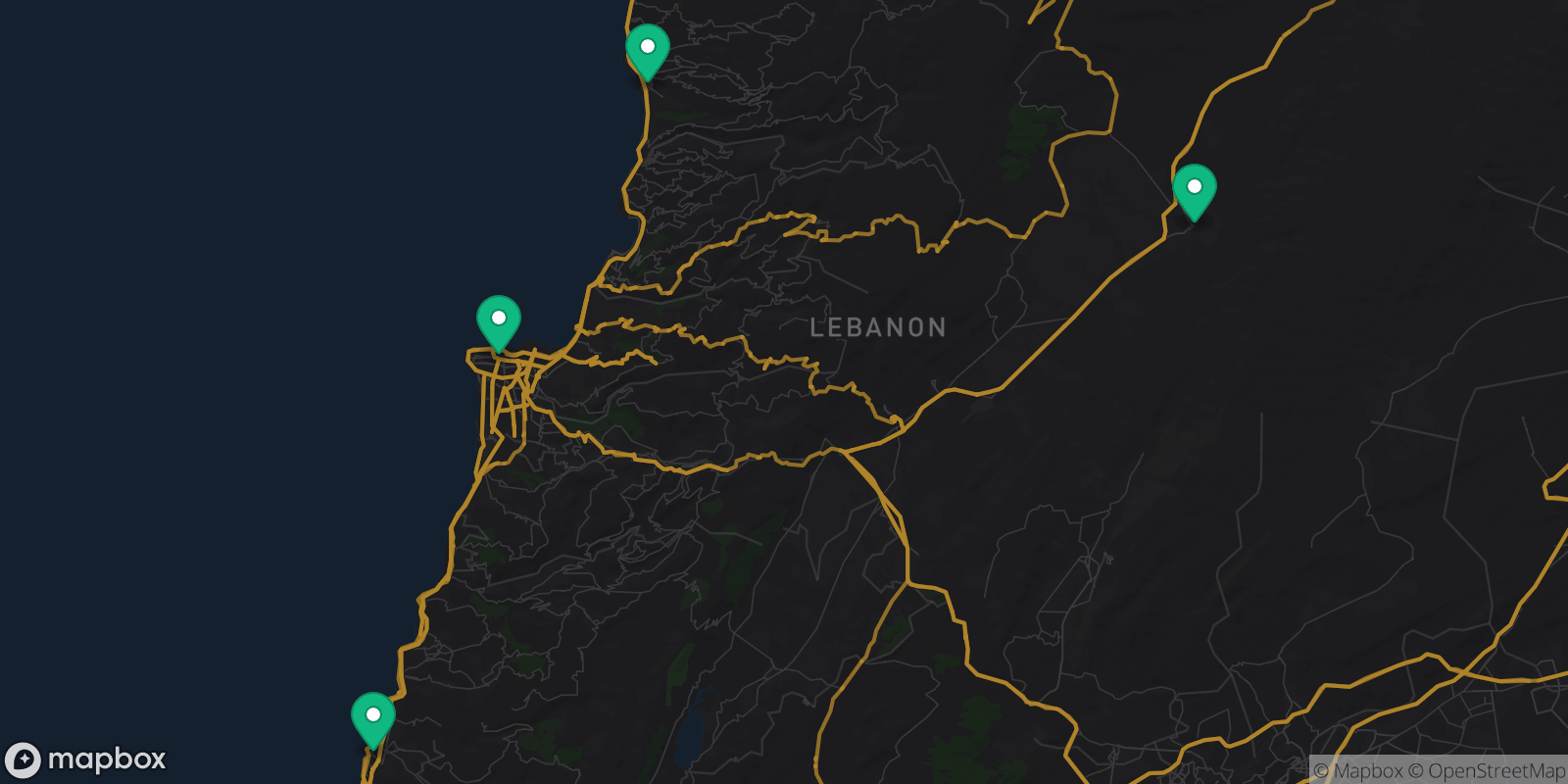
4 destinations
Lebanon Itineraries
Beirut's Hamra district puts you in the heart of the action. The American University of Beirut campus anchors this neighborhood, filling it with students, cafes, and late-night shawarma joints. Book a room at the Mayflower Hotel on Hamra Street – it's seen better days but the location can't be beat. Gemmayzeh offers more character with its narrow streets and converted Ottoman-era buildings. The neighborhood comes alive after dark when the bars and pubs open their doors. But here's the thing: parking is a nightmare and the streets flood when it rains. Mar Mikhael, just uphill from Gemmayzeh, gives you the same nightlife access with slightly quieter mornings. Look for boutique hotels in converted mansions here. Outside Beirut, Byblos offers seaside charm with its Crusader castle and fishing harbor. The Old Souk area has several small hotels within walking distance of both the archaeological site and the marina restaurants.
Money-Saving Tips
- 1.ATMs are everywhere in Beirut but often run out of cash during economic uncertainty – withdraw money when you find a working machine
- 2.Many restaurants and hotels quote prices in USD but accept Lebanese pounds at favorable exchange rates
- 3.Negotiate taxi fares before getting in – drivers often quote tourist prices that are 3-4 times the local rate
- 4.Street food costs under $5 per meal while upscale restaurants charge $30-50 per person – plan your splurges
- 5.Wine and arak are surprisingly affordable – a good bottle of Lebanese wine costs $15-20 in restaurants
- 6.Museum and archaeological site entrance fees are cheap (under $10) but private guides can be expensive
- 7.Tipping 10-15% is standard at restaurants, round up taxi fares, and tip hotel staff a few dollars
Travel Tips
- •Download offline maps – internet can be spotty outside Beirut and GPS doesn't always work in mountain areas
- •Learn basic Arabic greetings but don't worry – most Lebanese speak excellent English and French
- •Dress conservatively when visiting religious sites – cover shoulders and knees at mosques and churches
- •The Lebanese electrical system uses European-style plugs and 220V – bring adapters and voltage converters
- •Friday is the holy day for Muslims, Sunday for Christians – some businesses close but restaurants stay open
- •Keep your passport with you at all times – there are occasional military checkpoints, especially near borders
- •Lebanese hospitality is legendary but can be overwhelming – it's normal for strangers to invite you for coffee
- •The political situation can change quickly – register with your embassy and avoid large gatherings or protests
- •Smoking is allowed almost everywhere including restaurants – non-smokers should request outdoor seating when possible
Frequently Asked Questions
Lebanon is generally safe for tourists, especially in Beirut and major tourist areas. However, avoid areas near the Syrian border and Palestinian refugee camps. The political situation can change quickly, so check current conditions and register with your embassy. Petty crime is low but use common sense in crowded areas.