Rodrigues
Mauritius' untouched sister island of pristine lagoons
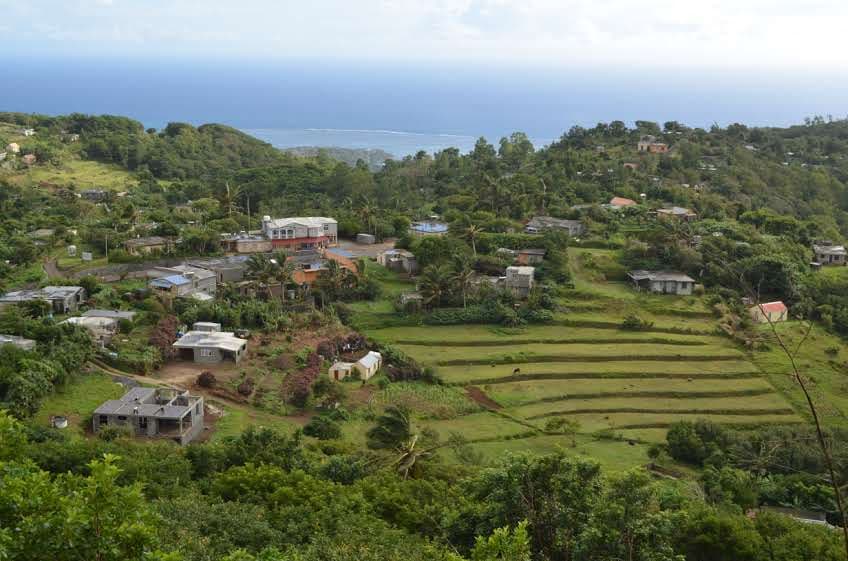
Forget everything you think you know about tropical islands. Rodrigues isn't trying to impress anyone — and that's exactly why it's perfect. This tiny speck in the Indian Ocean, 560 kilometers northeast of Mauritius, moves at its own pace. The lagoon stretches endlessly in shades of turquoise you didn't know existed. Local fishermen still use traditional pirogues. And the whole island has fewer people than a mid-sized shopping mall.
But here's what makes Rodrigues special: it hasn't been discovered yet. No mega-resorts. No cruise ship crowds. Just 18 pristine beaches, some of the world's best kitesurfing, and Creole culture that hasn't been packaged for tourists. The island runs on island time, where lunch might stretch to 3pm and nobody minds.
Best Months
APR – NOV
~26°C · moderate crowds
Culture & Context
PROUD RODRIGUAN IDENTITY
Rodrigues is technically an autonomous dependency of Mauritius, but don't call Rodriguans "Mauritian" to their face. Locals call themselves Rodriguans and the island "Rodrig" in Creole. That distinction matters and they're proud of it.
The population is around 43,650, mostly of African and Malagasy descent, and about 96% Roman Catholic. That's a big cultural difference from Hindu-majority Mauritius next door. Religion, family, and community are the actual pillars of daily life here.
Decisions happen collectively. The pace isn't slow because nothing's happening; it's slow because people have chosen that rhythm. The main language is Rodriguan Creole, a French-based creole with its own vocabulary and pronunciation that differs slightly from Mauritian Creole.
French gets you everywhere. English works in tourist areas and hotels, but fluency drops off quickly outside Port Mathurin. The economy runs on fishing, small-scale farming (onions, garlic, chilli), and a growing tourism sector.
Sega Tambour, the traditional music and dance of Rodrigues, now holds UNESCO Intangible Cultural Heritage status. You'll hear it at festivals and occasionally in restaurants. Craftsmanship is significant here too.
Women weave baskets and mats from pandanus and palm leaves, and those pieces show up at the Port Mathurin market every Saturday. Food culture revolves around sharing. The tradition of repas partage (shared meal) means communal tables and conversation.
No one eats alone if the host can help it.
Local Customs
CREOLE, FAITH & MARKET
Don't call locals Mauritian. They are Rodriguans, and that matters to them. The island only became politically autonomous in 2002 and the sense of distinct identity runs deep..
Saturday morning at the Port Mathurin market is the social event of the week. Locals from every corner of the island come down to shop, gossip, and eat. Get there early (before 9 AM) for the best of it..
Sundays are genuinely quiet. Many shops close, the pace drops even further, and life organizes around church. Plan your grocery runs and excursions for other days..
Buses stop running at 6:30 PM. If you're out after that, you need a taxi or your own wheels. There's no Uber, no rideshare app.
Know your ride home before you need it.. French will get you much further than English outside the tourist bubble. Even basic phrases go a long way and locals respond warmly when you try..
Meals at guesthouses (tables d'hôtes) are often communal affairs with whoever else is staying there. It's not weird, it's the point. Go with it..
Octopus hunting happens on the reef at low tide, often in the early morning. You'll see locals wading out. It's part of daily life, not a tourist show..
Water is genuinely scarce on the island. Rodrigues is drier than Mauritius and has a freshwater supply problem. Don't waste it.
Short showers are the norm.. Religion shapes the week. Catholic feast days get observed seriously.
Don't be surprised if a shop or restaurant closes unexpectedly for a saint's day.. LGBTQ+ travelers should be aware that attitudes are conservative, particularly outside Port Mathurin. Discretion is the practical approach.
Safety
EXTREMELY SAFE ISLAND
Rodrigues is genuinely one of the safer places you can travel. Crime is close to nonexistent. The island reportedly has three prison cells that are rarely used.
Basic street sense applies in crowded areas like the Port Mathurin market, but this isn't a place where you need to be on guard. Emergency number is 112. One practical warning that trips people up: if you lose your passport on Rodrigues, you're stuck.
There are no embassies or consular offices on the island. Honorary consuls cannot issue emergency travel documents. You'd need to get to Mauritius to sort it out, which you can't do without a passport.
Bring a second form of photo ID and keep it separate from your passport. Buses stop at 6:30 PM sharp. After that, you need a pre-arranged taxi or your own scooter.
Don't get stranded at Trou d'Argent at dusk with no ride sorted. Water scarcity is a real issue. The island is drier than Mauritius and the infrastructure can struggle.
Use water carefully. November to April is cyclone season, with January and February being the highest risk months. Check advisories before booking in that window.
LGBTQ+ travelers: the island is socially conservative and predominantly Catholic. Public displays of affection between same-sex couples may draw negative attention, especially outside Port Mathurin. Discretion is the practical approach.
Getting Around
SCOOTER & SMALL ROADS
No direct international flights land in Rodrigues. The route in is: fly to Mauritius (MRU), then connect on Air Mauritius to Sir Gaëtan Duval Airport (RRG) in Rodrigues. That second hop is 90 minutes.
Air Mauritius runs daily. Air Austral operates weekly flights from Réunion if that's your starting point. The ferry from Mauritius is an option but takes 36 to 48 hours depending on sea conditions.
Most people fly. On the ground, a scooter is the best way to get around. Roads are in reasonable shape, traffic is genuinely light, and the whole island is only 18km by 8km.
Rental costs around €32 for 2-3 days; some hotels arrange this directly. Gas stations are only in Port Mathurin and at La Fourche. Fill up whenever you pass one.
Public buses reach even remote corners of the island and are cheap, but they stop at 6:30 PM without exception. After that, you need a taxi or your own vehicle. Taxis are available at the airport and parked near hotels; negotiate the rate before you get in for longer trips.
Car rental is available at the airport. Plaine Corail Airport (RRG) is about 6 miles from the downtown area; most accommodations offer airport transfers or can arrange one.
Useful Phrases
Itineraries coming soon
We're working on adding amazing itineraries for Rodrigues. In the meantime, try the app to create your own!
Money-Saving Tips
- 1.Bring euros or US dollars to exchange - ATMs are unreliable and often empty
- 2.Saturday market prices are negotiable, especially for handicrafts and souvenirs
- 3.Local guesthouses cost half the price of hotels and include better home-cooked meals
- 4.Rent snorkeling gear in Port Mathurin for 150 rupees/day instead of hotel rates
- 5.Buy groceries at Winner's supermarket - restaurant meals add up quickly on a small island
- 6.Book boat trips directly with fishermen at the port, not through tour operators
Travel Tips
- •Download offline maps - GPS and cell service are spotty outside Port Mathurin
- •Pack reef-safe sunscreen - the sun reflects off white sand and clear water intensely
- •Learn basic French or Creole phrases - English isn't widely spoken outside hotels
- •Bring a waterproof phone case for lagoon activities and boat trips
- •Stock up on supplies in Port Mathurin - other areas have limited shops
- •Respect local customs - cover up when visiting villages and churches