Marbella
Culture & Context
HEADLINE: GLAMOUR MEETS ANDALUSIA
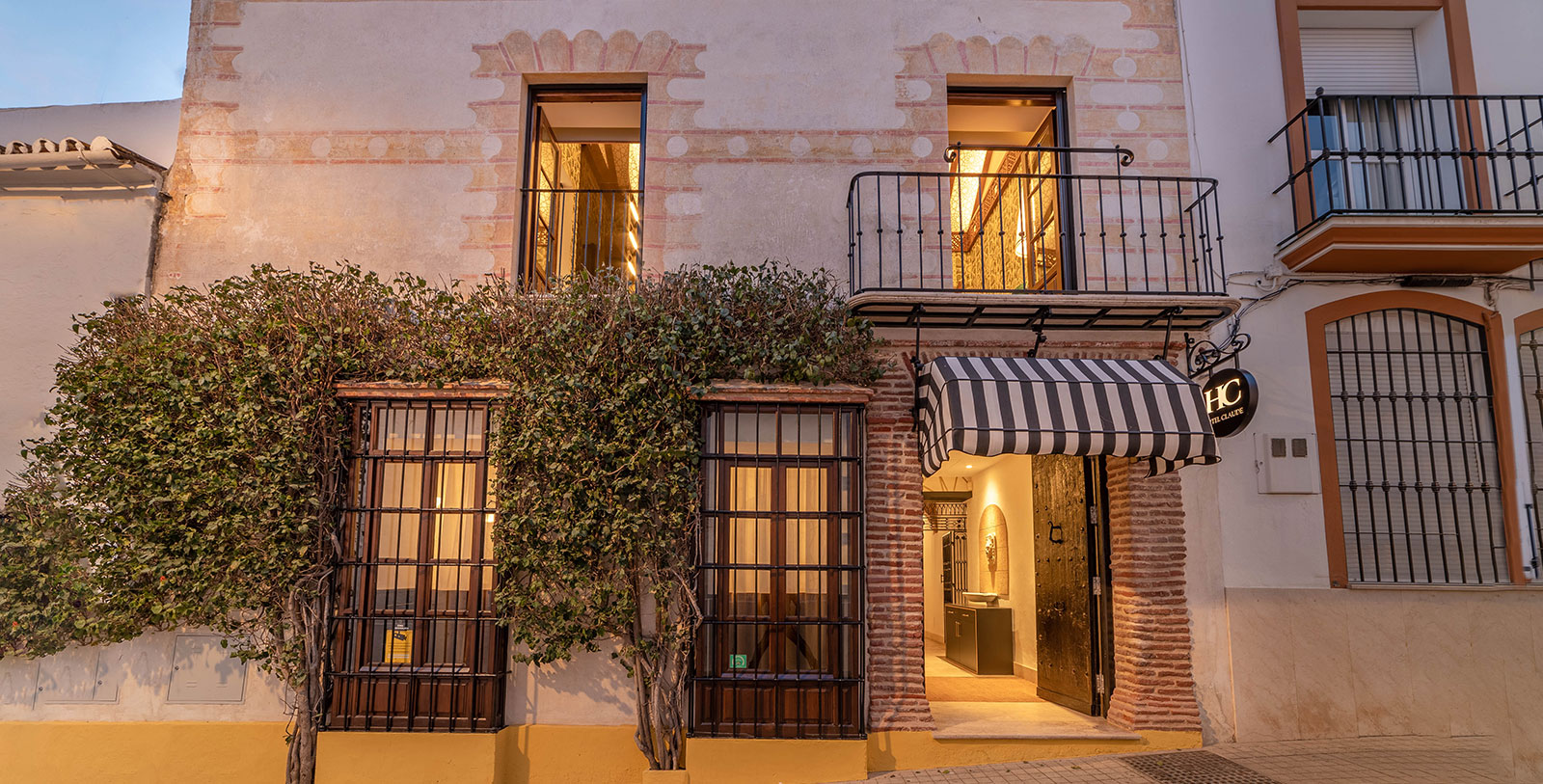
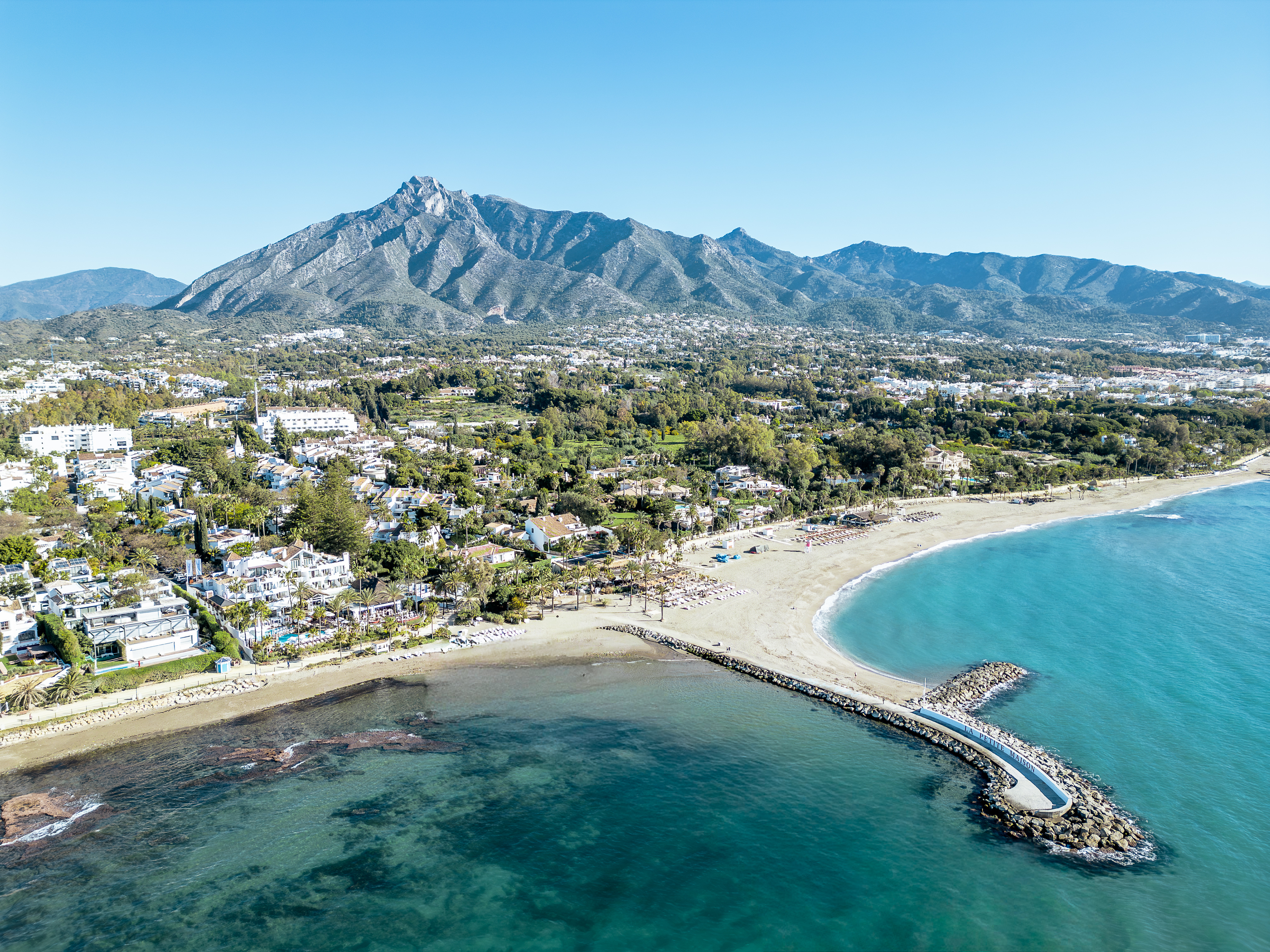
Marbella sits on the Costa del Sol in southern Andalusia, and it's been doing this strange double act for decades: one foot in the whitewashed, flower-pot-filled old town of a traditional Spanish pueblo, the other planted firmly beside a superyacht in one of Europe's most famous marinas. The city drew international jet-setters in the 1950s and never really looked back. Today, around 3 million visitors arrive each year, the largest single group being British tourists (over 1.18 million in 2024 alone). But underneath the gloss, it's still deeply Andalusian. Semana Santa processions wind through the cobblestones. The Feria de San Bernabé in June fills the streets with flamenco, horses, and casetas. People eat lunch at 3pm and dinner after 9pm. Tipping is appreciated but not expected. La Concha mountain watches over the whole city like a backdrop that somehow never looks real. The two worlds coexist without much friction, which is what makes Marbella genuinely interesting rather than just expensive.
Local Customs
Lunch is the main meal of the day, served between 2pm and 4pm.
Dinner rarely starts before 9pm and kitchens often don't open until 8:30pm. Don't expect a busy restaurant at 7pm — it won't happen..
Greet people with two cheek kisses (right cheek first) between women and between men and women. Men typically shake hands with other men. Skip it with service staff, but always say 'Hola' or 'Buenos días' when you enter a small shop or bar..
Tipping is not mandatory. A 5-10% tip in a restaurant for good service is generous and appreciated. Rounding up the bill or leaving small coins at a bar is the norm.
US-style 20% tipping will confuse people.. Don't eat at Plaza de los Naranjos (Orange Square) itself — it's a tourist trap with inflated prices. Walk two streets back and the same meal costs half the price..
Beachwear stays on the beach. Wearing swimsuits or flip-flops in the Old Town or upscale areas is considered disrespectful and noticeably marks you as a tourist.. Starlite Festival dress code is smart-casual at minimum.
It's as much a fashion event as a music one — people genuinely dress up.. Smoking is heavily fined in unauthorized public spaces. Pay attention to no-smoking signs..
The siesta still runs in many smaller shops: expect closures between roughly 2pm and 5pm on weekdays. Supermarkets and tourist-facing businesses usually stay open.
Safety
HEADLINE: GENERALLY VERY SAFE
Marbella is one of the safest cities in Spain, with consistently low crime rates relative to its size and international footfall. Violent crime is rare. What you do encounter is the standard Mediterranean coastal playbook: opportunistic petty theft, occasional pickpocketing in crowded tourist hotspots, and the odd bag left unattended on the beach that doesn't stay unattended. Police presence is visible and proactive, especially in the Old Town, along the Paseo Marítimo, and around Puerto Banús during summer. The city has increased lighting along the beach promenade and employs lifeguards along the coast during summer months. Practical ground rules: don't leave valuables on the beach or in a parked car, don't carry large amounts of cash, and stick to well-lit streets at night. Note that Saturday taxi fares are charged at the same rate as public holidays, and fares increase after 22:00 on weekdays and 21:00 on weekends. Emergency number is 112, with multilingual operators.
Getting Around
HEADLINE: RENT A CAR
Marbella has no train station and no direct rail link. The nearest airport is Málaga-Costa del Sol (AGP), about 60km east. The cheapest way in is the Avanza direct bus from Málaga Airport Terminal 3, around €8 one way, running every 30-60 minutes and taking roughly 45 minutes. Taxis and ride-shares (Uber, Bolt) are available from the airport, with pre-booked private transfers running €45-60. Once in Marbella, the Old Town and seafront promenade are easily walkable. For everything else, a car is the honest answer. Local urban bus Route L1 connects La Cañada shopping centre to Puerto Banús via the Old Town, the Golden Mile, and Nueva Andalucía, at €1.18 per single journey. A catamaran ferry also runs between Marbella port and Puerto Banús (€8.50 return for adults, around 30 minutes). Taxis cannot be hailed on the street — go to a designated rank or call ahead. The main rank in Marbella Centre is at Parque de la Alameda. Typical fare from Marbella to Puerto Banús is around €12. Bolt tends to be cheaper than Uber during peak hours.
Useful Phrases
Where to Stay in Marbella
9 recommended properties