Lech Am Arlberg
Culture & Context
ALPINE ROYALTY & SKI PIONEERS
Lech am Arlberg sits at 1,444 metres in Austria's Vorarlberg state and operates on a completely different frequency from most ski resorts. This is where the Dutch royal family has skied for decades, where Princess Diana famously vacationed, and where the international jet set comes to be quietly excellent rather than loudly flashy. But the blue-blood reputation is only part of the story.
The village was founded in the 13th century by Walser migrants from Switzerland, a heritage you can still trace in the old stone farmhouses and the Museum Huber-Hus (originally built in 1590). Until the Flexen Pass road opened around 1900, Lech was an isolated cattle-farming community. The construction of Austria's first surface ski lift here in the 1920s launched one of the most remarkable transformations in European tourism. Hannes Schneider, son of a local cheesemaker, pioneered the "Arlberg technique" — essentially inventing modern alpine skiing — and the rest is lift-queue history.
Today, Lech is one of 12 resorts in the elite "Best of the Alps" group and caps its bed count at 10,000 to protect quality and nature. That self-imposed limit is telling. This place doesn't want to be Courchevel on steroids. Oberlech, the car-free hamlet perched above at 1,750m, has been a protected traffic-free zone since 1997. And while luxury is baked in — 2 Michelin-starred restaurants and 30+ Gault Millau-listed establishments call the Arlberg home — family-run guesthouses still exist alongside the five-star palaces. It's more lived-in than it sounds.
**cultural_context_headline: ROYAL SLOPES, WALSER ROOTS**
Local Customs
Après-ski is real but restrained.
Unlike the raucous party atmosphere at nearby St. Anton, Lech's après scene is civilized — terrace drinks at 4pm shade into hotel bar dinners.
Don't expect thumping nightclubs until late, and even then they're discreet.. Dress for dinner at 4-star and 5-star hotels. T-shirts, joggers, and bare feet are explicitly unwelcome in fine hotel restaurants.
A collared shirt for men, smart casual for women. This is not pretentiousness — it's in writing on hotel websites.. Book accommodation many months ahead.
Many properties aren't even bookable online and require a direct call or email. Lech has a hard cap of 10,000 beds and they fill up fast for peak dates (Christmas, New Year's, February half-term).. Some mountain restaurants and smaller establishments still prefer cash — Tobias G's Google review about 'very surprised' looks when paying by card is genuine local wisdom.
Carry euros.. Tipping follows Austrian custom: round up or add 5-10%. You don't need to leave 15-20% like in the US.
Simply rounding a €48 bill to €52 is fine and appreciated.. Oberlech is traffic-free. If you're staying there, your luggage gets transported by snowcat or cable car.
Embrace it.. Mountain safety etiquette is taken seriously. Ski routes (as opposed to marked pistes) are not avalanche-controlled.
Always check conditions before going off-piste and hire a guide if uncertain.. Locals still greet each other and strangers with 'Grüß Gott' rather than 'Hallo' — a warm Catholic-rooted holdover that feels genuinely friendly rather than formal.
Safety
VERY SAFE, RESPECT THE MOUNTAIN
Lech itself has virtually no urban crime to speak of. It's a small, wealthy, well-policed mountain village. Normal precautions apply — don't leave ski gear unattended outside restaurants, and keep valuables secure — but street crime is essentially a non-issue.
The real risks here are environmental. Avalanche awareness is non-negotiable in winter, especially if you venture off-piste. Always ski with a guide on unpatrolled routes (marked ski routes are not avalanche-controlled), carry avalanche safety equipment, and check conditions at skiarlberg.at before heading out. Road access via the Flexen Pass can become dangerous or close entirely in heavy snow — have a backup plan if you're driving in from the east.
In summer, free-roaming cattle on mountain pastures are a genuine hazard. Keep distance from cows, especially those with calves. Mountain weather changes fast at altitude; a blue-sky morning can become a thunderstorm by 2pm. Trail markers in Vorarlberg follow the Swiss waymarking system, which differs from the rest of Austria — note that before heading out.
Emergency number: 112 (EU standard). Mountain rescue: 140 (Austria).
**safety_headline: VERY SAFE, RESPECT THE MOUNTAIN**
Getting Around
BUSES FREE, TRAINS NEARBY
Getting to Lech requires planning. There is no direct train link and no nearby airport. Your main gateway options are Innsbruck Airport (INN, about 55 miles away), Zurich Airport (ZRH, 3 hours by transfer), or Munich (MUC, slightly further). Arlberg Express runs direct transfers from Zurich Airport to Lech for around €50. Train to Langen am Arlberg station (the closest, about 9.3 miles away) costs around €26 from Innsbruck and takes 1.5 to 3 hours depending on conditions; from there, take a bus or taxi into the village.
Once you're in Lech, forget about driving. Free ski buses shuttle constantly between Lech, Zürs, Oberlech, and Zug. The Ortsbus Lech local bus system is also free with a Lech Card (available at the tourist office or your hotel). In summer, hiking buses connect to trailheads throughout the region.
Taxis exist but are expensive — fares start at €4 and a trip between lodges and the village center can run €50. Rental cars are hard to find around Arlberg; if you need one, pick it up in Innsbruck before coming. Winter road access from the north via Warth is closed seasonally. The Flexen Pass route from the east is your winter option, but can be treacherous.
The single Ski Arlberg pass gives access to all 85 lifts and cable cars across the entire connected area: Lech, Zürs, Oberlech, St. Anton, St. Christoph, Stuben, and Warth-Schröcken.
**transport_headline: FREE SKI BUS**
Useful Phrases
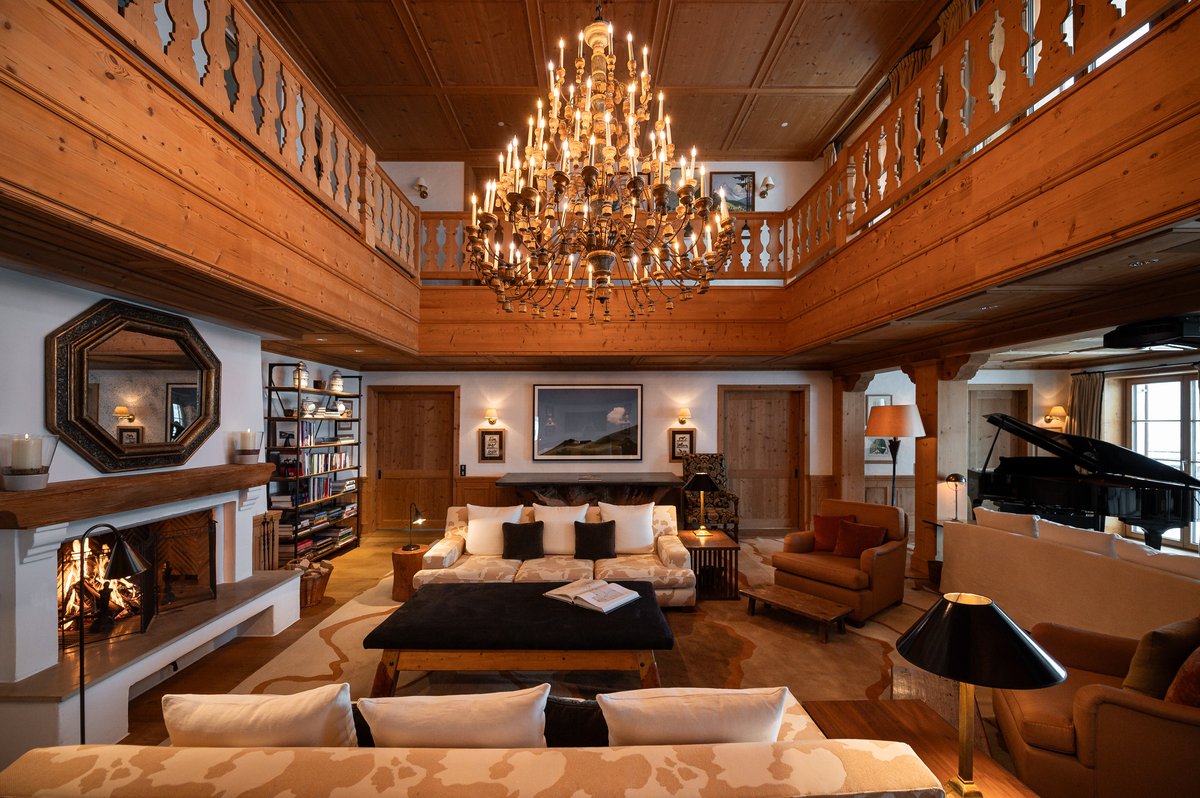
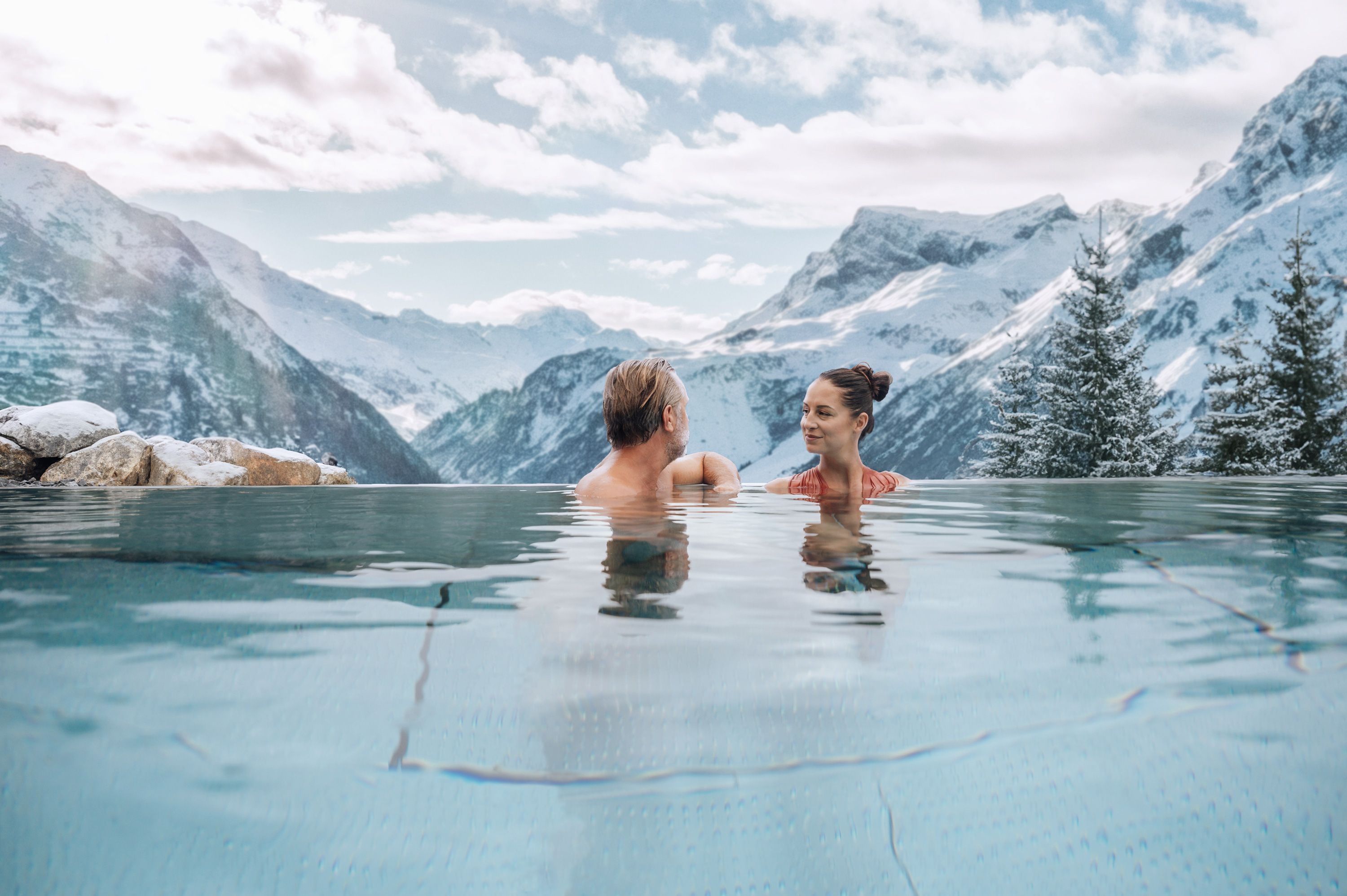
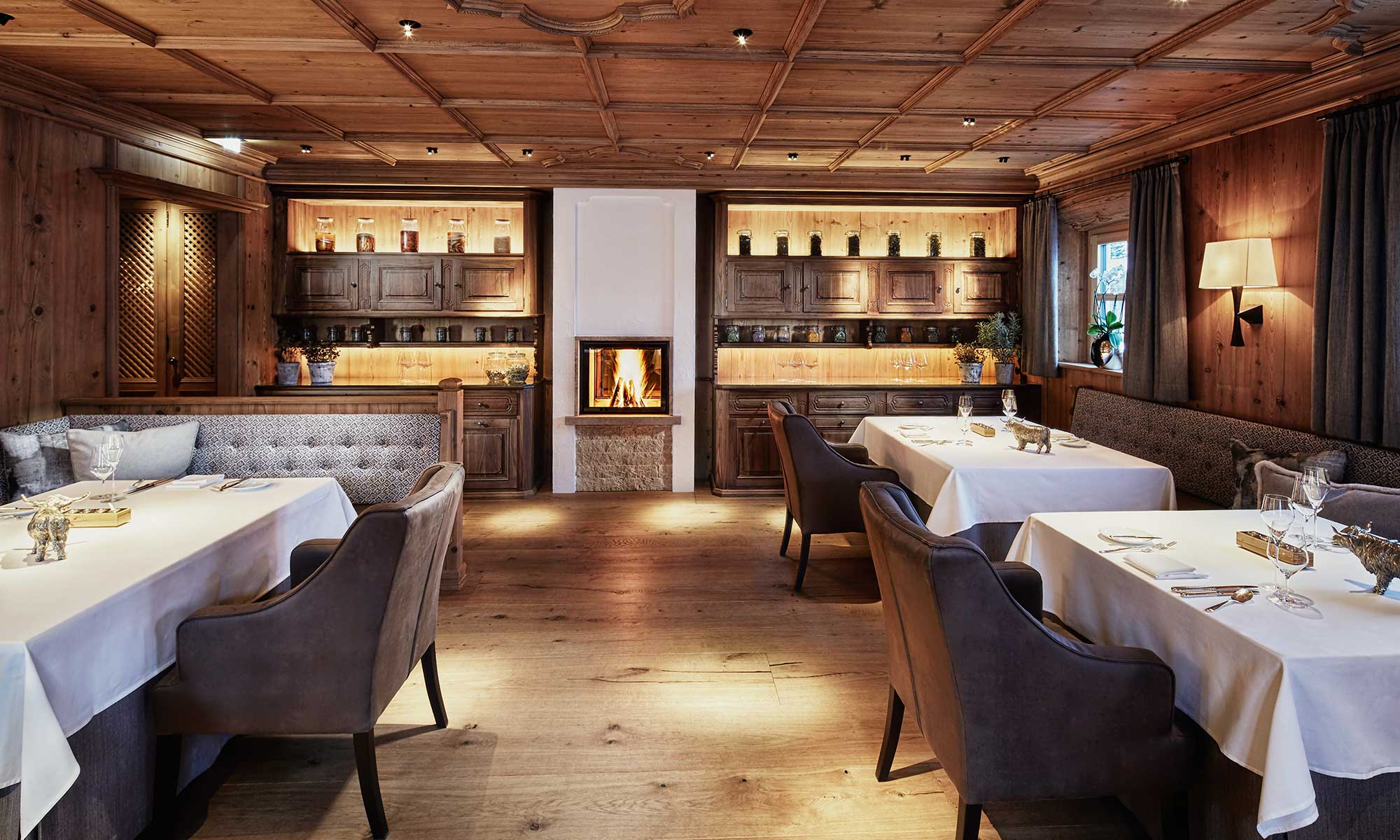
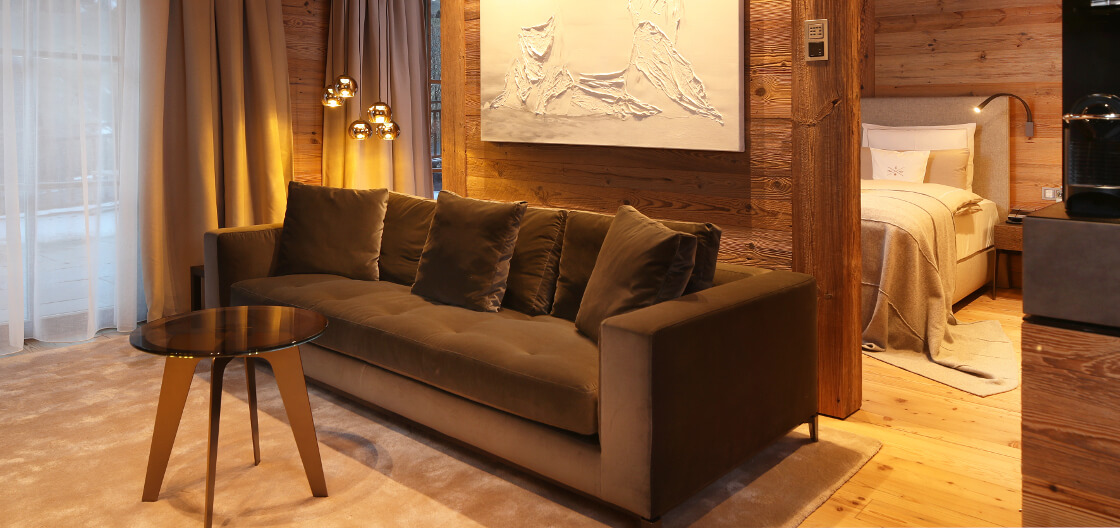
Where to Stay in Lech Am Arlberg
8 recommended properties
Explore Lech Am Arlberg
BUILD YOUR
LECH AM ARLBERG PLAN
Insider picks, smart timing, and a plan ready when you are.
Start Planning