Lausanne
Culture & Context
OLYMPIC SOUL, FRENCH EASE
OLYMPIC CAPITAL & FRENCH SWISS SOUL
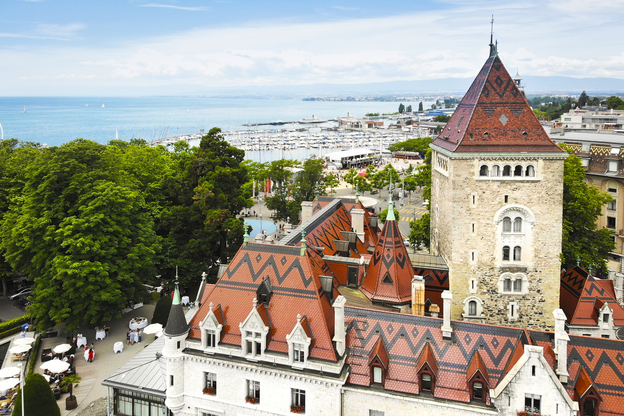
Lausanne sits on a steep hillside above Lake Geneva, and the hills aren't just geography — they shape the whole personality of the city. You walk up to the medieval Old Town, you take the metro down to the waterfront, and somewhere in between you pass Olympic flags, EPFL students on bikes, and Vaudois locals drinking wine at noon on a Tuesday. This is French-speaking Switzerland, part of what locals call Romandie, and it runs on a noticeably more relaxed clock than Zurich or Bern. The IOC (International Olympic Committee) has its headquarters here, which gives the city an oddly cosmopolitan, sporty undertone that doesn't quite fit the sleepy lakeside image. EPFL (one of Europe's top technical universities) and the University of Lausanne pump around 30,000 students into the city, keeping prices slightly lower in certain neighborhoods and the energy younger than you'd expect. The language is French — proper Swiss French, not Parisian, with its own quirks and warmth. Mealtimes even have different names. Locals say "déjeuner" for lunch and "souper" for dinner — the French equivalents shifted one meal up compared to Paris. And the wine is serious. Lausanne's canton of Vaud produces some of Switzerland's best whites, particularly from the UNESCO-listed Lavaux vineyard terraces just east of the city.
Local Customs
BONJOUR IS MANDATORY
Always say 'Bonjour' when entering any shop, café, or small space — it's a firm social contract in French Switzerland, not optional politeness. Follow it with 'Merci, au revoir' when you leave, even if you bought nothing.. Punctuality matters.
If you're meeting someone, being 5 minutes late is noticed. The phrase 'quart d'heure vaudois' (the Vaud quarter-hour) is a local joke about a culturally accepted slight delay — but don't push it past that.. Tipping is not mandatory — service charges are included by law.
But rounding up the bill to the nearest franc or leaving 5-10% for genuinely good service is appreciated and common.. Currency is Swiss Francs (CHF), not euros. Some tourist-heavy spots accept euros but you'll get a poor exchange rate.
ATMs are everywhere and card payments are widely accepted — just have some cash for markets and small spots.. Three cheek kisses (starting on the right) is the standard greeting between friends and acquaintances in French-speaking Switzerland. At a first meeting, a handshake.
Don't overthink it — follow the local's lead.. Respect quiet hours. In apartment buildings and residential areas, loud noise after 10pm is genuinely frowned upon.
Swiss recycling rules are strict — don't dump glass bottles in outdoor bins after quiet hours.. Alcohol can be bought in supermarkets like Coop or Migros cheaply — use this to your advantage before going out. Restaurant and bar drinks are expensive (CHF 6-9 for a beer, CHF 12-17 for a cocktail).
Safety
VERY SAFE, WATCH POCKETS
SAFE BUT STAY SHARP
Lausanne has a safety index of around 72-73, which makes it one of the safer European cities by any reasonable measure. The bigger threat is your wallet, not your physical safety. Petty theft — pickpocketing on the metro, bag snatching in crowded areas — is the most realistic risk for tourists. Keep zipped bags, don't leave your phone face-up on café tables, and be extra alert around Lausanne Gare (the main train station) after dark. There was a notable youth violence incident in August 2025, and local crime statistics do show Lausanne tops Swiss cities of its size for certain "violent crime" categories — but criminology experts note that Switzerland's definition of "violence" in these stats captures a wide range of minor offenses. For a typical tourist, none of this changes the day-to-day experience. The lakeside, Old Town, and Flon district all feel relaxed and safe. Some peripheral areas like Sébeillon/Malley and parts of Sévelin are grittier — fine to walk through but not the neighborhoods to linger in after midnight. Carry a copy of your passport ID page (Swiss law technically requires ID at all times). Taxis are legitimate but can be expensive — use official stands or apps and agree on the fare.
Getting Around
M2 METRO + FREE CARD
METRO + FREE HOTEL CARD
The single best transport tip for Lausanne: ask your hotel for the Lausanne Transport Card the moment you check in. Hotels, B&Bs, and even many apartments hand it out free and it gives you unlimited metro, bus, and trolleybus travel for your entire stay (up to 15 days). That covers almost every tourist destination in the city. The metro has two lines. The M2 is the one tourists actually use — it runs from Ouchy-Olympique at the lake all the way up to Croisettes, hitting Flon (the central hub), Riponne (for museums), and Bessières (for the Cathedral). It's fully automated and driverless, handles Lausanne's steep inclines without complaint, and runs every 3-7 minutes. The M1 is more of a light rail connecting the university campuses to the west. Buses cover everywhere the metro doesn't, but they're less reliable on timing (the roads are narrow and hilly). Night buses (Noctambus) run on weekends if you're out late. Single tickets without the hotel card cost around CHF 2-4 depending on zones. Walking is rewarding but genuinely tiring — Lausanne is built on multiple hills and the elevation changes between Ouchy (lake level) and the Old Town are significant. Comfortable shoes are not a suggestion. Geneva Airport (GVA) is roughly 50km away and easily reached by train from Lausanne Gare in about 45 minutes.
Useful Phrases
Where to Stay in Lausanne
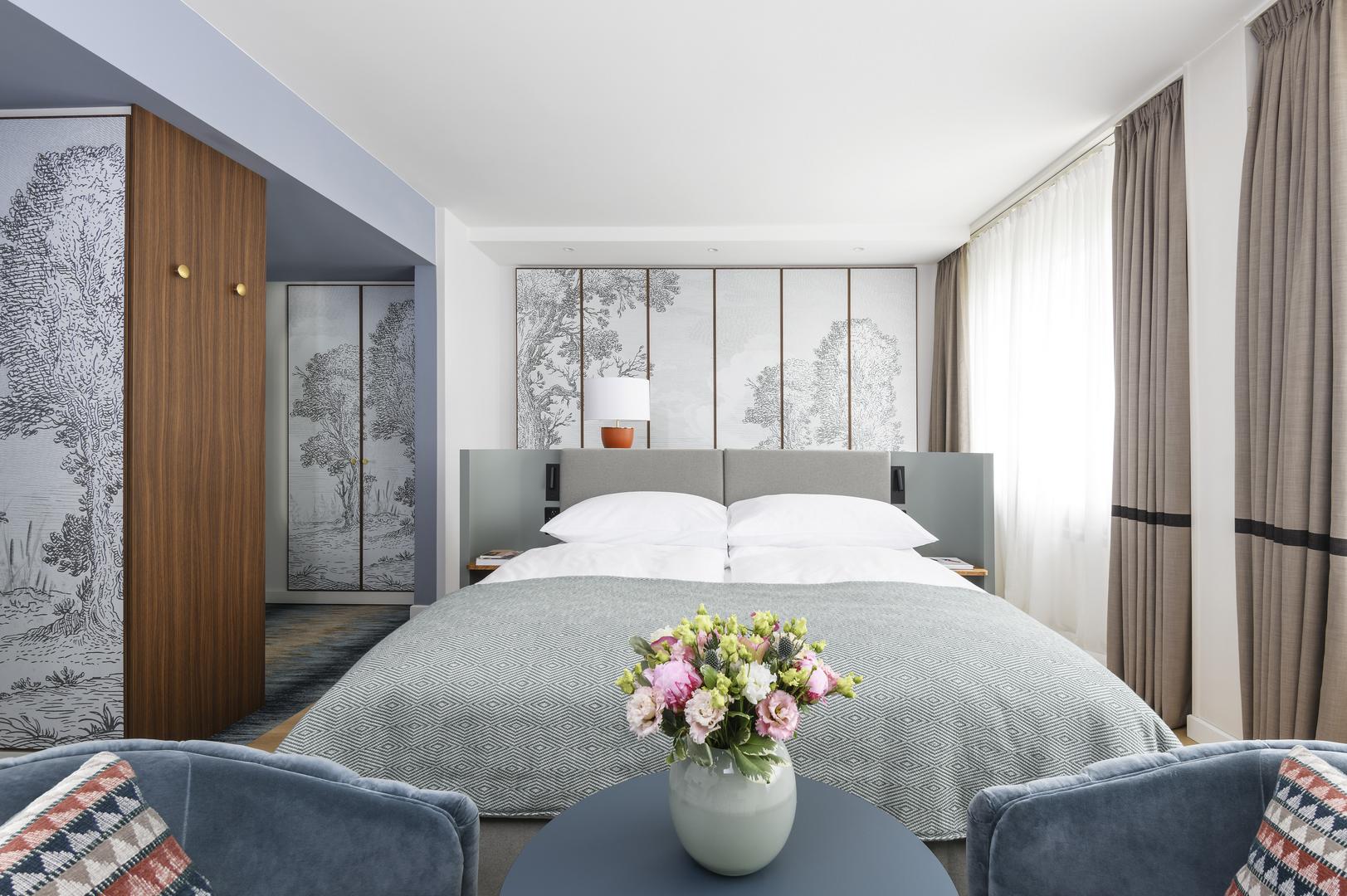
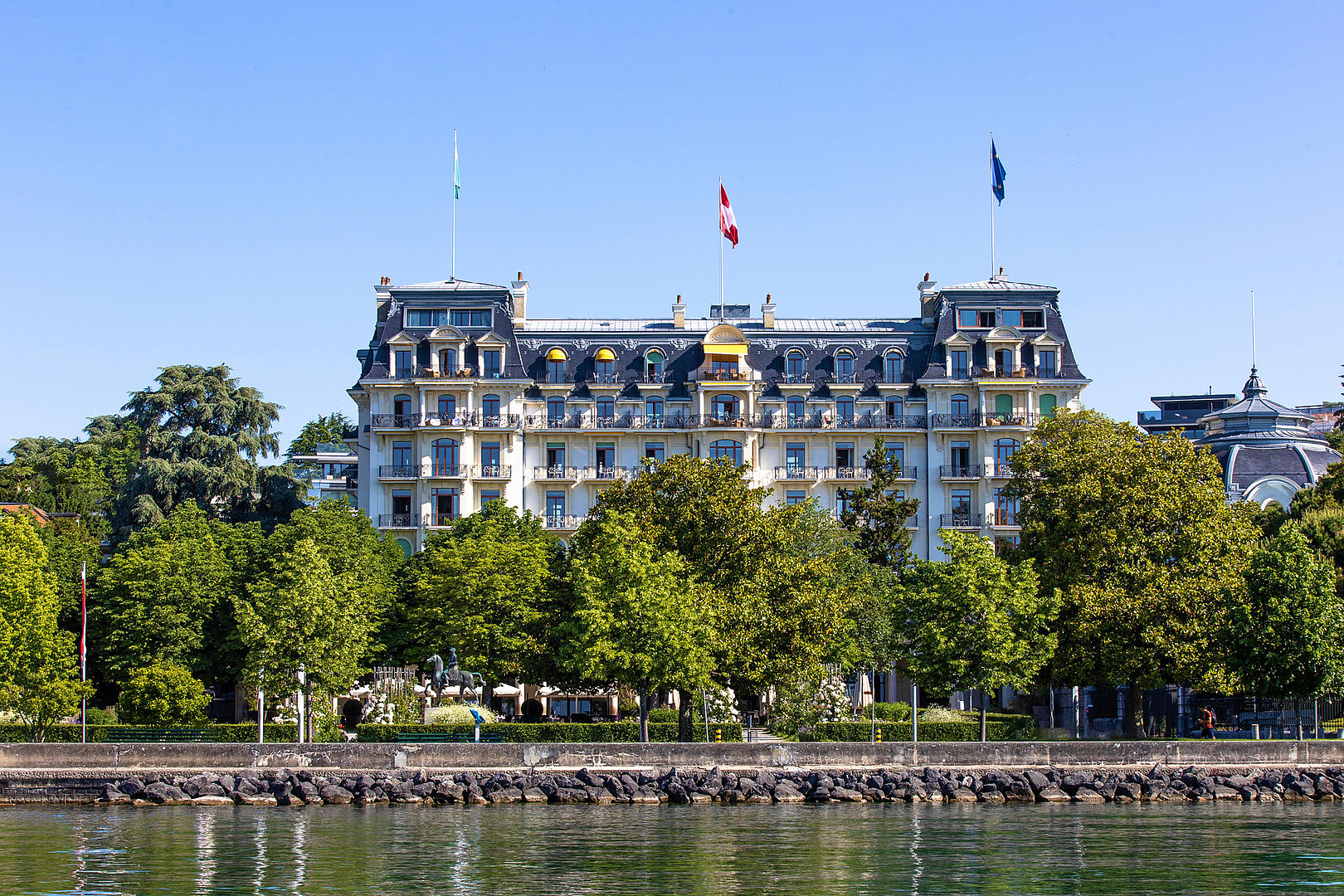
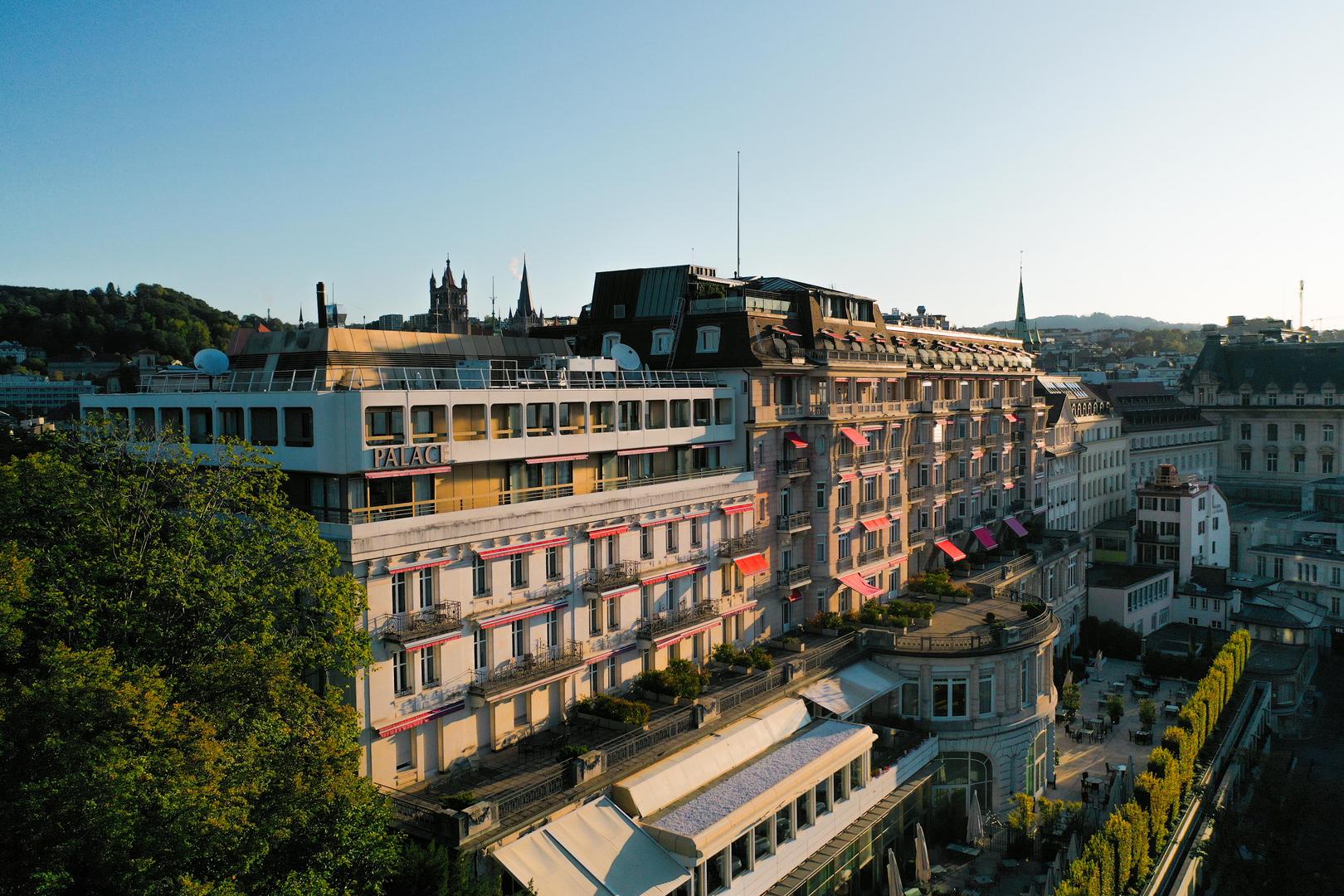
5 recommended properties