Kuwait City
Modern Gulf metropolis of towers and traditions
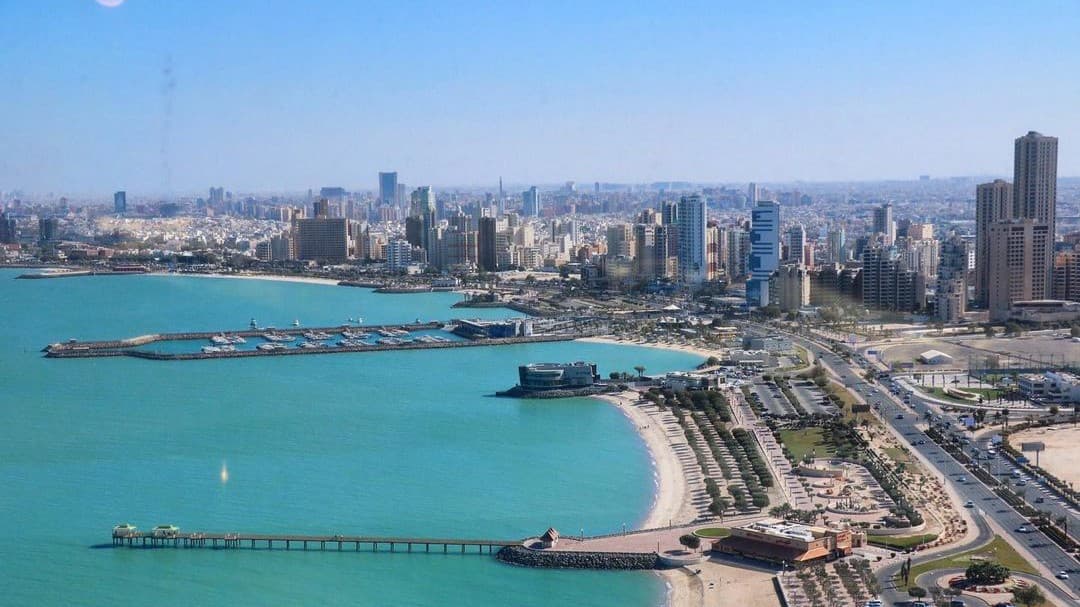
Kuwait City rises from the desert like a fever dream of glass and steel. Here's where Bedouin heritage meets billion-dollar shopping malls, where you'll find some of the Gulf's best museums alongside world-class restaurants. The skyline changes every year as new towers climb toward the clouds, but the souks still smell of cardamom and frankincense. It's expensive, yes. But it's also surprisingly welcoming once you crack the surface.
Local Knowledge
Culture & Context
Kuwait didn't exist as we know it 300 years ago. It was a cluster of tents, then a fishing and pearl diving village, then a trading hub. Oil showed up in the 1930s and rewrote everything. The mud walls came down and skyscrapers went up. But the hospitality culture, the Bedouin traditions, the importance of family and the majlis (a formal gathering space for conversation) — all of that remained. Today about 70% of Kuwait's 3 million residents are expats, which creates a genuinely layered society. Kuwaiti nationals live by Islamic laws and traditions. Expats fill out the service, tech, and labor sectors. The Avenues Mall, with over 1,100 stores and parking for 13,000 cars, is not a tourist attraction — it's where Kuwaitis actually spend their evenings. Shopping and eating out are cultural activities, not just transactions. Summer is brutal. Average highs exceed 45°C from June through August, which is why nearly all outdoor life concentrates between October and April. Kuwaiti Arabic has its own distinct character — shaped by Bedouin roots, Persian and Indian trade connections, and yes, some British English influence from the colonial era. It sounds different from Egyptian or Levantine Arabic. And one genuinely unusual fact: Kuwait pioneered robot camel racing, using remote-controlled jockey robots to replace child jockeys in the sport. It's not a tourist gimmick; it's an actual thing that happened here first.
Safety
CRITICAL WARNING — READ BEFORE BOOKING: As of May 2026, Kuwait is in an active regional conflict zone. Following the onset of US-Iran hostilities on February 28, 2026, Kuwait has been subject to drone and missile attacks targeting infrastructure, including fuel depots at Kuwait International Airport. The airport has been operating at roughly 10% of normal capacity since late February, with Terminals 4 and 5 handling a handful of flights daily. The US Embassy suspended operations on March 5, 2026 and cannot provide emergency consular services. The US State Department has issued a Level 3 "Reconsider Travel" advisory. Australia has issued a full "Do Not Travel" advisory. Multiple governments ordered the evacuation of non-essential diplomatic staff in March 2026. If you are already in Kuwait and want to leave, land border crossings into Saudi Arabia (at Nuwaiseeb and Salmi) remain open. Monitor all government advisories continuously. Beyond the regional situation: Jleeb Al-Shuyoukh, the neighborhood near the airport, is a documented high-crime area. Desert areas north of the Mutla'a Ridge still contain unexploded landmines and ordnance from the 1990 Gulf War. Never leave marked paths or touch unknown objects there. Alcohol is completely illegal in Kuwait. So are drugs. So is photographing military installations, oil infrastructure, government buildings, or people without their consent. Insulting the Amir on social media is a criminal offense, not a metaphor.
Getting Around
Kuwait is built for cars. This is not an exaggeration. There is roughly one car for every two people, no metro exists yet (it's been "planned" for years), and the summer heat makes standing at a bus stop genuinely dangerous. That said, here's how to work with what's there. Ride-hailing is your best friend: Careem is the most popular, with tracked rides and licensed drivers. Uber operates in Kuwait as "Uber Taxi." Both work reliably in the city. Budget about $5 per 7 km for a typical crosstown trip. For independent types, car rentals start from around $20 per day through services like Discover Cars. Useful for day trips outside the capital. Public buses (KPTC and CityBus) do cover major routes between Kuwait City, Salmiya, Hawalli, and Fahaheel. Fares are cheap at 0.25–0.35 KWD per ride. But stops are basic, often without maps or schedules posted. Download the CityBus app before you arrive. On buses, the front rows are culturally reserved for women and families. Men move to the back. During Ramadan, eating or drinking on public transport in daylight hours is illegal. If you're taking a street taxi, negotiate the fare before you get in. Meters exist but are rarely used. One practical warning: book ride-hailing at least 30 minutes before big events end, because surge pricing kicks in the moment fireworks stop. Kuwait International Airport sits 16 km south of the city center. Given the current limited operations (as of mid-2026), confirm your specific terminal and flight status before heading out.
Useful Phrases
Peace be upon you — the standard greeting. You'll hear it constantly, from shopkeepers to taxi drivers. The correct response is 'Wa alaykum as-salam' (and peace be upon you too). Learning this one phrase will open more doors than any tourist guidebook.
Thank you. Works everywhere, everyone appreciates it from a visitor.
Let's go / Come on / Hurry up. The verbal equivalent of a nudge. Can be encouraging or impatient depending on tone. You'll hear it 40 times a day.
I swear to God / Wow / Really? — one of the most expressive words in daily Kuwaiti speech. It can convey sincerity, surprise, or emphasis. Drop it naturally and you'll sound far more local.
Good / Okay / Fine. A quintessential Kuwaiti word used as agreement, approval, or a simple positive. Think of it as 'cool' or 'alright'.
Done / Finished / That's it. Short and final. Can be practical ('the food is finished') or emotional ('let it go'). Very common.
God willing. Used for future intentions, expressions of hope — and sometimes a polite 'maybe' or 'we'll see.' Don't interpret it as a firm yes.
My dear / My love (male / female). Used freely and warmly between friends and even strangers. Don't be surprised if someone you just met calls you this — it's affectionate, not romantic.
Local Customs
- •Accept hospitality when offered. Kuwaiti generosity is real and deeply rooted in Bedouin tradition. If someone offers you Arabic coffee (gahwa), Karak tea, or dates, accept even a small amount. Refusing outright reads as rude. Hold the cup for a moment if you're not thirsty.
- •Dress modestly in public. Cover shoulders and knees — men and women alike. Tight or revealing clothing is frowned upon even in malls. Carry a headscarf if you plan to visit the Grand Mosque, where it's required for women.
- •No public displays of affection. Hugging and kissing between couples in public can get you in genuine legal trouble, not just social trouble.
- •Alcohol doesn't exist here legally. Don't try to bring it in, don't try to find it. This is a hard line.
- •During Ramadan, don't eat, drink, or smoke in public during daylight hours. This applies to visitors too, and violating it can result in fines.
- •Use your right hand for giving and receiving — food, gifts, business cards, everything. Passing with your left is considered disrespectful.
- •Don't point at people with your finger. Use an open palm instead. This goes for beckoning too.
- •Photography rules are strict. No military installations, oil infrastructure, or government buildings. No photos of people without their consent. Keep your camera aimed at skylines and architecture.
- •Men: don't initiate a handshake with a Kuwaiti woman unless she extends her hand first. A nod or hand over heart is the correct alternative.
- •Bargaining is fine in traditional souqs like Al-Mubarakiya. Do it with good humor and a smile. Not in malls or fixed-price shops.
- •Friday is the holy day — many government offices and some businesses run reduced hours or are closed. Restaurants and malls generally stay open.
- •Keep your voice down in public. Raising your voice is considered rude, and shouting is a fast way to create an uncomfortable scene.
Itineraries coming soon
We're working on adding amazing itineraries for Kuwait City. In the meantime, try the app to create your own!
Money-Saving Tips
- 1.Hotel rates drop 60% during summer months (May-October), but you'll be stuck indoors due to extreme heat
- 2.Lunch at local restaurants costs 3-5 KD vs 15-25 KD at hotel restaurants - seek out neighborhood spots
- 3.The Avenues Mall offers free WiFi and air conditioning - perfect for escaping heat without spending money
- 4.Taxi fares increase 50% during peak hours (7-9 AM, 5-7 PM) - time your trips accordingly
- 5.Many museums offer free entry on Thursdays - check individual schedules before visiting
- 6.Street food at Souk Al-Mubarakiya costs 2-4 KD per item vs 20+ KD for similar dishes in hotels
Travel Tips
- •Download Careem and Uber before arriving - public transport is virtually non-existent
- •Dress conservatively even in hotels - shoulders and knees covered, especially in traditional areas
- •Friday afternoons see everything close for prayers from 11:30 AM to 1 PM - plan accordingly
- •Carry cash in Kuwaiti Dinars - many small vendors don't accept cards
- •Book restaurant reservations for weekends - popular spots fill up quickly with local families
- •Summer temperatures exceed 45°C - pack sunscreen, hat, and stay hydrated if visiting May-October
- •Sandstorms can ground flights and reduce visibility - build flexibility into travel plans March-June
- •Hotel bars require room key or guest registration to serve alcohol - bring ID
- •Souk Al-Mubarakiya closes during prayer times - time visits between prayer schedules
- •Tipping 10-15% is standard at restaurants, 1-2 KD for taxi drivers
Frequently Asked Questions
Explore Kuwait City
Ready to explore Kuwait City?
Get a personalized itinerary in seconds with Takeoff.
Free on iOS. No credit card required.