Kutchan
Culture & Context
HEADLINE: SKI TOWN & SPUDS
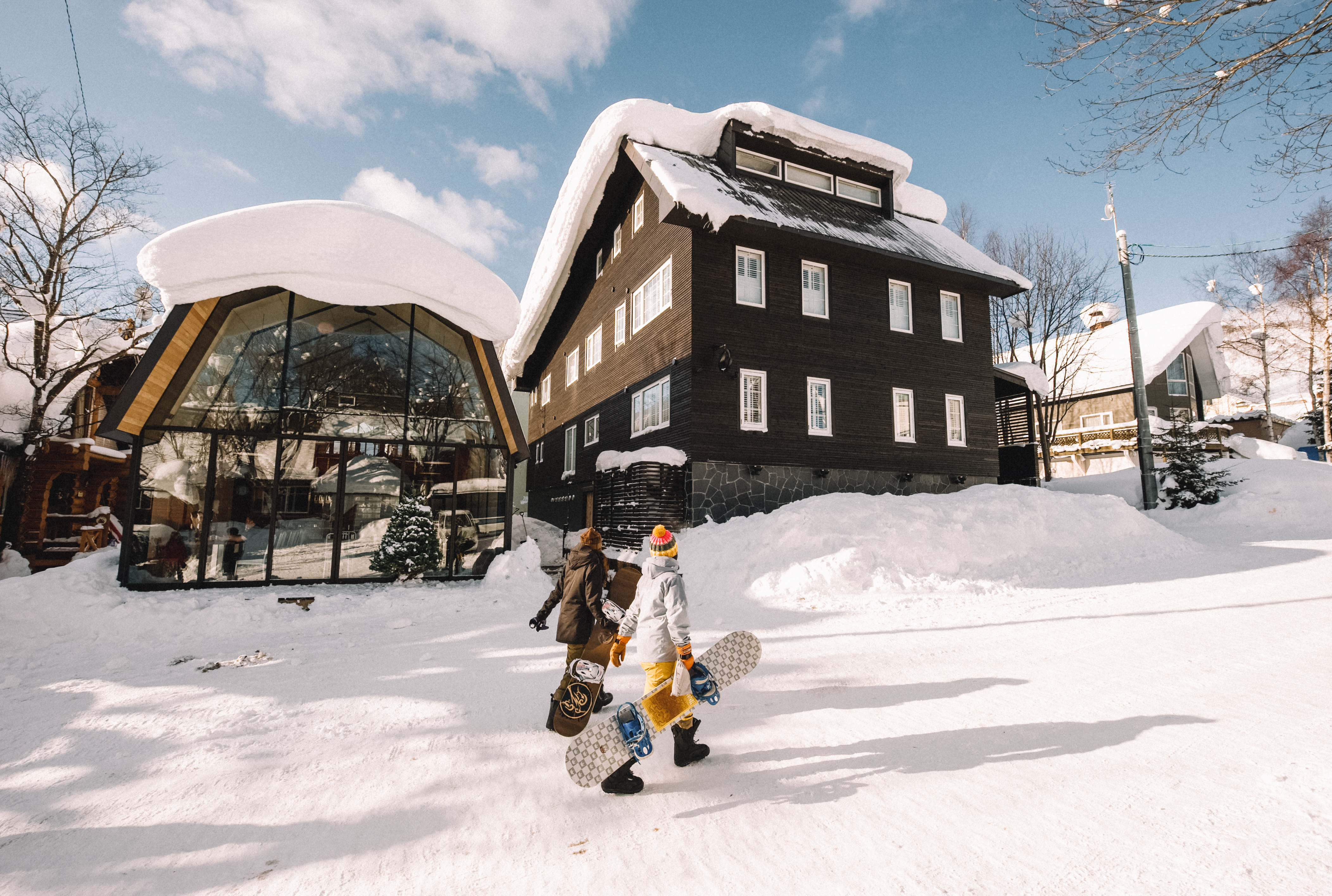
Kutchan (倶知安町) is a working Hokkaido town of about 15,000 people that happens to sit at the base of one of the world's best powder ski areas. Most travelers blow through it on the way to the Niseko resorts, which is their loss. This is where the local farmers, ski industry workers, and year-round residents actually live. The town's official mascot is a skiing potato — which tells you everything about its two dominant identities. Hokkaido produces over 80% of Japan's potatoes, and Kutchan grows some of the finest. In winter, up to 10 meters of snow blanket the town annually, more than Whistler or Aspen. But summers are surprisingly mild, green, and completely crowd-free compared to peak ski season. The nearby Niseko United ski area (Grand Hirafu, Hanazono, Niseko Village, Annupuri) draws an intensely international crowd — English, Mandarin, and Korean are heard everywhere in Hirafu village. Kutchan itself is still authentically Japanese: local izakayas, a functioning train station, and residents going about their daily lives between the resort gloss. It's also the administrative capital of Shiribeshi Subprefecture. The town name comes from the Ainu language — a reminder that the island's indigenous heritage runs deep beneath the ski chalets.
Local Customs
Remove shoes at the entrance (genkan) of any home, most traditional restaurants, and some accommodation.
Slippers will be provided. Don't skip this — it's non-negotiable..
No tipping anywhere, ever. Not at restaurants, not for taxi drivers, not for hotel staff. Leaving money behind can actually cause confusion or offense..
Onsen etiquette is strict: wash thoroughly at the shower stations before entering the communal bath, no swimwear in the water, no towels in the bath, keep noise minimal, and tie up long hair. Many traditional onsens ban visible tattoos — check before you book.. Bowing is the standard greeting.
A slight nod works fine for tourists. Attempting a full bow is appreciated and will earn you smiles.. Japan still runs largely on cash, especially at local restaurants, bars, and small shops in Kutchan.
Card acceptance is growing (ATMs at convenience stores are reliable), but carry yen.. Zero tolerance for drink-driving is absolute law — not 0.05%, not 0.
08%. Zero. Passengers knowingly riding with a drunk driver can also be arrested..
Speak quietly in public spaces, especially on trains and in onsens. The low-volume social culture is real and noticeable.. When eating at izakayas or traditional restaurants, say 'Itadakimasu' before eating — it's a cultural ritual, not strictly religious, and locals appreciate the effort from visitors.
Safety
HEADLINE: REMARKABLY SAFE
Japan consistently ranks among the safest countries in the world, and Kutchan is no exception. Petty crime is rare, and violent crime is almost unheard of. Wallets left in restaurants often get handed back intact. That said, a few practical notes worth knowing: winter road conditions are genuinely dangerous. Driving on Hokkaido's icy roads without experience is risky — locals joke that you can spot tourists by the rental cars in ditches. Zero tolerance for drink-driving in Japan is law; even a trace of alcohol means arrest, and passengers in the vehicle can also be charged. On the slopes, check daily avalanche forecasts before skiing, stay within marked resort boundaries, and take rapid weather shifts seriously — conditions above 800m can change fast. Onsens with tattoos can cause friction at traditional bathhouses (many ban them outright, though some now have tattoo-friendly sessions). Drones require special permits over most of the resort area. Medical care is available at Kutchan General Hospital (Kutchan Kosei Byoin), which has English-speaking staff. For serious emergencies, patients get transferred to Sapporo. Travel insurance with snowsport coverage is strongly recommended — make sure it covers off-piste and tree skiing specifically, as most standard policies exclude these.
Getting Around
HEADLINE: BUS OR RENT A CAR
Getting to Kutchan: Fly into New Chitose Airport (CTS) near Sapporo. Direct buses run from the airport to Hirafu in about 2.5–3 hours (¥3,500–4,000 one way). The JR train from Sapporo to Kutchan Station takes about 2.5 hours with a transfer at Otaru, costs around ¥2,240, and is covered by the Japan Rail Pass. Getting around once there: A public bus runs from Kutchan Station to Hirafu Welcome Center for ¥500 one way (15–20 min). In winter, the Niseko United Shuttle Bus connects Grand Hirafu, Hanazono, Niseko Village, and Annupuri every 15–30 minutes — it's free with or without a lift ticket. Last shuttle runs around 8–9pm. Taxis between Kutchan and the resorts cost ¥1,500–4,000 depending on destination; they get scarce fast on powder mornings so book early via the TaxiCaller app. Rental cars give the most flexibility for exploring the wider region, but you need an international driver's license, and winter driving experience is genuinely required. Free WiFi is available at Kutchan Station, all Niseko Welcome Centers, and most cafes and restaurants. Most ATMs in convenience stores (Lawson, 7-Eleven, Seicomart) accept international cards; the post office in Kutchan also does. Cash is still king at many local restaurants and bars.
Useful Phrases
Where to Stay in Kutchan
4 recommended properties