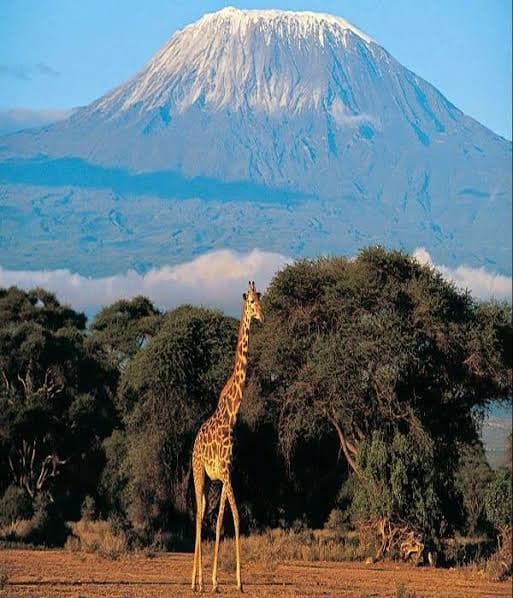
Kilimanjaro National Park
Africa's rooftop and ultimate trekking challenge
Standing at 19,341 feet, Kilimanjaro isn't just Tanzania's crown jewel—it's the kind of mountain that changes you. This dormant volcano draws trekkers from every corner of the globe, all chasing that sunrise moment at Uhuru Peak. But here's the thing: Kilimanjaro isn't technically difficult to climb. You don't need ropes or previous mountaineering experience. What you do need is mental grit, proper preparation, and respect for altitude sickness. The mountain spans multiple climate zones, from tropical rainforest at the base to arctic conditions at the summit. Most people take 6-8 days to reach the top, camping under some of the clearest night skies you'll ever see. And yes, it's expensive—expect to spend $2,000-$5,000 depending on your route and operator. But ask anyone who's made it to Uhuru Peak, and they'll tell you it's worth every penny.
Itineraries coming soon
We're working on adding amazing itineraries for Kilimanjaro National Park. In the meantime, try the app to create your own!
Money-Saving Tips
- 1.Book directly with operators in Moshi to cut out middleman markups—prices can be 20-30% lower than booking from home
- 2.Rent heavy gear like sleeping bags and down jackets locally for $5-10 per item instead of buying
- 3.Join a group climb rather than private trek to split guide and porter costs—saves $500-800 per person
- 4.Fly into Kilimanjaro International Airport instead of Dar es Salaam to avoid expensive domestic flights
- 5.Bring US dollars in good condition for tips and extras—worn bills get rejected and exchange rates are poor
- 6.Pack your own snacks and energy bars—mountain shop prices are inflated and selection is limited
- 7.Book accommodation in Moshi rather than Arusha to save on transfer costs and time
Travel Tips
- •Start training 3-4 months before your climb with regular cardio and hiking—altitude is your biggest challenge, not fitness
- •Bring more warm clothes than you think you need—summit night temperatures drop to -10°F with wind chill
- •Pack backup headlamp batteries in your sleeping bag to prevent them from freezing overnight
- •Drink 3-4 liters of water daily to help with acclimatization—dehydration makes altitude sickness worse
- •Take Diamox starting 2 days before your climb if recommended by your doctor—it helps prevent altitude sickness
- •Tip your crew at the end of the trek, not daily—standard is $20 per day for guides, $15 for assistant guides, $10 for porters
- •Bring toilet paper and wet wipes—mountain huts run out quickly and camp toilets are basic
- •Pack a portable phone charger—there's no electricity on the mountain and you'll want photos at the summit
Frequently Asked Questions
Explore Kilimanjaro National Park
Ready to explore Kilimanjaro National Park?
Get a personalized itinerary in seconds with Takeoff.
Free on iOS. No credit card required.