Kaohsiung City
Culture & Context
HARBOR CITY REBORN
**港都 HARBOR CITY — PORT TOWN TURNED CREATIVE CAPITAL**
Kaohsiung spent most of the 20th century as Taiwan's industrial workhorse. It was grimy, loud, and largely ignored by travelers chasing Taipei's neon glow. Then it did something rare: it reinvented itself. The former harbor warehouses of Pier 2 became galleries, design shops, and craft beer bars. The Love River, once so polluted locals avoided it, got cleaned up and lined with promenaders. A Circular Light Rail now loops past the waterfront, stopping at public art installations and music venues. The result is one of Asia's more convincing urban transformations.
But the city hasn't erased its older identity. Lotus Pond's Dragon and Tiger Pagodas — two 1960s Taoist towers you enter through the dragon's mouth and exit through the tiger's — remain the defining image of the city. The Sanfeng Temple (built 1699) still fills with incense smoke at dawn. And the Fo Guang Shan Buddhist monastery complex, 30 minutes northeast, is the largest in Taiwan, drawing pilgrims and curious visitors alike.
Southern Taiwan also runs warmer culturally. More Hokkien spoken here than Mandarin among older locals. More scooters, more outdoor wet markets, more of the unhurried pace that Taipei rarely offers. Kaohsiung is the anti-Taipei, and for a growing number of travelers, that's exactly the point.
Local Customs
NO TIPS, EVER
No tipping. At restaurants, cafes, taxis — leave nothing. Some higher-end places add a 10% service charge automatically.
Leaving a tip on the table is seen as condescending, not generous.. Shoes off before entering someone's home. Always.
The host will usually offer slippers. Your outdoor shoes go by the door or in a shoe cabinet.. Never stick chopsticks vertically into a rice bowl.
It mimics incense sticks at funerals and is a serious taboo. Rest them flat on a chopstick holder or across the top of the bowl.. No eating or drinking on the MRT or Light Rail — not even water or chewing gum past the yellow line at the gate.
Fines are real and enforced.. Use both hands when receiving or giving items: business cards, gifts, payments. One hand feels dismissive.
Two hands shows respect.. Temple dress code: cover shoulders and knees. Kaohsiung's temples (Fo Guang Shan, Sanfeng, Lotus Pond pagodas) are active places of worship, not photo sets.
Keep your voice low and follow any posted photography rules.. The Taiwanese greeting 'chī bǎo le ma?' (have you eaten yet?
) functions like 'how are you?' — it's warmth, not literally asking about your last meal.. Taiwan is politically sensitive.
Do not ask locals whether Taiwan is a country or share opinions on cross-strait politics unless you know someone well.. Stand right on escalators, walk left. Enforced socially, especially at MRT stations.
Safety
VERY SAFE
**GENUINELY SAFE CITY**
Kaohsiung presents no meaningful safety concerns for travelers. The US State Department notes "minimal street crime" and "rare violent crime." Taiwan's overall crime rate dropped 4.3% in 2025, and violent crime against tourists is essentially nonexistent. Solo travelers, including women, consistently report feeling comfortable walking at all hours. Night markets run until midnight without incident.
Real watch-outs are different. Traffic is the biggest hazard: motorcycle density is extremely high and scooters do not always yield to pedestrians, even at crossings. Never assume a green light means it's clear. Cross with locals.
Dengue fever is a legitimate seasonal concern in the south. The CDC expects increases from May 2026 onward in Kaohsiung and surrounding areas. Use mosquito repellent, especially in the evening. Typhoon season runs May to November — monitor the Central Weather Administration app for alerts.
On the MRT and Light Rail: eating or drinking (even water) past the yellow line is strictly banned and enforced with fines. The political situation with China is something locals are aware of daily; don't offer uninformed opinions on Taiwan's status, and avoid the subject entirely unless a local raises it first.
Vaping is illegal in Taiwan. Cannabis, even small amounts, can bring severe prison sentences. The authorities have zero tolerance for "I didn't know."
Getting Around
MRT & LIGHT RAIL
**MRT + LIGHT RAIL: THE SMART COMBO**
Get an iPass card (NT$100 deposit at any MRT station) the moment you arrive. It works on the MRT, Circular Light Rail, city buses, YouBike, and the Cijin Island ferry. Don't bother with single-journey tokens for a multi-day stay.
The MRT has two lines. The Red Line runs north-south, connecting the airport directly to downtown and up to Zuoying HSR station in the north. The Orange Line cuts east-west through the city center. They intersect at Formosa Boulevard — worth stopping at just to see the Dome of Light, a massive glass art installation that makes this probably the most photogenic subway station in the world.
The Circular Light Rail loops around the harbor and waterfront districts. It's slower than the MRT but purpose-built for sightseeing: it stops right at Pier 2, the Kaohsiung Music Center, the Exhibition Center, and the ferry terminal for Cijin Island. Fare is NT$30 per ride (NT$10 with iPass digital wallet). MRT runs 6:00–23:30 daily with trains every 10 minutes at peak.
For Cijin Island, take the ferry from Gushan Ferry Terminal — about NT$30 and a 5-minute crossing. YouBike stations are scattered all along the Love River promenade and near most MRT exits.
Coming from elsewhere in Taiwan: the HSR from Taipei to Zuoying takes about 90 minutes (NT$1,490 standard). Book ahead on the T Express app. Kaohsiung International Airport (KHH) has direct flights from Tokyo, Osaka, Hong Kong, and Southeast Asian hubs, and connects to downtown via the Red Line.
Useful Phrases
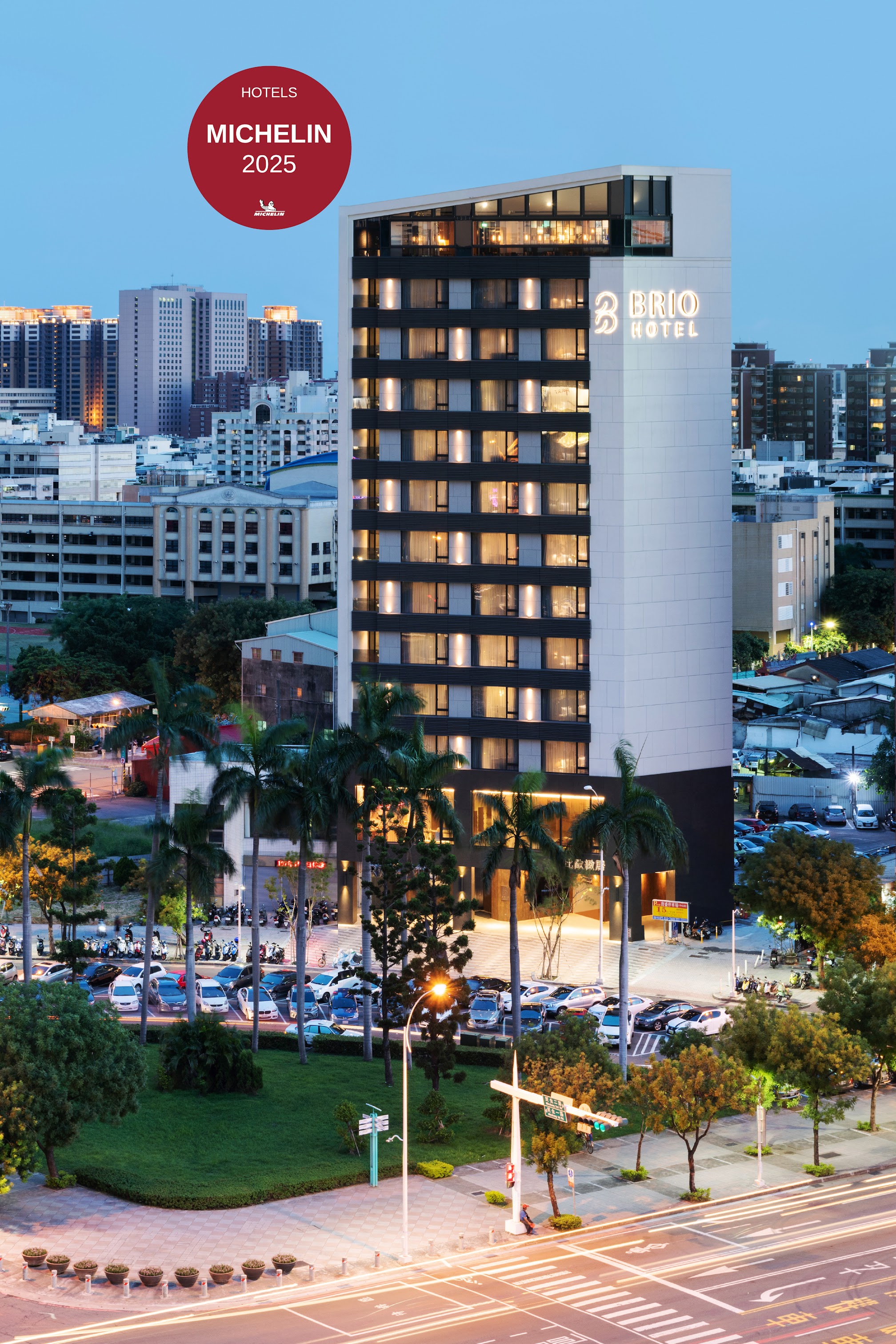
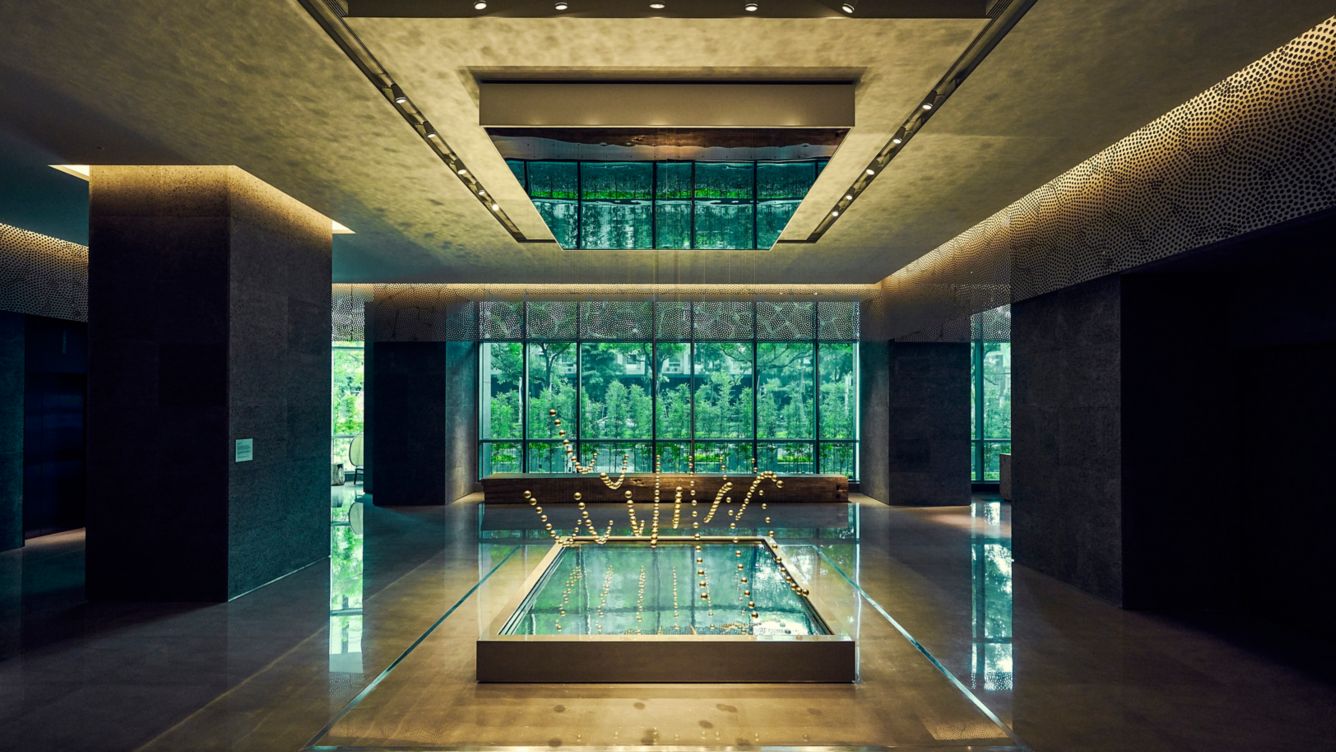
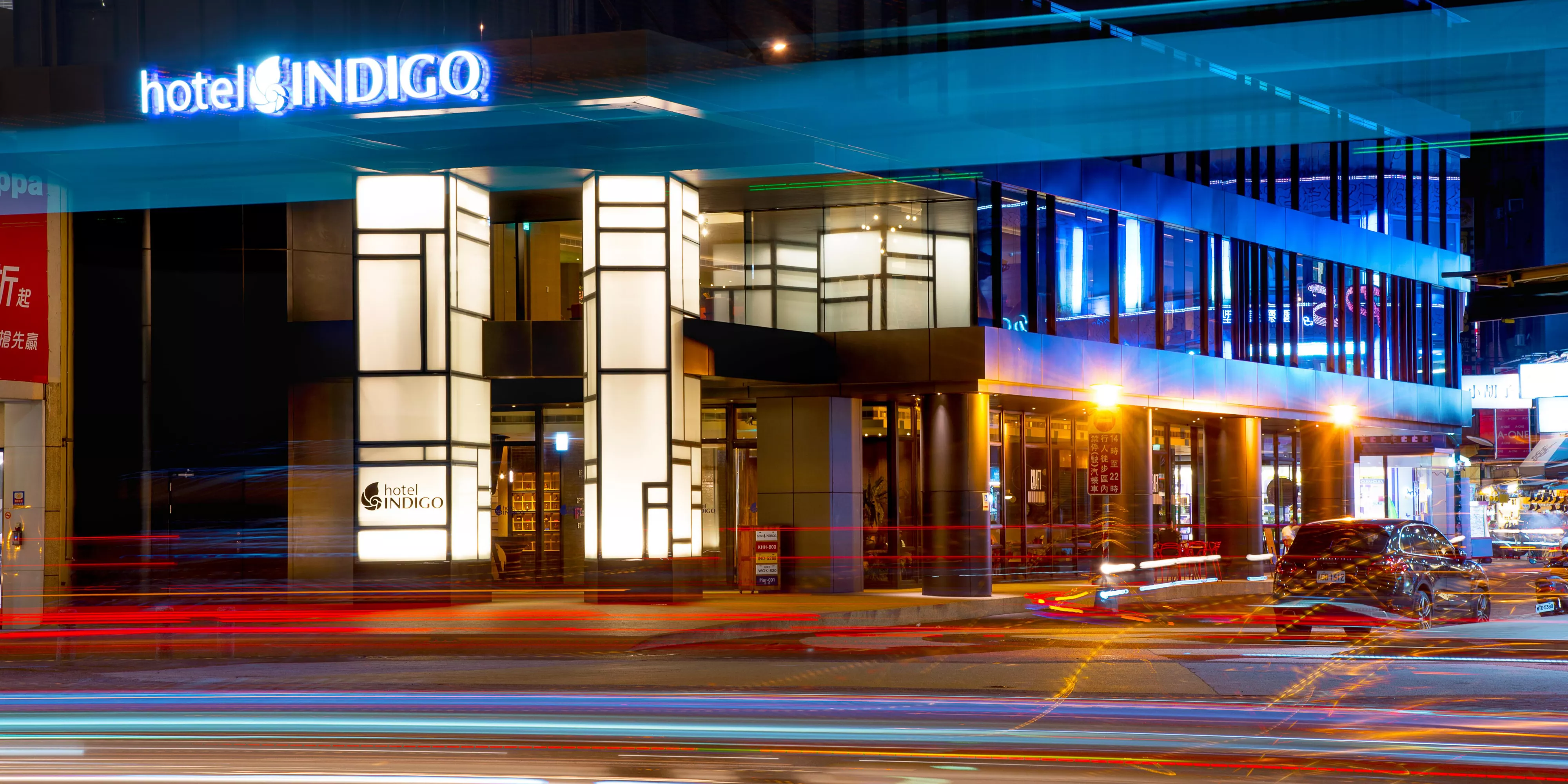
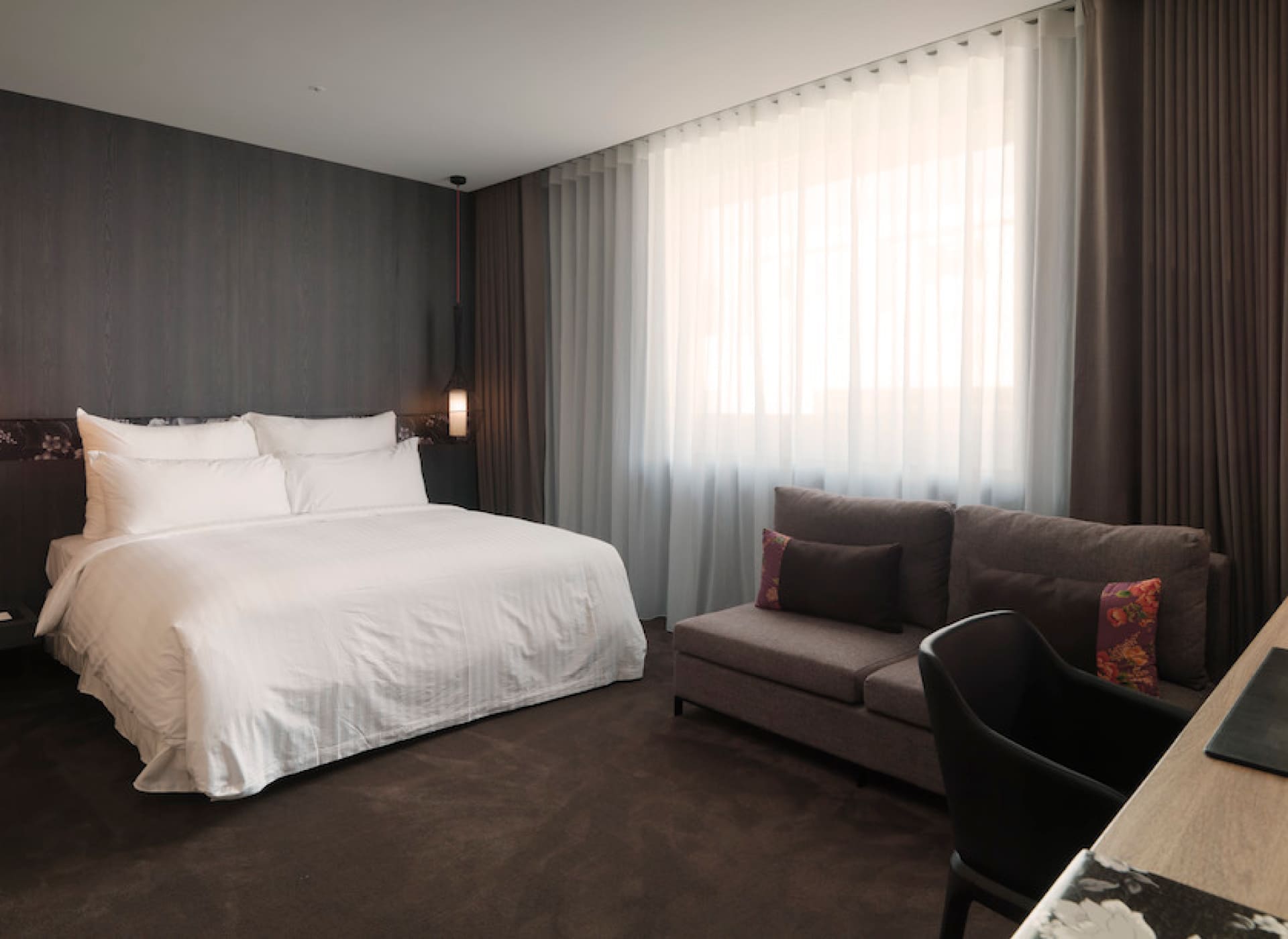
Where to Stay in Kaohsiung City
5 recommended properties
Explore Kaohsiung City
BUILD YOUR
KAOHSIUNG CITY PLAN
Insider picks, smart timing, and a plan ready when you are.
Start Planning