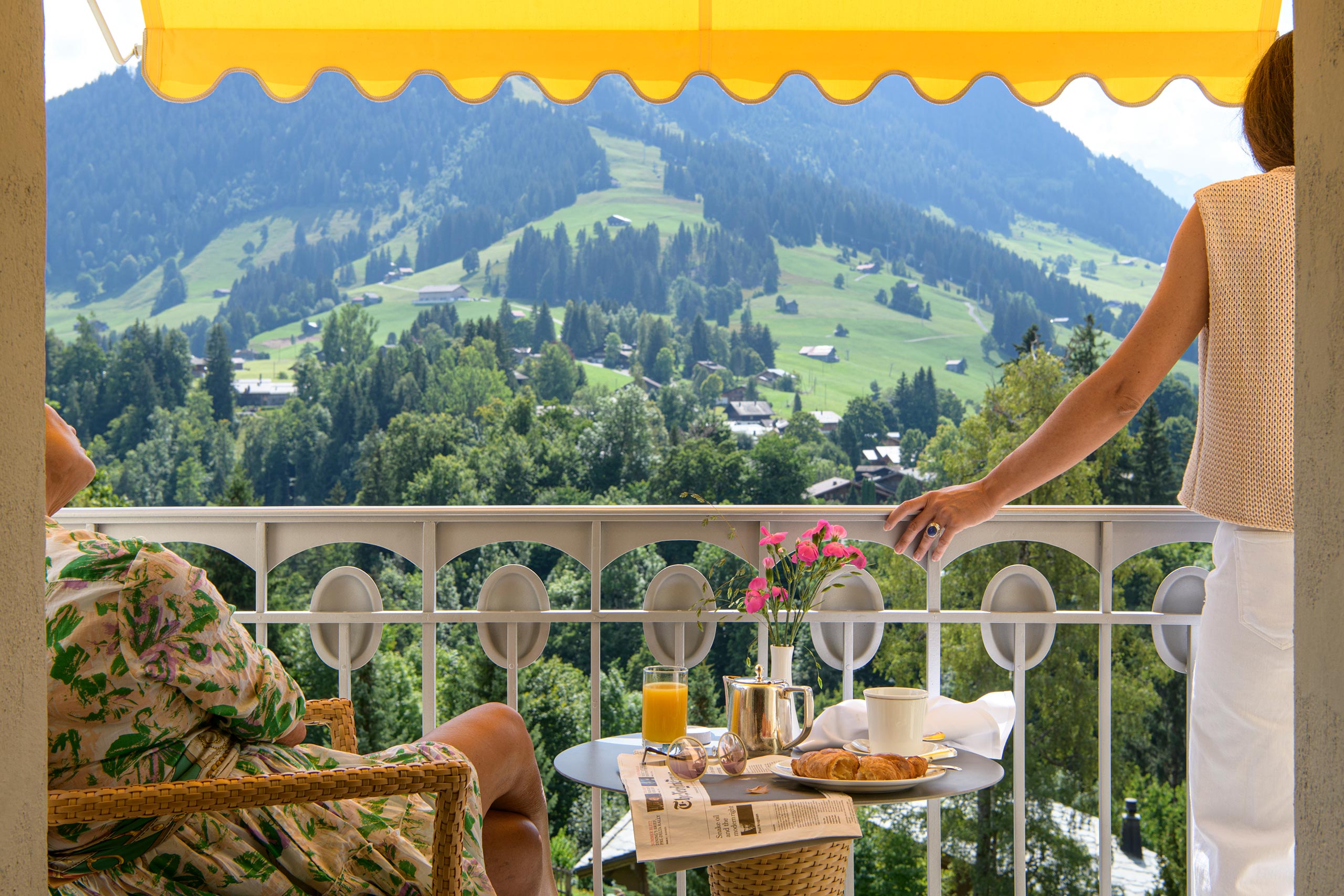
Gstaad
Culture & Context
PEAK LUXURY ALPINE | Gstaad is a paradox wrapped in a wooden chalet.
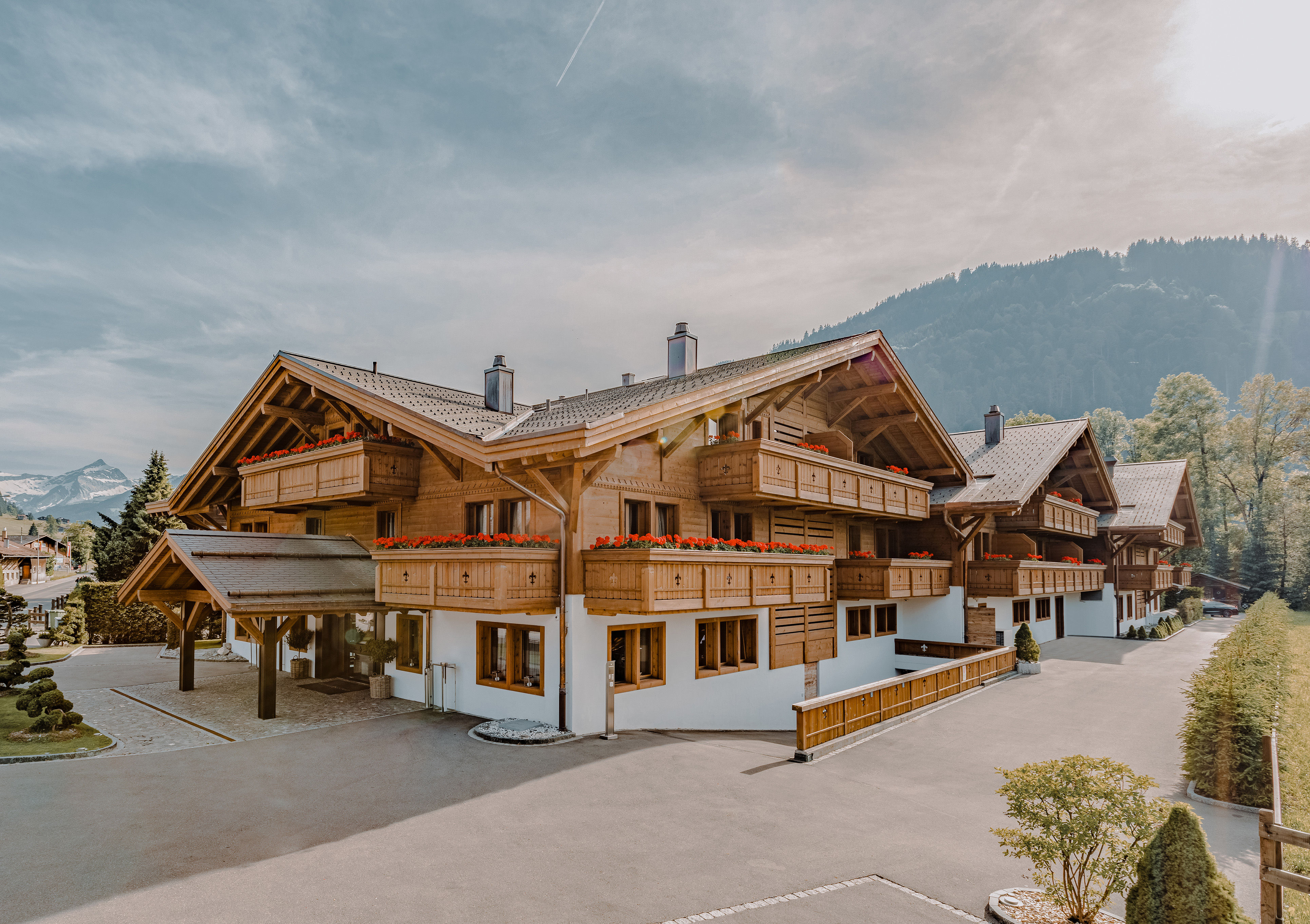
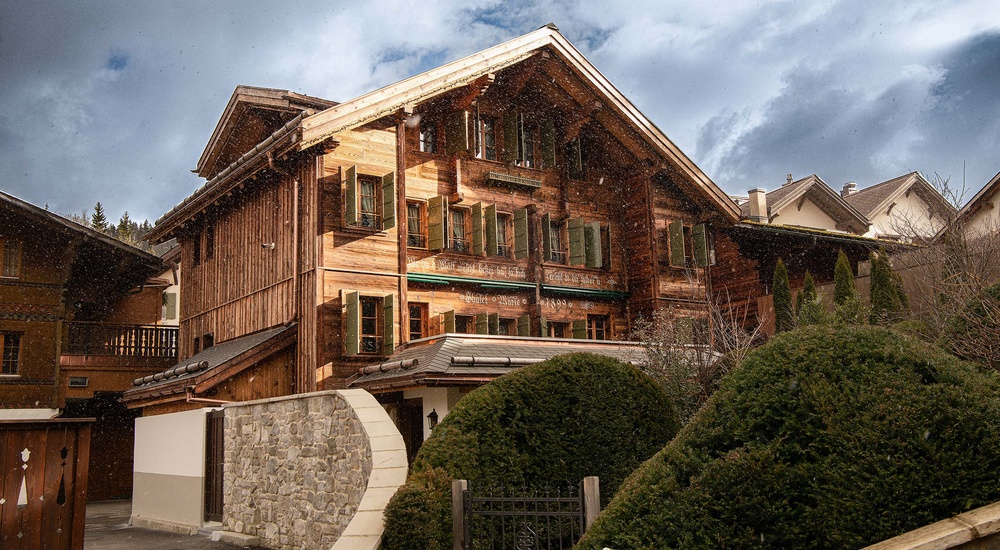
The village law-enforces traditional alpine architecture — no glass towers, no modern eyesores — so it genuinely looks like it did a century ago. But walk the Promenade and you're passing Hermès, Cartier, Louis Vuitton, Prada, and Brunello Cucinelli, all squeezed into chalet-style facades.
This is where Elton John owned a chalet, where Roger Moore holidayed, and where Grace Kelly once strolled. The Institut Le Rosey operates its elite winter campus here. And yet farmers still drive cows through the valley every autumn in flower-adorned processions.
The tension between that old-world Alpine life and the ultra-wealthy jet-set crowd is the whole point. Gstaad sits in the German-speaking part of the Canton of Bern, in the Saanenland region at 1,050m elevation. The Bernese dialect (Bernese German) is what you'll hear from locals, though English is universal in tourist-facing businesses.
The Menuhin Festival, founded here in 1957 by Yehudi Menuhin, is now in its 70th year in 2026 — it's arguably the soul of the place. Classical music echoing from 800-year-old Saanen church, with cows grazing in the field outside. That's Gstaad.
Local Customs
Greet shopkeepers when you enter and leave any small shop — saying nothing on entry is considered rude.
A simple 'Grüezi' covers it.. Punctuality is not flexible.
If you're meeting someone or have a dinner reservation, being five minutes late is enough to require an apology.. When sitting down to eat with others, wait for someone to say 'En Guete' before you start. And say it yourself to nearby tables — even strangers do this, especially if they pass you while you're eating..
Tip by rounding up the bill, not by percentage. Swiss law includes service charges, so a large American-style tip is neither expected nor typical. Keep it under 5%..
Quiet hours in Switzerland are taken seriously. After 10pm, keep noise to a minimum. Sunday is a near-silent day — no lawn mowing, no loud music, no drilling..
Littering is a real social transgression, not just a fine. Recycling is sorted with extraordinary precision. Don't mix waste or leave anything on trails..
Always let passengers exit the train or cable car before boarding. Pushing past people getting off is genuinely shocking behavior here.. Carrying ID at all times is required by Swiss law.
A passport or driving licence — a photo on your phone is not sufficient.
Safety
EXCEPTIONALLY SAFE | Gstaad is about as safe as destinations get.
It's a small mountain village with essentially zero urban crime. Switzerland sits at the US State Department's Level 1 advisory (the lowest risk tier), and Gstaad specifically has none of the pickpocketing concerns that affect Zurich, Geneva, or Bern's train stations.
The real risk here is the mountain environment itself. Around 130 people die in the Swiss Alps every year. Stick to marked trails, check weather forecasts before heading out, and don't underestimate altitude.
Sudden weather changes in the Alps are no joke. Swiss law requires you to carry valid ID at all times — a passport or driving licence. Failing to produce one if stopped by police can mean a trip to the station for questioning.
Keep basic street smarts around the GoldenPass train connections to bigger cities, but in the village itself, you're fine.
Getting Around
TRAIN & WALK | The GoldenPass MOB railway is your lifeline.
From Geneva airport, you're looking at 2 hours 50 minutes by train; from Zurich, about 3 hours 15 minutes via Montreux or Spiez. The ride through the Simmental valley is genuinely beautiful — it's part of the famous GoldenPass Express route.
Book a seat reservation for the GPX (Prestige Class is compulsory reservation). Once you're in Gstaad, you almost don't need transport at all. The village center is entirely pedestrianized — cars are prohibited on the Promenade and its surrounding alleys near the train station.
Stay at any hotel, chalet, or apartment for at least one night and you get the Gstaad Card, which gives free public transport (trains and buses) throughout the Saanenland and Obersimmental region. The MOB railway links the main villages: Rougemont, Saanen, Gstaad, Schönried, Saanenmöser, and Zweisimmen. Ski buses between Gstaad and Saanen run every 20 minutes from mid-December to mid-March, free for everyone.
Evening buses run less frequently — check the SBB app before heading out for a late dinner in a neighboring village. The private Saanen airport, 6.5km away, handles private jets if you're that kind of visitor.
Useful Phrases
Where to Stay in Gstaad
9 recommended properties