Groningen
Culture & Context
STUDENT CITY, CYCLING CAPITAL
Groningen is the capital of the north. One in four residents is a student, roughly 50,000 people in a city of 230,000 — which means the energy here runs young, cheap, and loud in the best way. The University of Groningen is the second-oldest in the Netherlands and has produced Nobel laureates. That academic weight gives the city a genuine intellectual edge that most Dutch cities its size can't match.
But the real identity marker is the bike. With 300,000 bicycles for 190,000 people and only 75,000 cars, Groningen is often called the cycling capital of the world. Back in the late 1970s, the city divided its center into four quadrants and banned cars from cutting directly through. Cars have to use the ring road. Bikes and pedestrians own the middle. That one decision shaped everything.
Culturally, Groningen punches hard. Festivals like Noorderzon and Eurosonic Noorderslag (ESNS) have launched careers — Dua Lipa and Sam Smith played early shows here. Bars have no mandated closing times. Locals call their city "Grunn" and speak a distinct regional dialect called Grunnegs, a Low Saxon language closer to German than Dutch. Down-to-earth, direct, and proud of their northern identity — that's the Groninger personality in three words.
cultural_context_headline: BIKES & BRAIN POWER
Local Customs
Greet people with 'Moi' — it works as hello, good morning, and goodbye.
The cashier at Albert Heijn supermarket is not complimenting your appearance; 'moi' in Grunnegs means 'hi', not 'beautiful' as it does in Dutch. Don't awkwardly mumble 'thank you' back..
The Dutch are direct and Groningers even more so. Don't expect compliments for the sake of it. If someone says 'kon minder' (could be worse) about your dinner, that is the highest praise you will get.
Accept it.. Respect bike lanes absolutely. They are red-painted asphalt, not a suggestion.
Step into one while not paying attention and you will be reminded very promptly.. Borrel culture is real. A 'borrel' is an informal round of drinks with snacks — bitterballen, cheese cubes, maybe eierballen (deep-fried egg-filled snacks, a Groningen specialty).
It happens after work, before dinner, and sometimes instead of dinner.. Bars have no mandated closing times in Groningen. There is no 'last call.
' The night ends when people want it to, not when the law says so. Budget your energy accordingly.. Tipping is not obligatory.
Rounding up to the nearest euro or leaving 5-10% for good service is appreciated, but leaving nothing is not rude.. Most people speak excellent English. Nearly 95% of the Dutch population speaks English, and in a university city with 20% international students, English is genuinely everywhere.
You do not need Dutch to get around.
Safety
VERY SAFE, WATCH THE BIKES
Groningen scores around 86 out of 100 on safety indices for 2026, making it one of the safest cities in the Netherlands. Violent crime is rare. The city center is walkable and well-lit. Police patrols are visible, sometimes on horseback at night. Emergency number is 112 for police, fire, and ambulance.
The honest risks are mundane: petty theft around markets and Grote Markt, the occasional pickpocket near the train station, and drunk students causing minor scenes after midnight near the nightlife strip on Gedempte Zuiderdiep. But the biggest danger tourists actually face? Walking into a bike lane while staring at their phone. Groningen cyclists move fast and expect pedestrians to stay out of their lanes entirely. Near the train station, university buildings, and Grote Markt intersections, treat bike lanes like roads — look both ways before crossing.
Canals add a secondary hazard after dark. They're lovely. They're also unlit in spots, and canal falls do happen in Dutch cities. Stay back from edges after a few beers. Tap water is excellent. No bottled water needed.
safety_headline: VERY SAFE, MIND THE BIKES
Getting Around
RIDE A BIKE
Groningen is the most bike-oriented city in the Netherlands — which already makes it among the most bike-oriented places on earth. Bikes account for around 61-65% of all trips in the city. The center is effectively car-free by design: a circulation plan from the 1970s divided the city into four quadrants, forcing cars onto the ring road. Bikes and pedestrians move freely between all zones.
Rent a bike from the central station — OV-fiets bikes are available there for registered NS public transport card holders. Swapfiets offers monthly subscriptions. For visitors staying a few days, local hire shops near the station have standard Dutch bikes for around €10-15/day. Use a heavy lock — bike theft is a real issue. Park only in designated racks, or the municipality may remove your bike and charge €25 to recover it.
For longer distances within the province, Qbuzz buses cover the city and surrounding region. NS trains connect Groningen to Amsterdam (about 2.5 hours) and other Dutch cities. The regional airport, Groningen Airport Eelde (GRQ), sits 10km south of the center and handles some European routes, but most international arrivals come via Amsterdam Schiphol. Buy an OV-chipkaart (€7.50) for all Dutch public transport — load credit and tap in/out on every bus and train.
transport_headline: BIKE CAPITAL OF EARTH
Useful Phrases
Where to Stay in Groningen
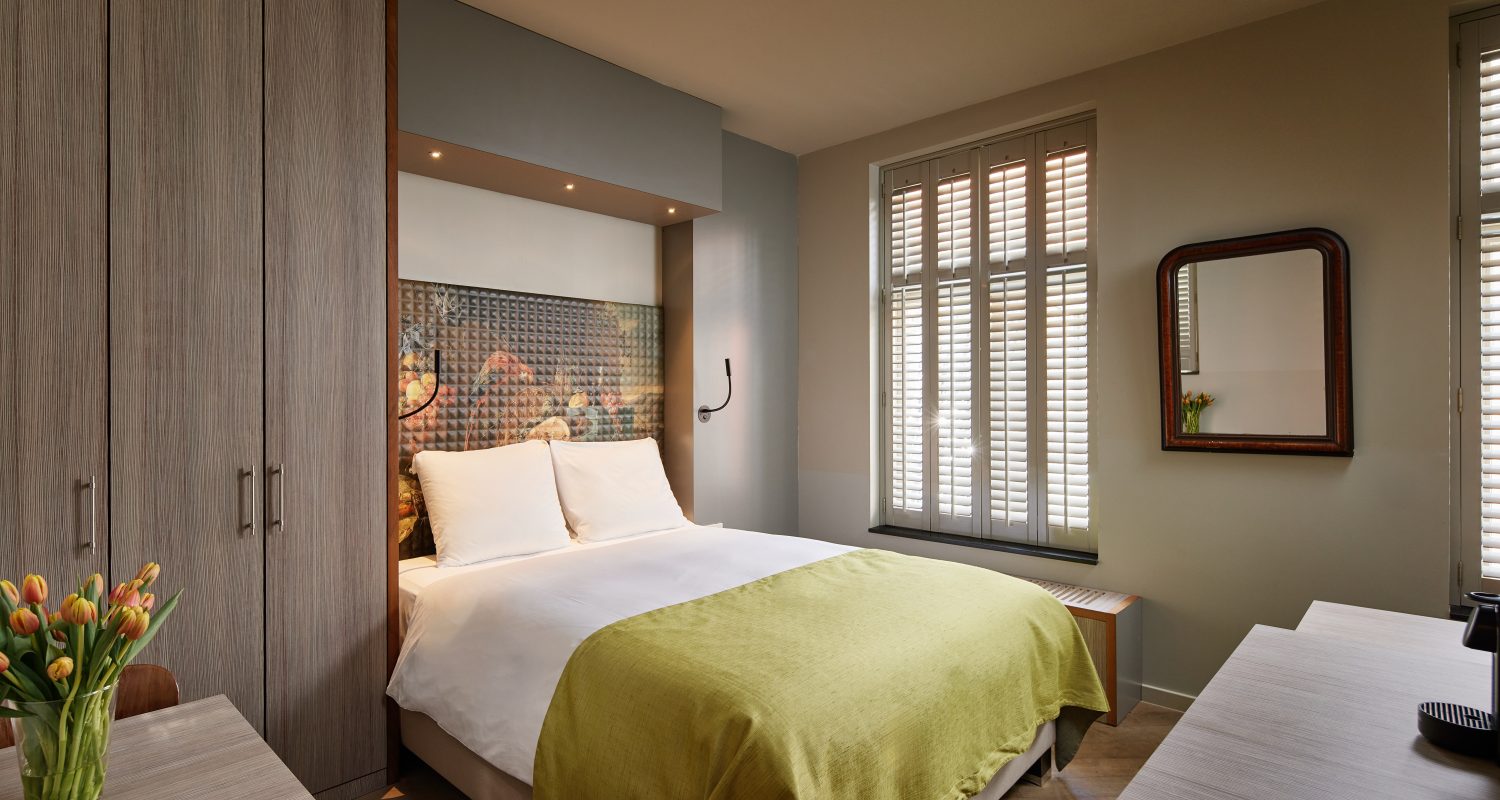
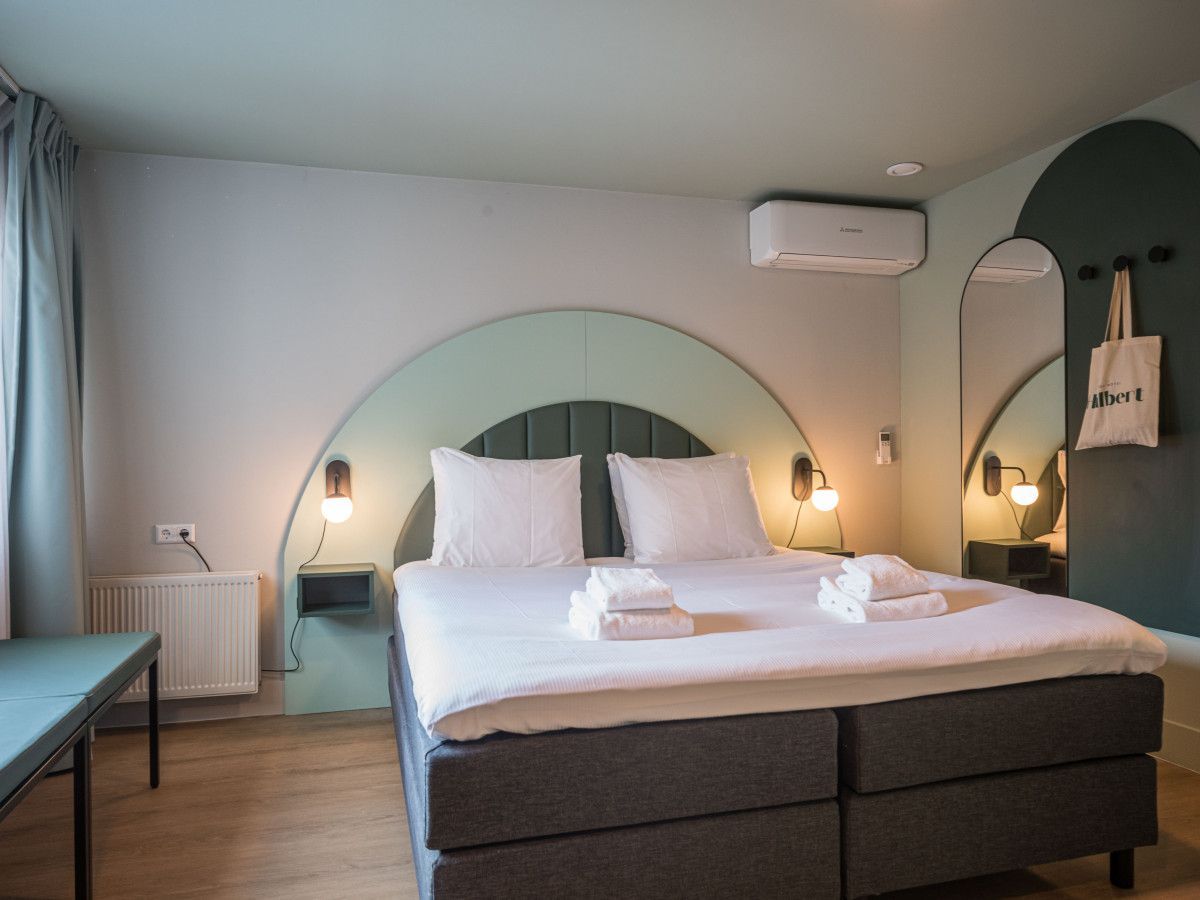
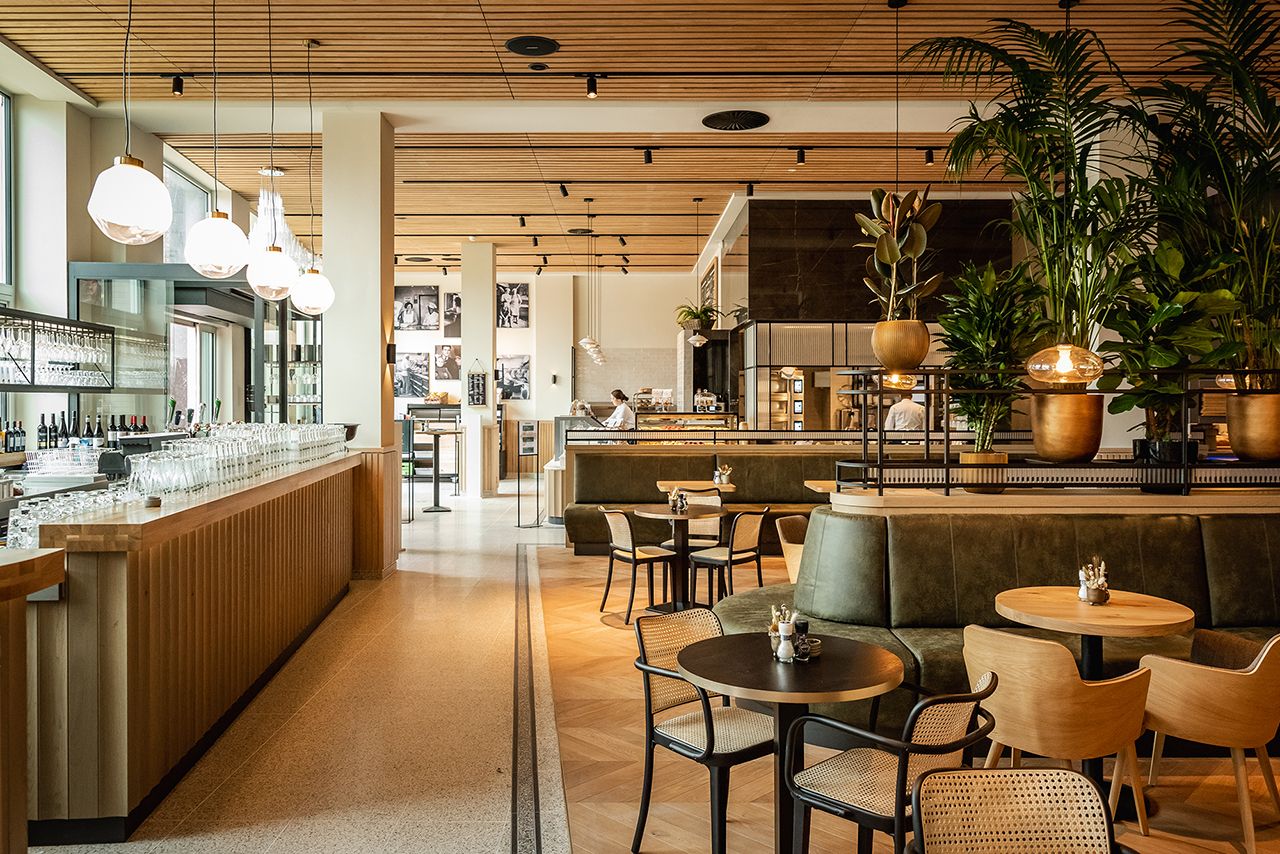
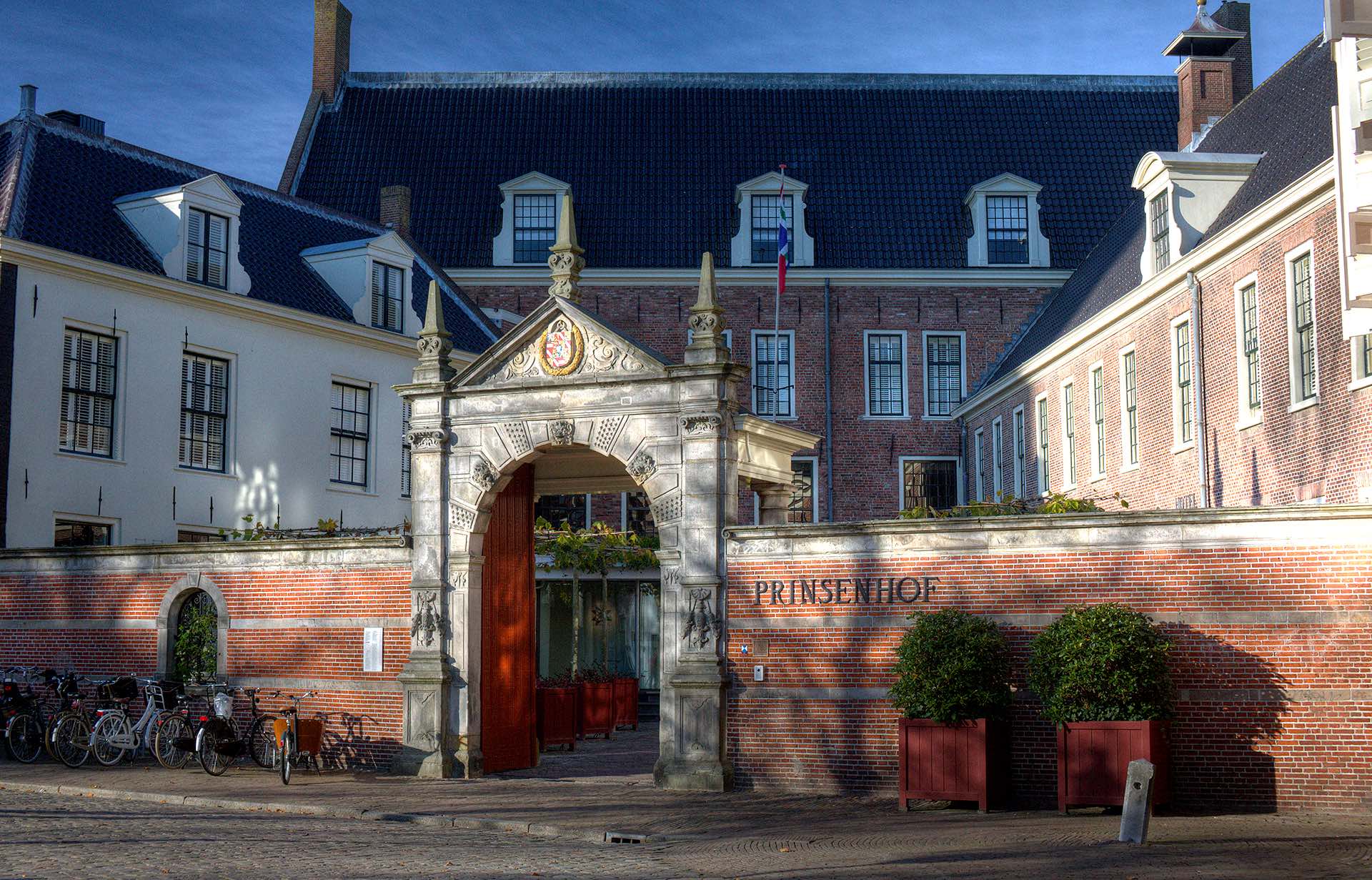
4 recommended properties