
Northeast Florida
Historic St. Augustine meets pristine Atlantic beaches
Northeast Florida serves up America's oldest city alongside some of its most gorgeous beaches. You get cobblestone streets and Spanish colonial architecture in St. Augustine, then drive 20 minutes to catch waves at Vilano Beach. It's history class meets beach vacation, minus the stuffiness.
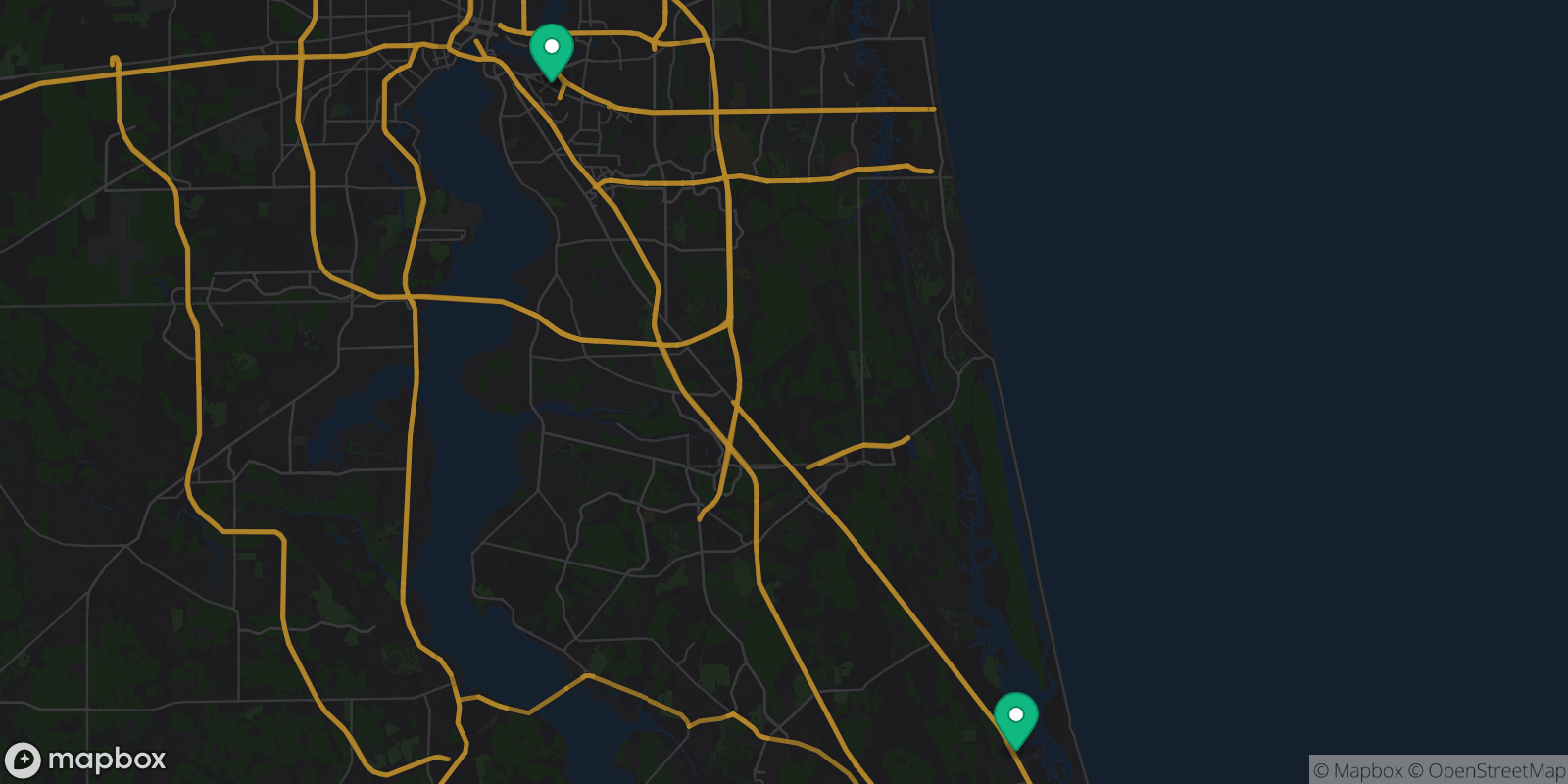
The region stretches from the Georgia border down to Flagler County, with Jacksonville anchoring the north and the Matanzas River winding through centuries-old neighborhoods. Spring and fall hit the sweet spot here — warm enough for the beach but cool enough to explore the old fort without melting. Families love the combination of educational attractions and easy beach access, while couples find romance in candlelit dinners along narrow historic lanes.
Explore Cities

Explore the Region
Money-Saving Tips
- 1.Visit St. Augustine's historic sites with the Old City Trolley day pass ($27) instead of paying individual attraction fees
- 2.Beach parking runs $5-15 per day, but many hotels include free passes for guests
- 3.Happy hour at waterfront restaurants typically runs 3-6 PM with half-price appetizers and drink specials
- 4.State parks charge $6 per vehicle entry but offer camping, hiking, and beach access for a fraction of resort prices
- 5.Book accommodations for Sunday-Thursday stays to avoid weekend premiums, especially in St. Augustine
- 6.Many museums offer free admission on first Friday evenings for residents and visitors
- 7.Buy fresh seafood directly from fishing boats at Mayport or Fernandina Beach docks
- 8.Grocery chains like Publix and Winn-Dixie offer cheaper beach supplies than resort shops
Travel Tips
- •Download offline maps before exploring St. Augustine's historic district — cell service can be spotty in old buildings
- •Pack reef-safe sunscreen; many beaches now require it to protect marine life
- •Bring a cooler for beach days — most areas allow food and drinks except glass containers
- •Check tide charts before planning beach activities; low tide reveals more shells and easier walking
- •Book dinner reservations in advance during peak season, especially for waterfront restaurants
- •Wear comfortable walking shoes in St. Augustine — cobblestones and brick streets can be uneven
- •Keep bug spray handy for evening activities near marshes and waterways
- •Download the ParkWhiz app to reserve parking spots in busy areas like downtown St. Augustine
- •Bring a light jacket year-round — ocean breezes can make evenings chilly even in summer
- •Check local event calendars; festivals and reenactments can impact traffic and accommodation availability
Frequently Asked Questions
Explore Northeast Florida
Ready to explore Northeast Florida?
Get a personalized itinerary in seconds with Takeoff.
Free on iOS. No credit card required.