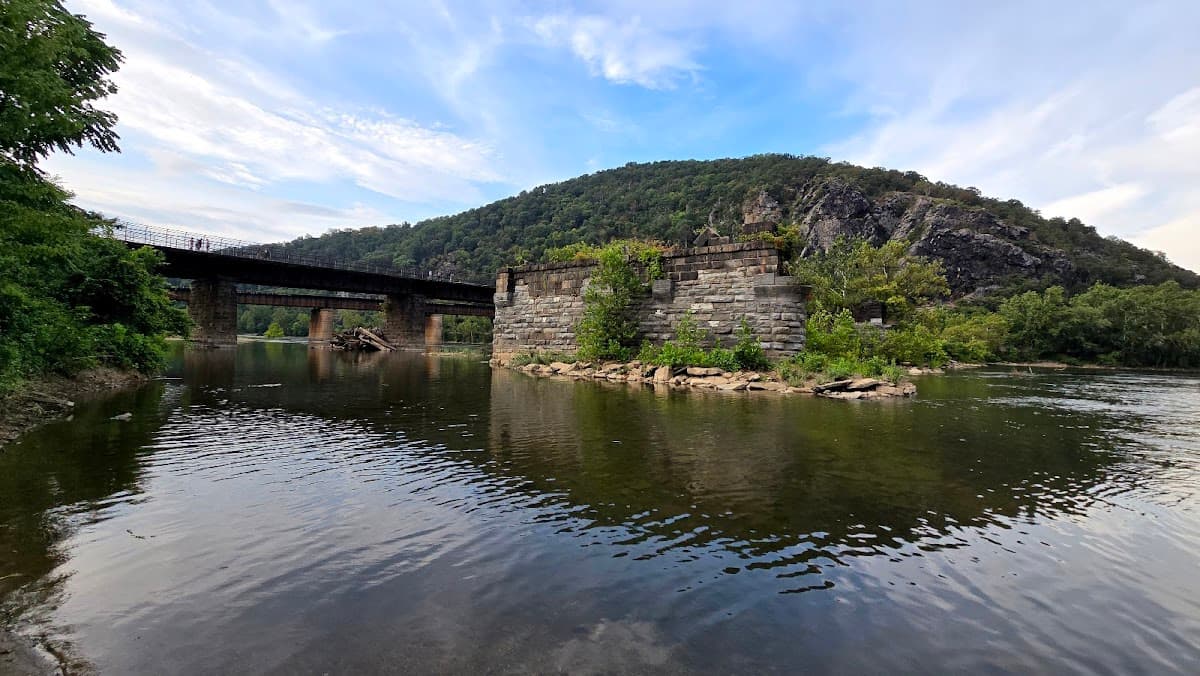
Harpers Ferry
Where American history and outdoor adventure converge beautifully
Harpers Ferry sits at the confluence of the Potomac and Shenandoah rivers, where John Brown's raid changed American history forever. But this West Virginia town isn't stuck in the past. You'll find white-water rafting just steps from Civil War battlefields, craft breweries next to 19th-century storefronts, and hiking trails that lead to some of the best views on the East Coast. The Appalachian Trail runs right through downtown — hikers grab coffee at the same corner where abolitionists once plotted revolution. It's the kind of place where you can tour a historic armory in the morning and kayak class IV rapids after lunch.
Local Knowledge
Culture & Context
Harpers Ferry sits where West Virginia, Maryland, and Virginia all meet — literally the confluence of the Potomac and Shenandoah rivers. The town has a permanent population of about 286 people, which means on busy fall weekends, visitors outnumber residents by a ridiculous margin. The whole place is a National Historical Park, and a lot of what feels like "town" is actually federal park land. John Brown's 1859 raid on the federal armory here is the defining moment in local history — the one that helped accelerate the country toward Civil War. Frederick Douglass later called Harpers Ferry the place where "the end of American slavery began." Beyond the Civil War angle, the Appalachian Trail Conservancy has its headquarters here, and the AT passes directly through town. This means you'll constantly be sharing sidewalks and trailheads with thru-hikers who've been walking since Georgia. Don't be surprised if someone smells a little ripe and is talking excitedly about something called a "zero day." That's just how it goes here. The town has voted "Best Town for History" by WV Living readers six years running, and the locals genuinely take that identity seriously. Respect the history, stay on marked trails, and know that the town is officially dry — no carrying open drinks in public spaces, even if the restaurant just served you one.
Safety
Harpers Ferry is genuinely low-crime — crime rates run about 60% lower than the West Virginia average. The main safety concerns are physical, not criminal. The hiking trails have real elevation and uneven terrain; Jefferson Rock's stone steps trip people up regularly. Maryland Heights is a strenuous climb and underestimated by day-trippers in street shoes. Carry water on any trail — the park is trash-free and there are no trash cans, which also means no water fountains on most trails. River swimming is not recommended; the Potomac and Shenandoah currents are deceptively strong. Watch your footing on the railroad bridge pedestrian walkway, especially in wet conditions. If you're driving, note that US-340 sees heavy weekend traffic and the main park entrance on Shoreline Drive can back up significantly on fall weekends. Dogs are welcome on trails but not on the park shuttle, so plan your day accordingly if you've brought a dog. The town enforces quiet hours around 10pm in residential areas — this is a real thing, not a suggestion.
Useful Phrases
The Appalachian Trail Conservancy headquarters on Washington Street. Every thru-hiker stops here to sign the register and get their photo taken. If someone mentions 'stopping at the ATC,' they mean this building specifically.
Northbound and Southbound — the direction a thru-hiker is traveling on the AT. You'll hear this constantly from the hiker crowd. 'Are you NOBO or SOBO?' is basically the first question hikers ask each other.
A hiking strategy where someone hikes from Harpers Ferry north to Maine, then returns to Harpers Ferry and hikes south to Georgia. Popular among people who start late and want to avoid racing winter. Harpers Ferry is the classic flip-flop start point.
A day with zero miles hiked — usually a rest day in town. You'll hear hikers announce they're 'taking a zero' in Harpers Ferry, meaning they're staying put to eat, shower, and recover.
Affectionate term long-distance hikers use for themselves and each other. It describes the disheveled, worn-in look of someone who's been on trail for months. Saying it to a thru-hiker is a compliment, not an insult.
Unexpected food, help, or kindness offered to hikers by strangers (called 'trail angels'). In and around Harpers Ferry, locals sometimes leave coolers of drinks or snacks near the trailhead. If you see one, you're welcome to take something.
Trail family — the tight-knit group of people a thru-hiker spends most of their time with on the trail. If a hiker says 'waiting for my tramily,' they mean their trail crew is behind them.
Local Customs
- •The town is officially dry for public consumption. Restaurants and inns can serve you alcohol on their premises, but don't walk out the door with your beer.
- •Quiet hours in residential areas start around 10pm. The town is tiny and the walls are thin — people actually live here.
- •Harpers Ferry is a trash-free national park zone. Whatever you carry in, you carry out. That includes food waste and pet waste.
- •Dogs must stay on leash throughout the park. They're welcome on most trails but not allowed on the park shuttle buses — worth knowing before you bring your dog and plan to use the shuttle.
- •Paid parking in town is enforced 8am to 6pm, seven days a week. The ParkMobile app is your friend. Side streets are permit-only for residents; tourists who park there get ticketed and sometimes towed.
- •Thru-hikers are a constant presence and very much part of the local culture. The Appalachian Trail Conservancy HQ on Washington Street is where hikers stop to sign the register and get their photo taken — it's a tradition going back decades. Let them have their moment.
- •Fall is by far the busiest season. October weekends especially fill up fast, parking gets chaotic, and trails get crowded. If you can go on a weekday in October, do it.
- •If you arrive by train, the station in Lower Town deposits you right in the park. But the station is not wheelchair accessible — the platform for one track requires stairs through an underpass with no elevator.
Itineraries coming soon
We're working on adding amazing itineraries for Harpers Ferry. In the meantime, try the app to create your own!
Money-Saving Tips
- 1.Park at the visitor center for $10 instead of paying $15-20 for private lots in Lower Town
- 2.Pack lunch for hiking — downtown restaurants close early and options are limited
- 3.Buy the America the Beautiful Annual Pass for $80 if visiting other national parks this year
- 4.Camp at Harpers Ferry KOA for $45/night instead of paying $180+ for hotels
- 5.Visit during weekdays to avoid weekend parking fees and restaurant wait times
- 6.Bring cash for the farmers market — many vendors don't accept cards
- 7.Download the NPS app for free audio tours instead of paying for guided tours
Travel Tips
- •Wear sturdy shoes — cobblestone streets and rocky trails don't play nice with sandals
- •Start hiking early to beat crowds and secure parking at popular trailheads
- •Check river conditions before booking rafting trips — spring floods can cancel activities
- •Bring layers even in summer — river valleys get chilly after sunset
- •Download offline maps — cell service gets spotty on some hiking trails
- •Book restaurants in advance during fall foliage season — everything fills up fast
- •Carry water bottles — the historic district has limited places to refill
Frequently Asked Questions
Explore Harpers Ferry
Ready to explore Harpers Ferry?
Get a personalized itinerary in seconds with Takeoff.
Free on iOS. No credit card required.