Comoros Islands
Pristine volcanic islands where Africa meets Arabia
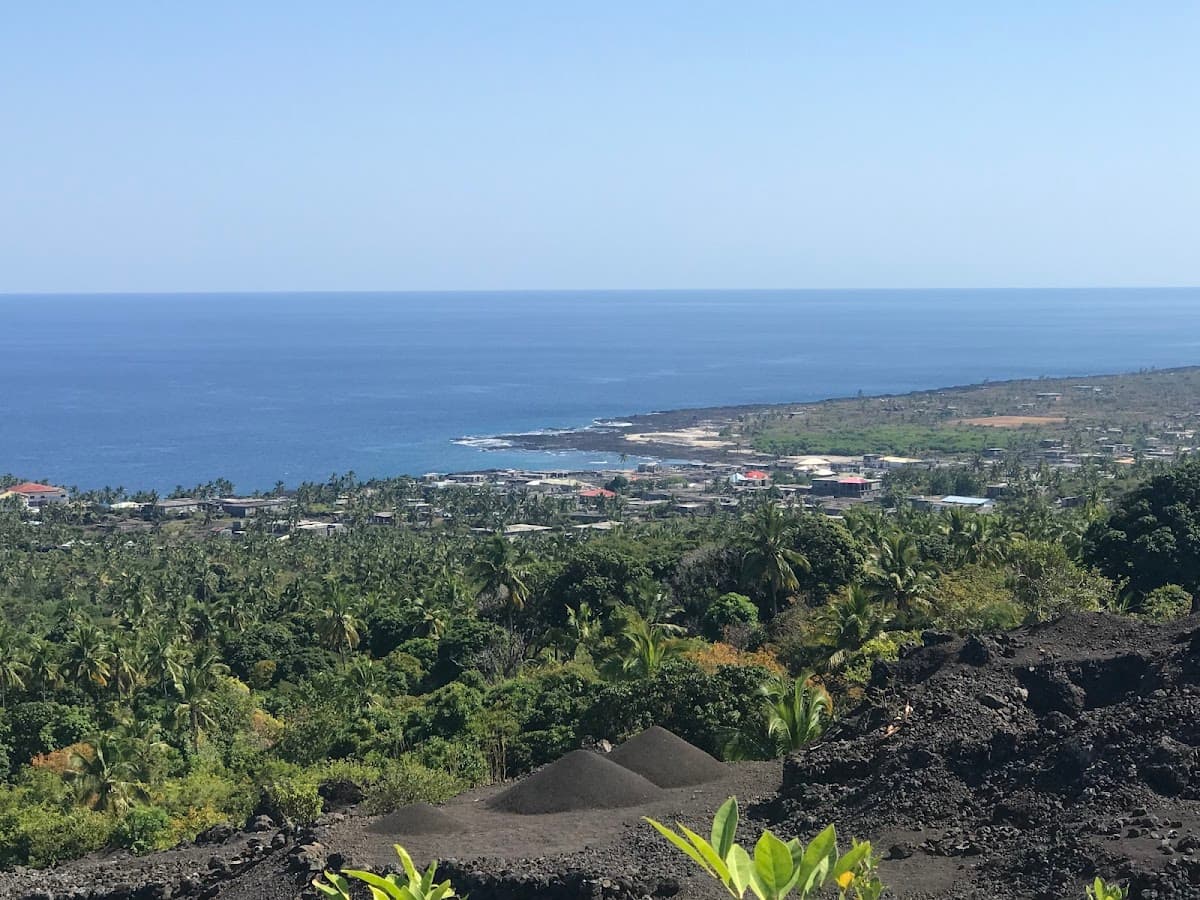
Three volcanic islands rise from the Mozambique Channel like forgotten jewels. The Comoros sit at the crossroads of Africa and Arabia, creating a culture that's unlike anywhere else on the planet. French colonial architecture crumbles gracefully next to mosques. Ylang-ylang plantations perfume the air. And the beaches? They're the kind you'd expect to find packed with tourists, except they're not.
Here's the thing about the Comoros: they're genuinely off the radar. Most travelers can't even point them out on a map. But that's exactly what makes them special. You'll dive with coelacanths, hike active volcanoes, and sleep in villages where your arrival is the most exciting thing to happen all month. The infrastructure is basic, the pace is slow, and the experience is authentic in a way that's increasingly rare.
Local Knowledge
Culture & Context
The Comoros sits at a crossroads that most people never think about. Three volcanic islands in the Indian Ocean, pinched between Mozambique and Madagascar, shaped equally by Arab traders, African Bantu settlers, and a century of French colonial rule. The result is genuinely singular: mosques with carved Swahili doors, women in colorful lesso shawls with white m'sindanu paste on their faces (a traditional sun protection), and ylang-ylang plantations that supply a big chunk of the global perfume industry. Around 98% of the population is Sunni Muslim, and that shapes the rhythm of daily life in real ways. Prayer times matter. Ramadan slows things down considerably. Alcohol is technically legal in tourist contexts but publicly drinking is illegal and will draw serious side-eye at minimum. The language situation is layered too: Comorian (Shikomoro) is what people actually speak at home, but French handles government and business, and Arabic runs through religious life. English gets you basically nowhere outside tourist operations. Politically, the islands have seen more than 20 coups since independence in 1975. Things are calmer now, but "calm" is relative. The Grand Mariage (Dola n'kou) is the cultural event that defines Comorian social life. These are elaborate community-wide wedding celebrations where a groom publicly elevates his bride's social status through gifts, feasting, and music. Couples often save for decades for these. Being invited to one as a visitor is a genuine privilege.
Safety
The US State Department issued a Level 2 advisory for Comoros in January 2026, flagging three specific concerns: health infrastructure gaps, crime, and periodic civil unrest. That's not a reason to cancel, but it is a reason to plan more carefully than you would for, say, Mauritius. Petty crime risk is real, rated at 68/100 by safety indexes, particularly in crowded market areas and near the port. Keep valuables out of sight, carry only the cash you need for the day, and use a crossbody bag. Violent crime is lower at 30/100. Road safety is a genuine hazard. Fatal accidents are common. Drivers don't consistently respect traffic laws, speeding is standard, and pedestrians are not given priority. Avoid driving at night. Street lighting is poor outside central Moroni. Coastal water safety is another real concern. Beaches are unsupervised. Riptides are common. Several drownings occur each year and there's no warning system. Ask locals before swimming anywhere. The ocean here looks inviting and it can be dangerous. Boat travel between islands is common but poorly regulated. Stick to commercially licensed ferry services that have life vests and ship-to-shore communication. Always ask to see the boat before you buy a ticket. Power outages and water shortages happen regularly across all islands. Fuel shortages can disrupt services. LGBTQ+ travelers face real risks: discrimination and harassment are documented, and same-sex relationships are not legally recognized. Public displays of affection are inadvisable for any couple.
Getting Around
Getting in: Prince Said Ibrahim International Airport (IATA: HAH) at Hahaya, about 15km north of Moroni. Kenya Airways, Air Mauritius, Air France, and Ethiopian Airlines serve it, usually with a connection in Nairobi, Paris, or Addis Ababa. The taxi from the airport into Moroni costs around 15-20 euros; locals pay far less, so negotiate before you get in. Getting around Grande Comore: Shared taxis (taxi-brousse) are the default. 300 KMF gets you anywhere within Moroni. For the south coast (Iconi, Selea, Hambou), pick up taxis near Gobadjou. For the north (Mitsamihuli direction), head to Gare du Nord. Minibuses to southern destinations depart from in front of Hotel Karthala in the morning only. If you miss the morning run, you're taking a private taxi. Car rental is available through Medcars, Europcar, Avis, and Thrifty if you want flexibility, but roads vary. The main ring road on Grande Comore is reasonable; secondary roads are not. Getting between islands: The Maria Galanta ferry runs Moroni to Mutsamudu (Anjouan) twice weekly (Thursdays and Sundays from Moroni, Wednesdays and Saturdays returning) for €36 one way, 5 hours. Mohéli costs around $30 by ferry, 3 hours. Domestic flights with AB Aviation run $50-100 per leg but have a real reputation for cancellations. Book inter-island transport early and build in buffer days, especially near the Grand Mariage season when boats fill fast. Honest note: boat safety standards are poorly regulated. Use only commercially licensed ferry services with proper safety equipment. Ask your operator directly before booking. Power outages and fuel shortages are not unusual and can disrupt schedules unpredictably.
Useful Phrases
Hello (general greeting, works everywhere)
Good morning
Good afternoon
Good evening
Thank you
Thank you very much
Goodbye
Hey / Hi (casual, informal greeting)
Local Customs
- •Greetings are non-negotiable. Skipping a proper greeting before asking for directions or making a purchase is considered rude. Always stop, say hello, ask how someone's day is going.
- •Dress conservatively, especially on Grande Comore and Anjouan. Women should cover shoulders and knees in towns and villages. Moroni's medina is not the place for beachwear.
- •Alcohol consumption in public is illegal. Fines and possible imprisonment are real outcomes. Stick to your hotel or the handful of spots known to serve drinks discreetly.
- •Do not display affection between couples in public. Even hand-holding can attract negative attention.
- •The Grand Mariage season runs July through October. If you're anywhere near a village celebration, expect roads to be blocked, music at all hours, and an open invitation to watch. Respect the space and follow a local's lead on whether to step closer.
- •Friday is the main prayer day. Government offices and many businesses close or shorten hours. Plan accordingly.
- •Women traveling alone may encounter verbal harassment. It's not dangerous in the violent sense, but it's persistent. Dressing conservatively and walking with purpose helps.
- •Shoes off before entering homes and mosques. Always. No exceptions.
- •The concept of time here is loose. 'One hour' often means two or three. Build significant buffer into any schedule involving boats, buses, or local guides.
Itineraries coming soon
We're working on adding amazing itineraries for Comoros Islands. In the meantime, try the app to create your own!
Money-Saving Tips
- 1.Bring euros in cash – credit cards barely work outside major hotels, and ATMs are unreliable
- 2.Negotiate taxi fares before getting in – meters don't exist and tourist prices are inflated
- 3.Buy fruit and snacks at local markets instead of hotel shops to save 50-70%
- 4.Book inter-island flights in person at AB Aviation's office for better prices than calling
- 5.Stay in village guesthouses instead of hotels to cut accommodation costs in half
- 6.Eat at local restaurants rather than hotel dining rooms – the food is better and costs 1/3 the price
Travel Tips
- •Learn basic French phrases – English is rare outside the tourism industry
- •Pack reef-safe sunscreen as it's impossible to buy locally and the coral needs protection
- •Bring a good flashlight – power outages are common, especially on smaller islands
- •Download offline maps before arriving – internet is spotty and GPS doesn't always work
- •Respect local customs by dressing modestly, especially when visiting villages and mosques
- •Allow extra time for everything – island time is real and schedules are suggestions
- •Bring cash for the airport departure tax (about $20) – they don't always accept cards
Frequently Asked Questions
Explore Comoros Islands
Ready to explore Comoros Islands?
Get a personalized itinerary in seconds with Takeoff.
Free on iOS. No credit card required.