Cascais
Culture & Context
ROYAL RIVIERA ROOTS
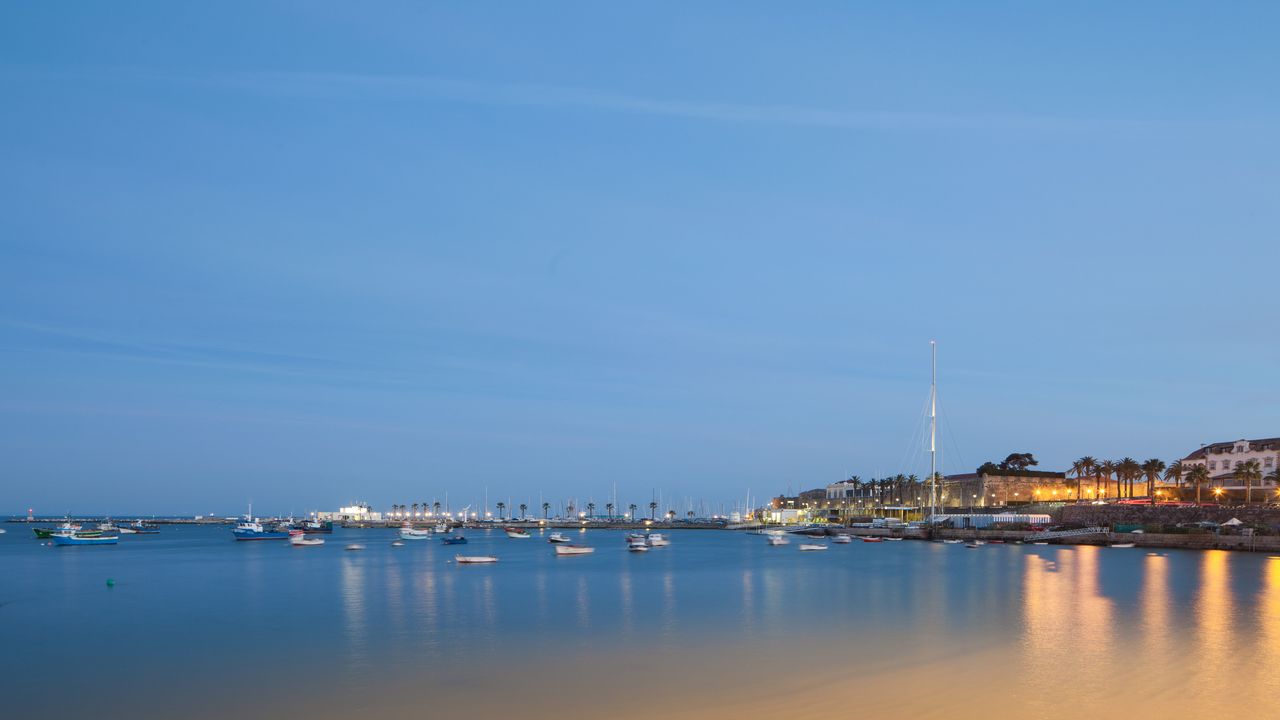
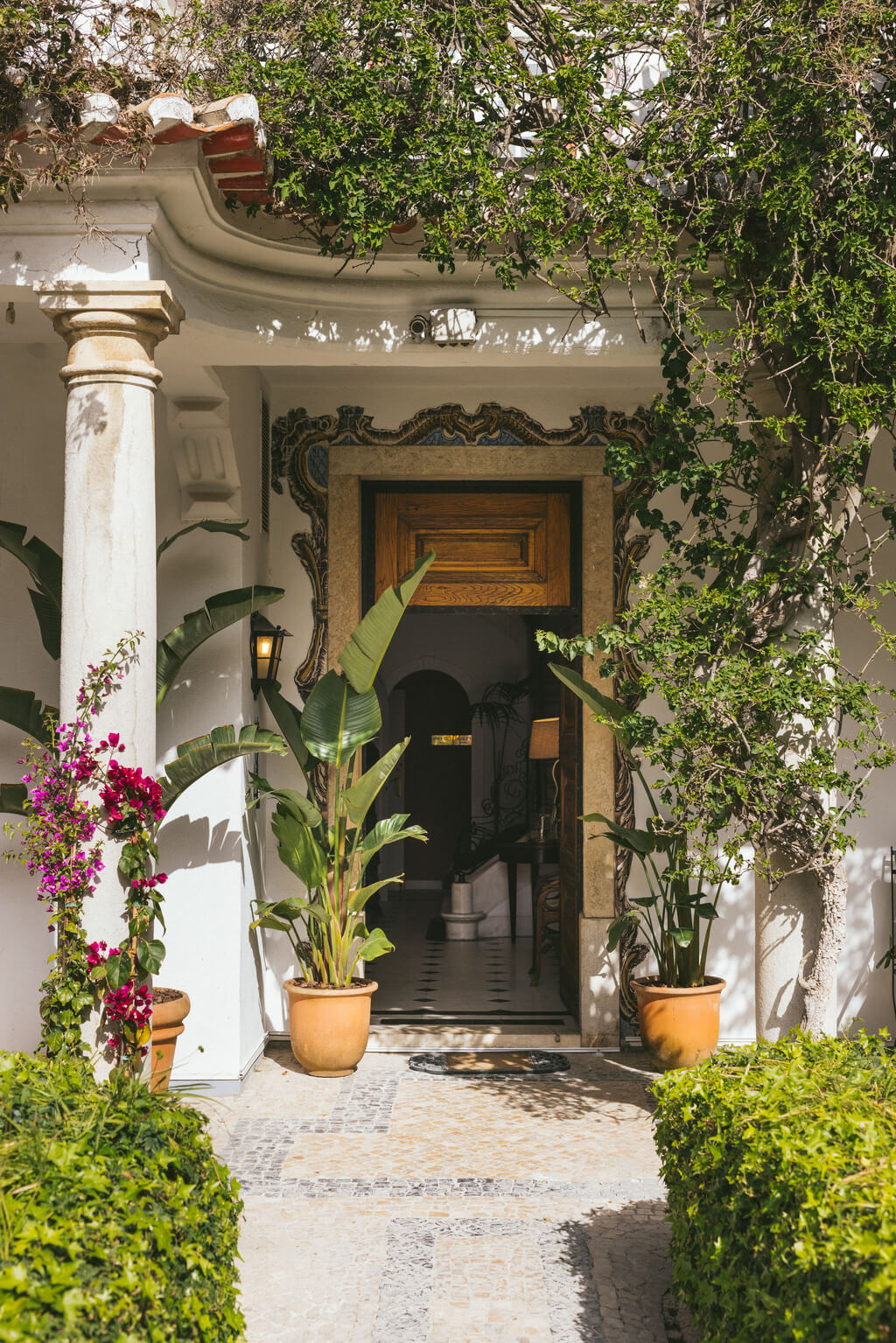
Cascais (pronounced "kush-kyesh") earned its cosmopolitan DNA the hard way. King Luís I declared it his summer retreat in the late 1800s, and the Portuguese nobility followed. That royal patronage left behind elegant 19th-century mansions lining cobbled pedestrian streets you still walk today. Then World War II happened. Portugal stayed neutral, which made Cascais a magnet for exiled European monarchs, aristocrats, and international spies — Ian Fleming reportedly drew inspiration for Casino Royale from the nearby Estoril Palácio Hotel. The town's name literally traces back to the Roman word "Cascale," meaning a pile of seashells. That fishing-village origin still peeks through the whitewashed facades and sardine restaurants. Today Cascais walks a confident line between beach resort and cultural town — less gritty than Lisbon, more grounded than the Algarve. It's pricier and more polished than most Portuguese coastal stops, but it earns it. The expat community is substantial, international schools are everywhere, and the President of Portugal actually lives here. In 2026, Cascais holds the title of European Capital of Democracy, which means more conferences, summits, and cultural programming than usual throughout the year.
cultural_context_headline: ROYAL RIVIERA ROOTS
Local Customs
Greet before you ask — always say 'bom dia', 'boa tarde', or 'boa noite' when entering a shop, approaching a waiter, or starting any conversation.
Skipping the greeting feels abrupt to locals, even in tourist-heavy spots.. Two kisses, right cheek first — women greet each other (and sometimes men) with two kisses starting on the right.
Men shake hands unless they're close friends. Don't initiate the cheek kiss unless the local goes for it first.. Don't speak Spanish — locals understand it but don't appreciate the assumption.
English is widely spoken in Cascais tourist areas. A few words of Portuguese goes much further than defaulting to Spanish.. Tipping is optional, not expected — locals typically round up the bill or leave small change.
A 10% tip at restaurants is considered generous and appreciated; don't feel obligated to tip bars or taxi drivers unless the service was exceptional.. The cover charge is real — bread, olives, and butter that appear on your table aren't free. If you eat them, you'll be charged (usually €1-3 per person).
If you don't want them, you can send them back, no offense taken.. Patience at mealtimes — lunch runs from about 1pm-3pm, dinner from 8pm onwards. Don't rush.
Meals are social events here. The bill won't arrive until you ask for it ('a conta, por favor'). Meals at family restaurants can easily stretch to 2-3 hours..
Respect the beach dress code in town — beachwear (bare torsos, bikinis) is appropriate at the beach but looks out of place and is genuinely unwelcome inside restaurants, shops, and especially churches.. Public drinking rules — alcohol in public spaces like streets and parks is technically prohibited except during sanctioned events. Stick to bars, restaurants, and designated festival areas.
Safety
GENUINELY SAFE TOWN
Portugal ranks 7th in the 2025 Global Peace Index, and Cascais specifically is considered one of the safest places in the country — popular with diplomatic families and expats with children precisely because of its low crime record. Violent crime is rare. The main risks are the usual: pickpocketing at crowded beach areas and tourist spots, and the occasional bag snatch. Keep an eye on belongings at Boca do Inferno and beachfront parking areas, as thieves have been known to target rental cars at scenic spots. On the Lisbon-Cascais train during summer, there are occasional reports of youth gangs targeting tourists, though authorities have increased patrols. One area to approach with more caution after dark is Bairro da Torre. Otherwise, walking at night around the historic center, marina, and beachfront promenade is fine. There's a tourist police station in Cascais specifically for international visitors. Emergency number: 112.
safety_headline: GENUINELY SAFE TOWN
Getting Around
TRAIN FROM LISBON
Getting here from Lisbon is almost absurdly easy. The direct train from Cais do Sodré station takes 33-40 minutes and costs €2.55 single / €5.10 return. Sit on the left (south-facing) side of the carriage departing Lisbon — the coastal views are genuinely worth it. In summer the train gets packed, especially on weekends. The Lisboa Card covers this journey and saves you queuing for tickets. From Lisbon Airport, take the red metro line and change to the green line at Alameda station (€1.80 on a Navegante card, plus €0.50 for the card itself), then board at Cais do Sodré. An Uber or Bolt from Lisbon costs around €28 for up to four people, door to door.
Once in Cascais, the historic center is compact and very walkable. The mile-long Paredão promenade connects Cascais to Estoril on foot — flat, scenic, highly recommended. Buses connect to Sintra (Bus 403, under an hour), Guincho Beach, and surrounding neighborhoods. Bike rentals run around €10/day. For Cabo da Roca (westernmost point of mainland Europe), Bus 403 also passes through (€3.75 single from Sintra). Parking in the center is limited and paid — most visitors don't bother with a car in town.
transport_headline: TRAIN FROM LISBON
Useful Phrases
Where to Stay in Cascais
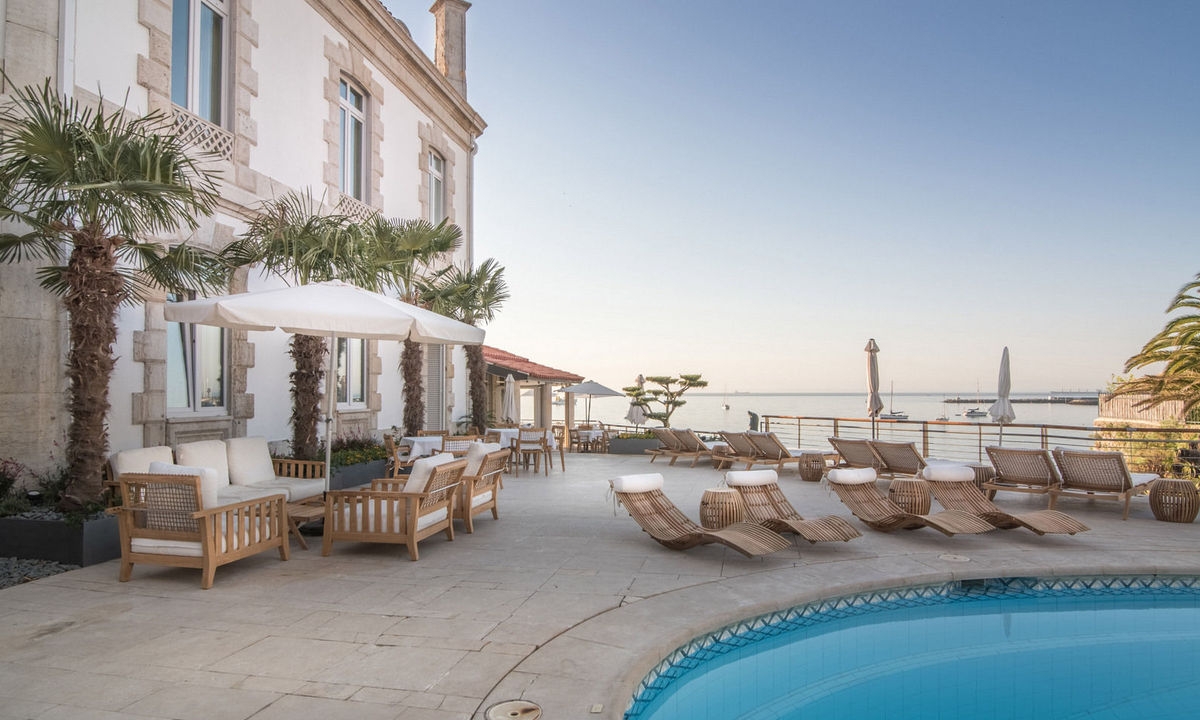
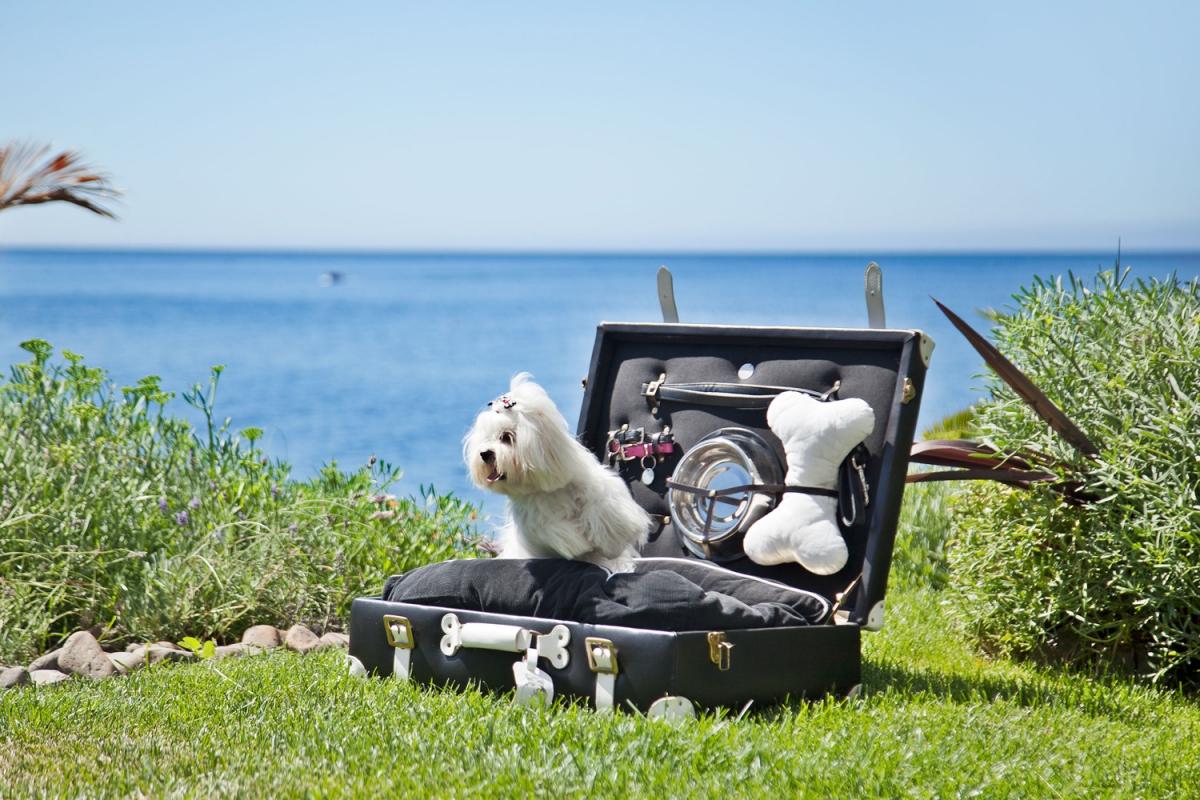
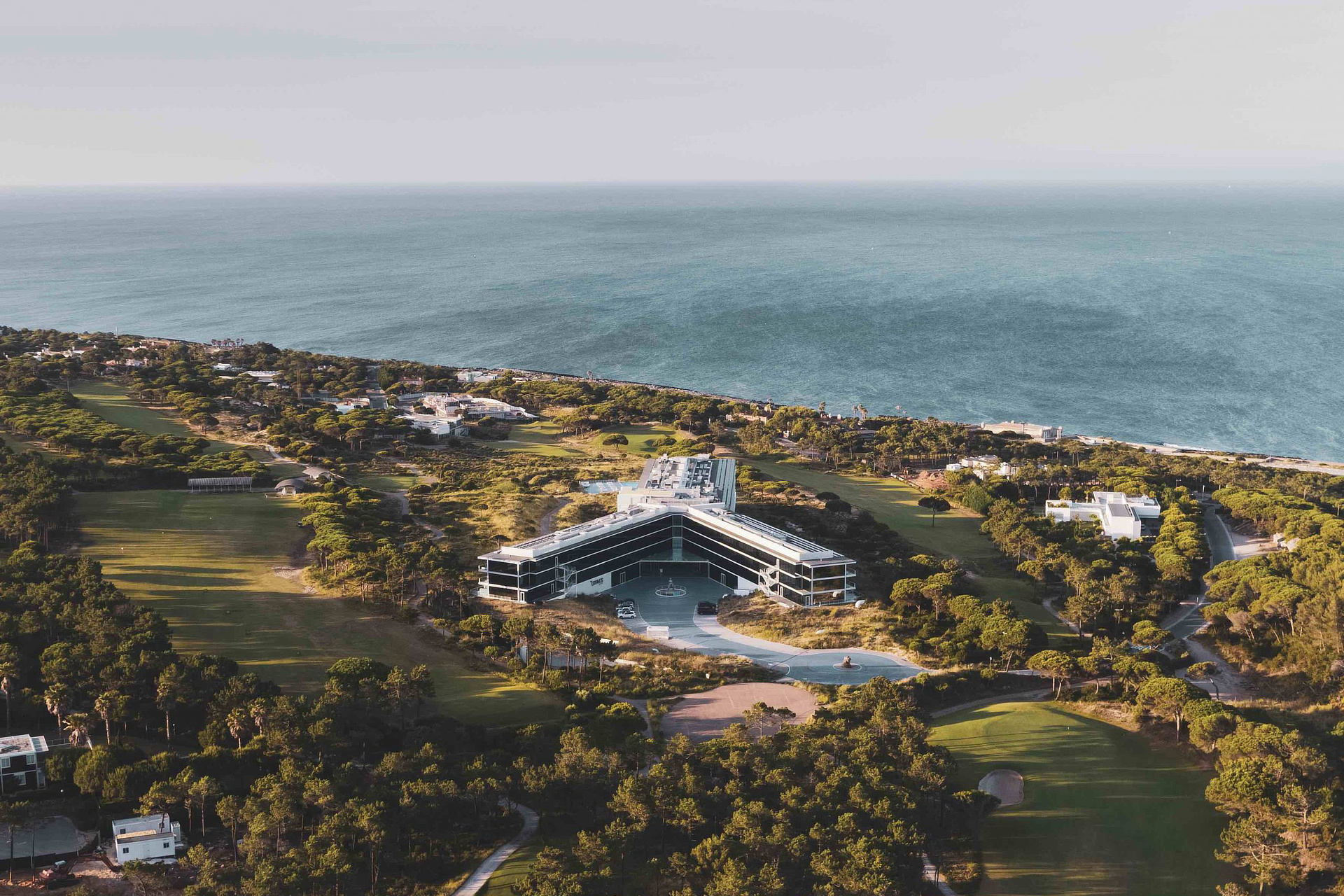
9 recommended properties