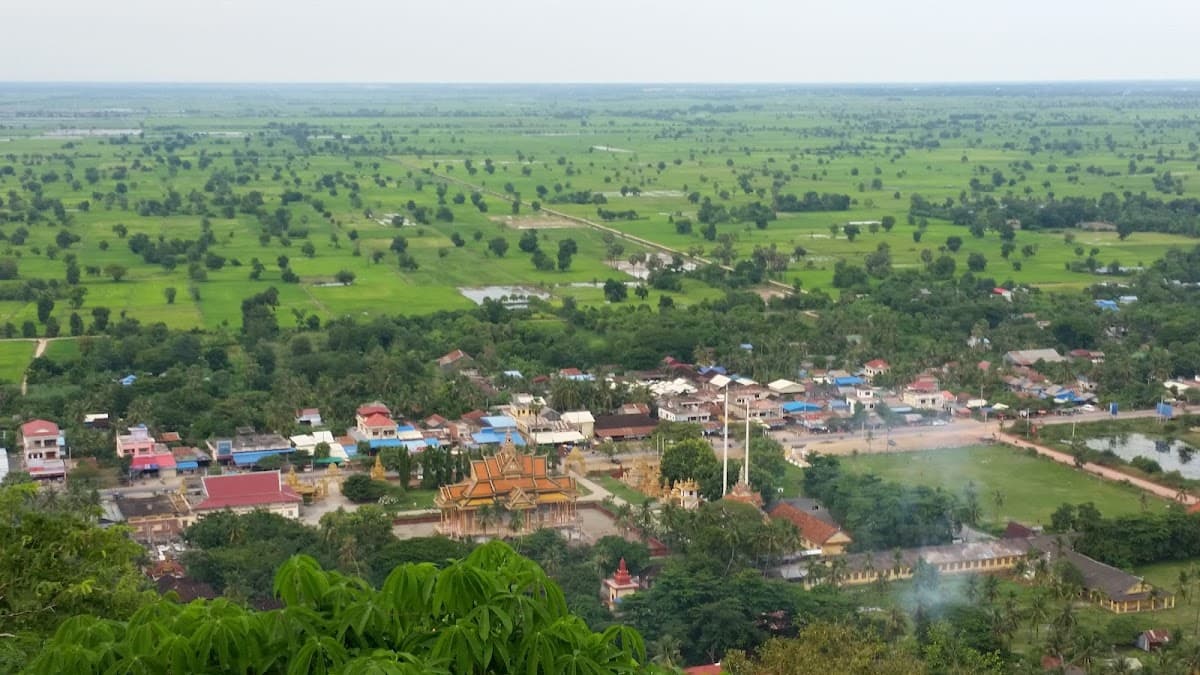
Battambang
Cambodia's Cultural Heart Beyond the Tourist Trail
Look, everyone heads straight to Siem Reap or Phnom Penh. But here's what they're missing: Battambang is where Cambodia's real cultural heart beats. This riverside city in the northwest feels like stepping into a living museum — minus the tour buses and inflated prices. French colonial shophouses line the streets, local artists work in converted warehouses, and the famous bamboo train still clatters through rice paddies like it has for decades. You'll find authentic Khmer cooking classes, temple ruins with zero crowds, and some of the friendliest locals in Southeast Asia. The pace here is deliciously slow, perfect for travelers who want to dig deeper than the typical Cambodia highlights reel.
Local Knowledge
Culture & Context
Battambang is Cambodia's second-largest city, but don't let that fool you into expecting urban chaos. The place feels like a French provincial town that somehow ended up in Southeast Asia and decided to stay. Streets are lined with faded pastel shophouses from the colonial era. The central market runs on a human frequency. No megaphones, no tour group announcements. Just Khmer commerce with the occasional French loanword. The name translates to "lost stick," which comes from a local legend about a cowherd with a magical staff who overthrew a king. That kind of mythology is baked into the city's identity. Battambang was also historically more Thai than Cambodian, governed by the Baen family under Bangkok's orbit until the French returned it to Cambodia in 1907. That complicated history shows in the architecture, the food, and a certain self-sufficient stubbornness that distinguishes it from Phnom Penh or Siem Reap. The arts scene here is genuine. Phare Ponleu Selpak, founded in 1994 to support children traumatized by war and poverty, has grown into one of Southeast Asia's most respected performing arts organizations. The circus performers train here. The muralists come here. Battambang is Cambodia's arts capital not because someone decided to rebrand it, but because the community built it that way from the ground up. The surrounding province is Cambodia's rice bowl. The local oranges are famous nationwide. The kroeung (curry paste base) made here has a depth that Cambodian chefs genuinely respect. That agricultural abundance flows directly into the food, which many consider the best in the country.
Safety
Battambang city itself is one of Cambodia's more relaxed and safe destinations. Violent crime against tourists is rare. The main risks are tuk-tuk overcharging (agree on price before boarding), petty theft in crowded markets (watch bags and pockets at Psar Nat), and counterfeit riel notes as change from some market vendors. Here's the critical 2026 safety issue: do NOT travel within 50 kilometers of the Cambodia-Thailand border in Battambang province. Armed conflict broke out between Cambodian and Thai forces in July 2025, resumed in December 2025, and a ceasefire has been in effect since December 27, 2025. As of early 2026, the situation remains volatile. The US Embassy, Australian Smartraveller, and other major government advisories all advise against travel within 50km of the border. Landmines remain a hazard in remote border-adjacent areas. Battambang city center is well away from the conflict zone and continues to operate normally, but don't attempt any travel toward Pailin or areas near the Thai border until the situation stabilizes and advisories are lifted. Check government travel advisory updates before your trip. Other standard precautions: carry a copy of your passport, not the original. Use mosquito repellent (dengue is present). Stay hydrated. Drink bottled water. If you get sick, Battambang has pharmacies throughout the center and several hospitals, though serious medical issues warrant evacuation to Phnom Penh or Bangkok.
Getting Around
Getting to Battambang: Buses from Siem Reap run 3-4 hours and cost $5-8. From Phnom Penh expect 5-6 hours and $8-12. Mekong Express VIP minivans are worth the extra few dollars for comfort on longer routes. The scenic river boat from Siem Reap (via the Sangker River) is extraordinary but only operates during wet season, roughly September through February. It takes 6-8 hours and costs around $20. Worth every minute if the season works. The Battambang airport is currently closed for renovations as of 2024-2026. The nearest operational international airport is Siem Reap, four hours away by road. One critical note: land border crossings between Cambodia and Thailand are currently closed due to the 2025 border conflict. The classic Bangkok-to-Siem Reap overland route via Poipet no longer works. If combining Thailand and Cambodia in one trip, fly between Bangkok and Phnom Penh or Siem Reap. Getting around the city: Tuk-tuks cost about $1-2 for short hops within the center. Negotiate the fare before you get in. For countryside excursions (bamboo train, bat caves, Wat Banan), hiring a tuk-tuk for a full day runs $18-25 depending on the driver's English and guiding skills. Bicycle rental from Soksabike on Street 1.5 costs $2/day for a regular bike, $5 for a mountain bike. Motorbike rental from Gecko Cafe runs $7/day (half day $5), helmet included. The Grab app works in Battambang for two-person tuk-tuks, though cash only.
Useful Phrases
Hello / Hi. The informal, everyday greeting. Use this with shopkeepers, tuk-tuk drivers, anyone really. It gets smiles every time.
Formal hello. Pair it with a slight bow or the sampeah gesture (hands pressed together at chest level). Use this with monks, elders, or anyone you want to show respect to.
Thank you. Short, easy to remember, and universally appreciated. Say it when paying for anything.
How much does it cost? Essential for markets and tuk-tuk negotiations. Locals appreciate the effort even if they respond in English.
Sorry / Excuse me. Useful in crowded markets or when squeezing past people. Goes a long way in a culture that values politeness.
I don't understand. Better than staring blankly. Cambodians are patient with language-struggling tourists.
Local Customs
- •Greet people with the sampeah: hands pressed together at chest height, slight bow. It's not required from tourists, but doing it correctly earns visible respect, especially with monks or older locals.
- •Use both hands when paying, handing over documents, or receiving anything from someone senior to you. Single-handed transactions can read as dismissive.
- •Never touch anyone's head. The head is considered the most sacred part of the body in Khmer culture. This applies especially to children, which goes against Western instincts.
- •Don't point your feet at people or at religious objects. When sitting on the floor of a temple, tuck your feet behind you or to the side.
- •Cover shoulders and knees at all temples. A lightweight scarf (about $1 from market stalls) works fine as a sarong. Some temples will turn you away without it.
- •Ask permission before photographing monks or locals, especially during religious ceremonies. At Phnom Sampeau and the Killing Caves, keep cameras respectful. These are memorial sites, not backdrops.
- •Don't accept card game invitations from friendly strangers. It's a well-documented scam. Same with anyone who approaches and says a temple is 'closed today' but they know somewhere better.
Itineraries coming soon
We're working on adding amazing itineraries for Battambang. In the meantime, try the app to create your own!
Money-Saving Tips
- 1.Eat at local markets instead of riverside restaurants — same food, half the price
- 2.Rent a bicycle for $2/day rather than hiring tuk-tuks for every trip
- 3.Book guesthouses directly to avoid booking platform commissions
- 4.Buy snacks and water at local shops, not tourist areas where prices double
- 5.Negotiate tuk-tuk prices before getting in — standard rate is $1-2 for short rides
- 6.Visit temples independently rather than joining organized tours to save $10-15 per day
Travel Tips
- •Download offline maps — WiFi can be spotty outside the city center
- •Bring sunscreen and a hat — the sun is intense even in cool season
- •Learn basic Khmer greetings — locals appreciate the effort and you'll get better service
- •Carry small bills — many places can't break large notes
- •Respect temple dress codes — cover shoulders and knees or rent a sarong at entrance
- •Book the bamboo train early in your trip in case of weather delays
- •Keep copies of your passport — some guesthouses hold originals as collateral
Frequently Asked Questions
Explore Battambang
Ready to explore Battambang?
Get a personalized itinerary in seconds with Takeoff.
Free on iOS. No credit card required.