Basel
Culture & Context
CULTURAL CAPITAL OF SWITZERLAND — ART, PHARMA & CARNIVAL
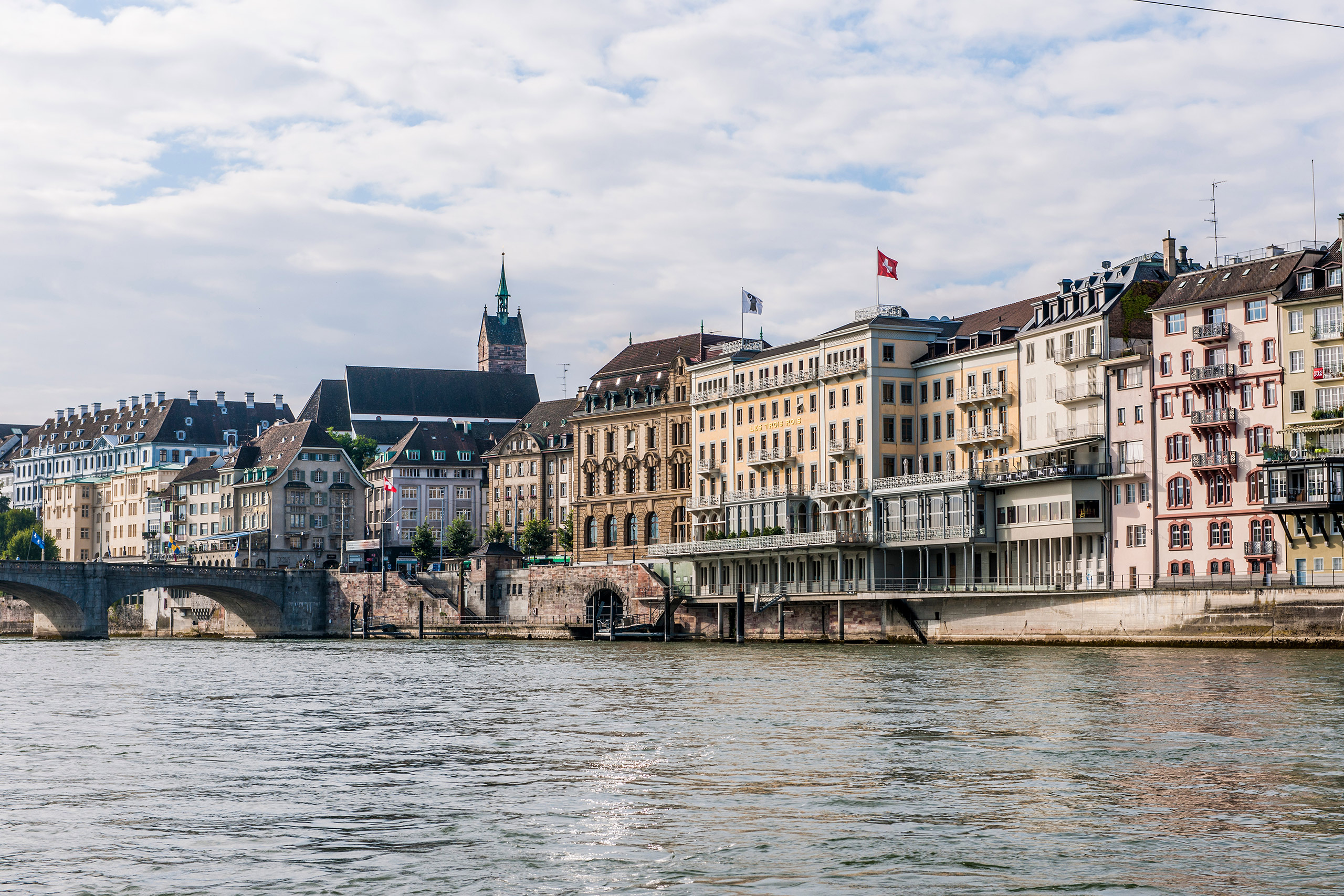
Basel sits at the exact point where Switzerland, France, and Germany meet — and it acts like it. The city is home to nearly 40 museums (more per capita than almost anywhere in Europe), hosts Art Basel every June (the world's most important contemporary art fair), and goes completely unhinged for three days every February during Fasnacht. That carnival is UNESCO-listed, starts at 4am on the Monday after Ash Wednesday with total darkness and a single drumbeat, and shuts down the whole city. Locals take it very seriously.
Intellectually, Basel has credentials: Switzerland's oldest university (founded 1460), Erasmus is buried here, and Holbein the Younger did some of his best work in the city. Today, global pharma giants Novartis and Roche tower over the Rhine skyline. So yes, you'll find world-class art next to serious science. That combination gives Basel a rare mix of money, taste, and edge. It's not Geneva's diplomatic cool or Zurich's finance swagger — Basel is sharper, stranger, and genuinely more interesting.
cultural_context_headline: ART MEETS CARNIVAL
Local Customs
Punctuality is non-negotiable.
Being late without notice is considered genuinely rude. Show up on time or message ahead — this applies to dinner reservations, guided tours, and social plans alike..
Quiet hours are enforced. Residential areas observe silence between 10pm and 7am, and don't even think about running a washing machine on Sunday. Swiss neighbors will notice, and they will say something..
Greet everyone. Say 'Grüezi' when entering a small shop, café, or when making eye contact with tram staff. Ignoring locals who greet you is considered poor form.
A short 'Uf Wiederluege' (goodbye) when leaving is equally appreciated.. Littering gets you fined. Switzerland takes cleanliness seriously — Basel is no exception.
Use the bins, separate your recycling, and don't leave anything on trams.. During Fasnacht (Carnival), watch but don't touch. Visitors are welcome everywhere, but never grab a performer's costume, interfere with lantern processions, or block the Morgestraich march.
The locals will not find it charming.. Tipping is not mandatory — service charges are included in Swiss restaurant bills. Rounding up or adding 5–10% for genuinely good service is appreciated but never expected..
Dress neatly. Basel leans smart casual in daily life. Overly ripped or beach-style clothing in the city center reads as sloppy to locals, not relaxed..
Many expats shop across the border in Germany or France for bulk groceries — it's socially normal and saves 30–50% on food costs.
Safety
Basel is a genuinely low-risk destination.
Switzerland carries a US Level 1 travel advisory — the safest possible rating — and serious violent crime is rare. The city center, museum district, and Rhinefront are busy, well-lit, and easy to navigate at all hours.
That said, a few honest caveats. Kleinbasel — the north side of the Rhine — has a visible drug scene along certain stretches of the waterfront, particularly around Claraplatz, Kaserne, and Unterer Rheinweg after dark. You won't stumble into serious trouble, but it's worth knowing. Petty theft, especially at Basel SBB station and during busy events like Art Basel week, is the most common tourist concern. Keep your bag in front of you on crowded trams and at the station.
Basel-City canton actually records the highest crime rate per capita in Switzerland, but that figure is heavily skewed by its border-city geography and urban density — not by genuinely dangerous conditions for tourists. The practical reality: stay street-aware at night, don't leave luggage unattended, and you'll be fine. Most visitors find it calmer than they expected.
safety_headline: VERY SAFE, NIGHT AWARENESS
Getting Around
TRAMS ARE EVERYTHING — THE BASELCARD IS YOUR BEST FRIEND
Basel's green and yellow trams are the backbone of the city, and they're excellent. The BVB network (Basler Verkehrs-Betriebe) runs under the TNW fare system, meaning one ticket works across trams, buses, and local SBB trains. Trams come every 7–15 minutes on most routes. A single ticket costs CHF 1.80–2.60; a day pass is CHF 8.
Here's the key tip: every hotel, hostel, B&B, and Airbnb in Basel gives you a free BaselCard at check-in. This covers unlimited public transport within Zone 10 for your entire stay, plus 50% off museum entry, zoo tickets, and other attractions. Don't lose it. It also includes the Rhine ferry boats (Fähri), which cross the river powered entirely by the current — a genuinely lovely way to cross.
Tram line 8 crosses directly into Weil am Rhein, Germany. Line 11 connects to the French border at Saint-Louis. If you want to explore all three countries in one day, the TriRegio day ticket covers transport across the border triangle.
The Old Town is very walkable. Most central attractions are within 15 minutes on foot from Barfüsserplatz. Watch out for trams — they're quiet and come from multiple directions, especially in front of Basel SBB station. And always buy your ticket before boarding; Swiss inspectors do check, and fines are steep.
transport_headline: TRAMS & BASELCARD
Useful Phrases
Where to Stay in Basel
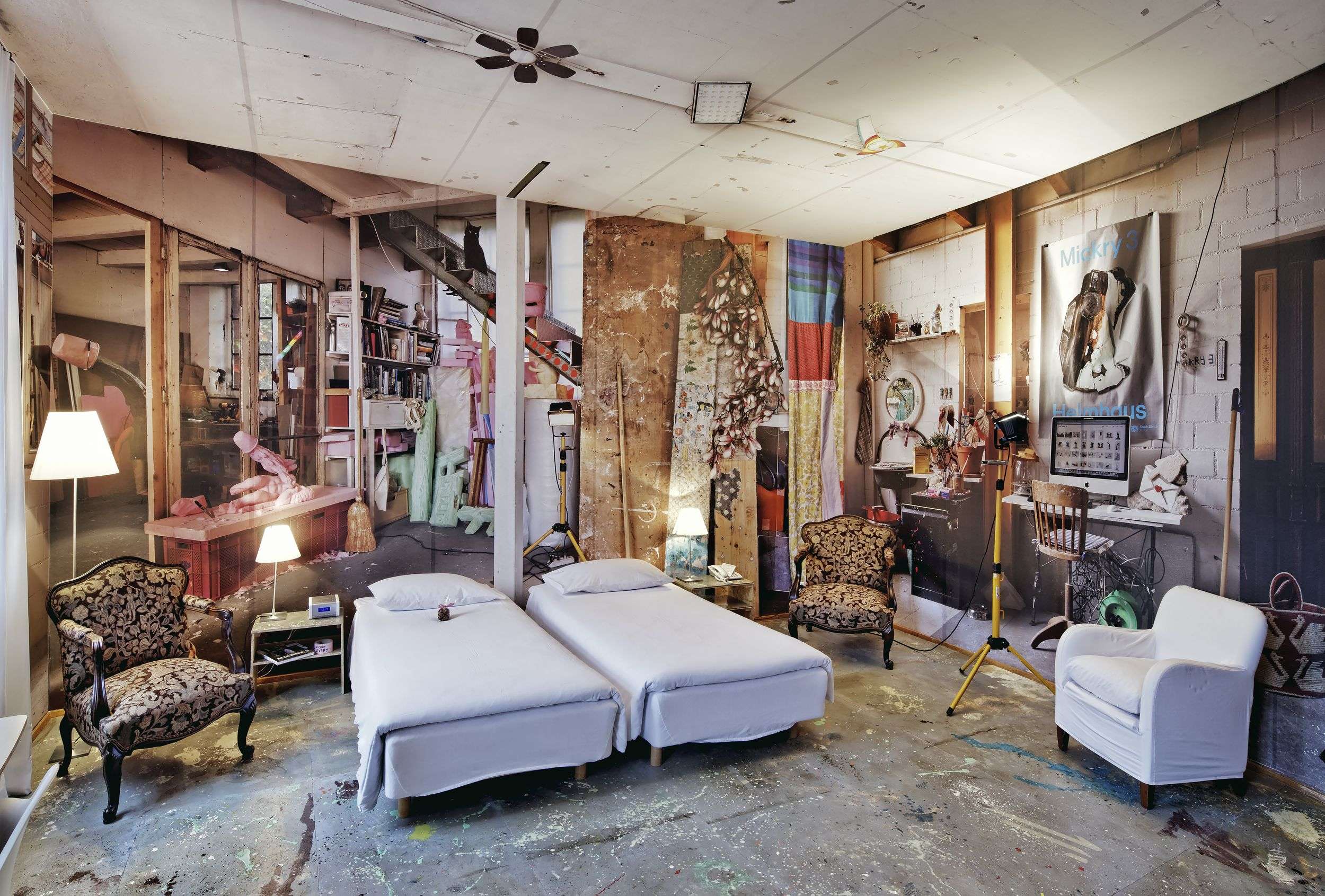
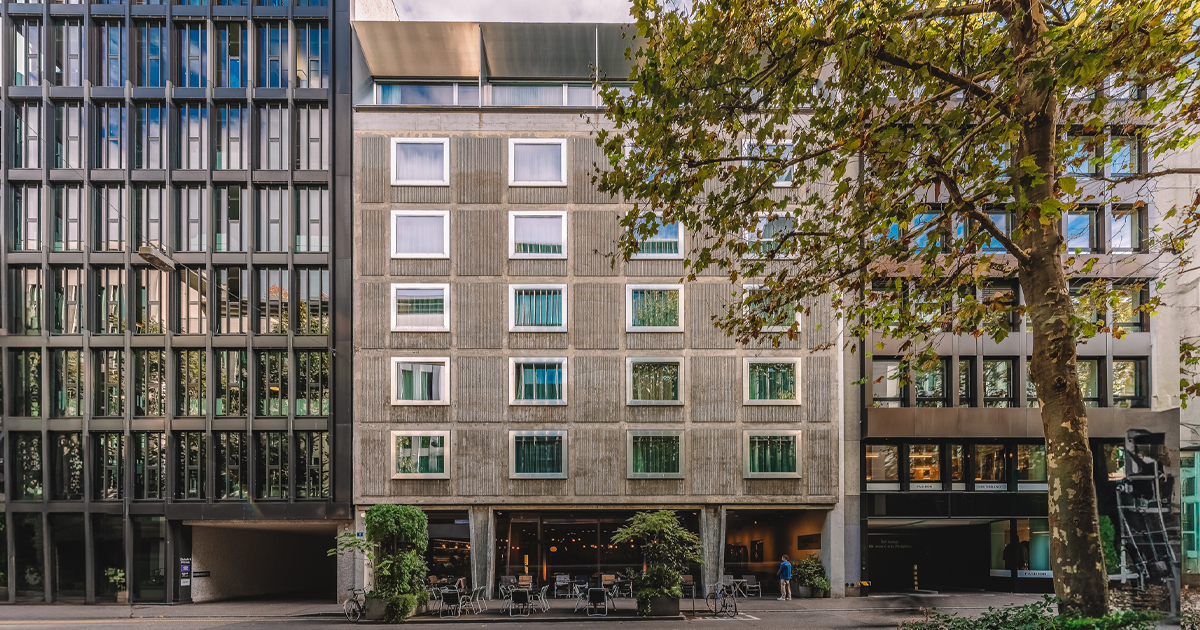
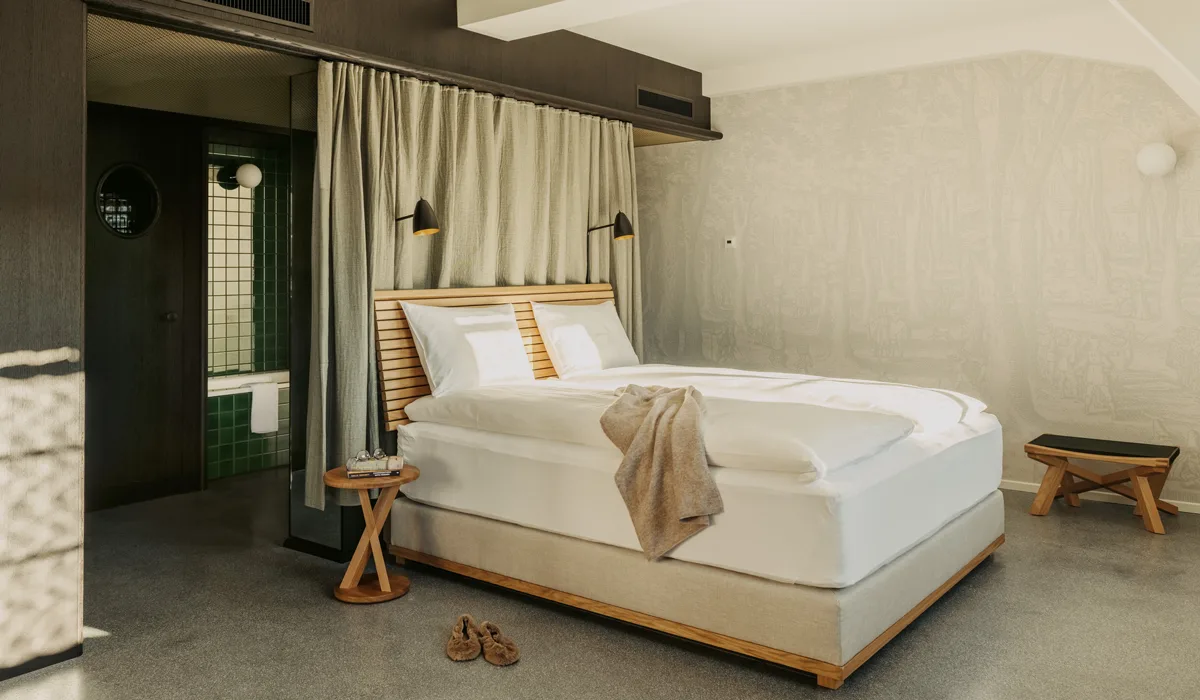
7 recommended properties