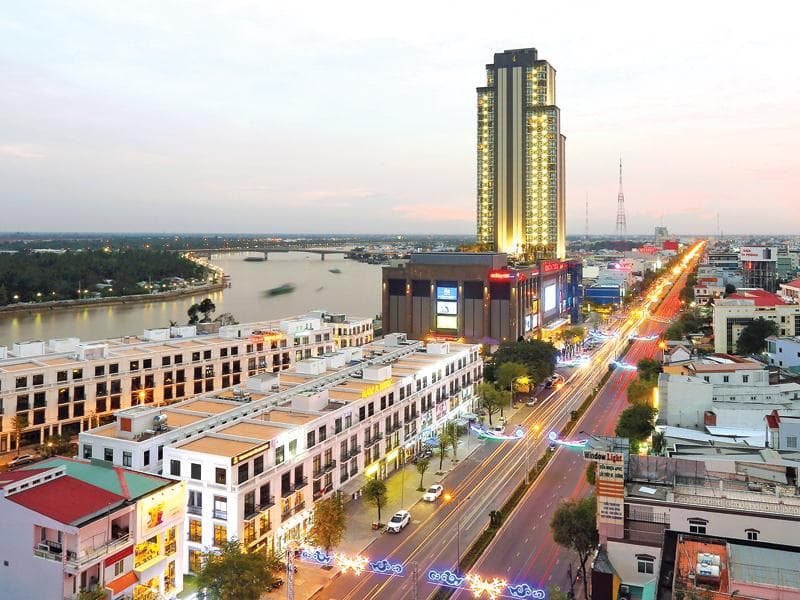
Mekong Delta
Floating markets and rice paddies in Vietnam's fertile heartland
The Mekong Delta sprawls across southwestern Vietnam like a giant green maze of waterways, rice paddies, and floating markets. This is Vietnam's rice bowl, where life moves at the rhythm of the river and vendors paddle their boats loaded with dragon fruit and fresh noodles. You'll drift through narrow canals past stilted houses, sample pho at dawn markets, and watch farmers tend paddies that stretch to the horizon. It's not the Vietnam of Instagram - it's better. Real, unhurried, and surprisingly affordable.
Itineraries coming soon
We're working on adding amazing itineraries for Mekong Delta. In the meantime, try the app to create your own!
Money-Saving Tips
- 1.Rent motorbikes directly from guesthouses to avoid tourist markup - expect 80,000-100,000 dong per day
- 2.Eat at local markets instead of tourist restaurants - a full meal costs 30,000-50,000 dong vs 150,000+ at hotel restaurants
- 3.Book floating market tours through your accommodation, not street touts who charge double
- 4.Buy fruit directly from orchards during boat trips - prices are 50% less than in tourist areas
- 5.Stay in Can Tho's backpacker district near Ninh Kieu Wharf for budget beds under 200,000 dong
- 6.Take local buses between towns (20,000-40,000 dong) instead of tourist minivans (100,000+ dong)
- 7.Negotiate boat trips directly with captains at the dock - group rates start around 200,000 dong per person
- 8.Visit during shoulder season (November, May) for 30% lower accommodation rates
Travel Tips
- •Wake up before 6 AM for floating markets - the action dies down by 9 AM when tour groups arrive
- •Bring cash - ATMs are scarce in rural areas and many places don't accept cards
- •Pack insect repellent and long sleeves for evening boat trips - mosquitoes are relentless
- •Learn basic Vietnamese numbers for market haggling - vendors appreciate the effort
- •Book homestays in advance during dry season - the best family-run places fill up quickly
- •Carry a waterproof bag for your phone and camera during boat trips
- •Try local specialties like hu tieu My Tho and banh xeo at market stalls, not hotel restaurants
- •Respect local customs at temples and pagodas - cover shoulders and remove shoes
- •Download offline maps - cell service can be spotty in remote canal areas
- •Start early to beat the heat - afternoons can be scorching, especially on open boats
Frequently Asked Questions
Explore Mekong Delta
Ready to explore Mekong Delta?
Get a personalized itinerary in seconds with Takeoff.
Free on iOS. No credit card required.