Pamukkale
Surreal white terraces and ancient ruins in Turkey
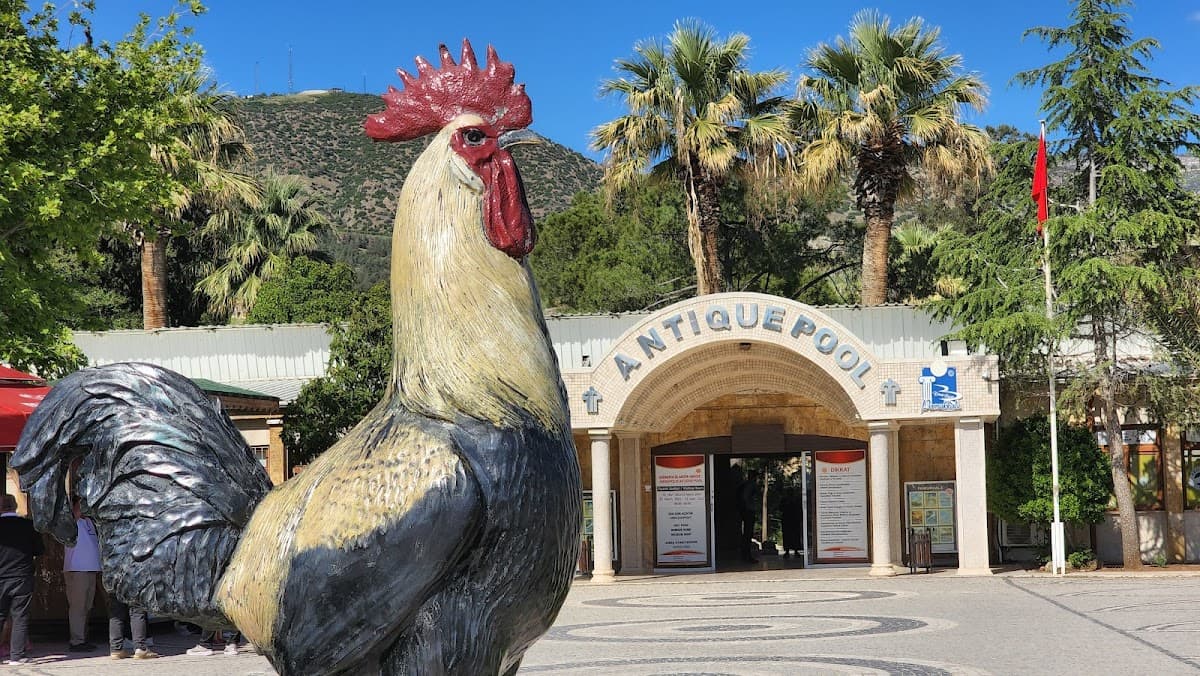
Look, nothing really prepares you for Pamukkale. You've seen the photos of those white terraces cascading down the hillside like frozen waterfalls, but standing there in person feels like stepping onto another planet. The calcium carbonate deposits have been building these formations for millennia, creating what locals call the "Cotton Castle." But here's what the postcards don't show you: this isn't just about Instagram shots. The thermal pools have been drawing people here since Roman times, when they built the city of Hierapolis right on top. Today, you can soak in the same mineral-rich waters that once relaxed ancient emperors, then explore remarkably preserved ruins that most people skip. And the best part? Your wallet won't hate you for it.
Itineraries coming soon
We're working on adding amazing itineraries for Pamukkale. In the meantime, try the app to create your own!
Money-Saving Tips
- 1.Entry tickets cost 200 TL but are valid for the entire day – arrive early and return for sunset
- 2.Cleopatra's Pool charges an additional 200 TL, but regular thermal pools are included in admission
- 3.Pack lunch from Pamukkale village – site food is overpriced and limited
- 4.Stay in Pamukkale village rather than thermal hotels to save 50-70% on accommodation
- 5.Take dolmuş buses instead of taxis – they cost 15 TL vs 100+ TL for the same journey
- 6.Buy water before entering the site – bottles inside cost 3x normal price
- 7.Visit during shoulder seasons (April-May, September-November) for lower hotel rates
Travel Tips
- •Wear shoes with good grip – the wet terraces are extremely slippery
- •Bring a towel if you plan to enter any thermal pools
- •Start at sunrise for the best photos and fewer crowds
- •Download offline maps – cell service can be spotty in some areas
- •Respect the roped-off areas – they're protecting fragile formations that take centuries to form
- •Plan 4-5 hours minimum to see both the terraces and Hierapolis ruins properly
- •Check weather conditions – strong winds can make the terraces uncomfortable
- •Bring layers – mornings can be cool even in summer due to elevation
Frequently Asked Questions
Explore Pamukkale
Ready to explore Pamukkale?
Get a personalized itinerary in seconds with Takeoff.
Free on iOS. No credit card required.