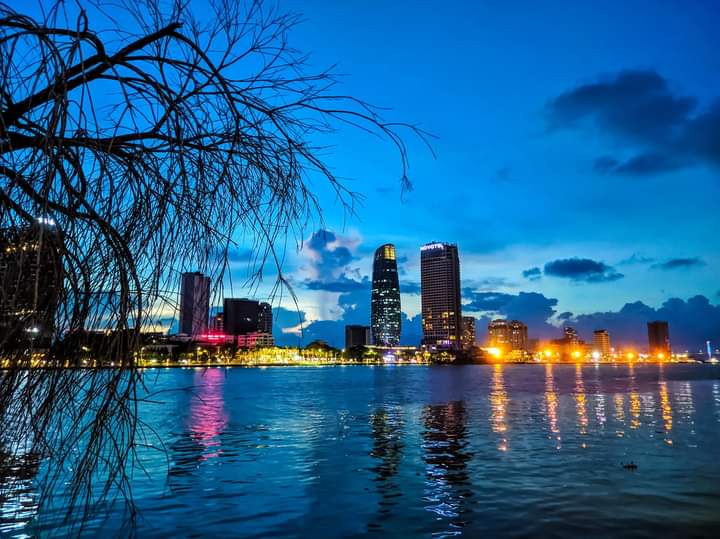
Ho Chi Minh City
Vietnam's electric metropolis of motorbikes and street food
Ho Chi Minh City hits you like a wall of heat, exhaust, and possibility. This is Vietnam's beating heart — a city where French colonial buildings stand next to gleaming skyscrapers, where you can eat world-class pho for $2 and sip cocktails on rooftops that cost twenty times that. The motorbikes never stop. Neither does the energy. And honestly? That's exactly the point. This isn't a place you come to relax. You come here to feel alive.
Best Months
JAN · FEB · MAR · APR · DEC
~33°C · high crowds
Culture & Context
SAIGON SPIRIT LIVES ON
Locals still call this city Saigon — always have, probably always will. The official name changed in 1976 after reunification, and 2026 marks the 50th anniversary of that renaming. Expect extra national pride and more events than usual throughout the year because of it.
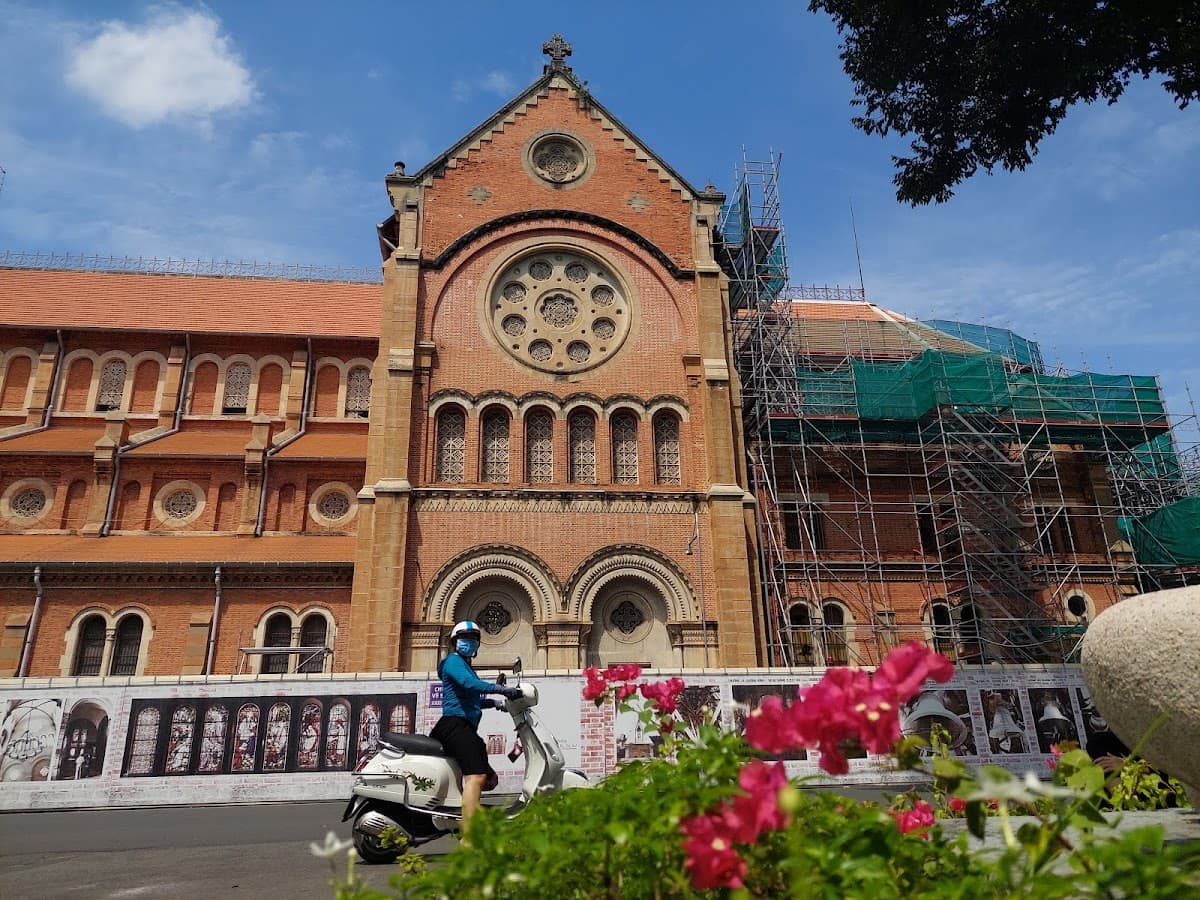
The city feels noticeably younger than Hanoi. Less ceremony, more hustle. French colonial buildings sit three meters from glass towers and plastic-stool noodle carts, and nobody finds this odd because it's just Tuesday here.
The war legacy is real and present — the War Remnants Museum is confrontational, honest, and genuinely important to visit. But daily life has moved so far forward that the contrast between past and present hits harder than you expect. Coffee culture is serious business.
Vietnamese iced coffee (cà phê đá) is thick, strong, and sweet — ordering one at a local café is the quickest way to feel like you live here. The city runs on two wheels. There are roughly 8 million registered motorbikes.
Crossing the street requires a specific kind of calm confidence — step off the curb steadily, don't freeze, and let the traffic flow around you.
Local Customs
SHOES OFF, HANDS UP
Remove your shoes before entering temples, pagodas, and people's homes. This is non-negotiable and not just a suggestion.. Cover shoulders and knees at religious sites.
Loose linen pants and a light top solve this problem in any weather.. Never stick chopsticks upright in a bowl of rice. It mirrors the way incense is placed at funerals and will make everyone at the table uncomfortable..
Use both hands when giving or receiving items — money, business cards, gifts. Single-handed exchanges feel rude and transactional.. Bargain at markets like Ben Thanh, but keep it friendly and light.
Getting loud or visibly frustrated will sour the whole interaction and often gets you a worse deal.. Don't touch anyone's head, including children. The head is considered sacred, and patting a kid on the head the way you might back home lands badly here..
Public affection beyond hand-holding makes people uncomfortable, especially outside the central tourist districts.. When someone offers a toast, say 'Một, hai, ba... Dzô!
' loudly with everyone at the table. Raising your glass and sipping alone is antisocial here.. Always ask permission before photographing monks, elders, or people in rural or market settings.
A quick smile and a gesture toward your camera goes a long way.. In group settings, greet the eldest person in the room first. It's a small gesture that gets noticed and appreciated.
Safety
WATCH YOUR PHONE
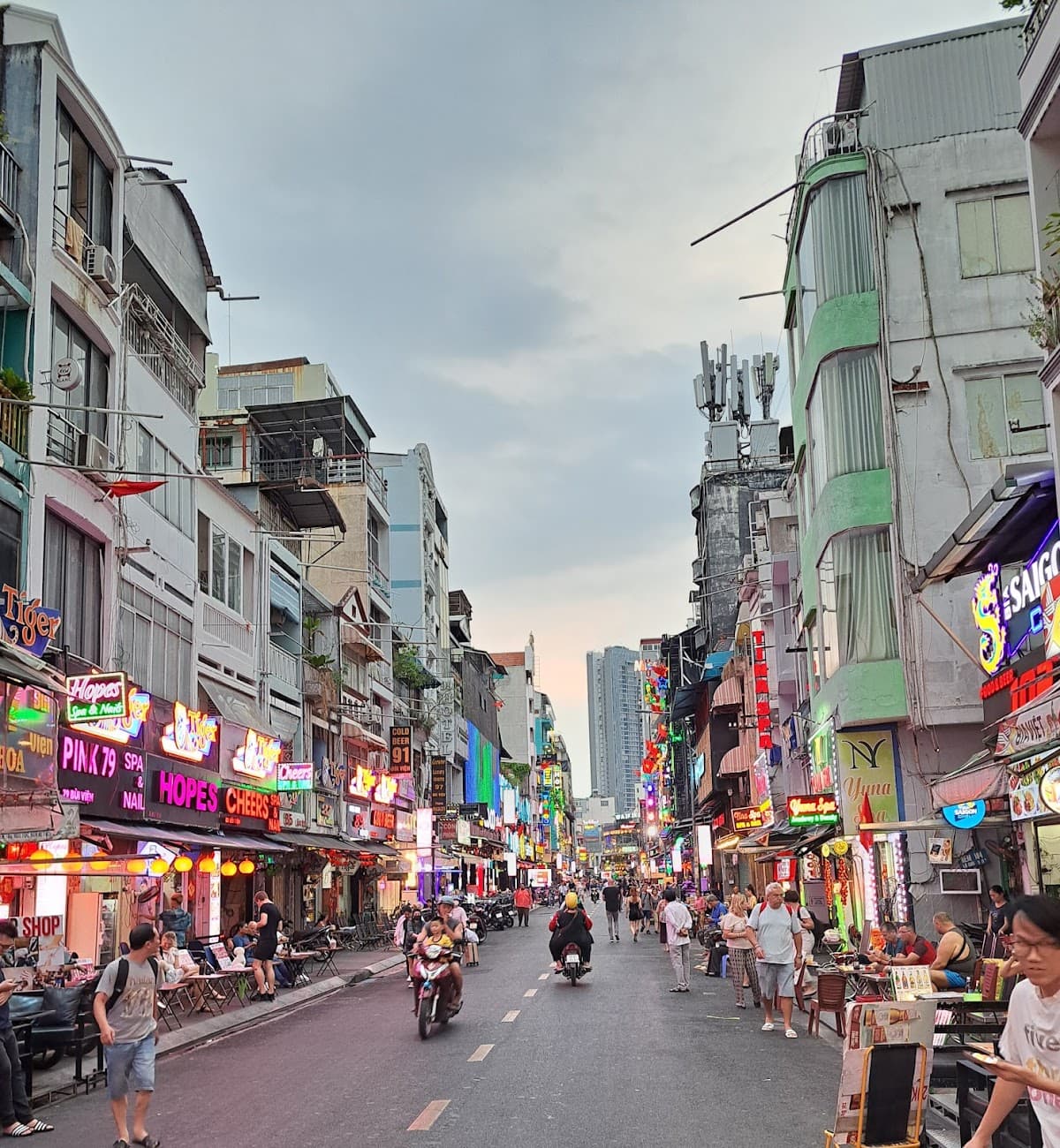
The city is generally safe, but the #1 issue is motorbike phone snatching — it's genuinely common around Ben Thanh Market, Bui Vien Street, and anywhere you're standing near a curb while looking at your screen. The fix is simple: step inside a doorway or face a wall to check your phone. Never hold it at arm's length near moving traffic.
Wear a cross-body bag on the side away from the road. For transport, use the Grab app — the price is set upfront and there's no meter to fiddle with. If you need a traditional taxi, Vinasun (white) and Mai Linh (green) are the reputable ones.
Never drink tap water. Bottle water or filtered water only, and be cautious about ice at small street stalls. During rainy season (May to November), streets in Districts 1 and 4 flood fast after heavy downpours — avoid motorbike taxis in flooded conditions and allow extra travel time.
Watch your VND carefully: the 20,000 dong note and the 500,000 dong note are both bluish-green and easy to mix up, especially in dim bars. That's the difference between paying $1 and $20. Emergency numbers: police 113, ambulance 115.
Getting Around
GRAB & NEW METRO
Metro Line 1 opened December 2024 — Vietnam's first. It runs from Ben Thanh Station in District 1 northeast to Suoi Tien, covering 14 stations over nearly 20km. Fares are 7,000-20,000 VND ($0.
27-0.80) depending on distance. Trains run 5am-10pm, every 8 minutes during peak hours.
Clean, air-conditioned, and mercifully traffic-proof. Download the HCMC Metro HURC app for English timetables and ticket purchase. The Thao Dien station makes D2 suddenly accessible from D1 without a Grab.
For everything else, Grab dominates. GrabBike for quick solo hops (roughly $0.94 per short trip), GrabCar when it's raining or you have bags.
From the airport to District 1, it's 6-8km and takes 25-45 minutes depending on traffic. Airport Bus 109 does the same route for 20,000 VND and is actually tourist-friendly with English signage — slow but fine for daylight arrivals without luggage. Avoid traffic peak hours: 6-8am and 3:30-6pm.
Metro Line 2 (Ben Thanh to Tham Luong) is under construction and won't open until around 2030, so the city is still a massive construction site in 2026.
Useful Phrases
Explore the Region
Ho Chi Minh City Itineraries
Saigon Minimal Luxe: Hidden Angles & Urban Nature
Weekend · $$$$$
Saigon Squares & Night Lights: A One-Day Adventure
Weekend · $$
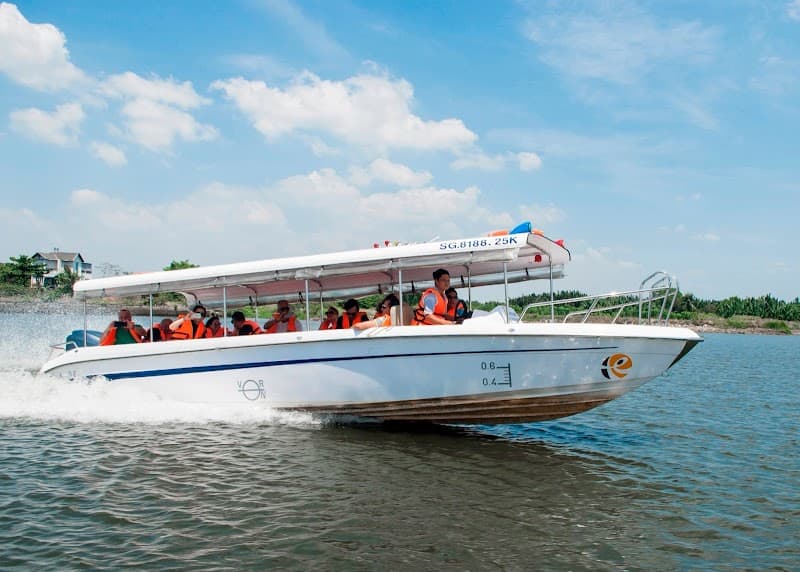
Underground History & Mekong Magic: Adventure Awaits
Weekend · $$$
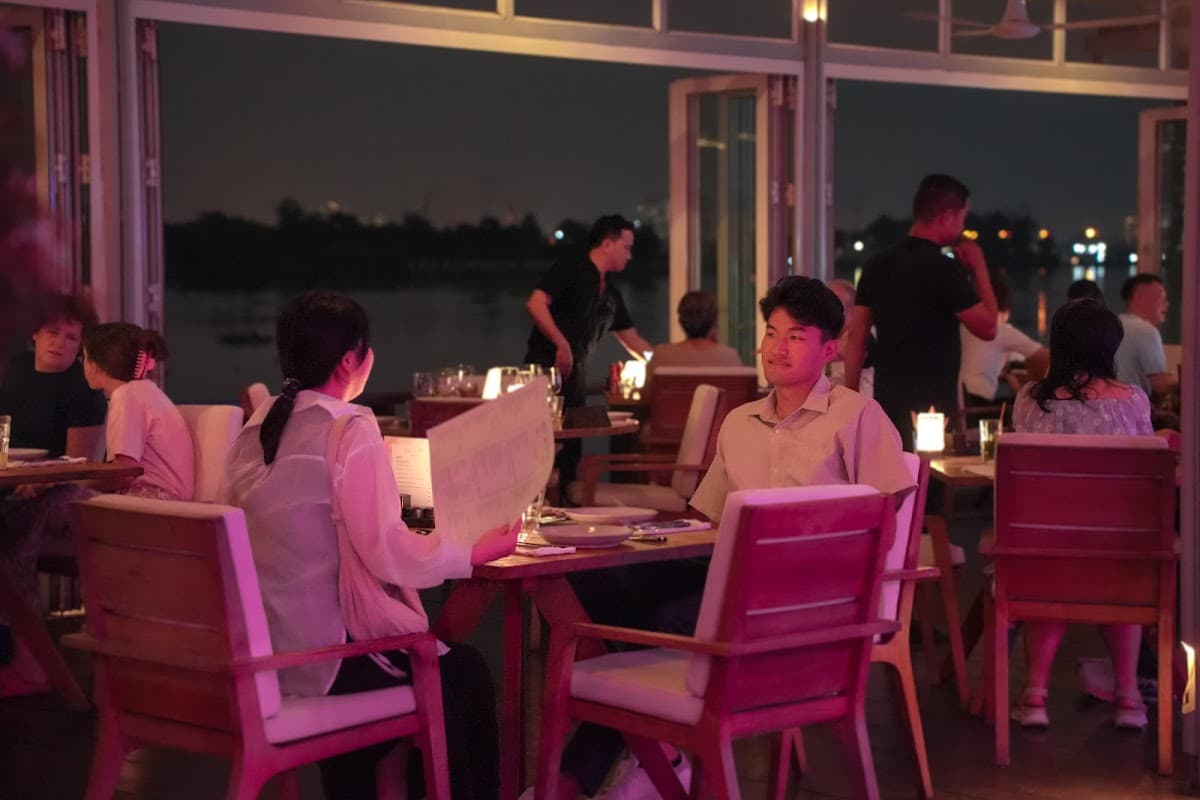
Modern Minimal Day in Saigon: Art, Markets & Trails
Weekend · $$$$
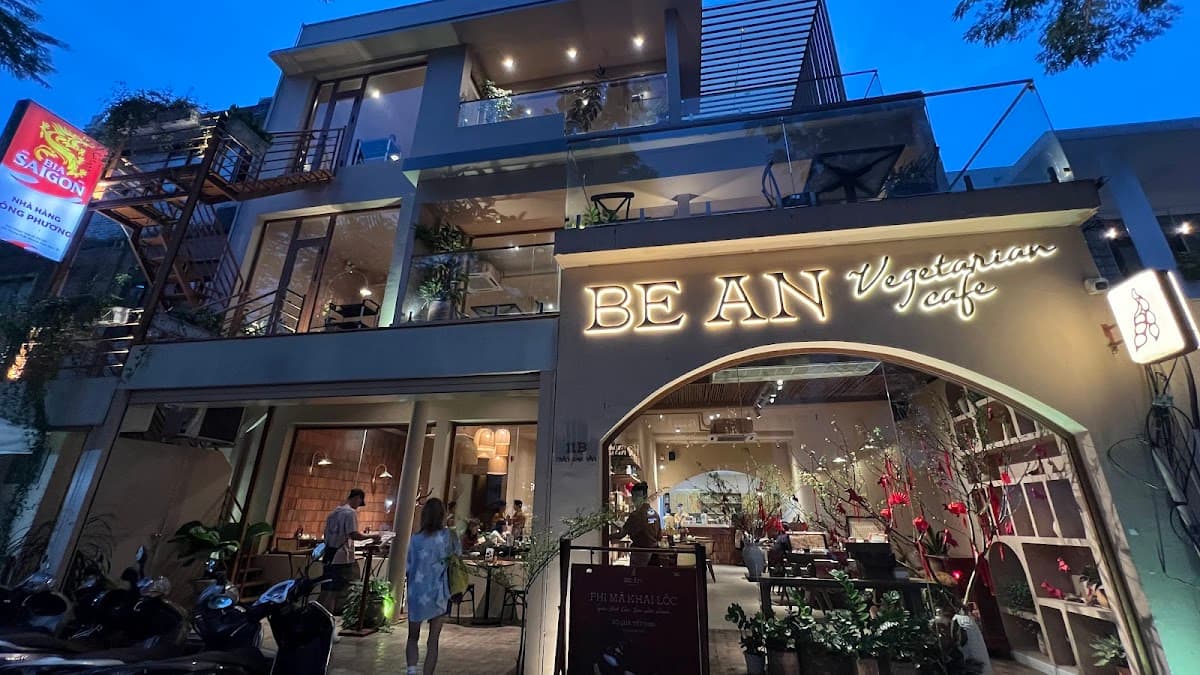
Modern Minimal Vegan Weekend in Ho Chi Minh City
Weekend · $$$
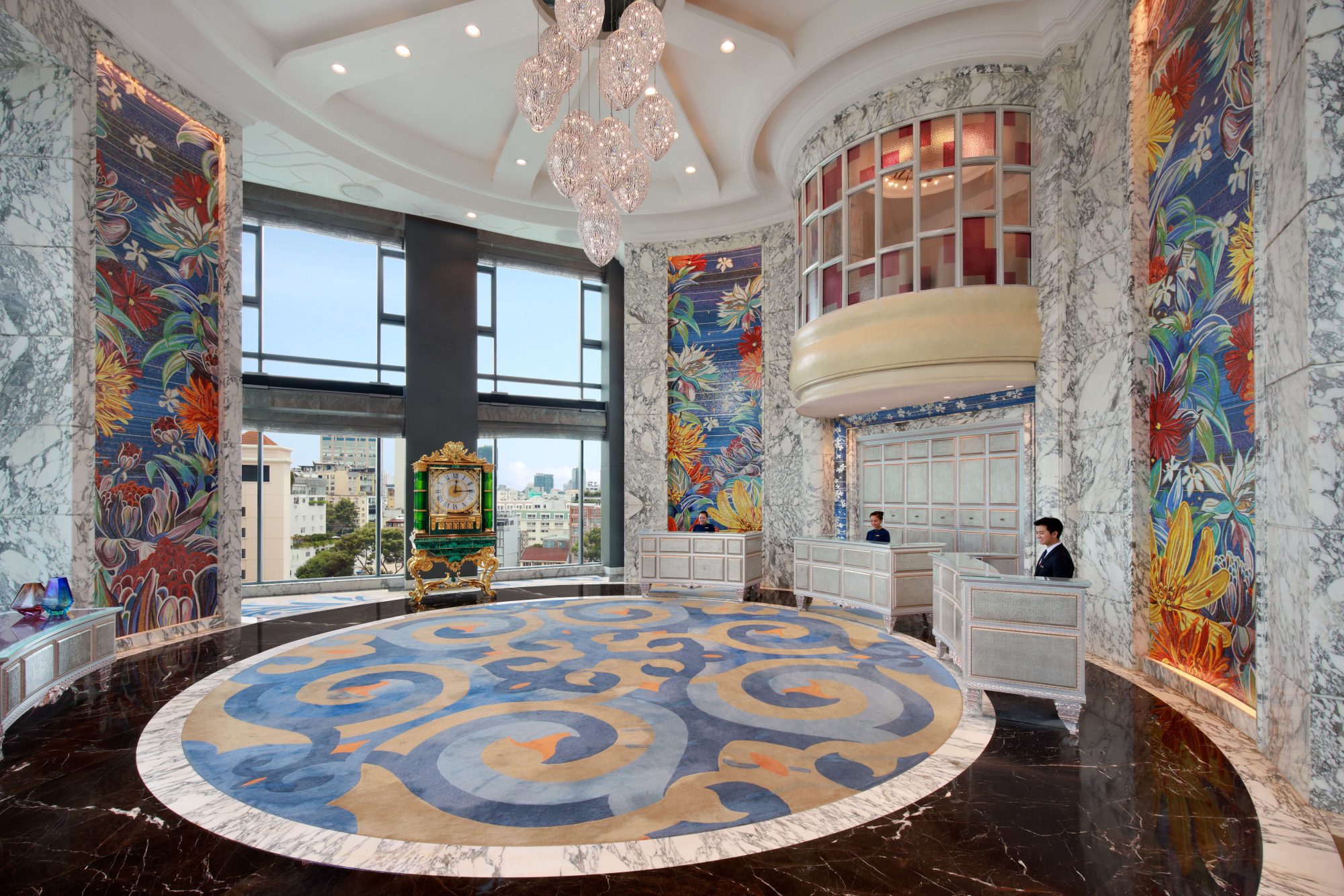
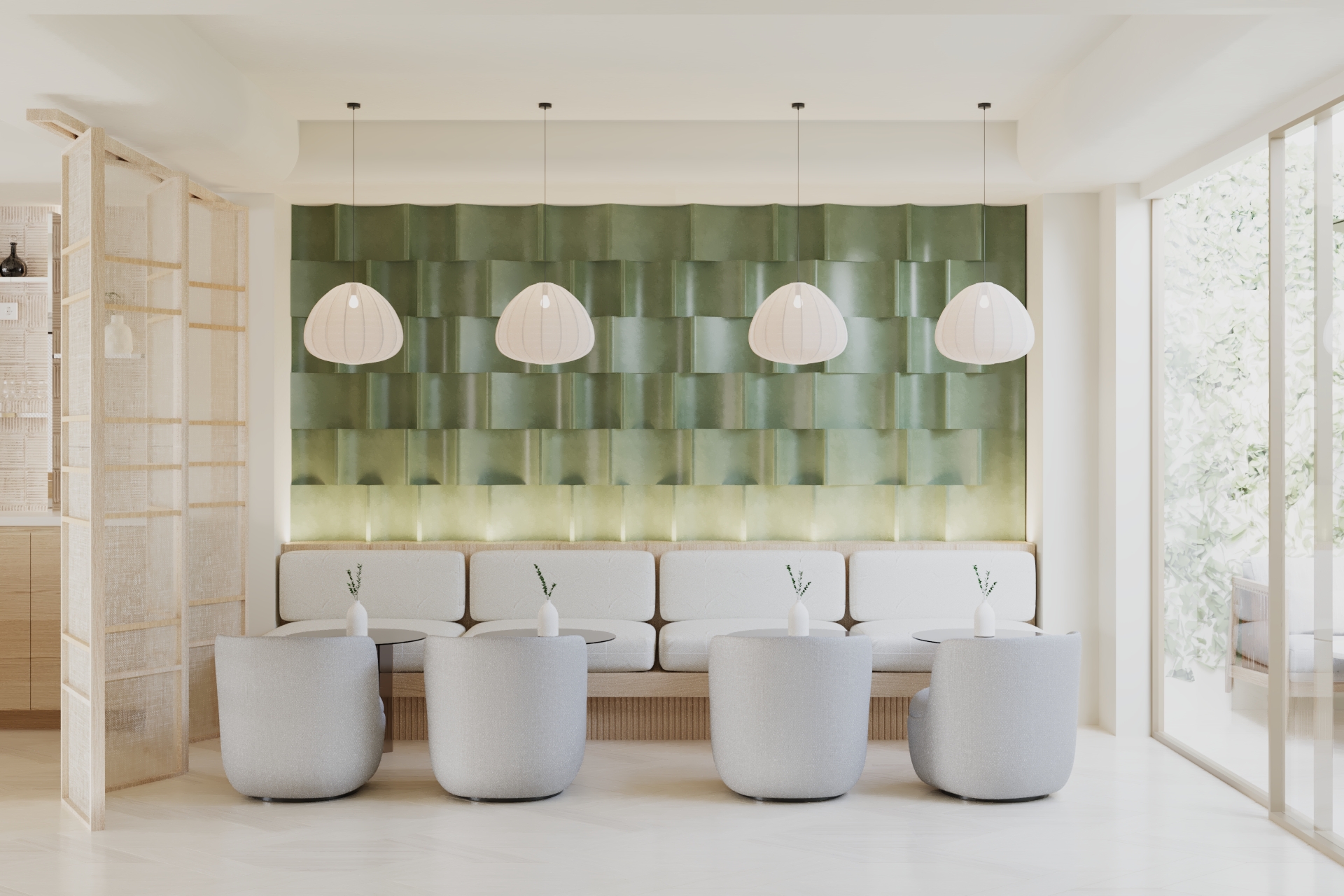
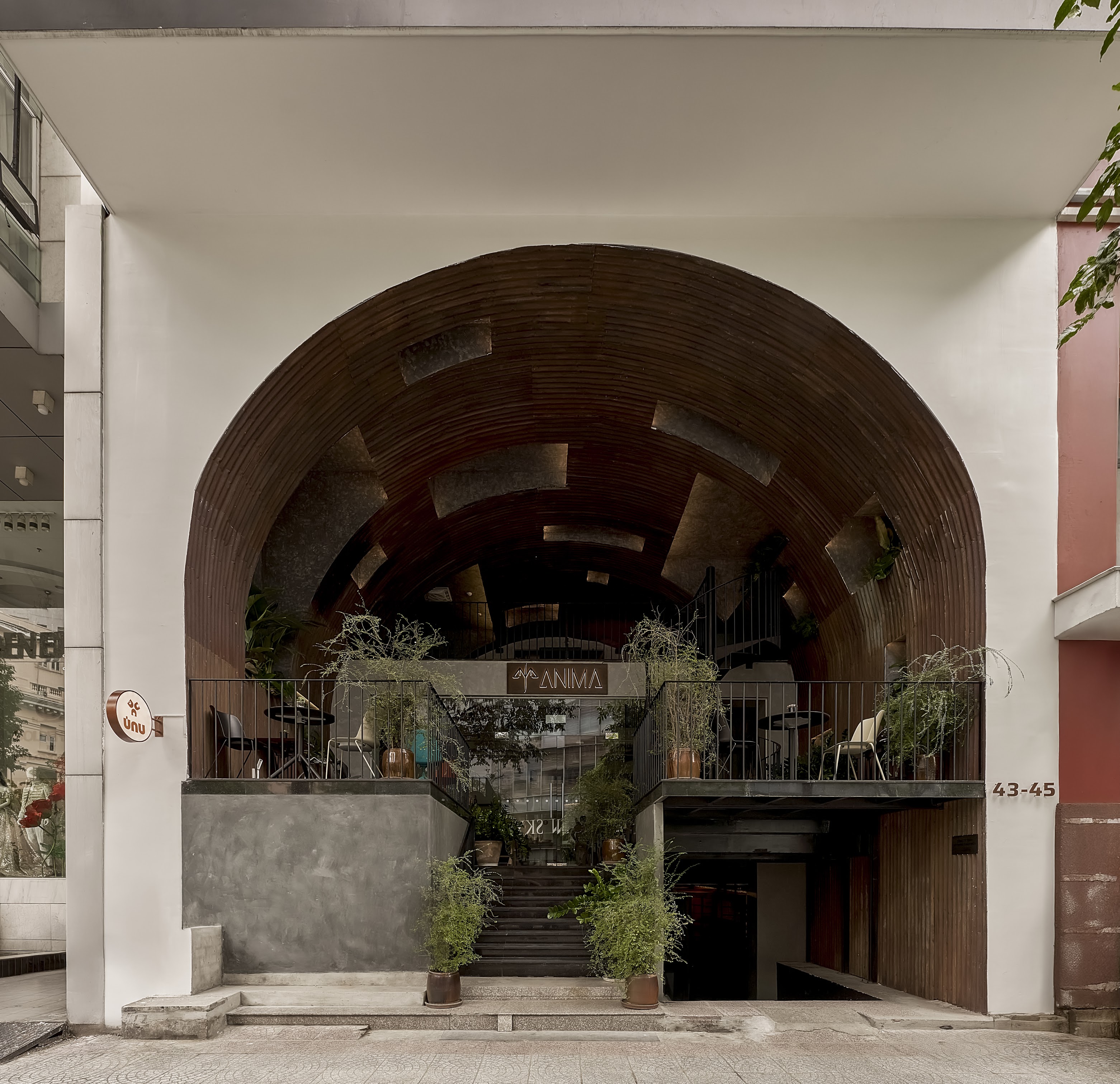
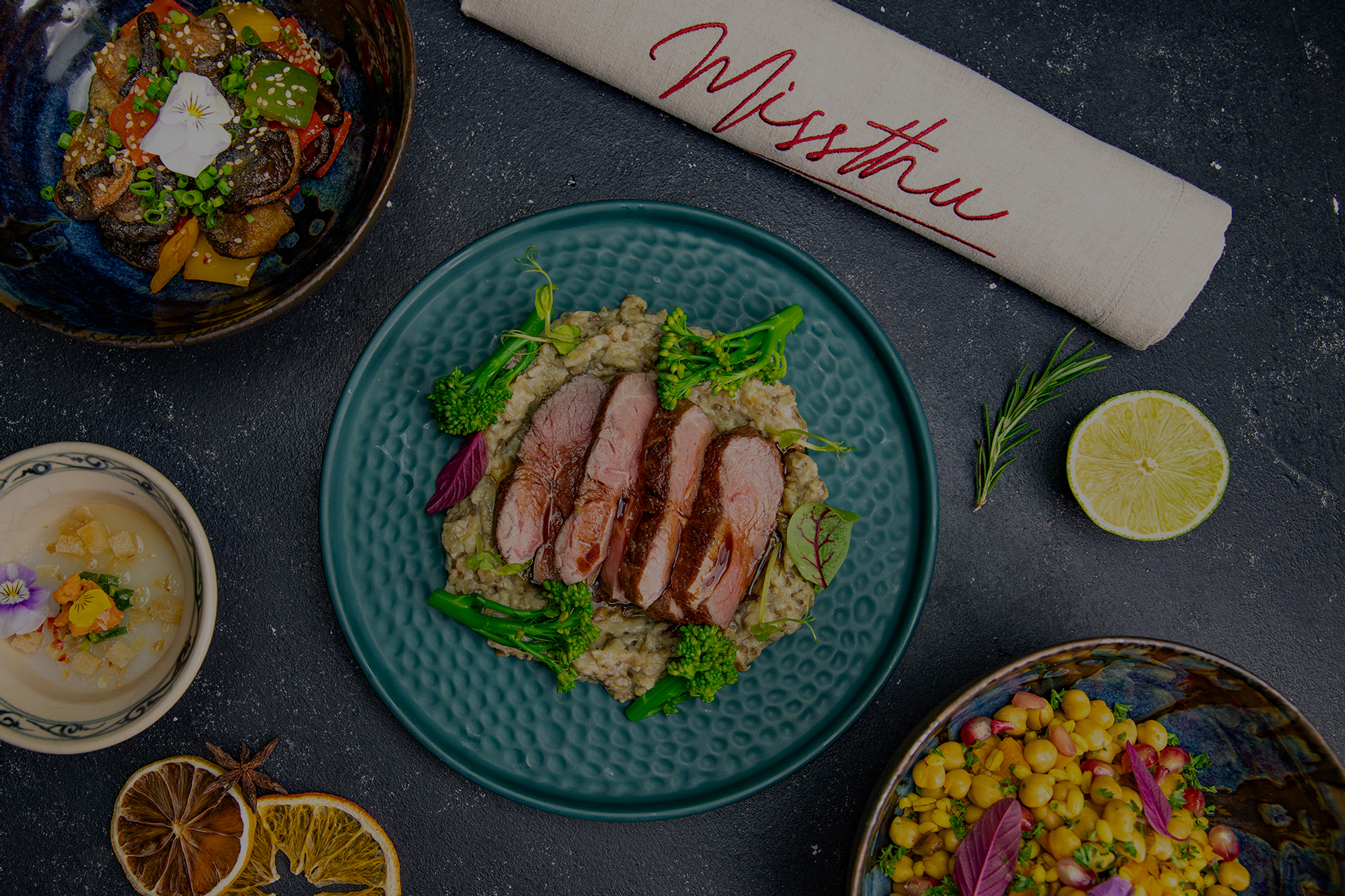
Where to Stay in Ho Chi Minh City
9 recommended properties
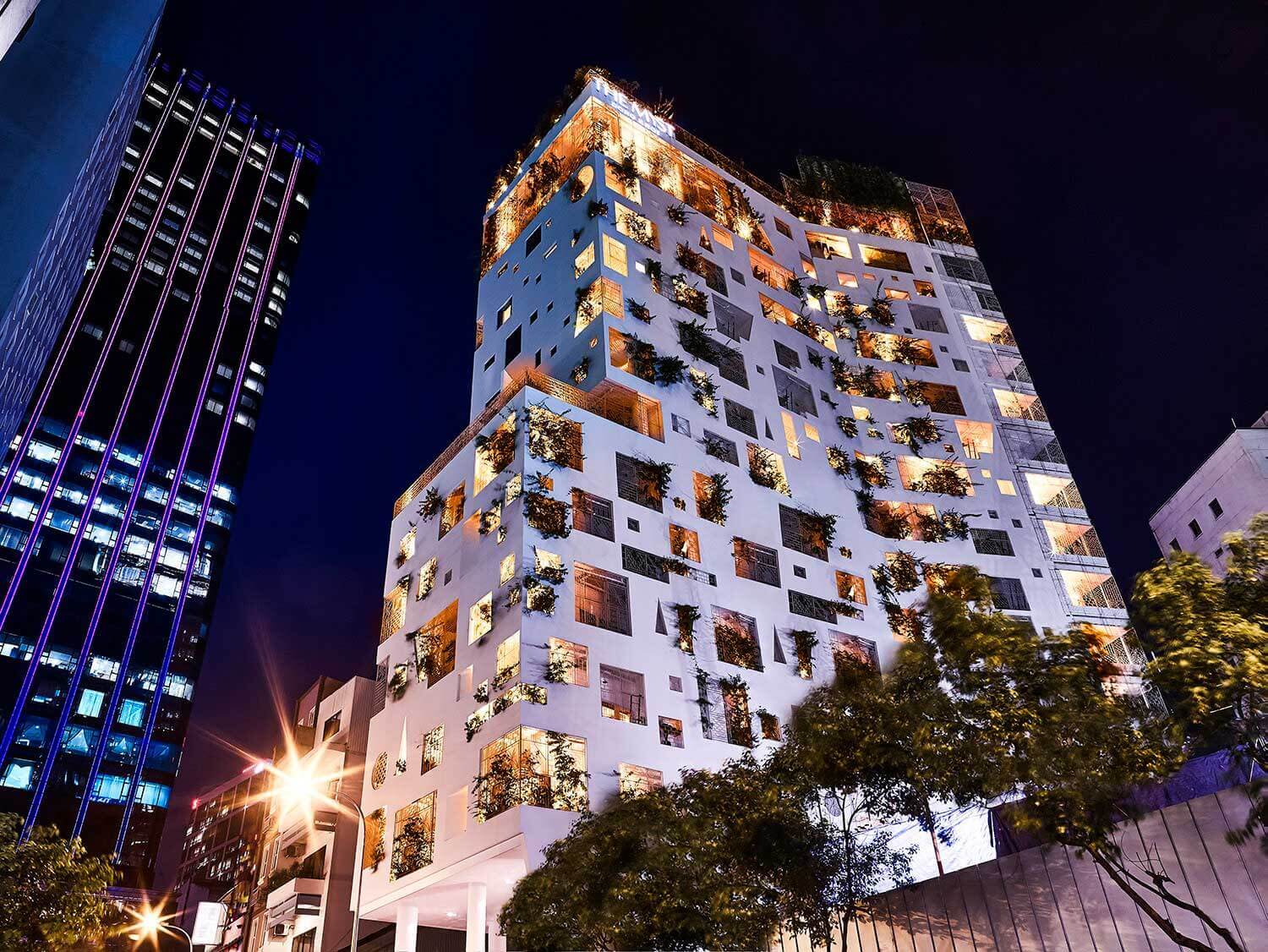
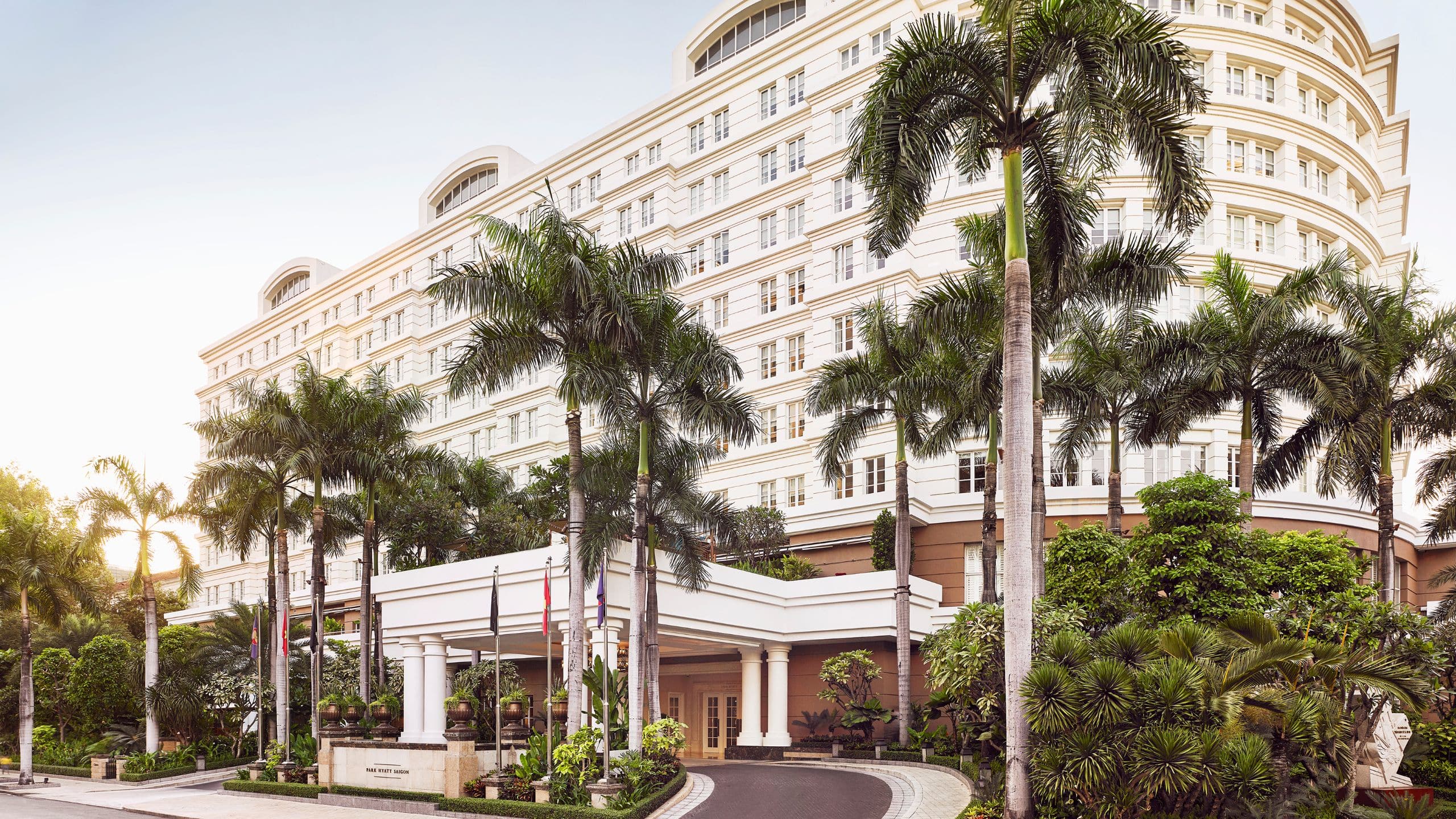
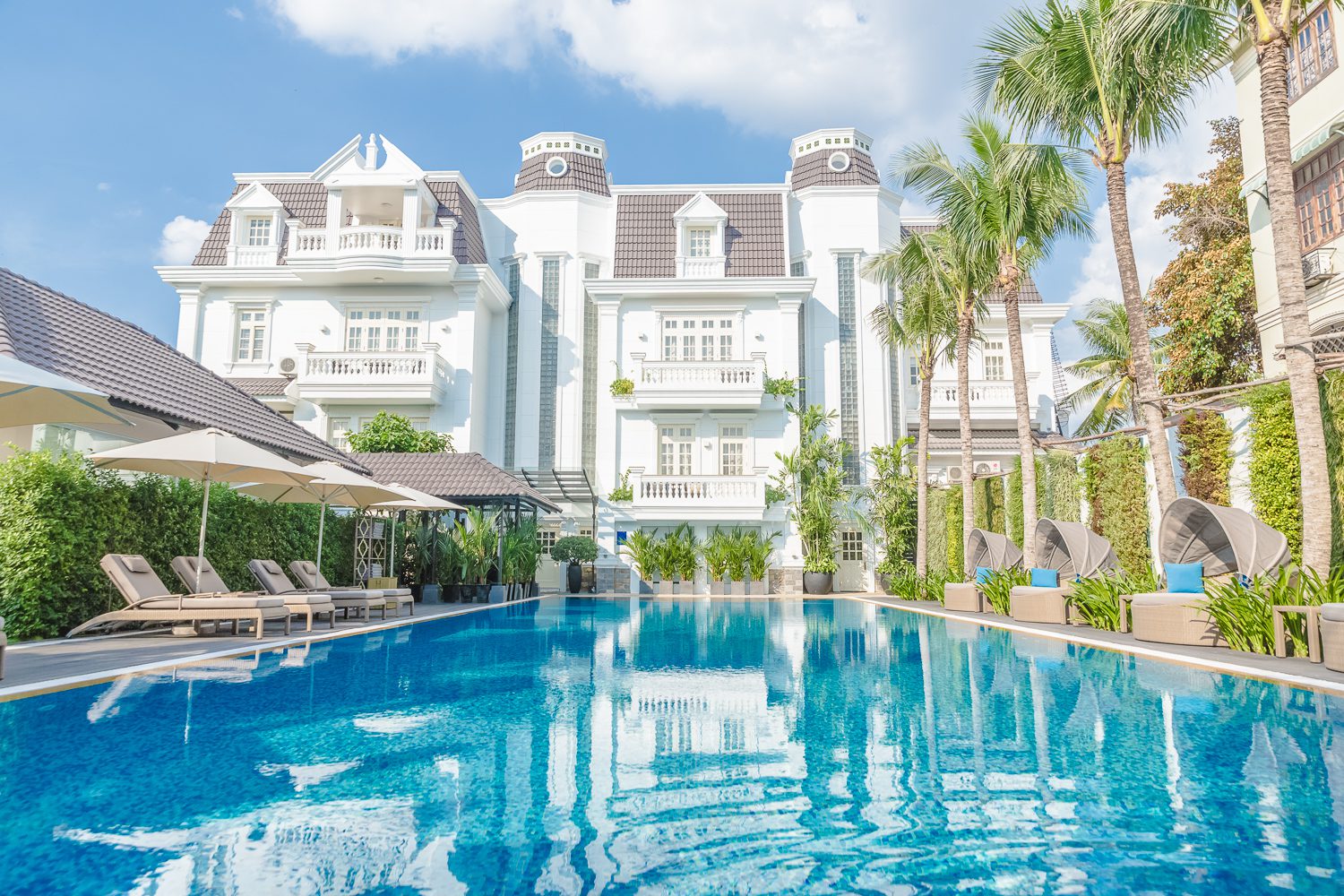
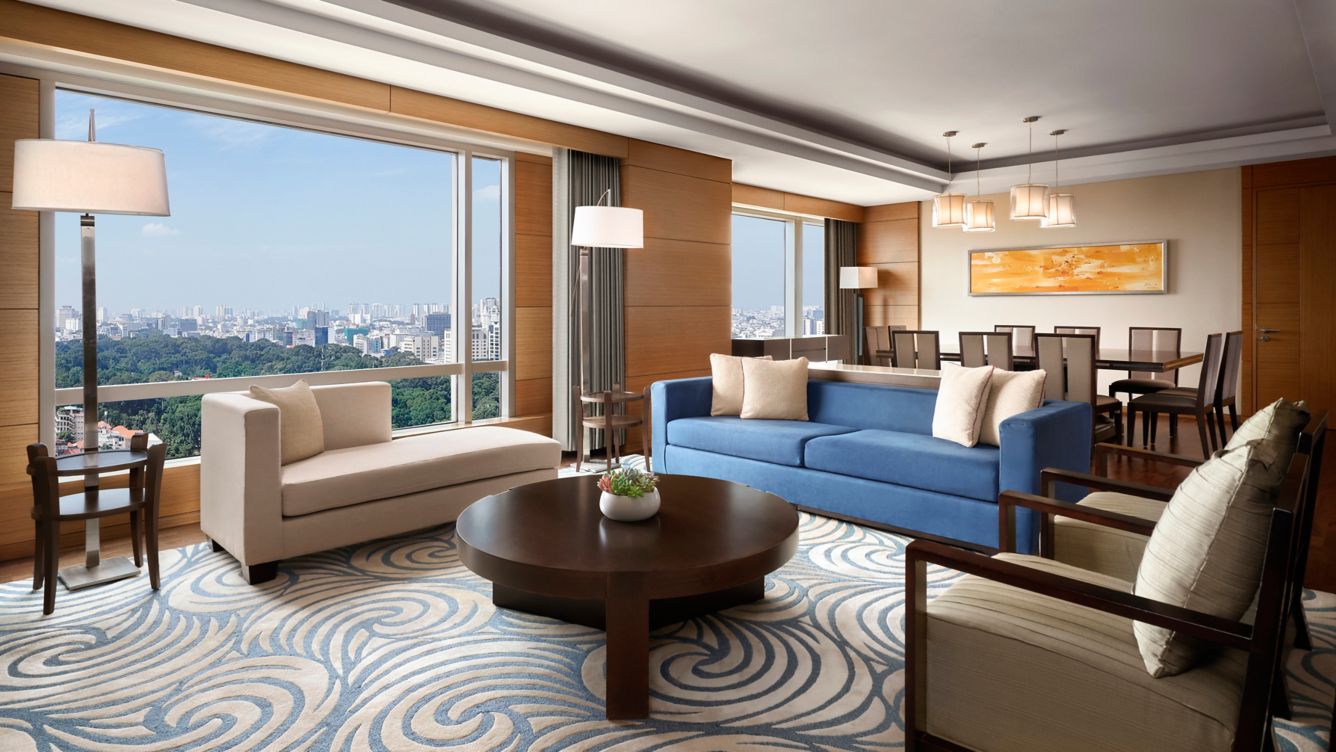
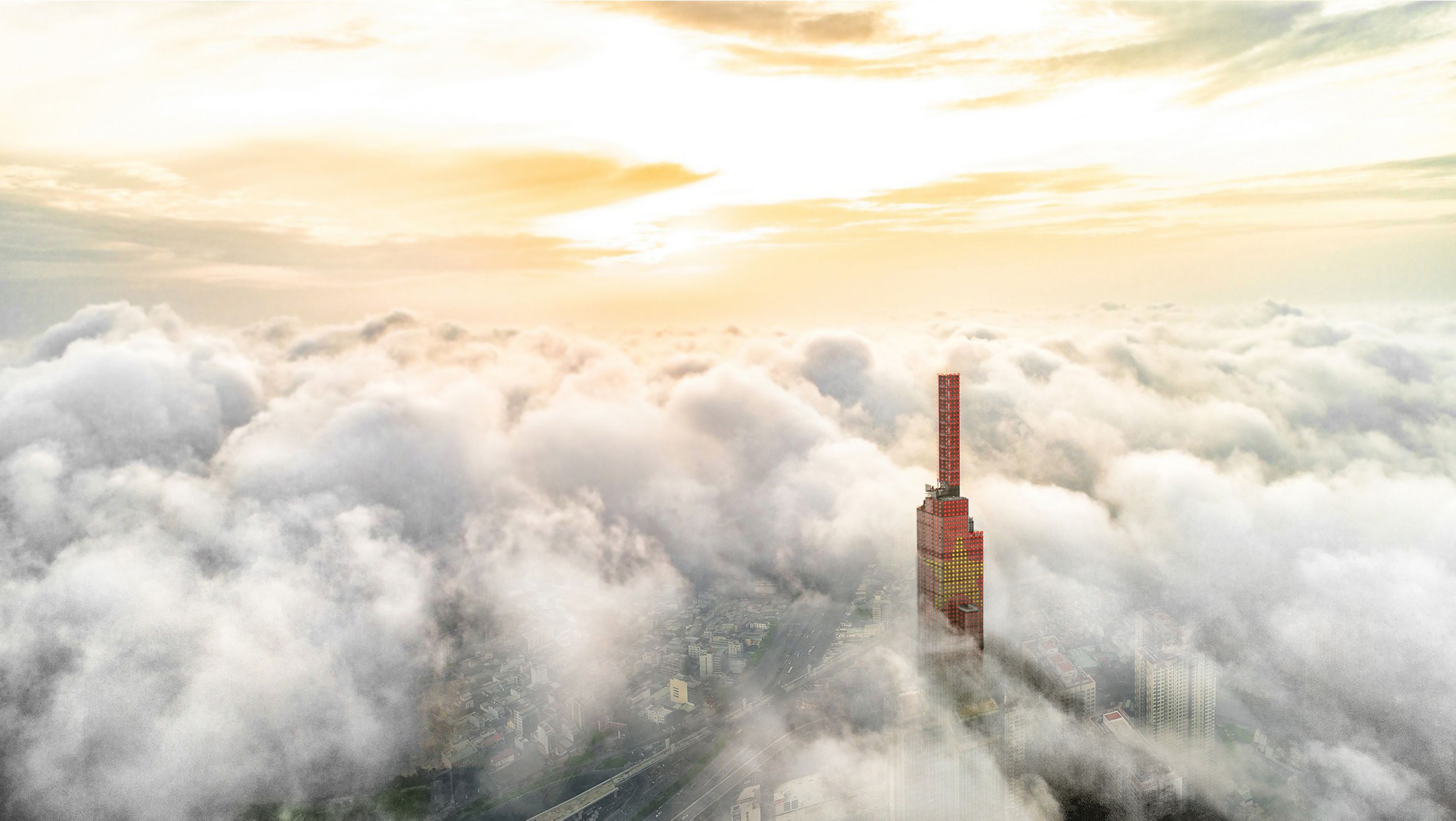
Things to Do in Ho Chi Minh City
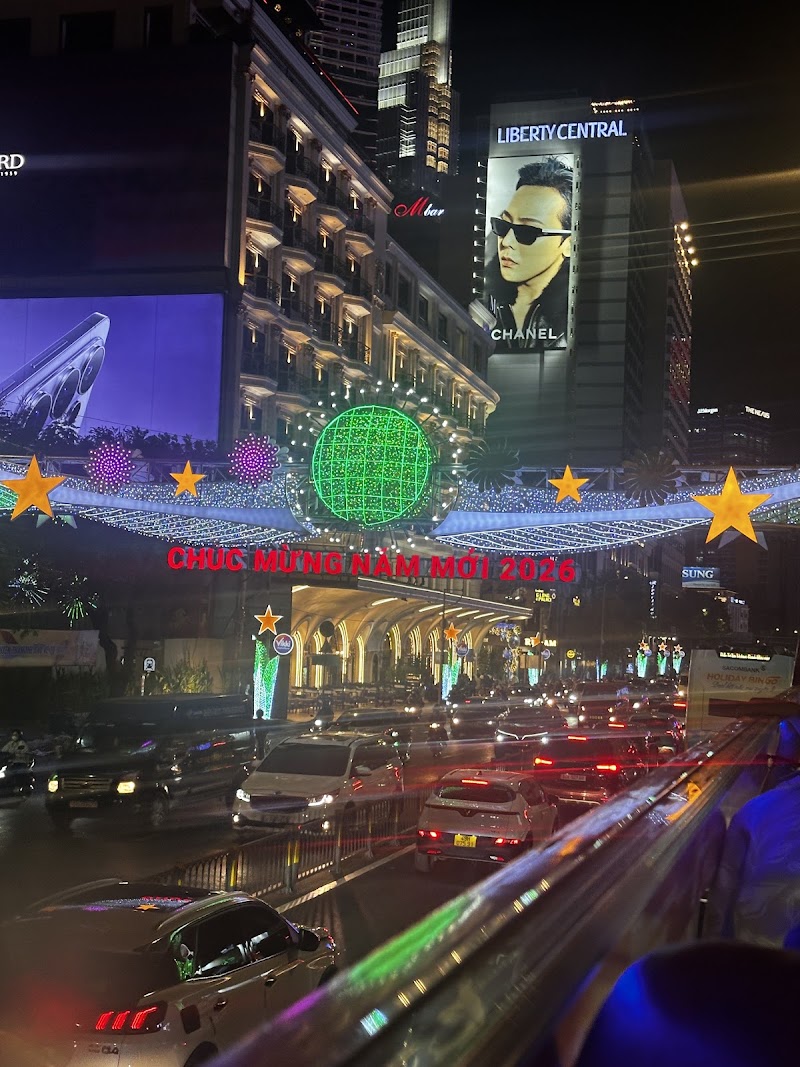
Nguyen Hue Walking Street
District 1 (Dong Khoi) · 60 min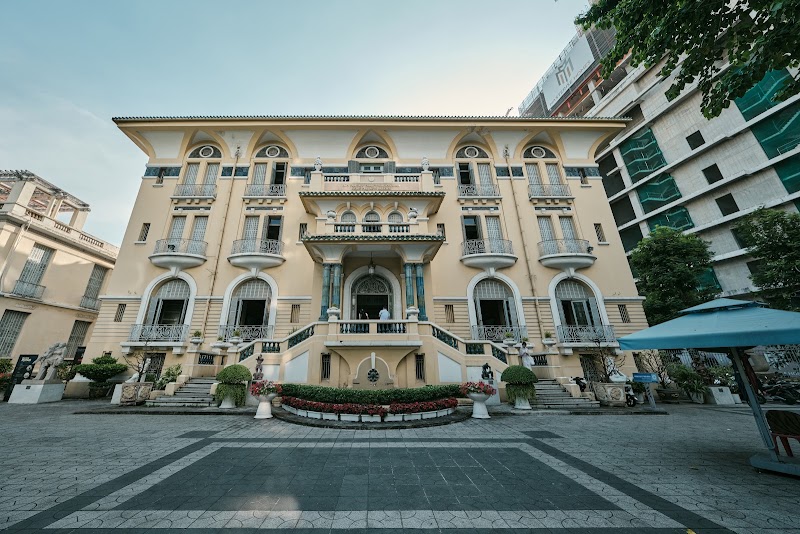
Ho Chi Minh City Museum of Fine Arts
District 1 (Ben Thanh) · 90 min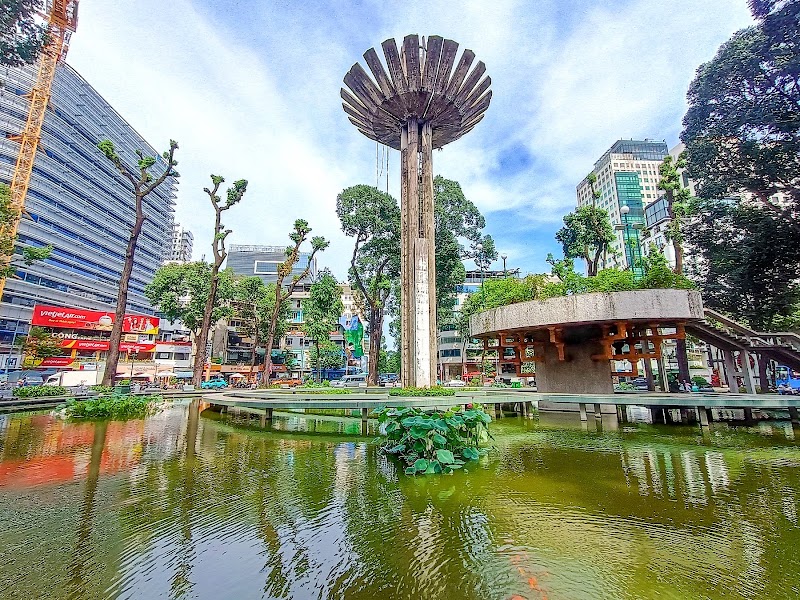
Turtle Lake (Ho Con Rua) and Surrounds
District 1 (Turtle Lake area) · 60 minMoney-Saving Tips
- 1.Street food costs $1-3 per meal, restaurant meals $5-15, fancy dining $20-40 per person
- 2.Grab motorbike rides cost $1-3 across the city, much cheaper than taxis at $5-15
- 3.Local beer (bia hoi) costs $0.50-1, imported beer $2-4, cocktails $3-8 at local bars, $10-15 at rooftops
- 4.Hostel dorms $8-15/night, mid-range hotels $25-50, luxury hotels $80-200+
- 5.Museum entries $1-3, temple donations optional but $1-2 is appreciated
- 6.Bargain at markets — start at 30% of asking price, settle around 50-60%
- 7.Tipping not expected but round up taxi fares and leave small change at restaurants
- 8.ATM fees $2-5 per withdrawal, use gold/platinum cards to avoid international fees
Travel Tips
- •Download Grab app before you arrive — essential for motorbike taxis and food delivery
- •Always carry toilet paper and hand sanitizer, public restrooms rarely have either
- •Drink bottled water only, ice in restaurants is usually safe but street vendors are risky
- •Learn basic Vietnamese numbers for bargaining at markets
- •Carry cash — many places don't accept cards, especially street food stalls
- •Motorbike helmets are legally required and provided by Grab drivers
- •Dress modestly when visiting temples — cover shoulders and knees
- •Book accommodations in advance during peak season (Dec-Apr) and Tet holiday
- •Get travel insurance that covers motorbike accidents if you plan to rent one
- •Keep copies of your passport — police sometimes ask for ID during random checks
Frequently Asked Questions
Explore Ho Chi Minh City
BUILD YOUR
HO CHI MINH CITY PLAN
Insider picks, smart timing, and a plan ready when you are.
Start Planning