
Hội An Old Town
UNESCO heritage quarter of lanterns and ancient charm
Hội An hits different at sunset. The Thu Bon River reflects hundreds of silk lanterns while ancient Chinese shophouses glow amber in the fading light. This UNESCO World Heritage quarter feels frozen in time — but in the best possible way.
Here's what makes this place special: it's one of the few Vietnamese cities that survived both French colonization and American bombing largely intact. The result? A living museum where you can actually live, eat incredible cao lầu noodles, and get a suit tailored for $60.
But let's be real — it's touristy. Peak season brings crowds that can make the narrow streets feel like a theme park. The trick is knowing when to go and where to escape the masses.
Best Months
FEB – MAY
~29°C · high crowds
Culture & Context
LANTERN FESTIVAL TIMELESSNESS
Hoi An was a serious commercial powerhouse from the 15th to the 20th century. Japanese, Chinese, and Vietnamese merchants all traded here, and that layered history is still written into the architecture — you can spot the differences if you look. Japanese-style covered bridges next to Chinese assembly halls next to French colonial shopfronts.
It's not a theme park recreation of the past. Families still live inside 200-year-old merchant houses. Artisans still work the same crafts their grandparents did.
The town runs on a lunar calendar in meaningful ways. The 14th day of every lunar month is the Full Moon Lantern Festival — electric lights go off across the Old Town around 8 PM, and only lanterns and candles light the streets. It sounds gimmicky until you're actually standing there.
The tailoring industry is the other defining thread. Hoi An's garment trade is real and skilled, not just tourist window dressing. A custom suit or dress typically takes one to two days, and shops will ship finished pieces home.
But shop around and get recommendations — quality varies widely between workshops.
Local Customs
HAGGLE WITHOUT METER
The pedestrian-only zones in Old Town are enforced — no motorbikes or cars between 8:30 AM–11:00 AM and 3:00 PM–9:30 PM. Don't try to ride through; locals will stop you.. Dress modestly when entering temples, assembly halls, and ancient houses.
Knees and shoulders covered is the standard. Many sites won't let you in otherwise.. Don't point at altars or touch sacred objects inside temples.
Ask permission before photographing locals, especially artisans at work.. In markets and at stalls without price signs, always ask the price before agreeing to anything. Negotiate, but stay friendly — walking away is always an option and usually brings the price down fast..
At the Central Market on Tran Phu Street, vendor opening prices for tourists can be two or three times what a local would pay. Start low and meet in the middle.. Avoid loud talking and pushing in crowded areas like Tran Phu Street, especially during Full Moon nights when it gets genuinely packed.
The streets fill up fast after sunset.. Tipping is not expected but appreciated for good service — a small 20,000–50,000 VND tip at restaurants or for guides is plenty.. Always check the menu price before ordering at smaller restaurants, especially if there's no printed menu.
Overcharging of tourists does happen in spots without visible pricing.
Safety
WATCH YOUR WALLET
Hoi An is genuinely one of the safer towns in Southeast Asia. The U.S.
State Department gives Vietnam a Level 1 rating — exercise normal precautions. That said, a few specific things to know. Overcharging is the most common issue tourists face.
Street food vendors and small restaurants without visible menus sometimes quote tourist prices that are significantly inflated. Always ask the price before eating. If a banh mi cart quotes you 70,000 VND, that's too high — the real price is 20,000–40,000 VND.
Pickpocketing happens in crowded areas, especially along Tran Phu Street during Full Moon nights and at the night market. Keep your phone in a front pocket and don't sling a bag loosely on the street side. For taxis, skip flagging down random vehicles.
Use the Grab app instead — set price, no meter games, driver rated. If you do take a regular taxi, use Mai Linh or Vinasun with sealed meters. Motorbike theft from scooter rentals is worth knowing about — take photos of any existing scratches before you ride off.
Tailor shops are worth some caution too: get quotes from multiple places, read reviews, and don't pay the full amount upfront. Ask to see examples of previous work. Ocean swimming at Cua Dai and An Bang beaches requires attention, particularly October through March when waves are heavier.
Stick to flagged safe swimming zones. At night, especially if you've had a few drinks, stick to well-lit streets in the Old Town center and use Grab to get back to your hotel.
Getting Around
WALKABLE, BIKE FRIENDLY
Getting to Hoi An from Da Nang Airport takes about 45 minutes by taxi or private transfer. Expect to pay roughly 350,000–500,000 VND. Book through your hotel or use Grab to avoid airport scam fares.
Once you're in town, the Old Town core is fully walkable and designed for it. Motorbikes and cars are banned from the main heritage streets between 8:30 AM–11:00 AM and 3:00 PM–9:30 PM. A bicycle is the ideal way to explore beyond the core.
Rental is 50,000–75,000 VND per day — many hotels include one for free. Cycling to An Bang Beach takes about 15 minutes on flat roads through the countryside. Motorbike rental runs about 150,000 VND per day ($6) and is useful for day trips to Cam Thanh's coconut forest or further out to the Cham Islands ferry.
You technically need a motorcycle license for bikes over 50cc, and police do occasionally set up checkpoints — factor that in. Electric shuttles operate on main roads for those who don't want to cycle. For getting back to Da Nang (airport, city, or train station), a Grab car is your best and most transparent option — roughly 350,000–500,000 VND depending on time of day and traffic.
Shared shuttle buses are cheaper at around 120,000–150,000 VND per person and take 35–40 minutes. The Grab app covers Hoi An well and eliminates the need to negotiate or trust a street taxi meter.
Useful Phrases
Hội An Old Town Itineraries
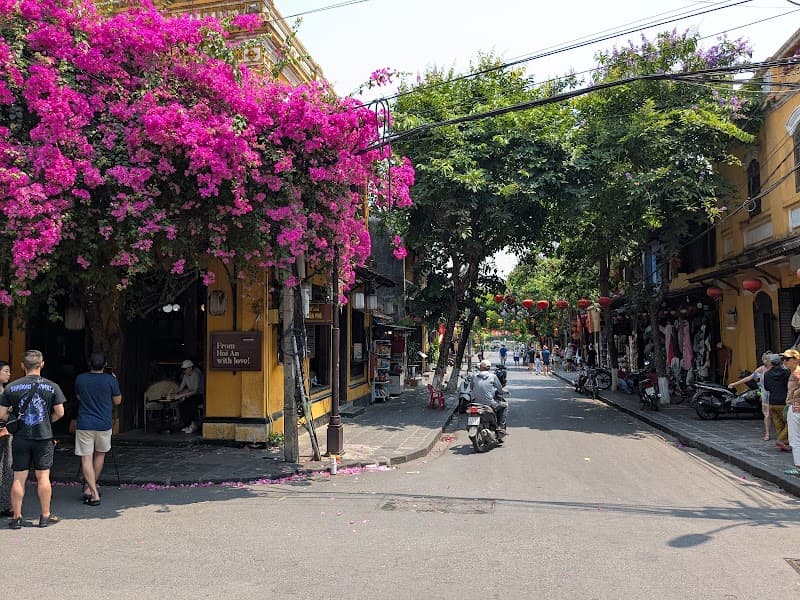
Things to Do in Hội An Old Town
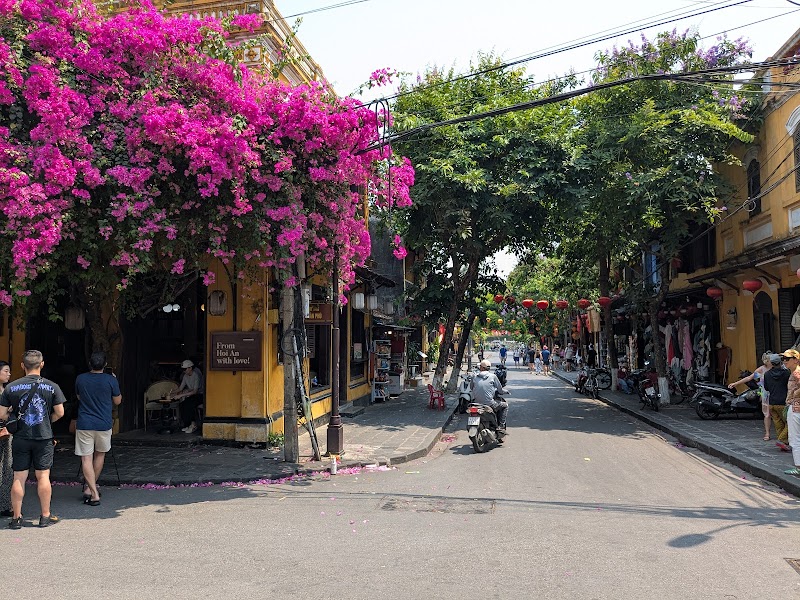
Slow Morning Walk in Hội An Ancient Town (self-guided)
Hội An Ancient Town Core · 60 min
Japanese Covered Bridge & Nearby Heritage Houses
Hội An Ancient Town West Riverside · 90 min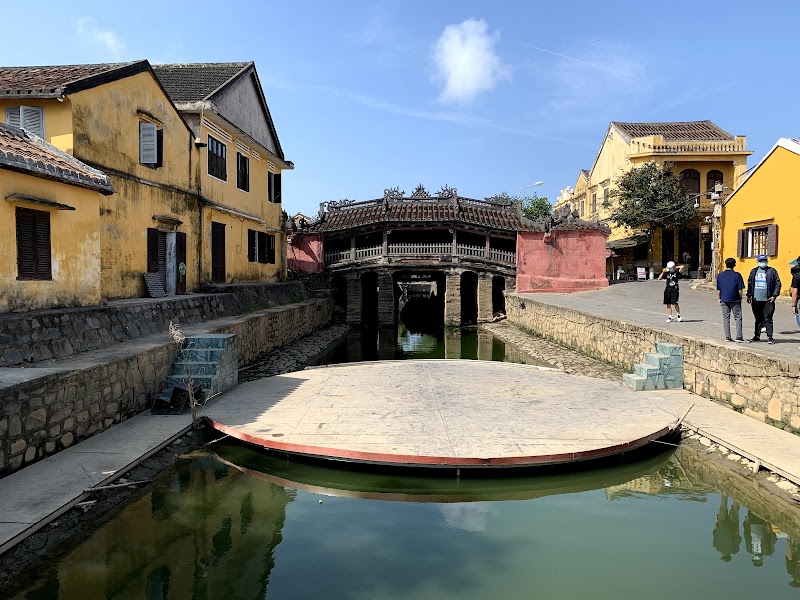
Thu Bồn Riverside Café Break & Free Explore
Hội An Ancient Town Riverside (Bach Dang) · 120 minMoney-Saving Tips
- 1.Ancient Town entrance tickets cost 120,000 VND and cover 5 attractions — but locals know side streets where you can enter without paying
- 2.Tailor shops quote tourist prices first — negotiate down 30-40% or walk away and they'll call you back with better offers
- 3.Rent bicycles from local families (20,000 VND/day) instead of hotels that charge double for the same bikes
- 4.Eat at local markets before 10 AM for authentic prices — tourist restaurants charge 3x more for the same dishes
- 5.Book cooking classes directly with farms like Tra Que Village instead of through tour operators who add 50% markup
- 6.Stay in Cam Thanh village homestays for authentic experiences at half the cost of Ancient Town hotels
Travel Tips
- •Download offline maps — WiFi gets spotty in rural areas around Hội An and mobile data can be unreliable
- •Pack a rain jacket year-round — sudden downpours happen even during dry season
- •Learn basic Vietnamese numbers for market shopping — vendors appreciate the effort and offer better prices
- •Bring cash in small bills — many places don't accept cards and breaking large notes can be challenging
- •Book accommodation with air conditioning — even budget places offer AC and you'll need it March through October
- •Respect photography rules in temples and pagodas — some charge fees or prohibit photos entirely
Frequently Asked Questions
Explore Hội An Old Town
BUILD YOUR
HỘI AN OLD TOWN PLAN
Insider picks, smart timing, and a plan ready when you are.
Start Planning