Inle Lake
Myanmar's Floating Gardens and Leg-Rowing Fishermen
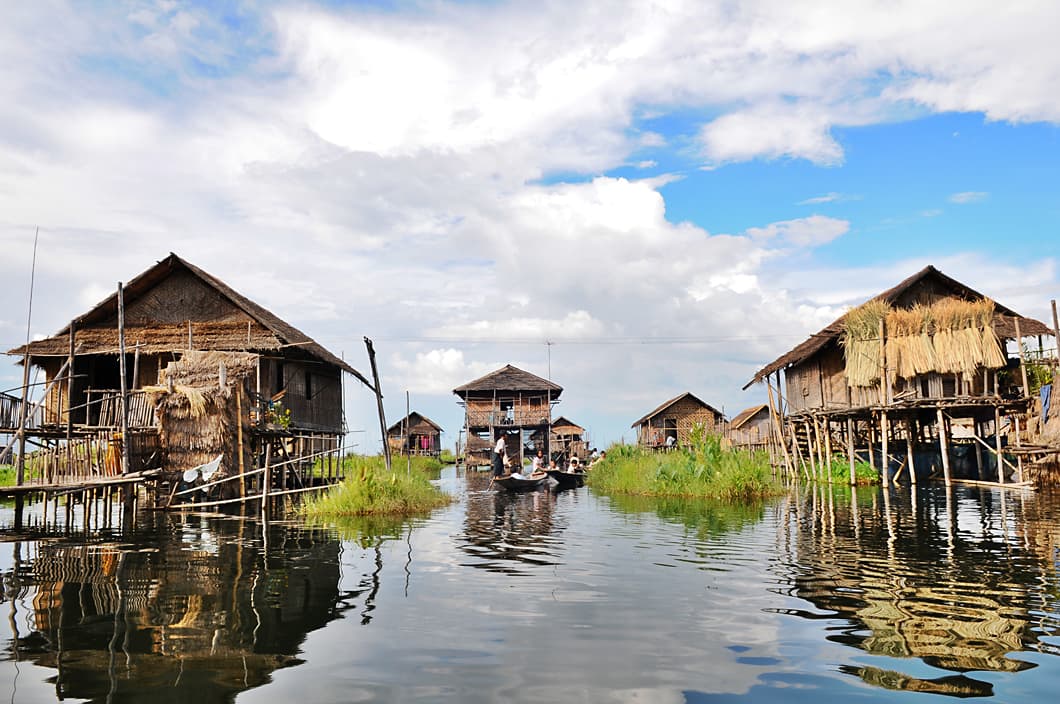
Picture this: fishermen balancing on one leg while rowing with the other, vegetables growing on water, and entire villages built on stilts. Inle Lake isn't your typical Southeast Asian destination. This 22-kilometer-long lake in Myanmar's Shan State moves at its own pace, where the Intha people have perfected life on water over centuries.
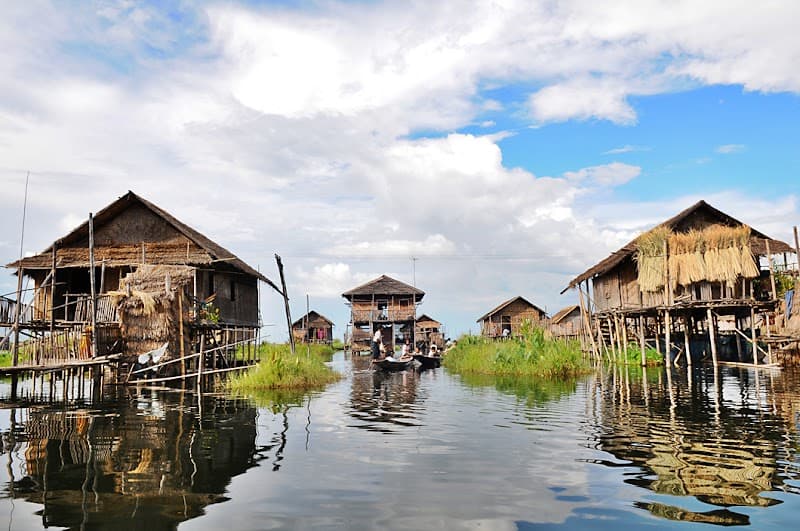
The lake sits 880 meters above sea level, surrounded by mountains that turn golden at sunrise. But here's the thing — this isn't just about pretty views. The Intha have created an entire ecosystem here. They've built floating gardens from lake weeds and mud, developed that famous one-legged rowing technique, and constructed their homes entirely on stilts.
You'll spend your days gliding between villages in narrow wooden boats, watching silk weavers work their looms and silversmiths hammer intricate designs. The pace is slow, the people are warm, and the experience feels worlds away from Myanmar's busier destinations. And yes, those leg-rowing fishermen are real — not a tourist show.
Best Months
JAN · FEB · MAR · OCT · NOV · DEC
~26°C · high crowds
Culture & Context
WATER-BOUND INGENUITY
Inle Lake sits in Myanmar's southern Shan State at 880 meters above sea level, and the altitude alone tells you something: this place runs cooler, quieter, and at its own pace. The lake is home to the Intha people, who adapted their entire lives to water. They built stilt houses on teak poles rising 10 feet above seasonal floods, engineered floating gardens from woven water hyacinth and reeds, and developed a one-legged rowing technique so they could spot fish and navigate through dense reed beds simultaneously. It's not a gimmick for tourists. It's a practical solution that's been passed down for generations.
The lake spans about 116 square kilometers, making it Myanmar's second largest. It was inscribed as Myanmar's first UNESCO Biosphere Reserve, partly because it hosts around 20 species of snails and 9 species of fish found nowhere else on earth. Birdwatchers get serious about it from November to March, when migratory birds from China and Mongolia arrive in big numbers.
Here's the thing about the tourism side of it: it's a mixed bag. The floating gardens actually produce around 70% of Myanmar's tomatoes. Genuine daily life is happening constantly. But certain villages, especially Ywama, have become very polished circuits where boat drivers earn commissions at every handicraft stop. The Kayan (long-neck) women you'll see in some weaving workshops near Inpawkhon are not indigenous to this area. Their home is in the hills southwest of Loikaw. They're here partly because tourism brought them economic opportunity, and that raises real ethical questions worth sitting with before you pull out a camera.
Local Customs
RIGHT HAND ALWAYS
Remove shoes and socks before entering any pagoda or monastery — no exceptions, even on cold mornings.. Dress modestly at religious sites: shoulders covered, chest covered, legs below the knee. This applies to all genders..
Always hand money and objects using your right hand. For extra respect, place your left hand under your right elbow as you pass something.. Do not photograph military personnel or anyone in uniform.
It can result in detention. This is not a 'be careful' situation — just don't.. Ask permission before photographing people, especially at markets and in villages.
Locals generally appreciate it when asked. The phrase 'Da poun yai lo ya mala?' goes a long way..
During the Thingyan water festival, do not splash monks, pregnant women, or the elderly — it's considered genuinely disrespectful, not just a quirky rule.. Haggling is normal and expected at markets, but keep it friendly. Aggressive bargaining reads as rude.
A smile and a counter-offer work better than frustration.. The Ywama floating market runs on a five-day rotation cycle across different villages. Your guesthouse or boat driver can tell you exactly which village hosts the market on your visit day..
Bring cash in clean, unfolded, unmarked US dollar bills. Damaged notes get rejected almost universally. This will be frustrating if you're not prepared for it..
Boat drivers often get commissions from handicraft workshops and will default to that route. If you want to see the Phaung Daw Oo festival procession or a specific site, be very explicit upfront about where you want to go.
Safety
VOLATILE STABLE ZONE
The honest version: Inle Lake sits within what travelers call the "Tourist Kite" (Yangon, Bagan, Mandalay, Inle Lake), which is the relatively stable corridor. Recent visitors in this zone report feeling safe, with no direct conflict activity at the lake itself. But "relatively safe" does serious work in that sentence. Broader Shan State hosts active conflict zones further north and east. The political situation is genuinely volatile and can change fast.
Practical dangers at the lake are mostly environmental: boats are not high-quality, and the lake gets choppy during monsoon season (May–September). Avoid boat trips in heavy rain. Night road travel carries elevated risk from poorly lit roads and military checkpoints. Stick to daytime overland movement if you're not flying. Stray dogs, poor road surfaces, and open drainage are everyday hazards in Nyaungshwe. Mosquitoes are serious in rainy season — the town is surrounded by marshland. Bring DEET, not just a bracelet.
Do not photograph military personnel, protests, or government buildings. Do not discuss politics with strangers. The risk of arbitrary detention is real for foreigners who end up in the wrong place documenting the wrong thing. Travel insurance that actually covers Myanmar is non-negotiable. Check the U.S. Embassy Myanmar site and your own government's advisory the week before departure, because conditions shift.
Getting Around
FLIGHTS & BOATS
Getting here means flying. The nearest airport is Heho (HEH), about 35 kilometers from Nyaungshwe, which works out to roughly a one-hour drive by taxi or shared minibus. International flights connect through Yangon, Bangkok, or Singapore. From Yangon, domestic flights to Heho run on Myanmar National Airlines and a few other carriers. It's the sensible option in 2026 given road safety concerns and the multiple military checkpoints on overland routes. Those doing Yangon to Inle by bus face 10–12 hours on the road and two to three checkpoint stops — manageable, but book a VIP bus with air conditioning if you go that route.
Once in Nyaungshwe, the main jetty is at the western end of Yone Gyi Road. That's where boat operators wait and where full-day tours depart, ideally before 8am to beat the traffic and catch the morning mist. Shared boat tours run $15–25 USD for a full day covering most lake sites. Bicycle rental ($2–4/day) works well for the Mine Thauk wooden bridge and the eastern lakeshore roads. Motorbike rental exists but road conditions are rough and insurance doesn't apply here. The $10 USD zone entry fee gets collected in Nyaungshwe — usually from foreigners arriving at the main checkpoint on the road in from Shwenyaung.
Useful Phrases
Inle Lake Itineraries
View all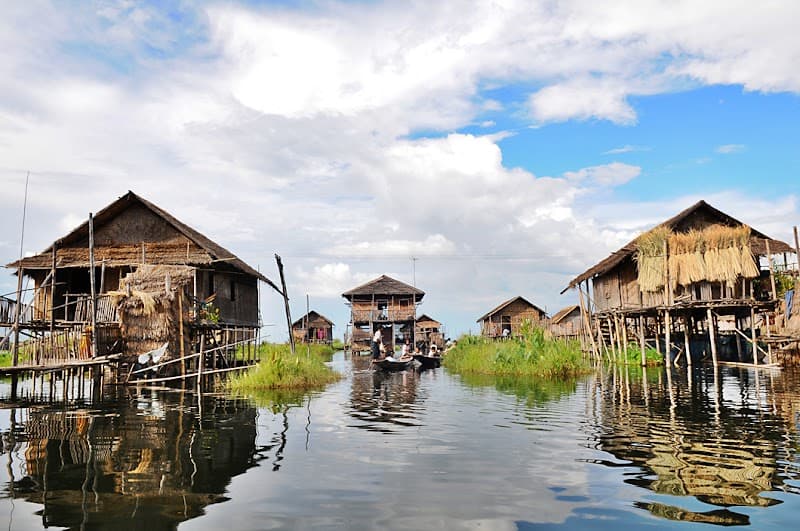
Seven Serene Days on Myanmar’s Wild Inle Waters
Week · $$$
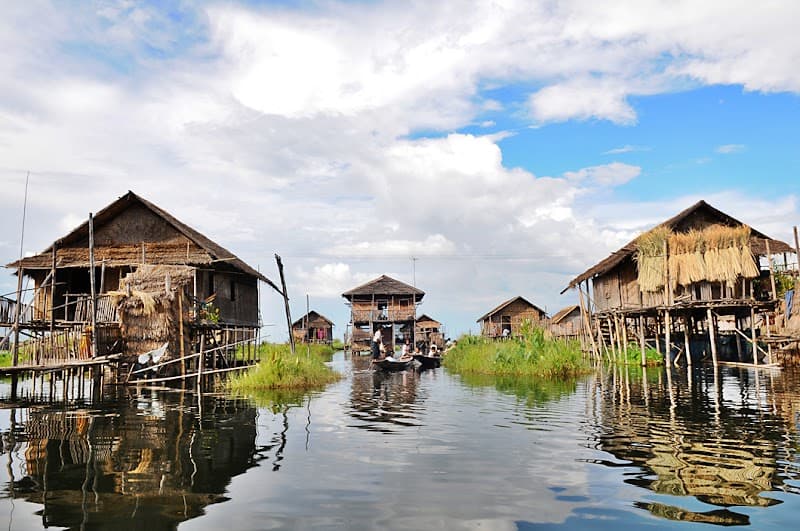
Inle Lake in 3 Days: Boats, Hills, and Quiet Waterways
Weekend · $$$
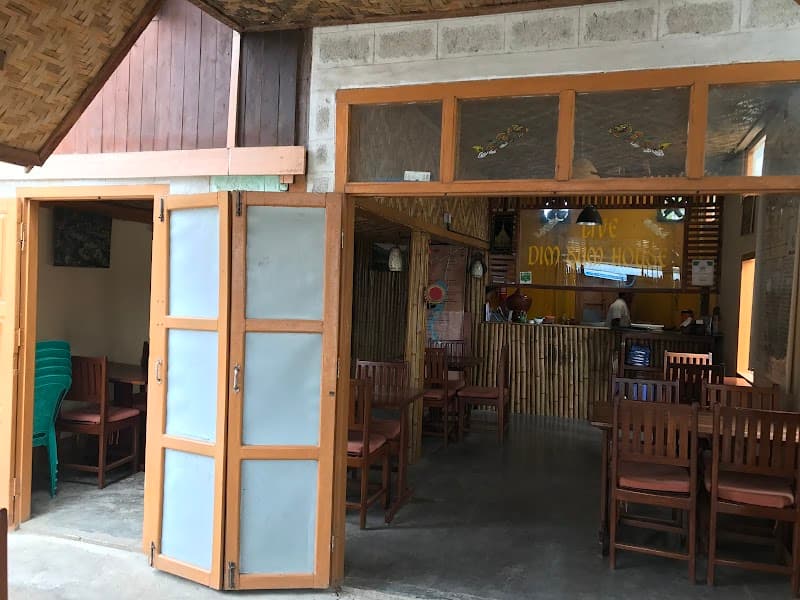
Seven Serene Days on Mystical Inle Lake
Week · $$$
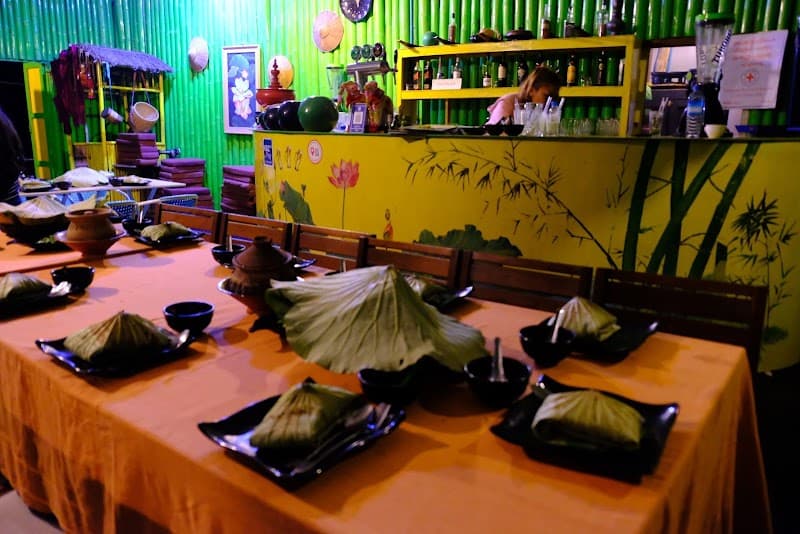
Misty Inle Escape: Romantic Days on the Lake
Weekend · $$$
7 Serene Days on Myanmar’s Magical Inle Lake
Week · $$$
Floating Forests & Family Fun at Inle Lake
Weekend · $$$
Things to Do in Inle Lake
Nyaung Shwe Morning Orientation Walk
Central Nyaung Shwe · 90 min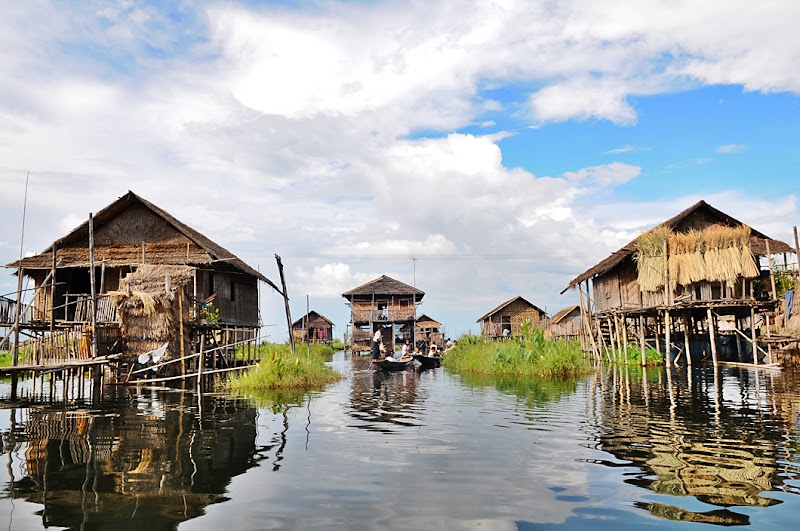
Nyaung Shwe Market Visit
Nyaung Shwe Market Area · 60 min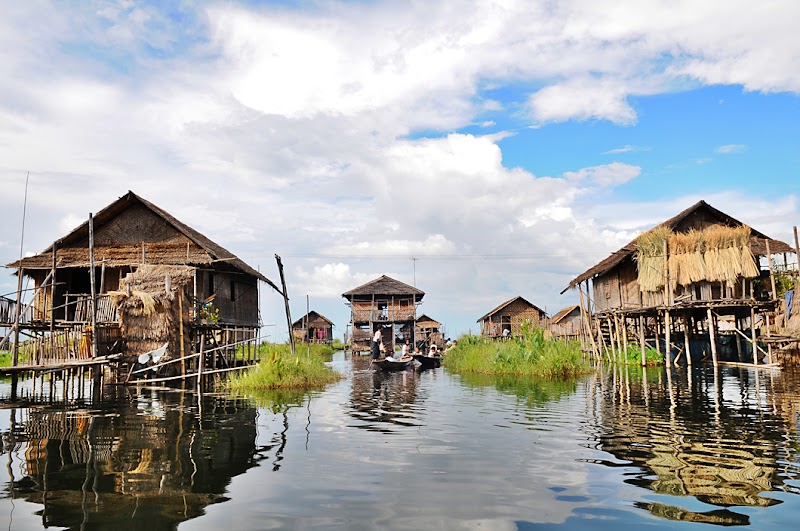
Full-Day Inle Lake Boat Tour
Central Inle Lake & Stilt Villages · 300 minMoney-Saving Tips
- 1.Negotiate boat prices in advance — drivers often quote inflated tourist rates. A full day should cost 25,000-30,000 kyat maximum.
- 2.Eat where locals eat in Nyaungshwe's tea shops and street stalls. A meal costs 2,000-3,000 kyat versus 8,000+ at tourist restaurants.
- 3.Buy handicrafts directly from workshops in villages rather than Nyaungshwe shops. Prices are 30-40% lower and money goes to artisans.
- 4.Stay in guesthouses rather than resorts — you'll save $50+ per night and get more authentic interactions with local families.
- 5.Rent bikes for 2,000 kyat per day instead of hiring taxis. Most attractions around Nyaungshwe are bikeable on flat roads.
Travel Tips
- •Bring a cushion for wooden boat seats — eight hours on hard wood gets uncomfortable quickly.
- •Pack layers for early morning boat trips. It's cold at 6 AM but gets warm by 10 AM.
- •Wear shoes with good grip for slippery wooden walkways between stilted buildings.
- •Download offline maps — cell service is spotty on the lake and GPS helps navigate village channels.
- •Respect local customs at workshops — ask before photographing people and don't touch silk looms while they're working.
- •Book accommodation in advance during festival season (February-March) — the lake gets packed.
- •Bring cash in small bills — most places don't accept cards and change is often scarce.