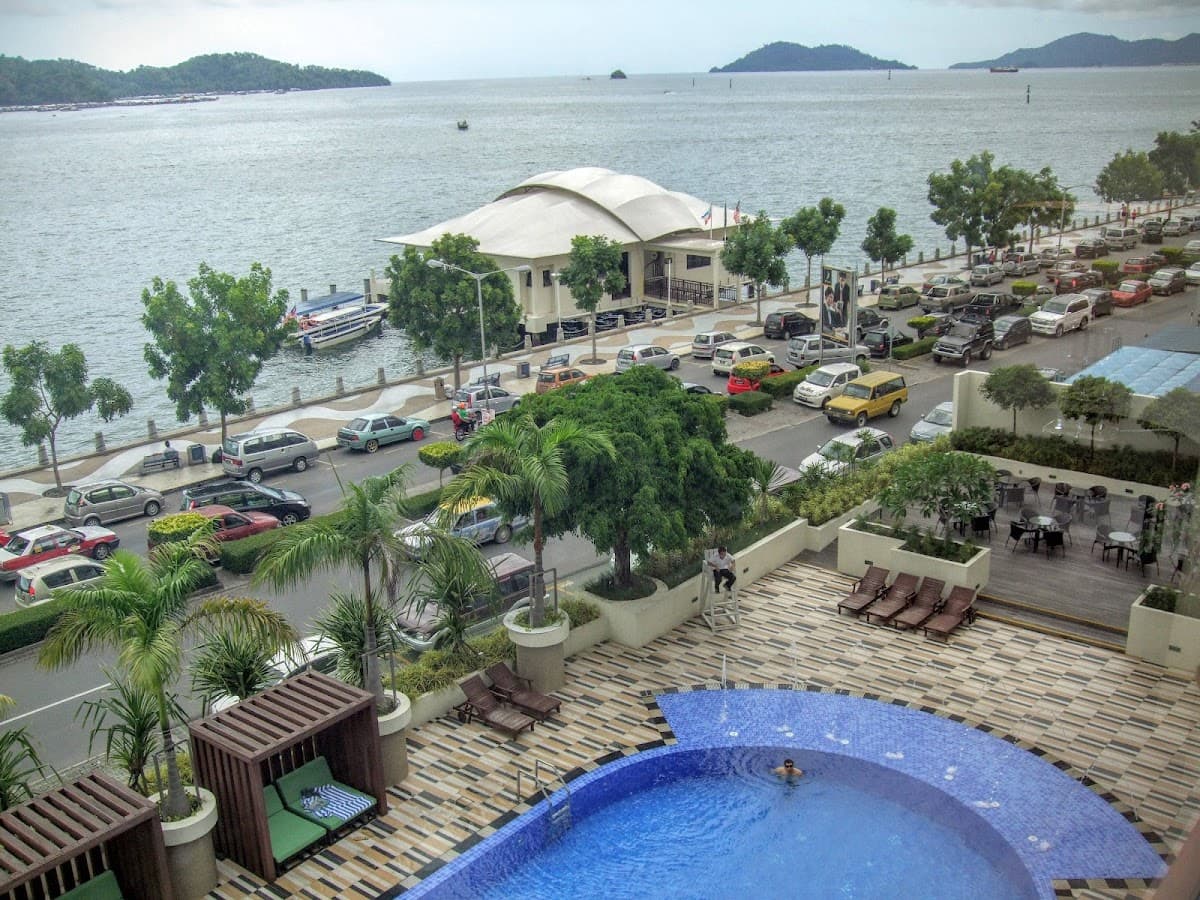
Kota Kinabalu
Gateway to Borneo's rainforests and Mount Kinabalu
Kota Kinabalu sits where the South China Sea meets Borneo's ancient rainforests. Most people call it KK — and after a few days here, you will too. This Malaysian city serves up orangutans at breakfast, world-class diving by lunch, and Mount Kinabalu's peaks glowing pink at sunset. The street food alone could keep you busy for weeks. But KK's real magic happens when you venture beyond the city limits into Sabah's wild heart.
Best Months
MAR – AUG
~32°C · moderate crowds
Culture & Context
LAND BELOW THE WIND
KK is the capital of Sabah, sitting on the northwest coast of Borneo and facing the South China Sea. It's genuinely multicultural in a way that actually plays out in daily life — Kadazan-Dusun, Bajau, Malay, Chinese, and dozens of other groups live and eat alongside each other. The city earned its nickname, the "Land Below the Wind," because Sabah historically sits below the typhoon belt, which means calmer weather and, as a side effect, spectacular cloud formations at sunset.
It's a relaxed city. Smaller than KL, less chaotic than many Southeast Asian capitals. The vibe is coastal and easy.
But it's still a real city with traffic, tourist traps, and petty crime if you're not paying attention. One thing that catches a lot of visitors off guard: Sabah runs its own immigration desk, separate from Peninsular Malaysia. Even if you fly in from KL with a Malaysian stamp already, you queue again at the Sabah counter.
The officer there decides your permitted stay. It sounds annoying but takes maybe 10 minutes. Know it's coming and you'll be fine.
Local Customs
SHOES OFF, BARGAIN FREELY
Sabah Malay uses 'bah' instead of 'lah' for emphasis. You'll hear 'Bagus bah!' (Good!
) constantly. Using it yourself gets smiles.. Remove shoes before entering any mosque, and cover shoulders and knees.
The city mosque is visited by tourists all the time — just bring a scarf or wear appropriate clothing and you're fine.. Don't undress on beaches or anywhere public. Kota Kinabalu police take this seriously.
Tourists have been fined and even briefly detained for it, and in extreme cases banned from Malaysia.. Handshakes are normal between men. With women, wait to see if she extends her hand first.
A gentle nod or hand on heart is also common.. Bargaining is expected at markets — Gaya Street Sunday Market, the Filipino Market, night markets. Do it respectfully and with a smile.
Walk away if the price isn't right. Most vendors respond well.. Carry your passport.
Hotels require it at check-in, and immigration officers can ask to see it at any time. A copy won't cut it in all situations — carry the original.. Tipping is not expected in Malaysia but is appreciated for good service.
No need to calculate percentages. Rounding up or leaving small change is plenty.. Don't feed or approach wildlife in protected areas.
Fines are real. This goes for monkeys at the islands, proboscis monkeys on river cruises, everything.. During Ramadan, be mindful eating in public during daylight hours in more conservative areas, though KK is noticeably more relaxed about this than other parts of Malaysia.
Safety
PETTY THEFT, NOT VIOLENT
KK is generally safe in the city centre and tourist areas. Violent crime against visitors is uncommon. The main risks are petty theft (phones, bags), overpriced tourist services, and poor planning around boat trips.
Bag snatching from motorbikes happens — walk on the side away from the road and keep bags on your inside shoulder. Don't flash expensive cameras or phones at night markets. The wider Sabah region requires more caution.
Eastern coastal areas like Semporna and Lahad Datu have a history of maritime kidnapping threats from militant groups operating across the Philippine sea border. KK is on the west coast and far from those zones. The Eastern Sabah Security Command (ESSCom) actively patrols eastern maritime areas, and no kidnapping incidents have been reported in eastern Sabah waters since January 2020.
Stick to the west coast and licensed tour operators and you won't be near these risks. Don't drink tap water. Locals boil or filter it.
Use bottled water for drinking and brushing teeth. Flash flooding can happen during heavy rain. Get travel insurance — private hospitals are good quality but foreign patients without coverage face serious bills, and medical evacuation from rural Sabah can cost USD $10,000–$50,000+.
US State Department rating as of February 2026: Level 1, Exercise Normal Precautions. Scams are small-scale: inflated taxi fares, overpriced tours, vague seafood pricing at hawker stalls. Confirm prices before you agree to anything.
Use Grab to avoid fare negotiation entirely.
Useful Phrases
Kota Kinabalu Itineraries
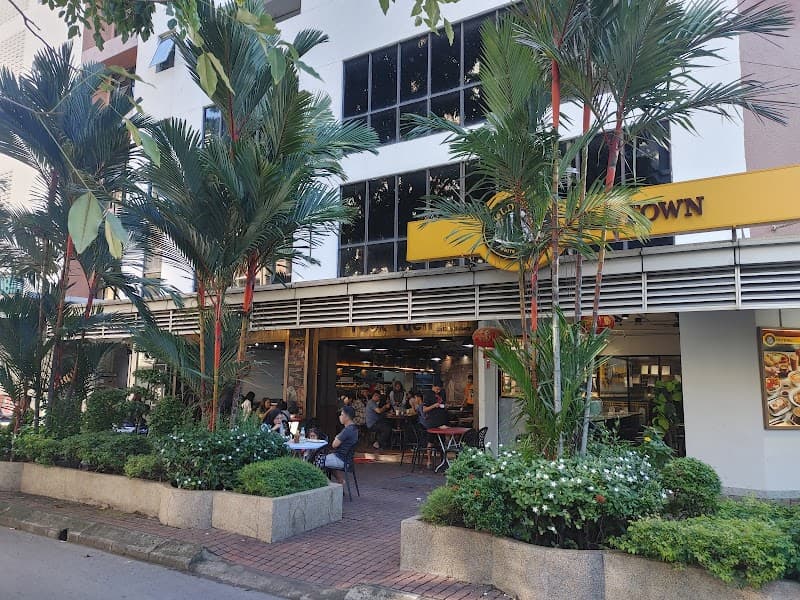
Glam Nights & Coastal Bites in Kota Kinabalu
Weekend · $$$
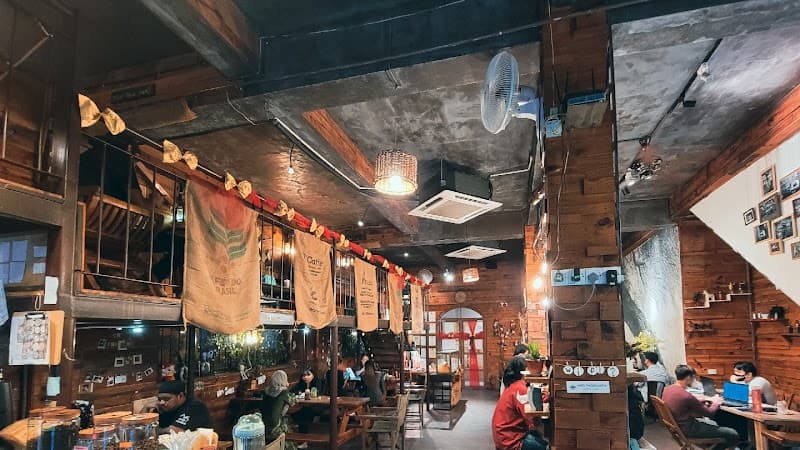
Glam Getaway in Kota Kinabalu: Sea, Sunset & Street Eats
Weekend · $$$
Glam Nights & Coastal Days in Kota Kinabalu
Week · $$$
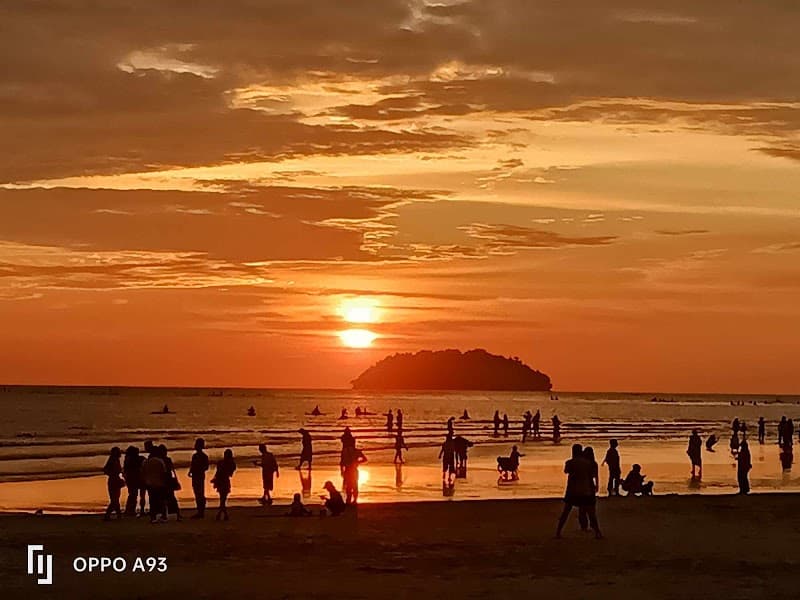
Slow Adventure & Nature Days in Kota Kinabalu
Weekend · $$$
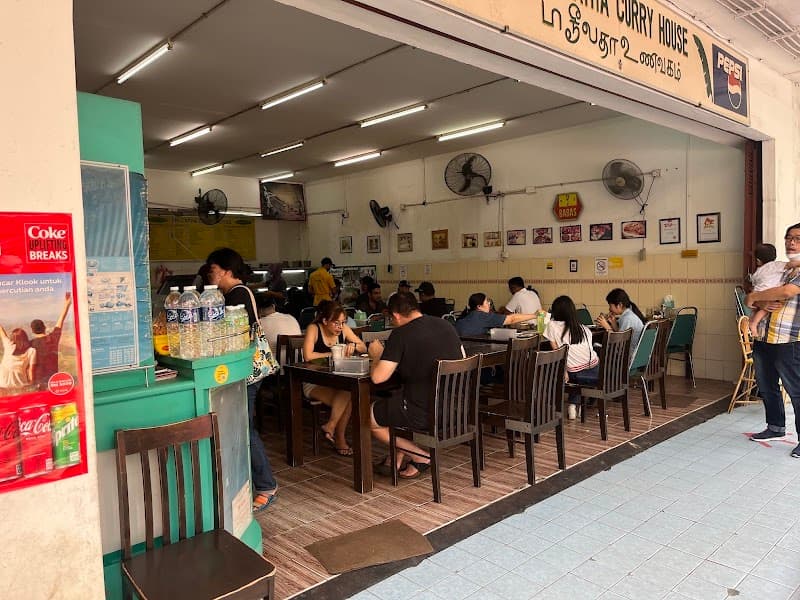
Sabah Shores & City Floors: Days 7–10 in Kota Kinabalu
Weekend · $$$
Nine Days in Kota Kinabalu: Islands, Markets & Rainforest
Weekend · $$$
Where to Stay in Kota Kinabalu
4 recommended properties
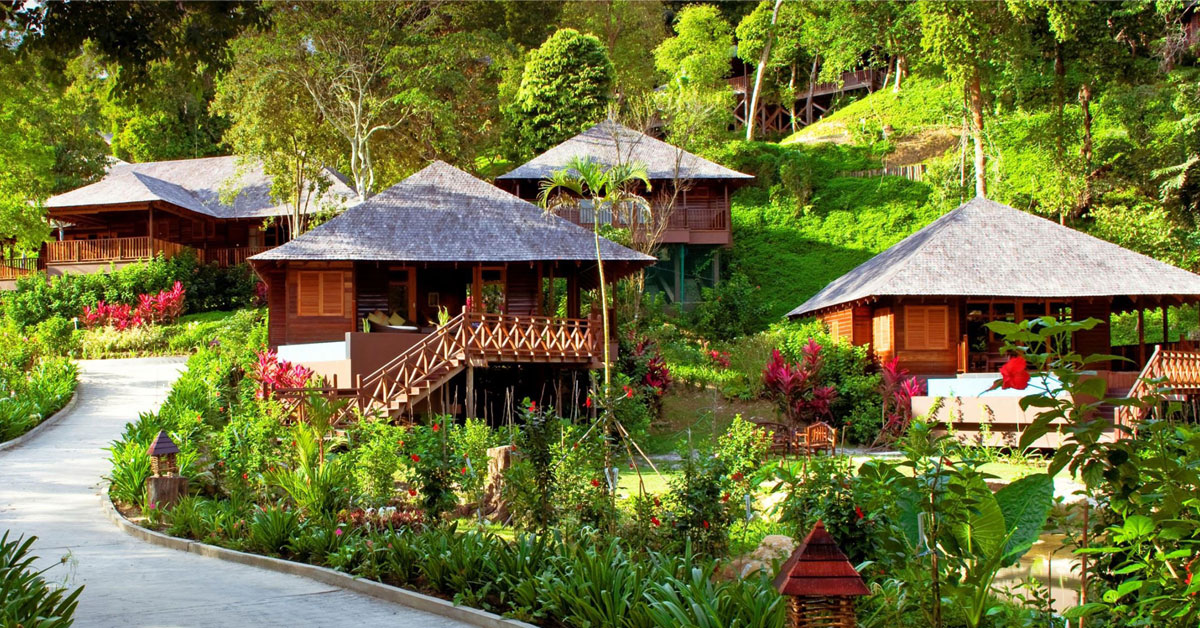
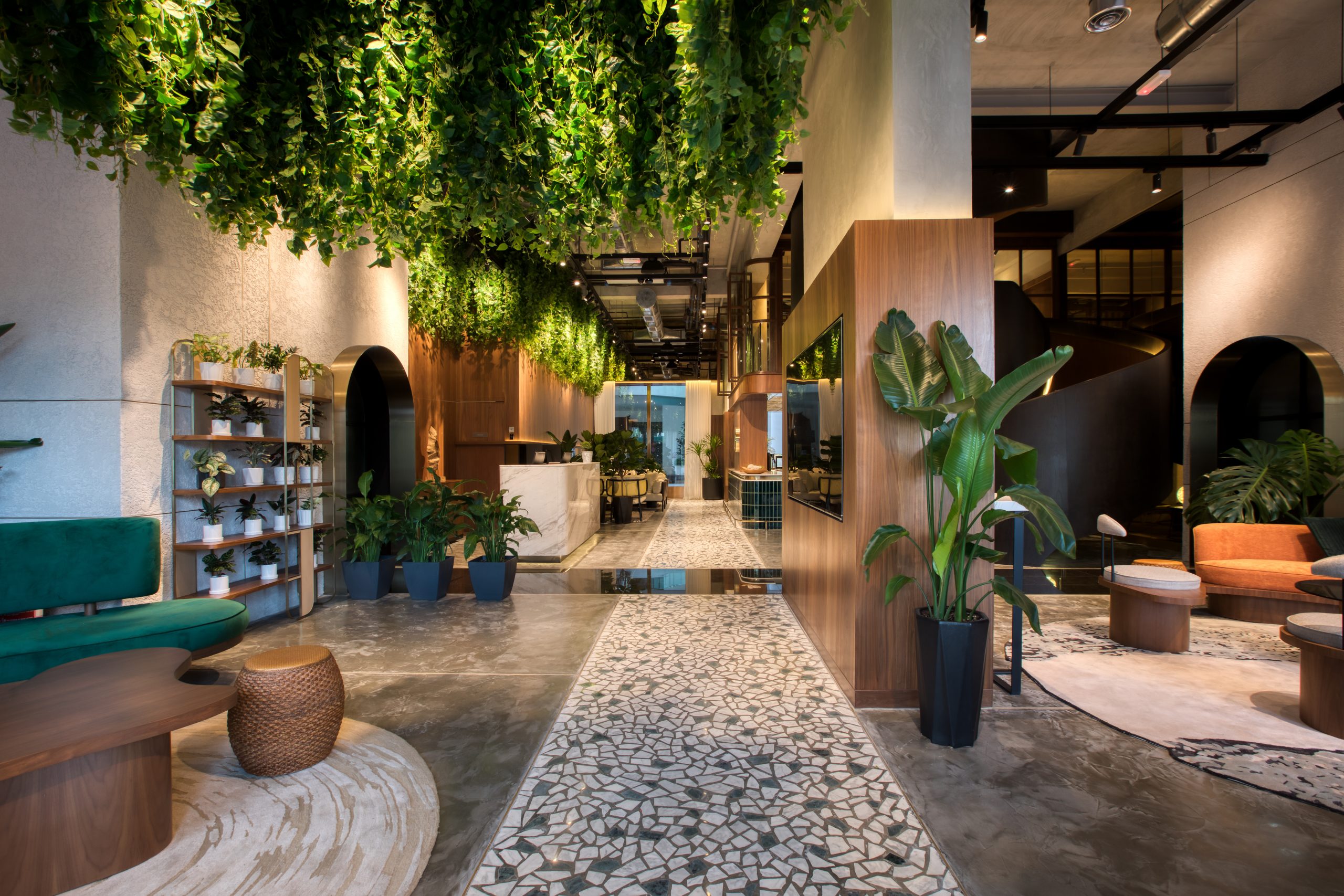
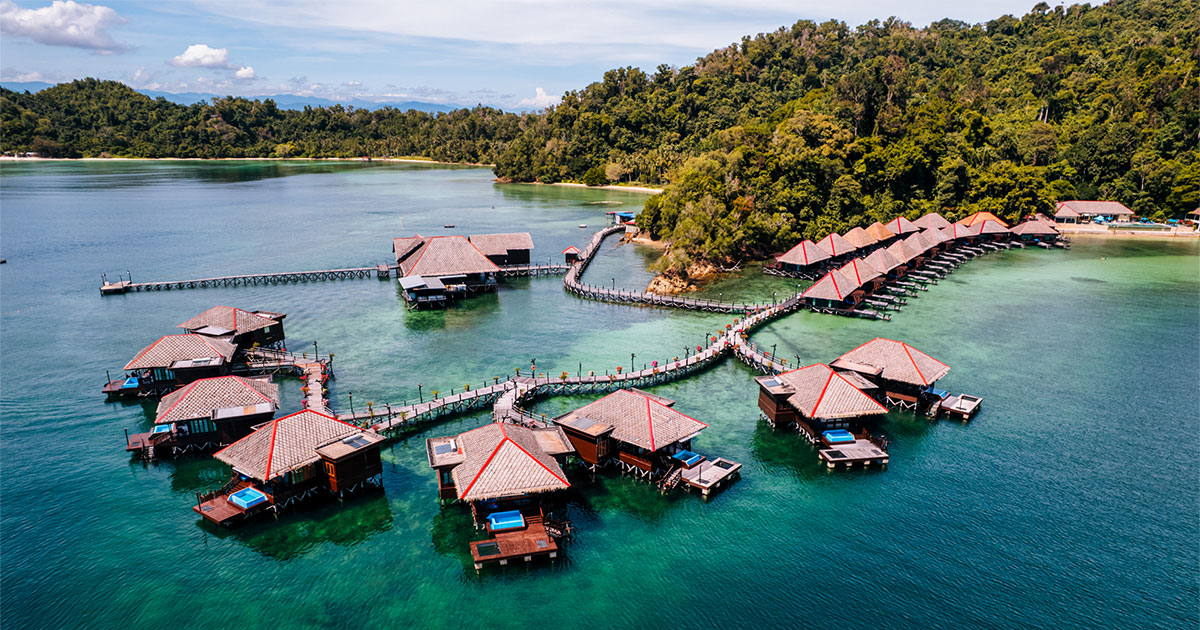
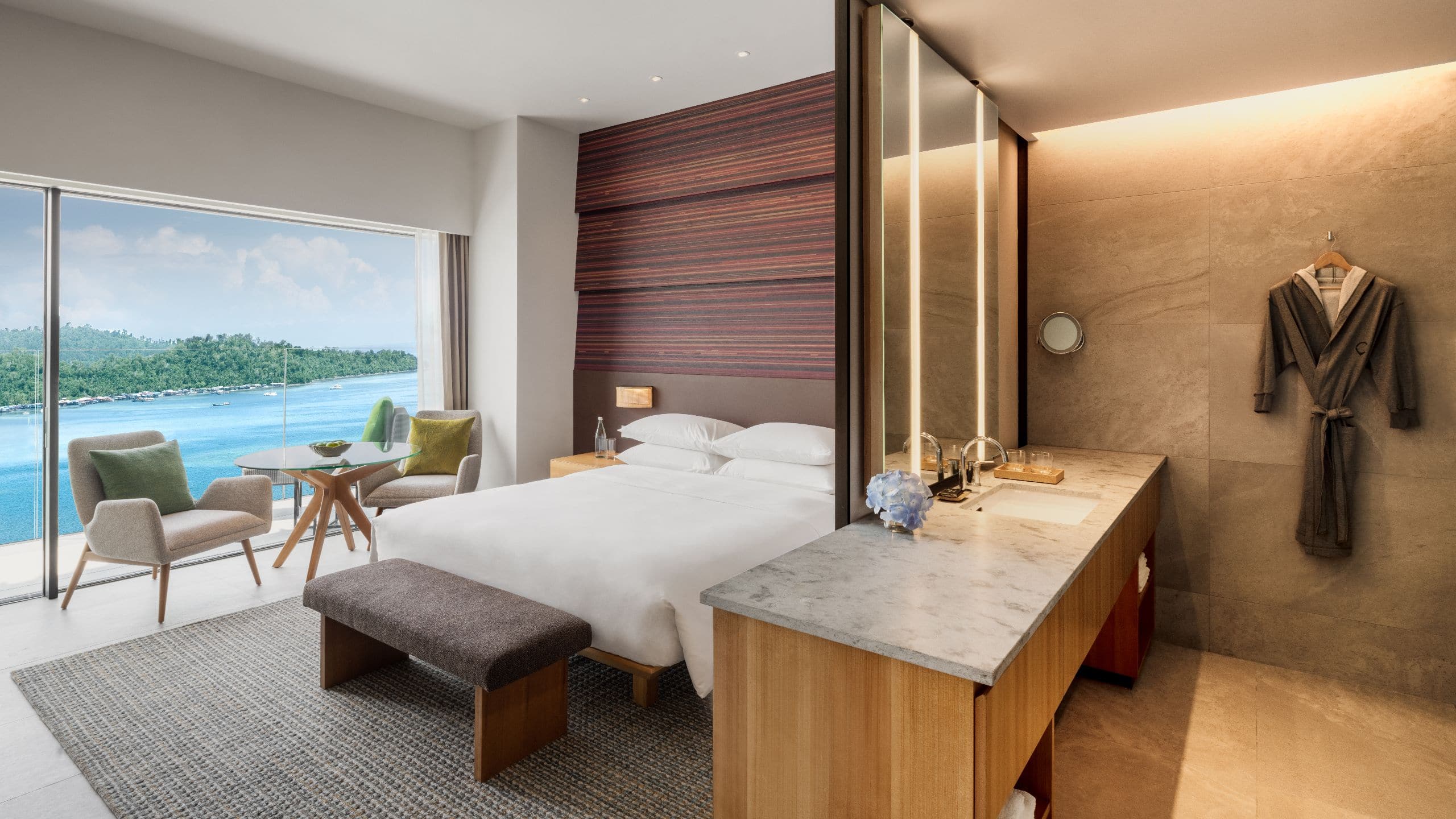
Things to Do in Kota Kinabalu
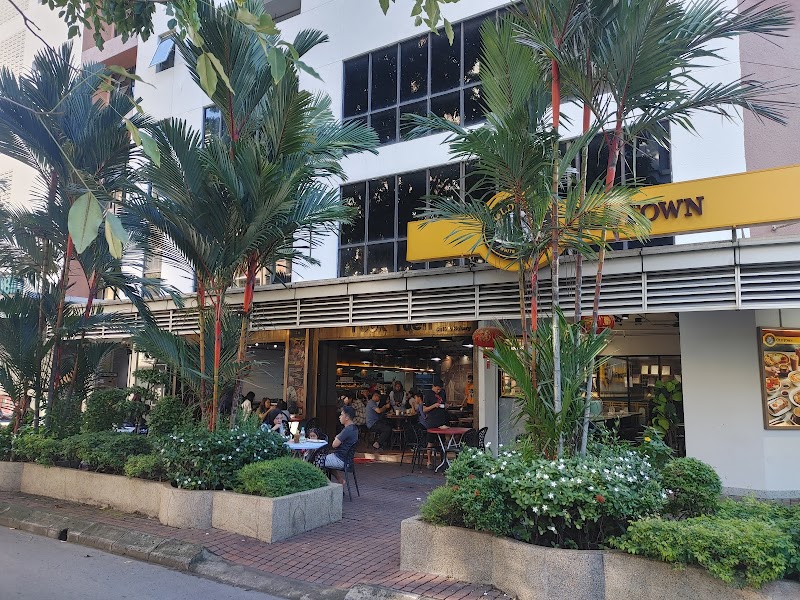
Gaya Street & Sunday Street Market
Pusat Bandar (Gaya Street) · 120 min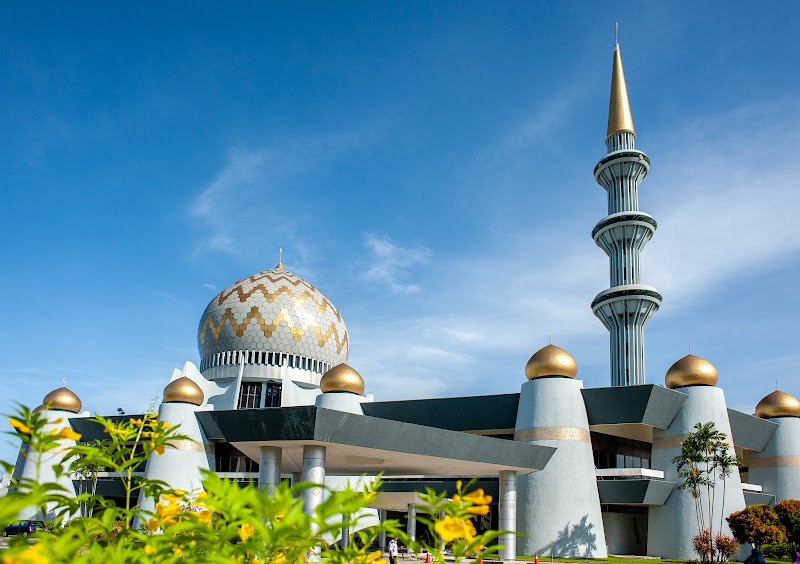
Sabah State Mosque (Masjid Negeri Sabah)
Sembulan · 60 min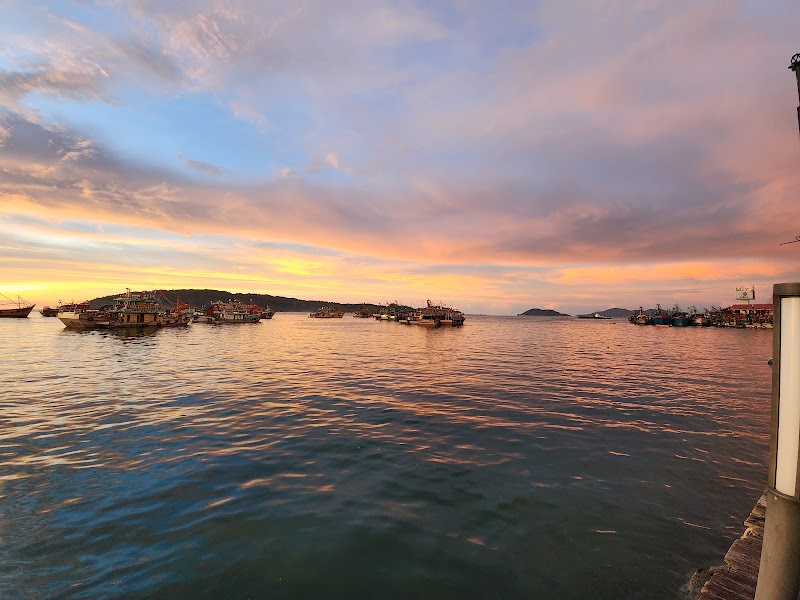
Kota Kinabalu Waterfront & Anjung Samudra
Waterfront (Pusat Bandar) · 60 minMoney-Saving Tips
- 1.Book Mount Kinabalu climbing permits directly through Sabah Parks website to avoid tour operator markups of RM100-200
- 2.Eat at night markets instead of hotel restaurants - you'll spend RM15 vs RM80 for similar dishes
- 3.Take the airport bus to city center for RM5 instead of taxi for RM25-30
- 4.Buy snorkeling gear at Filipino Market (RM30-50) rather than renting daily at islands (RM20 per day)
- 5.Stay in city center to walk to most attractions - saves RM20-40 daily on transport
- 6.Book island hopping tours directly at Jesselton Point jetty for better prices than hotel concierge rates
Travel Tips
- •Download offline maps before heading to Mount Kinabalu - cell service cuts out in the mountains
- •Bring reef-safe sunscreen for marine parks - regular sunscreen damages the coral
- •Pack a light rain jacket year-round - afternoon showers happen even in dry season
- •Learn basic Bahasa Malaysia greetings - locals appreciate the effort and you'll get better service
- •Book Sepilok orangutan tours for morning feeding times (10 AM) when apes are most active
- •Carry cash - many local restaurants and markets don't accept cards
- •Respect local customs at cultural sites - cover shoulders and knees, remove shoes when required
Frequently Asked Questions
Explore Kota Kinabalu
BUILD YOUR
KOTA KINABALU PLAN
Insider picks, smart timing, and a plan ready when you are.
Start Planning