
George Town
UNESCO heritage meets vibrant Malaysian street food culture
George Town isn't just another Southeast Asian city with old buildings and good food. This UNESCO World Heritage site on Penang Island serves up one of Malaysia's most compelling urban experiences — colonial architecture meets Chinese shophouses, Tamil temples sit next to mosques, and some of the world's best street food happens right on the sidewalk.
Walk down Armenian Street and you'll dodge motorbikes while admiring Ernest Zacharevic's famous street murals. Turn onto Lebuh Chulia and suddenly you're in backpacker central, with hostels squeezed between traditional medicine shops. The city moves at its own rhythm, where hawker stalls open at dawn and night markets stretch until 2 AM.
Here's what makes George Town special: it's managed to preserve its multicultural heritage without turning into a museum. Real families still live in those restored shophouses. Actual locals eat at those famous hawker centers alongside tourists. And you can experience centuries of Asian trading culture without breaking your budget.
Best Months
JAN · FEB · JUN · JUL · AUG · DEC
~29°C · high crowds
Culture & Context
COLONIAL MELTING POT
George Town sits on Penang Island off Malaysia's northwest coast and has been a UNESCO World Heritage Site since 2008. British trader Francis Light founded the settlement in 1786, and it evolved into a trading crossroads where Malay, Chinese, and Indian communities built their own distinct neighborhoods side by side. That collision of cultures is still very much alive.
Walk one block and you're in a Hokkien shophouse. Turn the corner and you're hit with the smell of jasmine garlands from a Tamil flower stall. The Peranakan (Straits Chinese) community is particularly interesting here — they absorbed Chinese, Malay, and British colonial influences into something entirely their own, still visible at the Pinang Peranakan Mansion on Church Street.
Penang Hokkien is actually the unofficial lingua franca among the Chinese community, not Mandarin. English is widely spoken across the city, so language is rarely a barrier for tourists. The 2025 Michelin Guide recognized 63 eateries in George Town, which tells you something about the food scene — it's not hype.
And note: this is a Muslim-majority country, so mosque prayer calls echo five times daily. Some visitors find it atmospheric; others find it disruptive, especially early morning. Know that before you book a room near a mosque.
Local Customs
SHOES OFF EVERYWHERE
Remove your shoes before entering any temple or private home — this is non-negotiable.. At hawker stalls and air-conditioned shops, prices are fixed. Don't bargain.
Save haggling for night markets (Pasar Malam) and trishaw rides.. Dress modestly at religious sites — cover knees and shoulders. The heritage zone has temples of multiple faiths in close proximity, so it's easier to just dress conservatively for daytime exploration..
Tipping is not customary and not expected. Rounding up at a restaurant is appreciated but never required.. Mosque prayer calls happen five times daily, starting before dawn.
It's loud and it echoes. Ear plugs are handy if you're a light sleeper staying near Kapitan Keling Mosque.. During the Hungry Ghost Festival (mid-year), the front rows at Chinese opera performances are deliberately left empty for spirit guests.
Don't sit there.. Grab is the accepted way to get around — street taxis rarely use meters. Always confirm your fare or use the app..
English gets you everywhere in George Town. Attempting even one or two Hokkien or Malay words will genuinely delight locals.
Safety
WATCH YOUR BELONGINGS
George Town is genuinely one of the safer cities in Southeast Asia. Serious violence against tourists is uncommon. The main things to actually worry about are petty theft and motorbike traffic.
Bag snatching from motorbikes does happen — wear your bag across your body with the strap on the street side, not the road side. Don't leave bags hanging on café chairs or scooter mirrors. Keep your phone in a pocket, not in hand, on busy streets.
The heritage streets are well-populated during the day and early evening, which helps. But after bars close and foot traffic drops, quieter side alleys in the heritage zone feel less comfortable — don't wander with a camera hanging around your neck at 2am. Use Grab instead of unmarked taxis; driver accountability and fixed pricing remove most of the overcharging risk.
Fort Cornwallis is currently partially under construction (as of 2025) — the RM20 entry fee is questionable value right now, and reviews suggest you can see the cannons from outside for free. Don't rent a moped if you're not experienced — local traffic is fast and unpredictable. Heavy rain and flash flooding can occur, especially during the monsoon season around November to February on the west coast.
The sea around Penang is generally not suitable for swimming — murky water and jellyfish are consistent problems. Stick to pools or head to Batu Ferringhi beach areas with clearer conditions.
Getting Around
WALK & GRAB
The CAT (Central Area Transit) free shuttle bus loops through the heritage zone from the KOMTAR hub — use it. There's no reason to pay for rides between major sights in the old town. For everything else, Grab is the move.
It's reliable, metered, and far less hassle than negotiating with street taxis. Taxi drivers in Penang are famously territorial about Grab, so if you're coming from the airport, walk upstairs to the departure level to request your Grab ride and avoid confrontations. From Penang International Airport (about 10 miles south), Rapid Penang buses 401, 401A, and 401E run every 30 minutes for RM3 and take about an hour.
A Grab or taxi runs RM40-60. The ferry from Butterworth on the mainland costs RM2 each way and is the most scenic arrival option — 15 minutes on the water with views of the hill behind the city. Bikes rent for around RM40/day and are great for the street art circuit.
Walking is genuinely the best way to see the heritage core. But be warned: pavements are either non-existent or occupied by mopeds and food carts, so you'll be stepping into the road constantly.
Useful Phrases
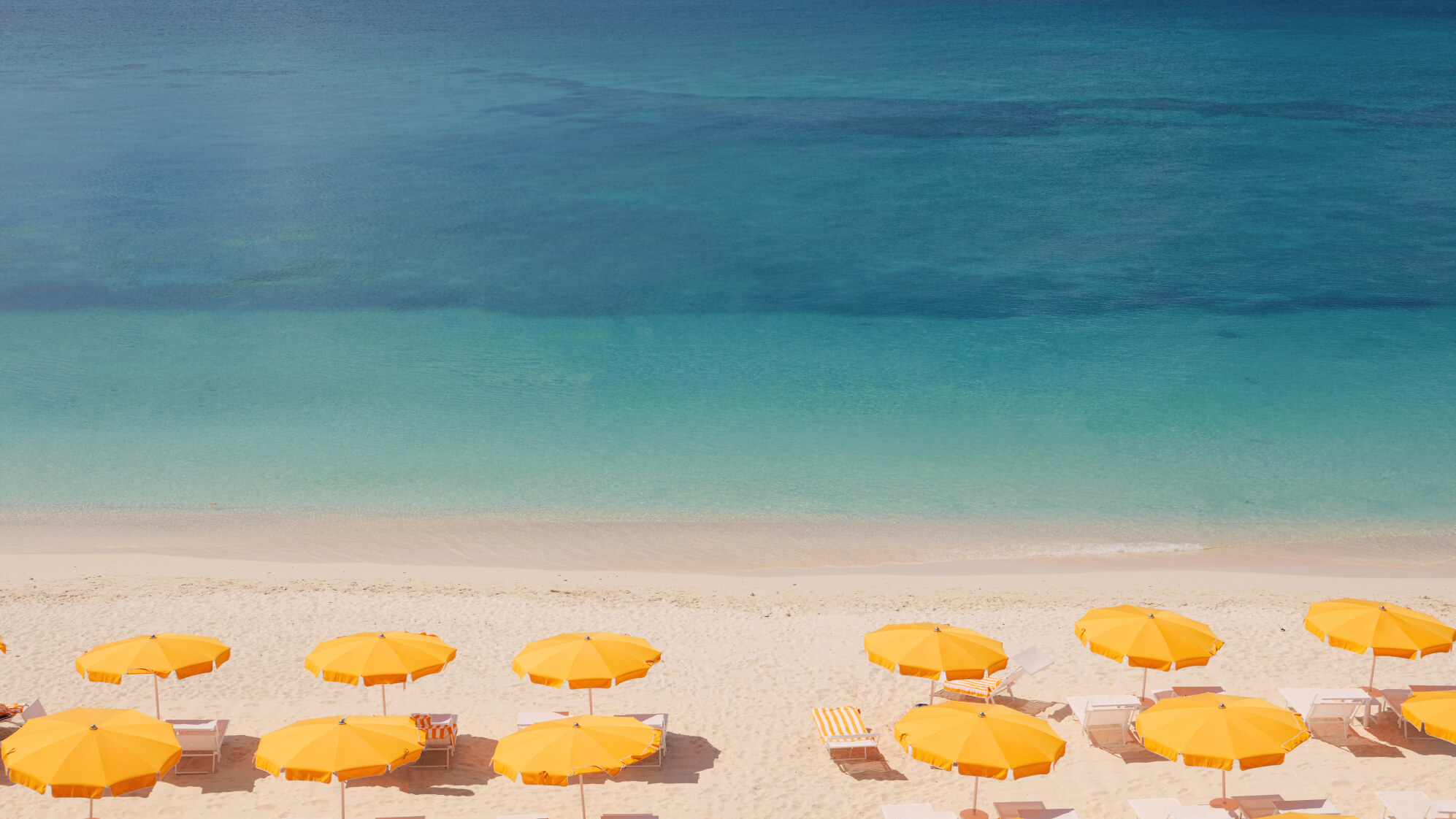
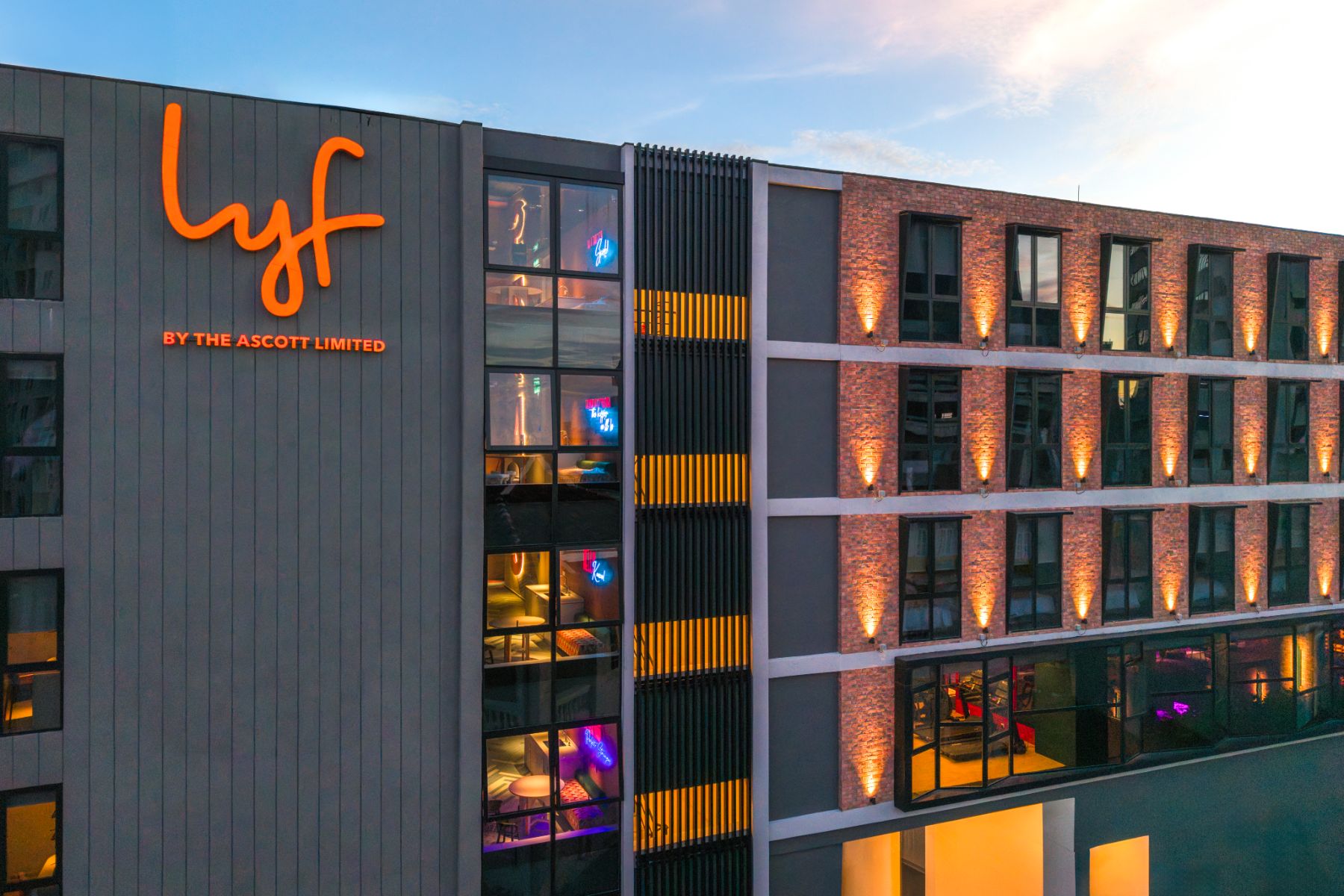
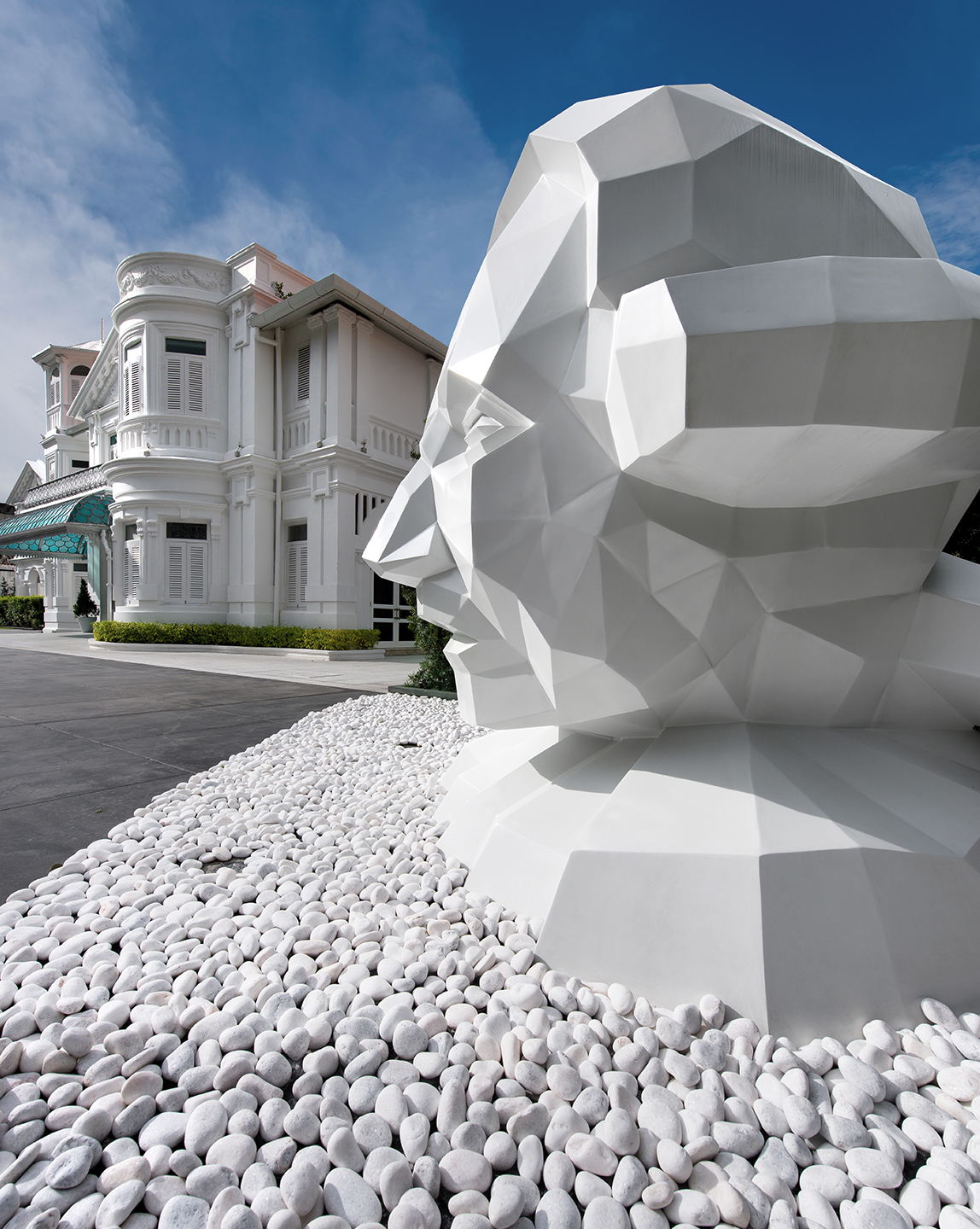
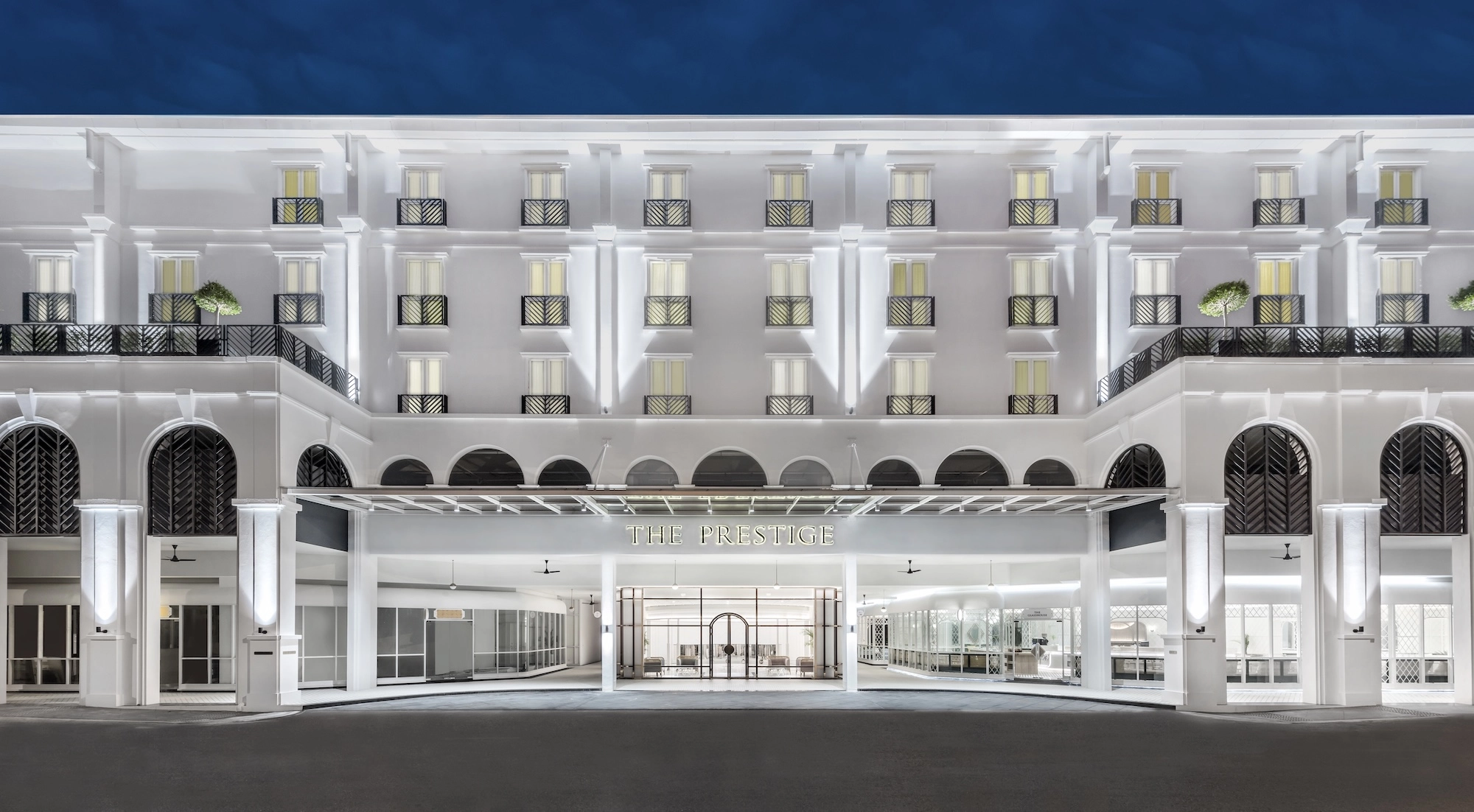
Where to Stay in George Town
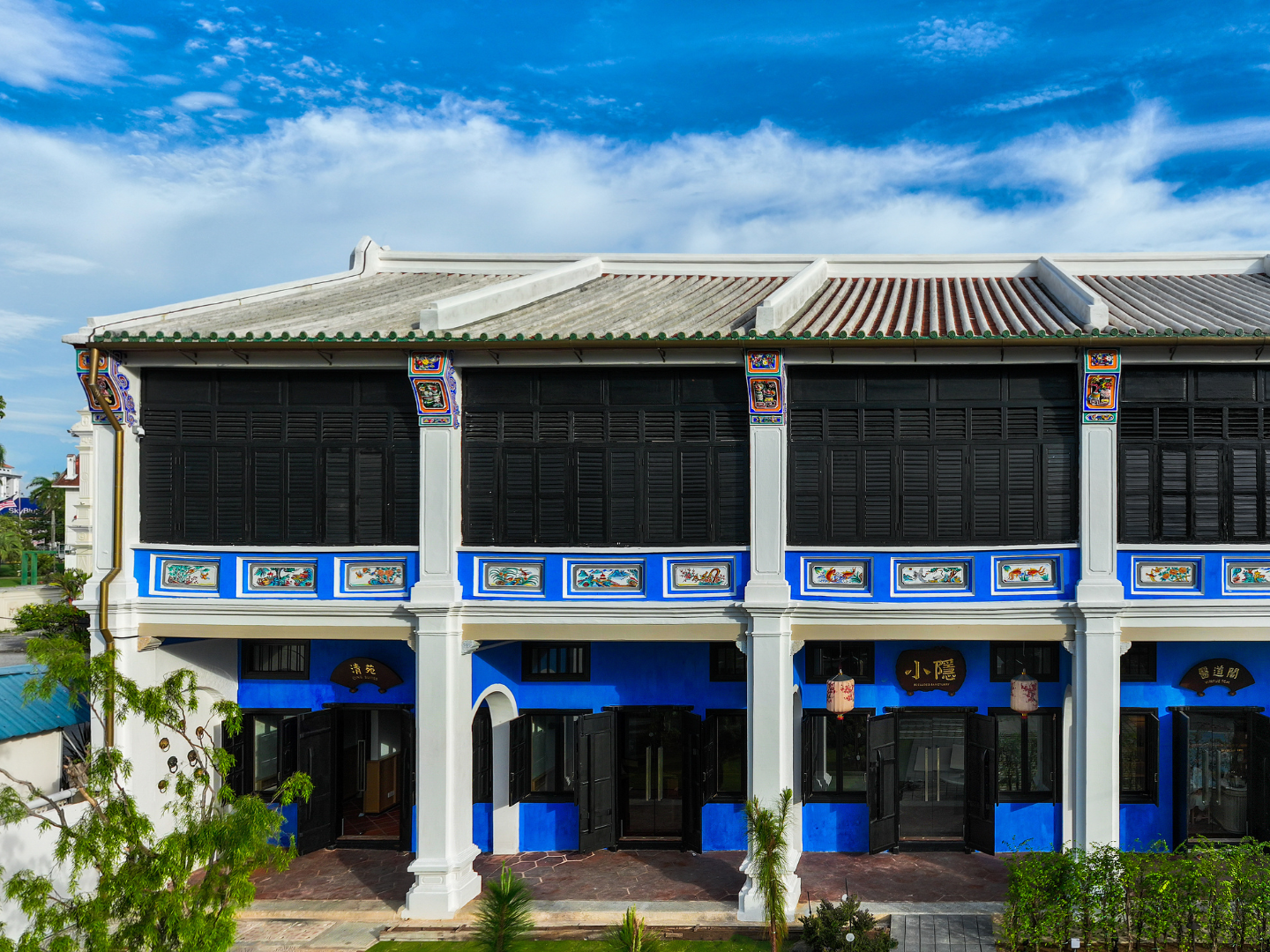
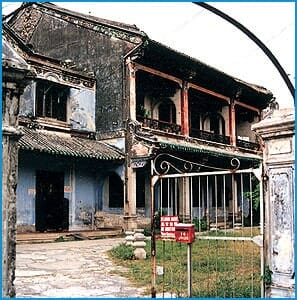
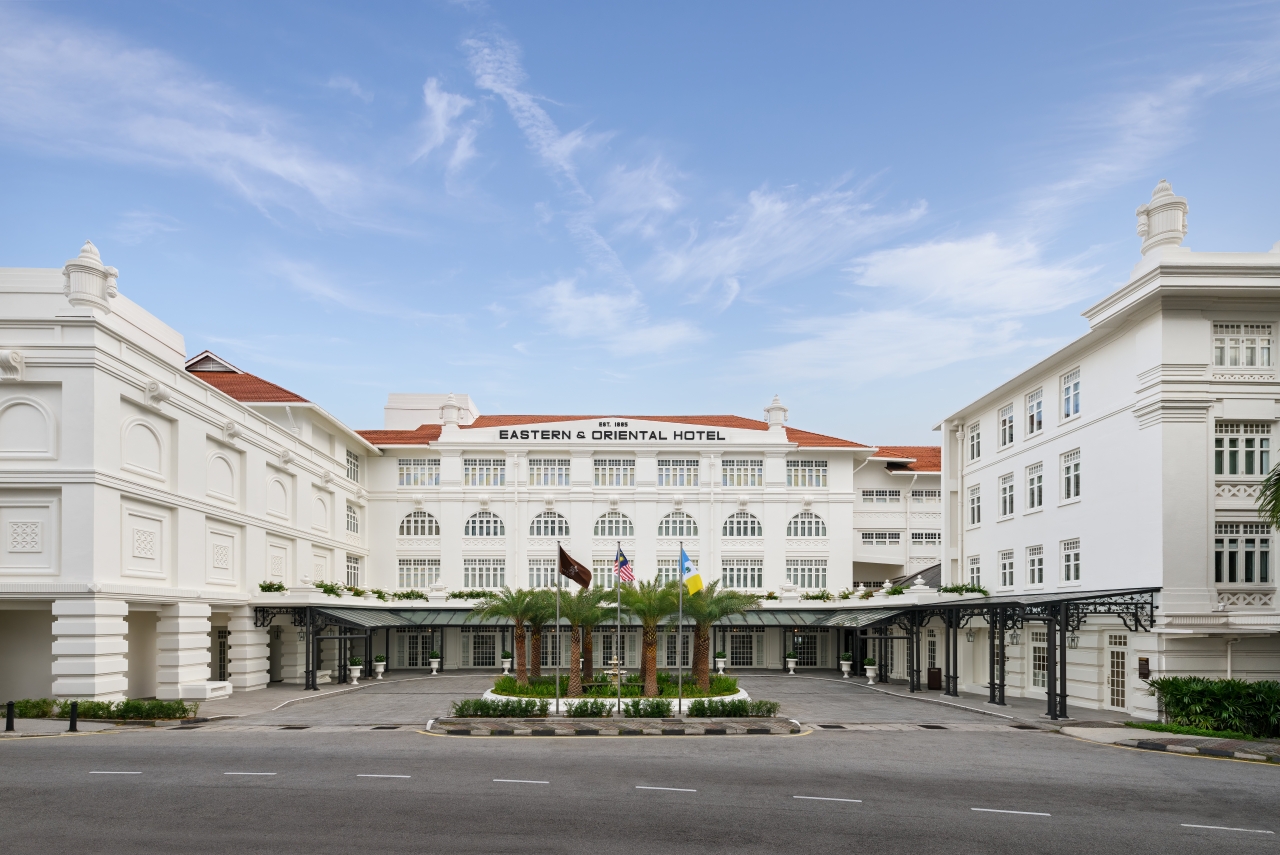
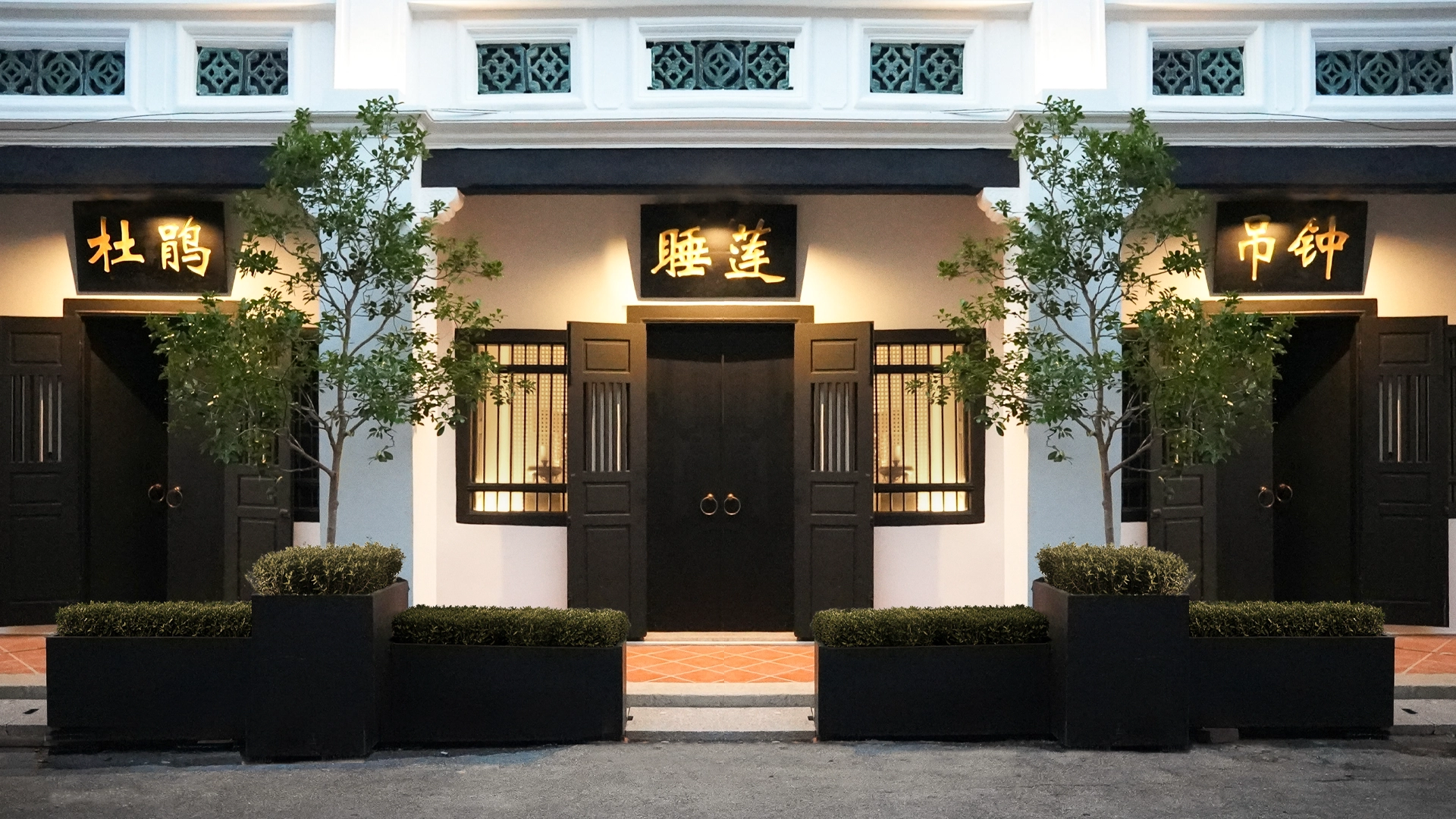
9 recommended properties

Money-Saving Tips
- 1.Hawker stalls cost RM 3-8 per dish, while heritage zone restaurants charge RM 15-30 for similar food
- 2.Free CAT bus circles all major attractions - skip expensive tour buses
- 3.Many temples and clan houses offer free entry, saving RM 10-20 per site compared to paid attractions
- 4.Stay in Lebuh Chulia area for RM 25 dorm beds instead of RM 200+ heritage hotels
- 5.Buy drinks from local shops (RM 2-3) rather than tourist cafes (RM 8-12)
- 6.Grab rides within city center cost RM 8-12, much cheaper than hotel taxis
- 7.Street art viewing is completely free - no need for paid walking tours
Travel Tips
- •Download offline maps - WiFi can be spotty in older shophouse areas
- •Carry cash - many hawker stalls and local shops don't accept cards
- •Wear comfortable walking shoes with good grip - heritage area sidewalks can be uneven
- •Learn basic Hokkien food terms - many hawker vendors speak limited English
- •Respect photography rules at temples and clan houses - some areas prohibit photos
- •Book accommodations early during festival periods - Chinese New Year and Deepavali fill up fast
- •Keep tissues handy - public restrooms often lack toilet paper
- •Start hawker center visits early morning or late evening to avoid midday heat